
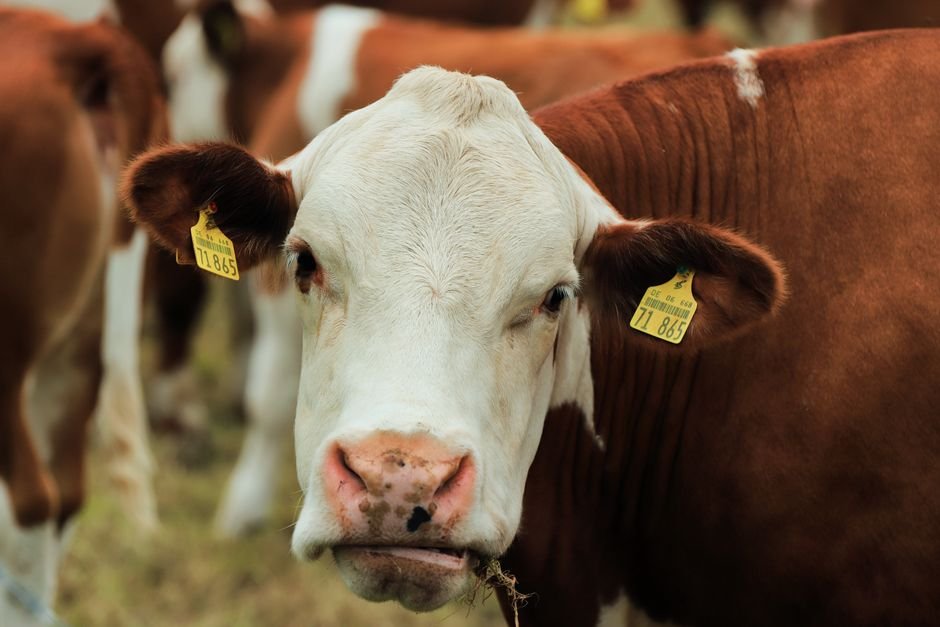
Adding legumes to cattle pasture can raise forage quality, reduce nitrogen fertilizer needs, and stretch grazing days with feed that is usually higher in protein and more digestible than grass alone. Species like white clover, red clover, alfalfa, and birdsfoot trefoil also help fix atmospheric nitrogen through their root nodules, which can support surrounding grasses and improve whole-pasture productivity over time.
Why legumes are worth a place in cattle pasture
Legumes are added to cattle pasture because they bring more than extra forage volume. They can improve crude protein, boost palatability, and supply biologically fixed nitrogen that grasses can use after manure, grazing, and plant decay recycle it into the sward. In practical terms, that often means better animal performance and less dependence on purchased nitrogen.
For beef and dairy producers, the real appeal is the balance of benefits. A pasture dominated by grass may produce plenty of dry matter in spring but fall short on protein or summer persistence. Legumes help close that gap. Well-managed mixtures also tend to keep pasture greener longer into dry spells because different species respond differently to weather, soil fertility, and grazing pressure.
1. Better forage quality for cattle
Compared with many cool-season grasses, legumes usually contain more crude protein and are more digestible when grazed at the right stage. That matters because cattle can only eat so much each day; if the forage is more digestible, they can consume more usable nutrients. White clover and alfalfa are common examples used to raise pasture quality in mixed stands.
This is one reason dairy herds often respond strongly to legume-rich pastures: higher-quality forage can support milk production without relying as heavily on grain. Beef cattle also benefit through improved average daily gain when pasture quality rises. The exact response depends on grazing management, plant maturity, and how much legume is actually present in the stand, but the nutritional lift is real.
2. Natural nitrogen fixation lowers fertilizer demand
Legumes partner with Rhizobium bacteria in root nodules to capture atmospheric nitrogen and convert it into a form plants can use. This process is why clovers and alfalfa are such valuable pasture partners. Instead of buying all the nitrogen a pasture needs as commercial fertilizer, producers can let legumes contribute a meaningful share of the system’s nitrogen supply.
The amount fixed varies by species, stand density, soil conditions, and climate, so it is safer to think in ranges than in promises. Research and extension publications commonly show clovers and alfalfa contributing substantial nitrogen inputs over a season, especially when stands are healthy and not overgrazed. That nitrogen does not stay only in the legume; it also supports companion grasses after leaves are grazed, roots turn over, and plant residues decompose.
3. More pasture production across the season
Legumes can fill production gaps that grasses leave behind. For example, red clover often performs well in spring and early summer, while white clover can persist in grazed pastures and keep producing under repeated defoliation. Alfalfa can offer high yields on well-drained soils, especially where fertility and pH are managed correctly. Birdsfoot trefoil is another option where bloat risk or drought tolerance is a concern.
For more on this, see our related guide: Proven Tips to Reduce Weaning Stress in Calves During Hot Weather.
Mixing legumes with grasses also spreads risk. If one species slows down because of heat, drought, or disease, another may keep growing. That diversity can mean more consistent grazing pressure relief and fewer feed shortages. On many farms, the goal is not a pure legume stand but a balanced pasture that produces usable forage over a longer portion of the year.
4. Lower reliance on purchased feed
When pasture quality improves, cattle often need less supplement to meet their nutritional requirements. That can reduce the amount of hay, protein tubs, or grain needed during the grazing season. For dairy and beef operations alike, cutting supplement use can make a real difference in feed cost and labor, especially when pasture is the main feed source.
This benefit shows up most clearly when legumes are managed to stay leafy and young. Overmature stems lose digestibility quickly, so timely rotation matters. A pasture with a healthy legume component may not eliminate supplementation, but it can shorten the period when extra feed is necessary. For many farms, that is enough to improve margin per acre even if the pasture still receives some backup feed.
5. Improved soil cover and pasture resilience
Legumes contribute to a more diverse root system, and that diversity can help with soil structure and ground cover. White clover spreads low across the soil surface, helping protect against bare spots in grazed areas. Deeper-rooted legumes like alfalfa can access water and nutrients from deeper in the profile, which may help during dry periods on suitable soils.
Better soil cover matters because it reduces erosion risk and helps keep pasture productive after heavy grazing or weather stress. A mixed sward often recovers more reliably than a thin grass-only stand because there are more plants filling different niches. While legumes are not a cure-all for poor soils, they are a practical tool for building a more resilient pasture system when paired with proper grazing management and soil testing.
6. Weed suppression through denser competition
A thick, productive legume-grass pasture leaves less room for weeds to establish. Once a stand is dense enough to shade the soil, many annual weeds struggle to germinate and survive. This is especially useful in paddocks that tend to open up after heavy grazing or in areas where fertility has been low and grasses have thinned out.
If you’re also looking into this, our article on Can Cows Eat Watermelon? How to Safely Feed Cull Fruit to Your Herd covers it in more detail.

Legumes do not replace weed control entirely, but they can support it. A healthy stand competes for light, moisture, and nutrients while also improving pasture vigor. In practical farm terms, that can reduce the need for spot spraying or repeated reseeding. The key is establishment: if legumes are seeded into a weak pasture without correcting pH, compaction, or grazing pressure, weeds often win before the legumes do.
7. Better economics when the stand is managed well
The financial case for legumes is strongest when you look at the whole system, not just seed cost. A legume-rich pasture can reduce nitrogen fertilizer purchases, lower supplement needs, and improve animal performance. Those savings may outweigh the extra expense of establishing or maintaining the stand, especially where fertilizer prices are high or rainfall supports strong pasture growth.
There are trade-offs, of course. Legumes can be less persistent than grasses in some environments, and alfalfa requires careful management on well-drained soils. But many producers find that even a moderate legume percentage in pasture is worth the effort. The return comes from better forage, better soil biology, and a pasture that can carry more grazing value through the season.
Common legumes used in cattle pasture
| Legume | Best fit | Main strengths | Management notes |
|---|---|---|---|
| White clover | Grazed pastures, especially cool-season systems | Persistent under grazing, good forage quality, spreads by stolons | Does best with enough moisture and moderate fertility; can struggle in drought |
| Red clover | Shorter-term rotations, hay or pasture | High yield, strong protein, quick establishment | Less persistent than white clover; often managed as a 2- to 3-year stand |
| Alfalfa | Well-drained soils, high-performance forage systems | Very high feed value, deep roots, strong yield potential | Needs good drainage and careful grazing to avoid stand damage and bloat risk |
| Birdsfoot trefoil | Pastures where bloat risk is a concern | Good quality forage, non-bloating relative to alfalfa and some clovers | Can be slower to establish; persistence depends on site and management |
How to add legumes without hurting the stand
Successful legume establishment starts with soil testing and pH correction. Most legumes prefer soil pH around 6.0 or higher, and alfalfa usually needs even better conditions. Inoculating seed with the correct Rhizobium strain is important if the field has not carried that legume before. Seed-to-soil contact, shallow planting depth, and controlled grazing during establishment all matter too.
Once the stand is in place, rotational grazing helps legumes survive. Avoid grazing too short, especially in hot or dry weather. Leaving enough leaf area allows the plant to regrow and keeps the stand from thinning out. Producers also need to watch for bloat risk when cattle are turned onto lush legume pasture, particularly with alfalfa and white clover, and manage transitions carefully.
When legumes may not be the right answer
Legumes are not ideal for every pasture. Very acidic soils, poorly drained fields, severe drought areas, or pastures with chronic overgrazing can make legume establishment difficult. In some cases, fixing those underlying problems is a better first step than adding seed. If the soil pH is low or fertility is out of balance, the legume seed may fail before it ever contributes to the pasture.
There is also a management learning curve. A farm that is used to grazing grass alone may need to adjust stocking rate, rotation length, and mineral program when legumes are introduced. That is not a reason to avoid them, but it is a reason to plan carefully. The best results come when species choice matches the soil, climate, and grazing system already in place.
This ties in closely with How Many Cows Per Acre in Missouri? Stocking Rates for Different Pasture Types Explained, worth a look if you want to go deeper.
Frequently Asked Questions
Do legumes really reduce fertilizer needs in cattle pasture?
Yes. Legumes fix atmospheric nitrogen through Rhizobium bacteria in their roots, which can reduce how much nitrogen fertilizer you need to apply. The exact savings depend on species, stand density, soil conditions, and grazing management, but the reduction can be significant in a well-managed mixed pasture.
Which legume is best for cattle pasture?
White clover is one of the most common choices for grazed pasture because it tolerates repeated grazing and stays productive in mixed swards. Red clover works well when you want strong yield and high-quality forage, while alfalfa is a good fit for deep, well-drained soils. Birdsfoot trefoil is useful where bloat risk is a concern.
Can legumes cause bloat in cattle?
Yes, some legumes can increase bloat risk, especially lush alfalfa and white clover. The risk is highest when cattle are turned onto hungry, leafy pasture too quickly. Good grazing management, mixed grass-legume stands, and careful transition onto high-legume paddocks help reduce the problem.
How much legume should be in a pasture mix?
There is no single ideal percentage for every farm, but many producers aim for a meaningful minority of the stand rather than a pure legume pasture. Even a moderate legume presence can improve forage quality and nitrogen supply. The right balance depends on your soil, climate, forage goals, and grazing system.
What soil conditions do legumes need?
Legumes generally perform best in fertile soils with adequate phosphorus, potassium, and a near-neutral pH. Many species prefer pH around 6.0 or higher, and alfalfa usually needs especially good drainage and fertility. A soil test is the best place to start before seeding any legume into pasture.