
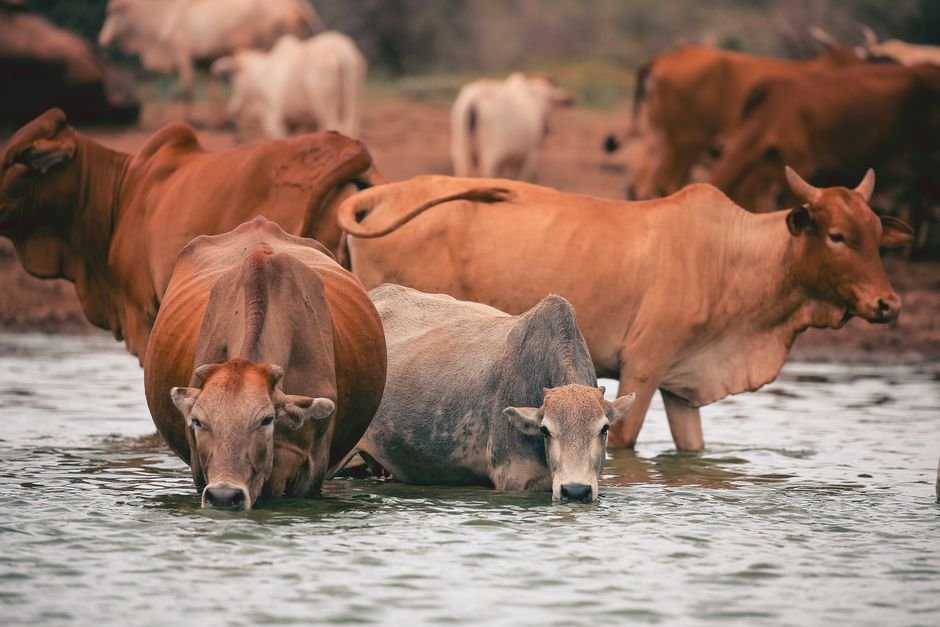
What is the best water tank for cattle?
The best water tank for cattle is a heavy-duty, freeze-resistant livestock trough that matches your herd size, water source, and climate. For most farms, a large polyethylene or fiberglass tank with a smooth interior, high refill rate, and insulated or heated option is the safest, easiest-to-maintain choice. If cattle can push, rub, or step on it, choose a reinforced tank or a metal trough built for livestock use.
What matters most when choosing a cattle water tank
Cattle drink a lot, and water access affects both intake and performance. A mature cow often needs roughly 10 to 20 gallons per day, and more in hot weather, while lactating dairy cows can need substantially more. That means the “best” tank is not just the toughest one; it is the one that delivers enough clean water fast enough for the number of animals using it.
Three details matter most: capacity, durability, and refill rate. Capacity keeps the tank from running empty between fills. Durability protects it from hooves, horns, and ultraviolet sun damage. Refill rate matters because cattle prefer fresh water and can crowd a slow tank, especially after grazing or feeding. If water delivery is too slow, even a large tank can become a bottleneck.
Best tank types for cattle, compared
| Tank type | Best for | Strengths | Watch-outs |
|---|---|---|---|
| Polyethylene stock tank | Most beef herds and general use | Lightweight, affordable, rust-free, easy to clean | Can crack in severe cold or if cattle abuse it |
| Fiberglass trough | Long-term farm installations | Durable, smooth interior, good insulation options | Usually costs more than plastic |
| Galvanized steel trough | Rugged outdoor use | Strong, chew-resistant, familiar farm standard | Can rust over time and get hot in summer sun |
| Concrete tank or permanent waterer | Fixed locations with heavy use | Very stable, hard to tip, long service life | Expensive to install; harder to relocate or repair |
| Heated winter waterer | Cold climates | Helps prevent freezing, reduces labor, supports winter intake | Needs power, wiring, and regular safety checks |
The best choice by herd size
For small herds of 5 to 15 head, a 100- to 150-gallon stock tank is often enough if it refills quickly. For medium groups of 15 to 30 head, a 150- to 300-gallon trough gives better buffer time and reduces crowding. Larger herds usually do better with multiple tanks or a permanent waterer rather than one oversized container, because cattle naturally bunch up around one access point.
If you keep dairy cows, think beyond gallons alone. A high-producing cow may drink multiple times per day, and water access directly affects feed intake. In that setting, a wider tank with more drinking space is often better than a deeper one. Beef cattle on pasture are usually easier to serve, but they still benefit from a tank that stays full and clean instead of one that just barely meets demand.
Material differences that actually matter on a farm
Polyethylene is popular because it is light, inexpensive, and resistant to corrosion. It works well for many pasture setups, but it can become brittle in extreme cold and may not survive repeated abuse from a dominant bull or an itchy cow. Fiberglass tends to hold up better over time and often has a smoother surface that is easier to scrub clean. Galvanized steel remains a solid choice where impact resistance matters, though rust and hot-sun heating are real concerns.
For more on this, see our related guide: 34. Round Bale Feeder: Which Type Wastes the Least Hay and Saves You Money?.
Concrete is the most permanent option, and in a fixed barnyard or feedlot it can make sense because it will not tip, blow over, or slide easily. The downside is flexibility: once it is installed, it is there for a long time. For many farms, the best compromise is a reinforced polyethylene or fiberglass tank with a protective frame or stand, especially if the herd is large or rough on equipment.
Features worth paying for
- Rounded, smooth edges: lowers the chance of cuts and makes cleaning easier.
- Large drain plug or outlet: speeds up cleaning and winterizing.
- Float valve compatibility: helps keep water level steady without constant monitoring.
- Insulation or heat option: important in freezing weather.
- UV resistance: helps plastic tanks last longer in full sun.
- Anti-tip design: useful if calves, horned cattle, or bulls use the tank.
One feature many buyers overlook is ease of cleaning. Algae, manure splash, and mineral buildup reduce water quality quickly, especially in warm weather. A tank that looks sturdy but is hard to empty will cost you more time in the long run than a slightly pricier model with a proper drain and accessible interior. If you can rinse it with a hose and scrub it without climbing into a bad position, you are more likely to keep it clean on schedule.

When a heated tank is the best water tank for cattle
In cold regions, a heated water tank or trough is often the best answer because ice is the enemy of intake. Cattle will keep drinking if water is available, but frozen surfaces can reduce consumption fast. A heated unit, float-heated waterer, or insulated tank with a safe heating element helps keep water open and reduces the daily work of breaking ice. For winter grazing or pasture calving, that convenience can be worth the extra electrical setup.
Safety matters here. Any heated unit should be installed according to the manufacturer’s instructions and checked regularly for damaged cords, loose outlets, or grounding issues. If you are using electricity around wet livestock areas, choose equipment designed for agricultural use and protect wiring from chewing, abrasion, and standing water. In cold climates, the “best” tank is often the one that stays functional every day, not the one with the biggest advertised capacity.
How to size a tank for your herd
A useful rule is to size for peak demand, not average demand. Hot weather, lactation, and high dry-matter intake all increase water use. If a tank serves a group that drinks heavily at the same time, the refill system has to keep up with that surge. A large tank with a slow float valve can still run low during a hot afternoon, while a smaller tank with a fast refill may perform better than expected.
If you’re also looking into this, our article on How Many Cows Can You Raise Per Acre in North Carolina? Pasture and Hay Breakdown covers it in more detail.
If you are unsure, start with the number of cattle, their class, and the water source. Then ask whether the tank must serve one group or several, whether it sits in shade, and whether freezing is a problem. A tank for wintering beef cows on pasture is a different purchase from one for dairy heifers in a lane or barnyard. Matching the tank to the use case is more important than choosing the biggest model on the shelf.
Installation mistakes that shorten tank life
Even the best water tank for cattle will fail early if it is set up poorly. Placing it on uneven ground can twist the base and cause cracking. Putting it where cattle must climb through mud to reach it encourages contamination. Locating it too far from the herd’s normal path can reduce use, while placing it in a low spot can invite runoff, manure, and standing water.
Use a level, well-drained pad if possible. Keep the tank accessible for cleaning and filling, and protect pipes or hoses from hoof traffic. If cattle are aggressive around water, consider a fence line placement or a protective frame. In many cases, the tank itself is not the weak point; the installation is.

Best water tank recommendations by situation
| Situation | Best choice | Why it fits |
|---|---|---|
| Small beef herd on pasture | Polyethylene stock tank | Affordable, easy to move, simple to clean |
| Large herd with rough cattle | Reinforced fiberglass or galvanized trough | Better impact resistance and longer service life |
| Freezing winter climate | Heated insulated waterer | Prevents ice and supports steady intake |
| Permanent barnyard or feedlot | Concrete or fixed permanent waterer | Stable and built for heavy daily use |
| Dairy operation | Wide, high-capacity trough with fast refill | Supports frequent drinking and higher demand |
Bottom line: the best water tank is the one cattle can use every day
If you want one simple answer, choose a durable, easy-to-clean stock tank with enough capacity for your herd and a refill system that keeps pace with demand. For many farms, that means a reinforced polyethylene or fiberglass trough. In cold climates, a heated model is usually the better buy. In permanent installations, galvanized steel or concrete can be the stronger long-term option. The best tank is not the fanciest one; it is the one that stays full, safe, and clean with the least hassle.
Frequently Asked Questions
How many gallons does a cow need per day?
A mature cow often needs about 10 to 20 gallons of water per day, and more in hot weather or when producing milk. Lactating dairy cows can need substantially more than beef cows. Because demand changes with temperature, feed, and stage of production, it is smart to size the tank above the bare minimum.
This ties in closely with How Many Cows Per Acre in Missouri? Stocking Rates for Different Pasture Types Explained, worth a look if you want to go deeper.
Are plastic stock tanks good for cattle?
Yes, plastic stock tanks are a common choice for cattle because they are light, affordable, and easy to move. Look for heavy-duty polyethylene with UV resistance and a design that resists tipping or cracking. They are especially practical for smaller herds or temporary setups, but they may not be the best fit for rough bulls or extreme cold.
What is the best water tank for cattle in winter?
In winter, the best option is usually a heated insulated waterer or trough designed to prevent freezing. If electricity is available, that setup reduces ice problems and helps cattle keep drinking normally. In very cold areas, the quality of the heating system and insulation matters as much as the tank material itself.
How often should a cattle water tank be cleaned?
Clean it as often as needed to keep water fresh, and check it regularly for algae, manure, and sediment. In warm weather or dusty conditions, that may mean more frequent cleaning. A tank with a drain plug or easy-empty design makes this job much faster and more likely to happen on schedule.
Should I choose one big tank or several smaller ones?
For many herds, several watering points work better than one oversized tank because cattle crowd less and water access is more consistent. Multiple tanks also provide backup if one unit needs cleaning or repair. One big tank can work well if the refill rate is strong and the herd is not too large for the access area.