
Understanding Hay Waste in Round Bale Feeding
Hay is often the largest expense on cattle farms, and round bale feeders play a critical role in preserving this valuable resource. However, not all round bale feeders are created equal when it comes to reducing hay waste. The design, material, and placement of feeders can influence how much hay is lost during feeding periods. This article examines the main types of round bale feeders and identifies which design wastes the least hay, helping producers maximize feed efficiency and reduce costs.
Beyond just the cost implications, minimizing hay waste has environmental and operational benefits as well. Efficient use of hay reduces the need for additional harvesting and transportation, thereby lowering fuel consumption and greenhouse gas emissions. Furthermore, less waste means cleaner feeding areas, reducing the risk of animal health issues related to spoiled feed and unsanitary conditions. Understanding the nuances of feeder design and management can transform a farm’s feeding strategy into a more sustainable and profitable endeavor.
Common Causes of Hay Waste in Round Bale Feeding
Before diving into feeder types, it is important to understand how hay waste occurs when feeding round bales:
- Trampling: Cattle can stand on hay outside the feeder, crushing and ruining it. This is especially problematic in muddy or wet conditions, where the hay becomes saturated and unusable. Studies have shown that trampling can cause up to 30% of hay loss if no protective measures are in place.
- Pulling and Tossing: Animals often pull hay out of the feeder and drop it on the ground, either due to feeding behavior or competition. This not only leads to waste but also attracts pests and increases the risk of mold development.
- Moisture Exposure: Hay left on wet ground can rot quickly, increasing waste. Moisture exposure also promotes fungal growth, which can produce mycotoxins harmful to livestock health. Keeping hay elevated and protected significantly reduces this risk.
- Wind Loss: Loose hay pulled from the bale can be blown away if not contained. This is particularly common in open pastures or during windy seasons, where light hay particles are easily dispersed. Windbreaks or feeders with barriers help mitigate this loss.
- Overconsumption: Poor feeder design can lead to uneven access, causing aggressive animals to waste hay by pulling out more than they consume. This often results in dominant cattle monopolizing the feeder, increasing competition and stress in the herd.
Understanding these causes is vital for choosing the right feeder design and implementing effective management techniques that reduce waste and improve overall feeding efficiency.
Main Types of Round Bale Feeders
Round bale feeders come in several styles, each with unique features affecting hay waste:
1. Ring-Style Feeders (Open Round Bale Rings)
These are simple metal or plastic rings that surround the bale, preventing cattle from trampling hay on the outer edges. Their open design allows easy access, but hay can still be pulled out and dropped. Because they lack barriers controlling access or hay containment, ring-style feeders tend to have higher waste rates, especially in high-traffic or windy environments. However, their simplicity means they require minimal maintenance and have a lower upfront cost, making them a popular choice for smaller or budget-conscious operations. Additionally, they are easily scalable, allowing multiple rings to be used simultaneously for large herds.
2. Hay Feeders with Vertical Bars or Slats
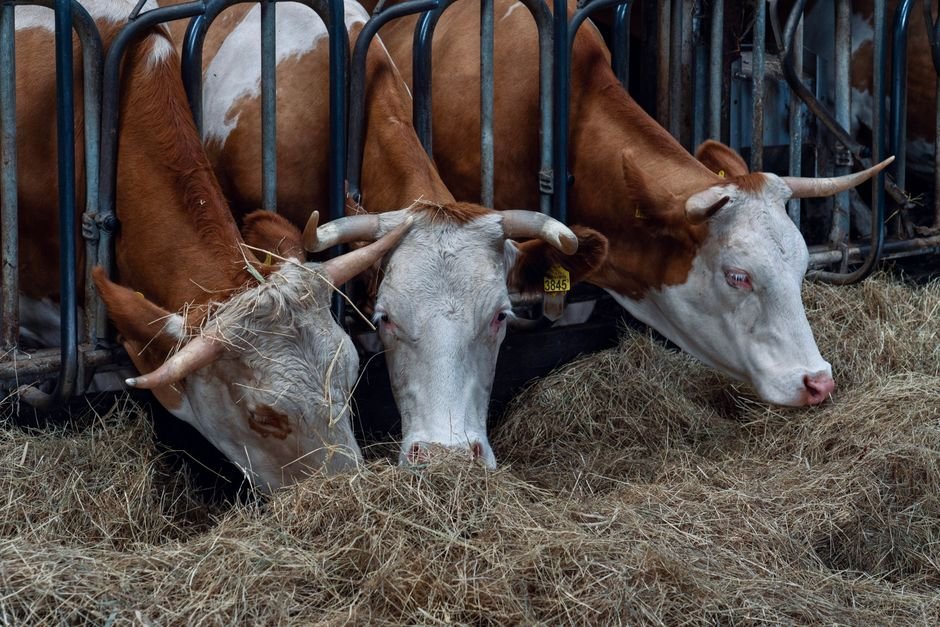
Feeders with vertical bars spaced to restrict the amount of hay cattle can pull out reduce wastage by controlling intake. They also reduce trampling by keeping animals outside the feeder perimeter. The spacing between bars is critical; too wide and animals can pull excessive hay, too narrow and it may impede feeding or cause frustration. Properly designed vertical bar feeders channel cattle feeding behavior to minimize hay loss. Furthermore, these feeders encourage slower, more deliberate consumption, which can improve digestion and reduce stress among dominant animals. Many vertical bar feeders are constructed from heavy-duty steel, ensuring durability in harsh conditions.
For more on this, see our related guide: Essential Cattle Handling, Feeding, and Health Equipment for Every Herd.
3. Cone-Style Feeders
These feeders have a cone-shaped center that holds the bale upright and off the ground, minimizing spoilage from moisture. They often have a circular barrier to limit hay loss. The elevated bale position and cone shape also prevent cattle from trampling the hay underneath and reduce contact with soil, which is a major factor in spoilage. In addition to the primary benefits, cone feeders streamline bale replacement and reduce labor by allowing a single bale to be fed for longer periods with minimal maintenance. Some models include adjustable height features to accommodate different bale sizes and enhance feeding comfort.
4. Bale Feeders with Bottom Rings and Raised Floors
Raised-floor feeders keep bales off muddy or wet ground, reducing spoilage. The bottom rings keep cattle from stepping on hay, while slats or bars regulate hay access. These feeders typically feature durable steel or reinforced materials to withstand the weight of multiple cattle and harsh environmental conditions. By elevating the bale, these feeders also improve air circulation around the hay, reducing moisture buildup and mold growth. Many designs incorporate drainage holes or sloped floors to further keep the feeding area dry. This design is particularly effective in wet climates and during rainy seasons when ground conditions are poor.
5. Portable Plastic or Poly Feeders
Lightweight, often with smooth edges, these feeders reduce hay waste by limiting access and are easy to move to fresh grazing areas. Their portability allows producers to rotate feeding locations frequently, preventing pasture damage and manure buildup around feeder sites. Made from UV-resistant plastics, these feeders are less prone to rust or corrosion compared to metal feeders, which extends their usable life in harsh weather conditions. Additionally, the smooth surfaces reduce injury risk to cattle, and some models have modular components to customize feeder size and access points. These feeders are well-suited for rotational grazing systems where flexibility is essential.
Comparing Round Bale Feeders by Hay Waste Efficiency
Below is a comparison table based on hay waste reduction, ease of cleaning, cost, durability, and maintenance requirements.
| Feeder Type | Hay Waste Reduction | Durability | Cost | Maintenance | Additional Benefits |
|---|---|---|---|---|---|
| Ring-Style Feeders | Moderate (10-15% waste) | High (steel) | Low to Moderate | Low | Simple design, low initial cost, scalable |
| Vertical Bar Feeders | Low (5-10% waste) | High | Moderate | Moderate (bars may bend) | Controls intake, reduces aggressive waste, better herd management |
| Cone-Style Feeders | Very Low (3-7% waste) | High | High | Low | Keeps hay dry, minimal spoilage, labor-saving |
| Raised Floor with Bottom Rings | Very Low (3-6% waste) | High | High | Moderate | Prevents trampling, reduces spoilage, improved airflow |
| Portable Plastic Feeders | Low (5-10% waste) | Moderate | Moderate | Low | Easy to move, gentle on cattle, corrosion-resistant |
Case Study: Hay Waste Savings on a 50-Cow Farm
A 50-head cattle operation feeding approximately 25 round bales per month tested different feeders over a winter feeding period to track hay waste:
- Ring-Style Feeder: Estimated 15% hay loss, about 3.75 bales wasted monthly. This equated to roughly 187.5 pounds of wasted hay per month, assuming each bale weighs 500 pounds. The farm experienced increased labor trying to clean up wasted hay around feeders and had to purchase additional feed to compensate for losses.
- Vertical Bar Feeder: Reduced waste to 8%, saving about 1.9 bales monthly. The farm noted improved animal behavior with less aggressive hay pulling, creating a calmer feeding environment.
- Cone-Style Feeder with Raised Floor: Minimized waste to 4%, saving nearly 3.8 bales monthly compared to ring feeders. This design also reduced labor associated with cleaning and feeder maintenance, as less hay ended up on the ground and less moisture damage occurred.
Given a bale cost of $50, switching from ring feeders to cone-style raised feeders could save around $190 per month or $2,280 per feeding season. Over a five-year period, these savings could exceed $11,000, significantly offsetting the higher initial investment in improved feeders.
Additionally, the farm reported better cattle health and weight gain, attributing this to improved hay quality and reduced contamination from spoiled hay. They also observed less environmental impact as less hay entered the soil and water runoff systems.
If you’re also looking into this, our article on Mastering Cattle Behavior and Handling for Safer, More Efficient Farming covers it in more detail.
Additional Factors Affecting Hay Waste
Location and Ground Conditions
Placing feeders on well-drained, level ground reduces mud and spoilage. Avoid muddy or soft spots where hay can become trampled and ruined. In some cases, farms have installed gravel pads or concrete slabs beneath feeders to provide a stable surface that drains well and is easy to clean. According to extension service studies, well-drained feeder sites can reduce hay waste by up to 20% compared to feeders placed on poor ground.
Moreover, situating feeders away from water sources and natural drainage paths lessens contamination risks and preserves water quality. Shade considerations are also important; feeders placed in shaded areas reduce hay deterioration from sun exposure, maintaining nutritional value longer.
Feeding Management
Limiting the number of animals per feeder decreases competition and aggressive hay pulling. The commonly recommended ratio is one feeder opening per 6-8 head of cattle to ensure adequate access. Overcrowding leads to stress and excessive hay waste as dominant animals pull more hay than they consume.
Rotating feeding locations and cleaning feeders regularly also help reduce waste. Periodic movement prevents localized pasture damage and manure buildup, enhancing soil health and reducing disease risks. Cleaning feeders of old or contaminated hay discourages mold and pest infestations, preserving feed quality.
Supplementing round bale feeding with other forage or concentrates can also reduce waste by decreasing cattle frustration and aggressive feeding behavior.
Feeder Size and Bale Compatibility
Using feeders sized appropriately for your bale diameter prevents excess hay from spilling out or being inaccessible to cattle. Most round bale feeders are designed for standard 4- to 5-foot diameter bales, but farms utilizing larger or smaller bales should ensure feeder dimensions match their bale sizes. Incorrect sizing can cause gaps where hay escapes or force cattle to strain, increasing waste and potential injury.
This ties in closely with A Year of Raising Your First Cattle: From Arrival to Year-End Planning, worth a look if you want to go deeper.
Additionally, adjustable feeders that can accommodate different bale sizes increase operational flexibility and reduce the need to purchase specialized feeding equipment for varying bale dimensions. Choosing feeders with modular or customizable components can provide long-term cost savings.
Top Recommendation: Which Feeder Wastes the Least Hay?
Considering hay waste reduction, durability, and long-term costs, feeders that combine a raised floor with vertical bars or a cone-style bale holder consistently show the lowest hay wastage, often under 5%. These designs prevent trampling, reduce moisture spoilage, and control animal access effectively.
For instance, a well-constructed raised-floor feeder with vertical bars can reduce hay waste by up to 70% compared to basic ring feeders. Cone-style feeders excel in wetter climates due to their ability to keep hay off the ground and dry. Farms prioritizing animal welfare and feed efficiency benefit from these designs by promoting healthier feeding behaviors and reducing feed-related health issues.
While initial investment in these feeders is higher, the savings in hay over time justify the cost for most operations. In addition to direct hay savings, these feeders typically result in lower labor costs, fewer animal health problems, and improved herd performance. Farms focused on reducing feed expenses and improving pasture management will find these feeders deliver measurable benefits that outweigh the upfront expense.
Incorporating these feeders into an integrated feeding management plan — including proper feeder placement, feeding schedules, and herd management — can further enhance feed utilization and operational sustainability.
Summary: Key Takeaways
- Open ring-style feeders are economical but prone to higher hay waste (10-15%).
- Vertical bar feeders reduce waste by limiting hay access and minimizing trampling.
- Cone-style feeders with raised floors provide the best protection against spoilage and waste.
- Proper feeder placement and management practices, such as site preparation and herd feeding ratios, enhance the effectiveness of any feeder type.
- Investing in low-waste feeders can save thousands annually on hay costs for medium to large herds, along with added benefits like improved animal health and environmental sustainability.
- Feeder design should be matched to specific farm needs, bale sizes, and climate conditions for optimal results.