
Basic Handling and Restraint Tools
Halters and Lead Ropes
Halters and lead ropes are fundamental tools for managing cattle safely during routine handling and veterinary care. A quality halter should be durable, comfortable, and adjustable to fit the animal properly. Nylon halters are popular for their strength, resistance to UV rays and moisture, and often include padded nosebands to prevent chafing. Leather halters offer a more traditional feel, softening and shaping to the animal’s head over time, but they require regular cleaning and conditioning to stay supple and avoid cracking.
Lead ropes typically range from 6 to 10 feet, providing enough length for control while maintaining safety for both handler and animal. A 3/4-inch diameter nylon rope with a swivel snap hook is ideal, as the swivel prevents twisting and tangling during movement. For larger breeds like Charolais or Chianina, ropes with a 1-inch diameter and a breaking strength of at least 3,000 pounds offer extra security. Always inspect ropes regularly for fraying or damage and replace them promptly to avoid unexpected failures during use.
Cattle Squeeze Chutes and Head Gates
Squeeze chutes are invaluable for safely restraining cattle during vaccinations, ear tagging, and examinations. When selecting a chute, look for adjustable side panels that accommodate everything from young calves to mature bulls. A non-slip, textured floor helps prevent injuries and reduces stress. Most chutes are made from steel for strength and durability, often coated with powder finishes to resist rust and weather damage.
Head gates, usually integrated into squeeze chutes, hold the animal’s head steady to minimize movement during treatments. Manual head gates use hand-cranks or levers and are well-suited for smaller herds or limited budgets. Hydraulic head gates provide powered, smooth, and faster operation, making them ideal for larger or commercial operations. Regular maintenance for hydraulic systems includes checking fluid levels and seals to avoid leaks.
| Feature | Manual Head Gate | Hydraulic Head Gate |
|---|---|---|
| Cost | Lower ($500–$1,000) | Higher ($2,000 and up) |
| Operation | Hand-cranked or lever mechanism requiring physical effort | Powered, smooth, controlled motion |
| Maintenance | Minimal; periodic lubrication | Requires hydraulic fluid checks, seal replacements, more frequent servicing |
| Suitability | Small to medium herds (under 100 head) | Large herds, frequent or commercial use |
Feeding and Watering Supplies
Feed Bunks and Mineral Feeders
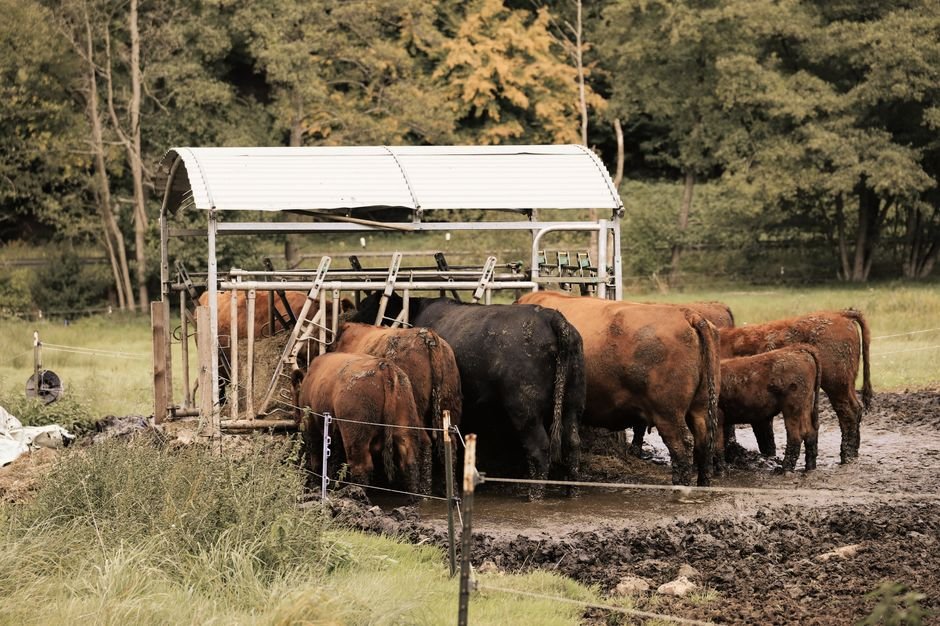
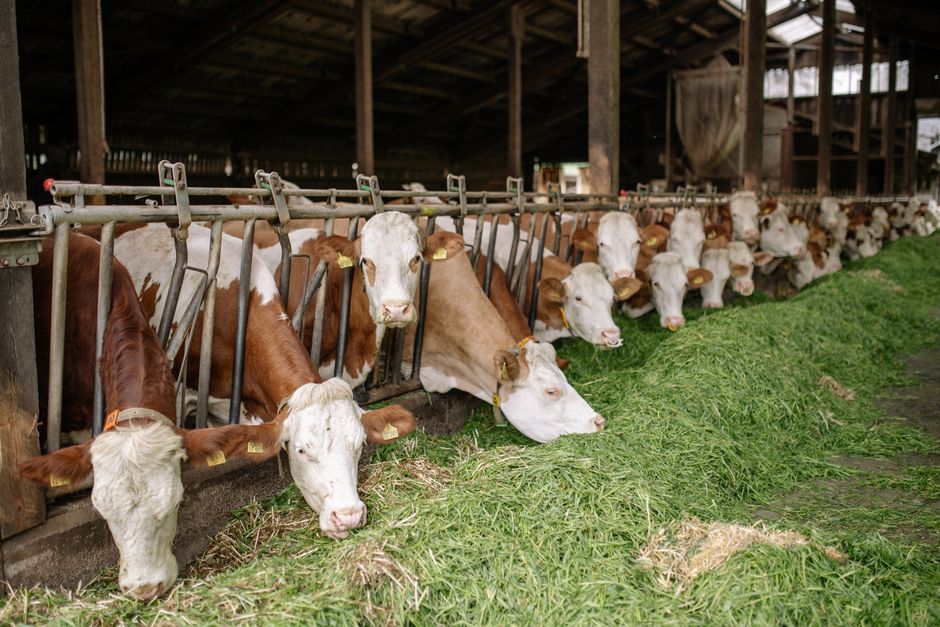
Proper feeding equipment helps ensure cattle get balanced nutrition while minimizing feed waste. Feed bunks typically range from 4 to 12 feet in length and are made from galvanized steel or reinforced concrete for durability outdoors. A 6-foot bunk generally provides 4 to 6 linear feet of feeding space, enough for about 4 to 6 adult cows, giving each animal 18 to 24 inches of space to reduce competition.
Edges should be rounded or smoothed to prevent injuries, and bunks should be raised 6 to 12 inches off the ground to keep feed cleaner by reducing contamination from dirt or manure.
Mineral feeders provide essential micronutrients like calcium, phosphorus, magnesium, and trace minerals. Free-choice tubs weigh 30 to 50 pounds and typically last 2 to 3 weeks for herds up to 20 cattle. Locked feeders restrict access to prevent overconsumption and keep out wildlife like deer or raccoons. Weather-resistant lids are a smart choice to protect minerals from moisture, preserving their effectiveness.
Automatic Waterers vs. Traditional Troughs
| Feature | Automatic Waterers | Traditional Troughs |
|---|---|---|
| Water Supply | Connected to pressurized, constant water source with float valve for automatic refill | Manually filled, requiring daily or multiple daily attention |
| Maintenance | Regular cleaning; float valve inspected every 1–2 weeks | Frequent cleaning to prevent algae; daily refilling needed |
| Cost | Initial cost $300–$700; saves labor over time | Lower initial cost ($50–$200); more labor-intensive |
| Water Quality | Constant water movement reduces bacterial growth | Standing water prone to dirt, manure, and algae buildup |
| Suitability | Best for large herds or areas with reliable plumbing | Ideal for small herds or remote locations without plumbing |
Shelter and Fencing Essentials
Types of Fencing Suitable for Cattle
Choosing the right fencing helps keep cattle contained safely while reducing injury risks. Common fencing types include:
- Barbed Wire: Four to five strands of galvanized wire with sharp barbs spaced every 4 to 6 inches. Vertical spacing between strands is 6 to 12 inches, with the top strand 48 to 60 inches above the ground. Barbed wire is affordable but can cause cuts if cattle press against it, so it needs regular inspection and repair.
- High-Tensile Wire: Made from spring-tempered steel, this wire withstands high tension without breaking. Electric fencing often uses 3 to 4 strands spaced at 16–18 inches, 30–36 inches, 42–48 inches, and sometimes a fourth at 54 inches. It requires fewer posts (50 to 100 feet apart), reducing installation costs, and contains cattle effectively without injury.
- Woven Wire: Also called field fencing, this mesh has horizontal and vertical wires woven into grids with 2 to 4-inch openings near the bottom to prevent calves from escaping. Typically 48 inches tall, it’s more labor- and material-intensive but offers excellent containment and safety for mixed-age herds.
- Wood or Pipe Fencing: Constructed from treated lumber or galvanized steel pipe, these fences are sturdy and highly visible, reducing stress for cattle. Commonly used in corrals, loading areas, and small pastures, they demand higher upfront costs and ongoing maintenance such as painting or rust prevention.
Shelter Options to Protect from Weather
Cattle need shelter from harsh weather to stay healthy and maintain productivity. Typical shelter types include:
- Three-Sided Sheds: Offer wind protection on three sides while keeping an open front for ventilation. Sizes vary, starting around 12 by 12 feet for small groups, with about 20 to 25 square feet allotted per animal. Construction includes metal roofing and wood or steel frames.
- Natural Shelter: Trees, hillsides, or dense brush provide shade in summer and windbreaks in winter. While budget-friendly, natural shelter depends on location and may not fully protect during severe storms or extreme cold.
- Barns or Enclosed Shelters: Fully enclosed buildings with insulated walls, ventilation, and drainage are common in colder climates or for calving. These structures shield cattle from wind, rain, snow, and temperature swings but require significant investment. They improve animal welfare and reduce disease risks.
Proper shelter sizing and placement, combined with secure fencing, help reduce stress and protect cattle from environmental hazards, promoting better health and productivity.
Health and Veterinary Equipment
First Aid Kits for Cattle
Having a well-stocked first aid kit is vital for treating minor injuries and preventing infections. Essential items include:
- Antiseptic Solutions: Iodine tincture (7% povidone-iodine) or chlorhexidine gluconate (2-4%) to disinfect wounds effectively.
- Sterile Gauze and Bandages: Various sizes (4×4 inch, 6×6 inch) for covering wounds and abrasions.
- Veterinary-Approved Wound Sprays or Ointments: Formulations containing fly repellents like permethrin or pyrethrin to prevent fly strike on open wounds.
- Elastic Cohesive Bandages: Non-adhesive wraps that secure dressings without sticking to hair or skin.
- Digital or Rectal Thermometer: Precise temperature measurement helps detect early signs of illness.
- Scissors and Tweezers: Heavy-duty, rust-resistant scissors for cutting bandages and fine tweezers for removing thorns or splinters.
- Disposable Nitrile Gloves: Protect handlers and animals during treatment and prevent contamination.
- Sterile Saline Solution: For flushing wounds and cleaning eyes.
Livestock stores often offer pre-assembled cattle first aid kits suited to different herd sizes and environments. You can also customize your kit based on regional risks, such as specific parasites or common injuries.
Tools for Vaccination and Deworming
Using the right tools makes vaccination and deworming safer and more efficient, reducing stress for both cattle and handlers:
| Tool | Purpose | Key Features | Example Products |
|---|---|---|---|
| Automatic Syringes | Speed up vaccine administration for multiple animals | Adjustable doses (1–10 ml), durable frame, stainless steel needles | Auto Syringe Model 550, Ritchie Auto Syringe |
| Needles | Deliver intramuscular or subcutaneous injections | Sterile, disposable; 16–18 gauge, 1 to 1.5 inches long for neck muscles | 18G x 1½” hypodermic needles |
| Dewormer Injector Guns | Administer oral or injectable dewormers precisely | Calibrated dosing, easy to clean, sturdy materials | Powder River Injector Gun, Tekna Dosatron |
| Oral Drencher | Deliver oral dewormers or supplements | Flexible, smooth nozzle; 24–30 inch tube to reach esophagus safely | JorVet Drencher, Cattle Oral Drench Gun |
Regularly inspect needles for sharpness and cleanliness. Keep syringes and injectors clean and functioning well, replacing worn parts as needed. Proper training in injection sites, dosages, and administration techniques is crucial for effective treatment and minimizing animal discomfort.
Cleaning and Maintenance Gear
Manure Management Tools
Good manure management supports hygiene, reduces parasite exposure, and improves herd health by limiting respiratory irritants. Important tools include:
- Manure Forks: Heavy-duty forks with 10 to 12-inch rust-resistant tines made of high-carbon steel. Handles are often treated hardwood or fiberglass for durability and reduced fatigue.
- Wheelbarrows or Manure Carts: Small to medium operations use wheelbarrows with pneumatic tires and about 6 cubic feet capacity. Larger farms benefit from 6 to 10 cubic foot manure carts with hitch points for ATVs or tractors, improving efficiency.
- Mechanical Scrapers: Hydraulic or cable-driven scrapers efficiently clear manure from concrete alleys and pens, keeping areas clean and reducing harmful ammonia buildup.
Equipment for Regular Facility Cleaning
Routine cleaning of barns, feeding zones, and waterers minimizes disease risk and boosts animal comfort. Recommended tools include:
- High-Pressure Washers: Machines with at least 2,000 PSI effectively remove dried manure, mud, and algae from concrete and feeding equipment.
- Brooms and Scrub Brushes: Stiff push brooms handle daily sweeping, while heavy-duty long-handled scrub brushes are ideal for corners, gutters, and confined spaces like milking parlors or calf pens.
- Drainage Tools: Floor squeegees with wide rubber blades (24 to 36 inches) help channel water and slurry toward drains, preventing pooling that causes muddy, unsanitary conditions.
Record-Keeping and Identification Tools
Ear Tags and RFID Technology
Accurate animal identification is key for herd management, health tracking, and compliance. Plastic ear tags remain the most common method. They typically measure 1.5 to 2 inches, come in bright colors like yellow, red, or white, and are made from durable polyethylene to resist weather and rough use. Tags cost roughly $0.30 to $1.00 each and require an applicator tool for correct placement on the ear’s middle cartilage. Tags may tear or be lost during fence rubbing or harsh environmental conditions.
RFID (Radio Frequency Identification) ear tags embed a microchip that sends a unique ID to compatible readers. Though pricier—$3 to $6 each—they speed up inspections and reduce errors by:
- Allowing quick and accurate scanning to minimize handling time
- Integrating directly with herd management software for automated updates
- Reducing human reading mistakes
- Being weatherproof and resistant to mud, moisture, and physical damage
For herds larger than 50 head, RFID systems often pay off by improving efficiency and accuracy. Smaller herds may find traditional tags more cost-effective and easier to manage.
Digital or Paper-Based Record Systems
Keeping detailed records of health events, breeding, vaccinations, treatments, and growth is crucial. Whether you choose paper or digital depends on herd size, tech comfort, and preferences.
| Feature | Paper-Based Records | Digital Record Systems |
|---|---|---|
| Cost | Low; notebooks and printouts under $20 yearly | Varies; apps may be free or up to $50/month depending on features |
| Accessibility | Requires physical presence; sharing needs copying or transfer | Accessible remotely via smartphones, tablets, or computers; multi-user access |
| Data Management | Manual entry prone to errors, loss, or damage | Automated entry, search, and secure backups reduce data loss risks |
| Integration | Limited manual cross-referencing | Syncs with RFID readers, scales, and other tools for comprehensive management |
For small herds under 20 animals, organized paper records may suffice. But as herds grow or management becomes more complex, digital platforms like CattleMax, AgriWebb, or Farmbrite offer powerful tools to streamline health monitoring, reporting, and decision-making.