
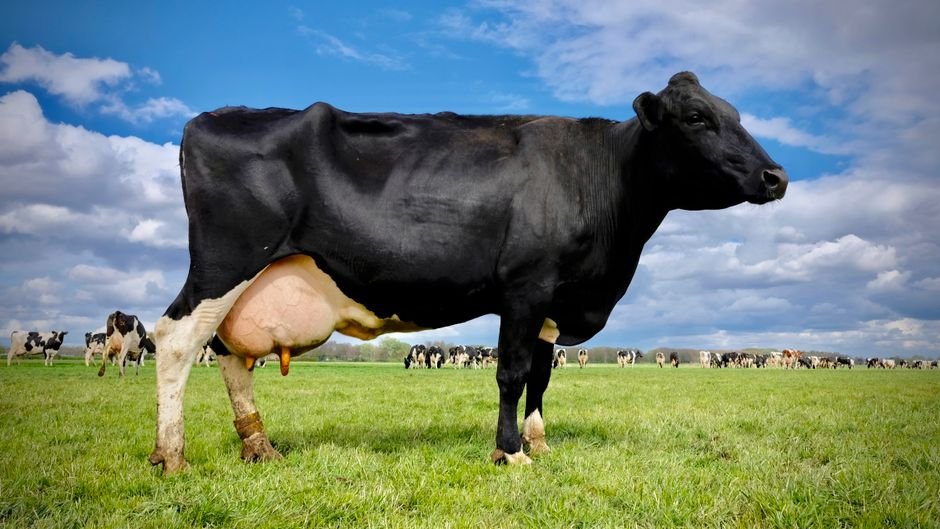
In ancient Egypt, cattle were far more than livestock: they supplied milk, meat, hides, manure, traction for plows and carts, and wealth measured by the size of a herd. They also carried religious meaning, appearing in temple ritual, royal imagery, and the worship of deities such as Hathor and Apis. In short, cattle helped feed the population, power agriculture, and express status and sacred authority.
Cattle as the backbone of Egyptian farming
Egypt’s agriculture depended on predictable flooding and careful labor, and cattle made that system work. Oxen pulled wooden plows through heavy soil after the Nile flood receded, helping farmers prepare fields for emmer wheat, barley, flax, and vegetables. They also hauled harvests and water, reducing the amount of human labor required on large estates and temple lands. Even where donkeys were useful for transport, cattle were the main draft animals for fieldwork because of their strength and endurance.
Cattle manure had practical value too. It was used as fuel and as a soil amendment, especially in a landscape where wood was limited. Egyptian farmers understood the economy of the herd: an animal could provide labor while alive, and afterward still yield meat, leather, bones, and dung. That is one reason cattle were treated as a core asset rather than a simple source of food.
Milk, meat, and daily food security
Cattle were a reliable source of nutrition in a society where grain was the staple but animal protein was valuable. Milk from cows could be consumed fresh or processed into cheese and other dairy foods. Beef was less common in the diet of ordinary households than bread, beer, onions, and legumes, but it was important at feasts, temple offerings, elite banquets, and special occasions. Slaughtering cattle required resources, so beef signaled abundance as well as nourishment.
Herd management also supported food security. A household or estate with cattle could buffer itself against poor harvests because livestock represented portable wealth. The animals reproduced, expanded the herd, and could be sold, traded, or offered. This made cattle especially important in an economy where grain stores, labor obligations, and taxes all depended on agricultural surplus.
Wealth, taxes, and state control
Cattle were one of the clearest signs of wealth in ancient Egypt because they were easy to count and hard to hide in large numbers. Tomb scenes and administrative records show officials recording herds, inspecting animals, and collecting dues. The state and temples used cattle as taxable property, and tribute from conquered regions could include livestock. In that sense, cattle were not only farm animals but also part of the machinery of government.
Rural households, estates, and temple institutions all competed for cattle because they represented both status and productive power. Wealthy landowners could maintain larger herds and use them to support estate labor, while smaller farmers might keep only a few animals. A large herd signaled prosperity in the same way that granaries, jewelry, and fine linen did. Cattle ownership was therefore tied to both economic survival and social rank.
| Role of cattle | What cattle provided | Why it mattered in ancient Egypt |
|---|---|---|
| Draft power | Oxen for plowing and hauling | Helped produce crops and move goods with less human labor |
| Food supply | Milk, beef, and dairy products | Supported nutrition and feast culture |
| Material resources | Hides, bones, horns, dung | Used for leather goods, tools, fuel, and fertilizer |
| Wealth storage | Breeding stock and sale value | Functioned as movable wealth and taxable property |
| Religious symbolism | Sacred associations with gods | Linked cattle to fertility, kingship, and temple ritual |
Cattle in religion and sacred imagery
Cattle had a strong place in Egyptian religion, especially through goddesses and sacred bulls. Hathor, often shown with cow ears or as a cow, was connected with motherhood, fertility, music, joy, and protection. Her imagery reflects how Egyptians linked cattle with nourishment and life-giving power. In another major cult, the Apis bull of Memphis was treated as a living sacred animal and associated with divine presence and royal legitimacy.

For more on this, see our related guide: 24 Best Cattle Breeds for Beginners: Calm, Hardy, and Easy to Manage.
The sacred status of cattle did not mean every cow or bull was worshipped, but it did mean that the animal carried symbolic force. Bulls could stand for virility, strength, and kingship, while cows evoked nourishment and maternal care. Temple ceremonies, offerings, and religious art repeatedly used bovine imagery to communicate ideas about abundance and cosmic order. Cattle were therefore present not just in fields and markets, but in the symbolic language of Egyptian religion.
Cattle in tomb art and elite display
Egyptian tombs often show cattle in scenes of estate management, herding, milking, and counting. These images were not random decoration; they were statements about the deceased’s wealth, order, and ability to provide for the afterlife. A tomb owner who could command cattle in life was shown as someone with resources, servants, and agricultural authority. Herd scenes also reinforced the idea that a well-managed estate mirrored an ideal, orderly world.
Because tomb art was meant to secure eternal provision, cattle appeared as a practical and symbolic guarantee. They were part of the food supply for the dead, but also a sign that the deceased had belonged to the elite class. In this way, cattle connected daily economy with funerary belief. What sustained the living household also sustained the dead household in the next world.
How Egyptians used the whole animal
Ancient Egyptians used cattle efficiently, with little waste. Hides were turned into leather for sandals, bags, straps, and covers. Horns and bones could be shaped into tools, inlays, or small implements. Tallow and fat had uses in cooking and craft work. Even dung had value as fuel and fertilizer, especially in regions where wood was scarce and carefully conserved.
This full use of the animal helps explain why cattle mattered so much across Egyptian society. A herd was not just a food reserve; it was a source of labor, materials, and byproducts. The usefulness of cattle extended from field to workshop, from household to temple. That versatility made them one of the most economically important animals in the ancient Nile Valley.
Why cattle mattered so much in ancient Egypt
Cattle mattered because they sat at the intersection of survival, status, and belief. They helped farmers cultivate land, gave households milk and meat, supplied materials for everyday life, and served as visible wealth. At the same time, they carried divine associations that made them central to temples, rituals, and royal symbolism. Few animals in ancient Egypt had such a wide range of practical and cultural importance.
If you’re also looking into this, our article on The Benefits of Owning Land and Acreage for Cattle Farming covers it in more detail.

When you look at cattle in ancient Egypt, you are really looking at one of the foundations of the civilization itself. Their value was not limited to a single task. Cattle helped people eat, work, trade, worship, and display power. That combination is why they appear so often in Egyptian art, records, and religion, and why they remain such an important part of understanding ancient Egyptian life.
Frequently Asked Questions
Were cattle common in ancient Egypt?
Yes. Cattle were a familiar and highly valued part of Egyptian agriculture, especially on estates, temple lands, and larger farms. They were not just background animals; they were counted, managed, taxed, and represented in tomb art and official records.
Did ancient Egyptians eat beef often?
Beef was not the everyday staple for most people. Bread and beer were more common. Beef was usually reserved for feasts, offerings, elite households, and special occasions because slaughtering cattle was a significant expense and a sign of wealth.
What was the most important use of cattle in ancient Egypt?
Draft power was one of the most important uses because oxen helped plow fields and move heavy loads. That said, cattle were valuable for many reasons at once: milk, meat, hides, manure, breeding, and social status all mattered.
Why were cattle sacred in ancient Egypt?
Cattle were associated with fertility, motherhood, strength, and abundance. Goddesses like Hathor were linked to cows, and sacred bulls such as Apis were treated as divine manifestations. These associations made cattle important in both religious imagery and ritual practice.
How did cattle affect Egyptian wealth and taxes?
Cattle functioned as movable wealth and were easy for officials to count in censuses and inspections. Because of that, herds could be taxed, recorded, and used as tribute, making cattle a practical tool of state administration as well as a private asset.