
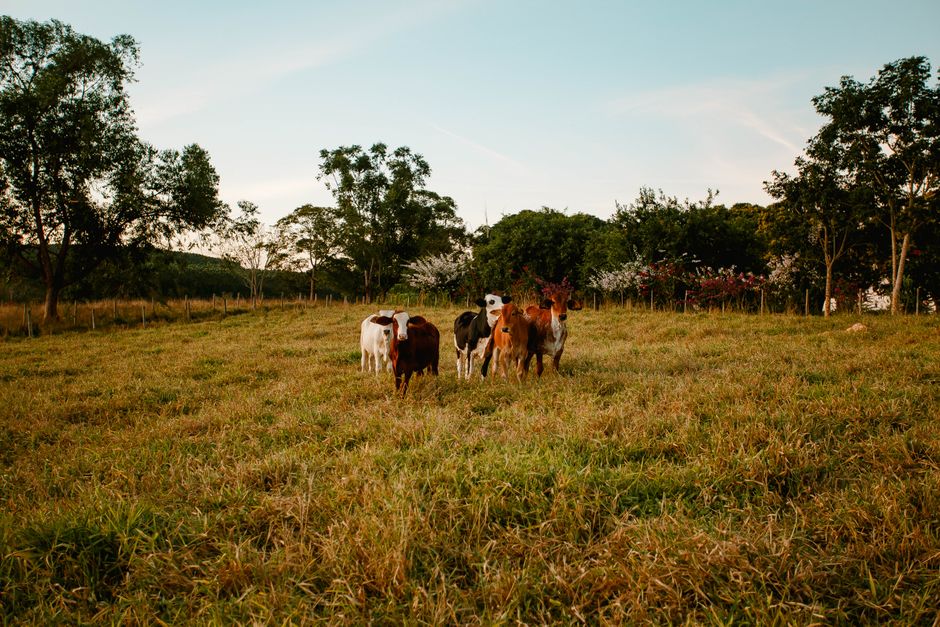
Introduction to Land and Acreage Ownership in Cattle Farming
Owning land and acreage is a cornerstone for many successful cattle farmers. Whether you are a small-scale rancher or operate a large commercial cattle operation, having dedicated land offers numerous advantages that contribute to both the profitability and sustainability of your livestock business. This article explores the specific benefits land ownership brings to cattle farming, using real-world examples and data to highlight its critical role.
1. Control Over Grazing and Pasture Management
One of the primary benefits of owning land is the ability to manage grazing practices effectively. Grazing management influences cattle health, pasture quality, and overall farm productivity.
- Rotational Grazing: Landowners can implement rotational grazing strategies, moving cattle between different pasture sections to prevent overgrazing and encourage regrowth. Studies show that rotational grazing can increase forage growth by up to 30% compared to continuous grazing. Additionally, rotational grazing can improve root depth and density in pasture plants, enhancing drought resilience. Farms practicing rotation often see improved soil organic matter levels over time, which further benefits pasture productivity.
- Improved Forage Quality: Ownership allows a farmer to customize the pasture composition, selecting grasses and legumes best suited for cattle nutrition and local climate conditions. For example, in the Midwest U.S., farmers often seed alfalfa and clover to improve protein content in feed. In the Southeast, incorporation of warm-season grasses like bermudagrass and bahiagrass helps extend grazing seasons. Moreover, landowners can experiment with novel forage species such as chicory or plantain, which have been shown to improve digestibility and mineral content in cattle diets.
- Soil Health Maintenance: Landowners can invest in soil testing, fertilization, and erosion control to maintain or improve soil quality, directly impacting pasture productivity. Healthy soils lead to better forage yields and reduce the need for supplemental feed. Beyond fertilizers, best practices include the use of cover crops during off-season periods to prevent nutrient loss and improve soil structure. Integration of livestock with managed grazing on cover crops can also accelerate nutrient cycling and increase pasture resilience.
Case Study: Pasture Management on Texas Ranches
Many ranches in Texas, such as those in the Hill Country region, have successfully increased cattle weights by over 10% annually through targeted pasture improvements on their acreage. These include reseeding native grasses and applying soil amendments to boost forage availability during dry seasons. One ranch near Fredericksburg introduced a multi-species seeding approach, which combined little bluestem, switchgrass, and native legumes, resulting in a 25% increase in forage diversity and a 15% reduction in supplemental feed costs. Furthermore, they adopted water distribution systems that allowed cattle to graze more evenly across their land, reducing pasture degradation in high-traffic areas.
2. Enhanced Cattle Welfare and Productivity
Having sufficient land acreage directly impacts cattle welfare, which in turn affects productivity metrics like weight gain, reproduction rates, and disease resistance.

- Reduced Stress and Improved Health: Open spaces reduce crowding, which lowers stress and the spread of infectious diseases. The University of Nebraska reported a 15% lower incidence of respiratory diseases in cattle on larger pastures compared to confined feedlots. In addition, stress reduction improves immune function, leading to fewer veterinary interventions and reduced antibiotic use, which is increasingly important for sustainable and organic beef production systems.
- Natural Behaviors and Exercise: Adequate acreage allows cattle to exhibit natural grazing behaviors and move freely, improving muscle development and overall fitness. This exercise not only enhances meat quality by increasing lean muscle mass and reducing fat deposition but also improves hoof and joint health, preventing lameness that can impact weight gain and breeding success.
- Better Breeding Outcomes: Cattle with access to diverse forage and space tend to have higher conception rates and healthier calves. A study from Colorado State University noted a 5-8% improvement in calving intervals on farms with adequate grazing land. Furthermore, improved nutrition from diverse pastures contributes to higher birth weights and calf vigor, resulting in better survival rates and growth trajectories. Some ranchers report that cows on well-managed land require fewer hormonal treatments to maintain optimal reproductive cycles.
3. Financial Benefits and Asset Appreciation
Owning land is not only beneficial for farming operations but also serves as a valuable financial asset.
- Stable Long-Term Investment: Land values tend to appreciate steadily. For example, USDA data indicates that U.S. farmland values increased by an average of 3-5% annually over the last decade, making it a reliable store of wealth. This appreciation can be even higher in regions experiencing urban expansion or increased demand for local food production, providing farmers with options to leverage their land equity for further investments.
- Reduced Operational Costs: Landowners save on rental or lease fees, which can account for 10-15% of operational costs in rented pasture scenarios. Additionally, owning land allows for more predictable budgeting, as property taxes and maintenance expenses are typically less volatile than fluctuating lease rates. This financial stability enables better long-term business planning and access to credit based on tangible assets.
- Potential for Diversified Income: Acreage can be used for multiple revenue streams such as hay production, agro-tourism, or leasing for hunting rights. For instance, integrating managed hay meadows within pasture systems can produce additional income during periods when grazing demand is low. Agro-tourism opportunities like farm stays, cattle drives, or educational tours have gained popularity, especially in regions near urban centers. Hunting leases can also provide stable income during off grazing seasons, helping offset maintenance costs.
Comparison Table: Land Ownership vs. Leasing for Cattle Grazing
| Aspect | Land Ownership | Land Leasing |
|---|---|---|
| Annual Cost | Property taxes, maintenance, no lease fees | Regular lease payments, variable rates |
| Control Over Land Use | Full control – pasture management, improvements | Limited – subject to lease terms |
| Asset Appreciation | Yes – land value increases over time | No – payments with no asset accumulation |
| Flexibility | High – ability to adjust operations | Lower – dependent on lease renewal |
4. Environmental Stewardship and Sustainability
Owning and managing land responsibly allows cattle farmers to contribute positively to environmental conservation.
- Carbon Sequestration: Well-managed pastures act as carbon sinks. Research published in the Journal of Soil and Water Conservation estimates that properly grazed pasturelands can sequester between 0.3 to 1.0 metric tons of CO2 per acre annually. Advances in grazing management, such as adaptive multi-paddock grazing, further enhance this effect by mimicking natural herbivore patterns, which stimulate plant growth and soil microbial activity. Some farms participate in carbon credit programs, generating additional income by quantifying and selling their sequestration efforts.
- Water Resource Management: Landowners can implement water catchment and conservation systems, improving water availability for cattle and reducing runoff pollution. Techniques such as installing swales, ponds, and water troughs strategically placed across the property reduce erosion and allow for more even pasture utilization. In arid areas, rainwater harvesting systems and managed wetlands help store water during wet seasons, buffering cattle through drought periods.
- Biodiversity Support: Acreage can be maintained to preserve native plant species and wildlife habitats, enhancing ecological balance on the farm. Maintaining riparian buffers, hedgerows, and wildflower strips supports pollinators and beneficial insects, which contribute to pasture health. Studies show that farms incorporating wildlife corridors experience fewer pest outbreaks and improved nutrient cycling, reducing reliance on chemical inputs.
Example: Regenerative Grazing on New Zealand Farms
New Zealand cattle farmers have pioneered regenerative grazing techniques, which enhance soil carbon storage, improve pasture resilience, and increase biodiversity. Farms practicing these methods have reported up to 20% increases in pasture yield while reducing chemical inputs. One notable example is the Pure Advantage farm near Waikato, which integrates holistic planned grazing with native tree planting, resulting in improved soil moisture retention, higher native bird populations, and a reduction in synthetic fertilizer use by over 40%. These improvements have also made the farms more resistant to climate variability, securing productivity during drought years.
5. Greater Operational Flexibility and Expansion Opportunities
Land ownership provides the freedom to expand and diversify farming operations without the constraints often faced by renters or leaseholders.
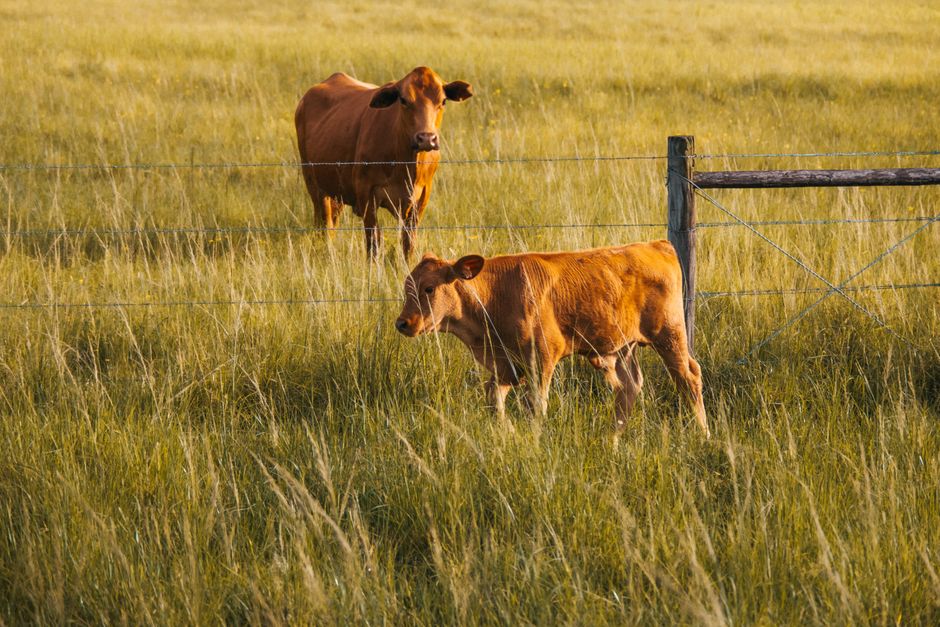
- Infrastructure Development: Owners can build permanent structures like barns, fencing, water systems, and handling facilities tailored to their cattle operation needs. For example, installing cross-fencing allows better pasture rotation, while dedicated calving sheds improve calf survival rates. Landowners can also invest in renewable energy installations such as solar-powered water pumps or electric fencing, reducing long-term operational costs.
- Business Diversification: Additional acreage allows for complementary enterprises such as crop production, organic farms, or agroforestry. Integrating silvopastoral systems—where trees are planted alongside pasture—can provide shade for cattle, improve microclimates, and produce timber or fruit crops. Some farmers diversify by growing specialty crops like medicinal herbs or native plants that thrive on marginal land, creating niche markets.
- Long-Term Planning: With secure land tenure, farmers can implement multi-year improvement plans, such as pasture renovation, soil restoration, and herd genetic improvements. Investment in genetic selection programs, including artificial insemination and embryo transfer, benefits from stable land availability by ensuring consistent forage supply for superior breeding stock. Additionally, long-term soil amendment plans can be executed without fear of losing access to land, making sustainability initiatives more feasible.
6. Privacy and Lifestyle Advantages
Beyond the business benefits, owning land and acreage offers personal and lifestyle perks often valued by cattle farmers and ranchers.
- Privacy and Security: Owners enjoy control over access and can protect their land and livestock from theft or trespassing. Many ranchers invest in perimeter fencing, surveillance systems, and remote monitoring technologies to safeguard their property. This control also minimizes disturbances from neighboring operations, reducing conflicts over noise, dust, or chemical use.
- Connection to Land: Many cattle farmers report a deep sense of pride and satisfaction from owning the land they work on, which can improve mental well-being. Studies in rural sociology highlight that land ownership fosters a sense of stewardship and identity, encouraging farmers to invest time and resources in long-term sustainability. This connection is often passed down through generations, preserving family farming traditions.
- Recreational Use: Acreage can accommodate family activities, hunting, fishing ponds, or equestrian facilities, enhancing quality of life. For example, landowners might develop trails for horseback riding or hiking, construct ponds stocked with fish, or manage wildlife for seasonal hunting. These opportunities not only diversify farm income but also provide valuable downtime and recreation for farm families.
Summary
Owning land and acreage in cattle farming is a multifaceted advantage that extends beyond mere space for grazing. It enables precise pasture management, improves animal welfare and productivity, enhances financial security through asset appreciation, supports environmental stewardship, and provides operational flexibility and lifestyle benefits. For those serious about cattle farming, investing in land is often a foundational step toward long-term success and sustainability. By securing control over their environment, farmers can implement innovative practices, adapt to changing market and climate conditions, and build resilient, profitable operations that benefit both their herds and their communities.