
Understanding Land and Acreage Rotation in Cattle Grazing
In cattle farming, “landing” and “acreage” refer to the specific pasture areas where livestock graze. Managing how often you move cattle between these grazing lands—commonly called pasture or rotational grazing—is key to maintaining healthy forage, preventing overgrazing, and optimizing cattle health and weight gain. But how often should you land and acreage? The answer depends on multiple factors, including forage type, stocking density, climate, and soil conditions.
Beyond these factors, it is essential to consider the goals of your grazing system, such as maximizing profitability, improving soil health, or supporting wildlife habitat. Incorporating rotational grazing into a holistic management plan can also contribute to carbon sequestration efforts, enhancing the environmental sustainability of your operation. Understanding the ecological interactions between plants, soil microbes, and livestock is crucial to fine-tuning your rotation schedule effectively.
Why Rotate Pastures?
Rotational grazing, or moving cattle between different lands or paddocks, breaks up continuous grazing pressure on a single area. This practice allows forage plants time to recover, prevents soil degradation, and reduces parasite build-up in the soil. Continuous grazing can lead to overgrazing, where grass roots weaken, pasture productivity declines, and the risk of erosion increases.
Additionally, rotating pastures promotes biodiversity by encouraging a wider variety of grass and forb species to thrive. This diversity can enhance forage quality and resilience against pests, diseases, and extreme weather events. For example, including legumes such as clover in your pastures through rotational grazing can improve soil nitrogen levels naturally, reducing the need for synthetic fertilizers. Moreover, pasture rotation can improve water infiltration and retention in the soil, mitigating runoff and helping maintain watershed health.
Benefits of Proper Rotation Frequency
- Improved Forage Growth: Rest periods allow plants to regrow, promoting deeper root systems and denser grass coverage.
- Increased Carrying Capacity: Well-managed pastures support more cattle over time without degradation.
- Better Animal Health: Cattle have access to fresh, nutritious forage, boosting weight gain and milk production.
- Reduced Parasites: Rotating pastures limits parasite lifecycle completion in grazing areas.
- Enhanced Soil Health: Reduced compaction and improved organic matter levels lead to greater soil fertility and resilience.
- Environmental Benefits: Lower erosion rates, improved carbon sequestration, and increased habitat for pollinators and beneficial insects.
How Often to Rotate: General Guidelines
The ideal rotation frequency varies but typically falls within a 3 to 14-day period per paddock. This allows forage enough recovery time before cattle graze it again. Here are some specific timing examples based on common forage types and climates:
| Region / Climate | Forage Type | Recommended Rest Period (days) | Stocking Density | Notes |
|---|---|---|---|---|
| Temperate (Midwest US) | Kentucky Bluegrass, Orchardgrass | 10-14 | Medium (1-2 acres/animal unit) | Cool-season grasses require longer rest in growing season |
| Subtropical (Southeast US) | Bermuda Grass, Bahia Grass | 7-10 | High (1 acre/animal unit) | Warm-season grasses grow faster allowing shorter rest |
| Arid/ Semi-Arid (Western US) | Native Grasses (Blue Grama, Buffalo Grass) | 14-21 | Low (2-3 acres/animal unit) | Slow regrowth; longer rest to avoid overgrazing |
These guidelines serve as a starting point, but fine-tuning is necessary based on local microclimates, soil types, and pasture composition. For example, in the Midwest, a wet spring with abundant rainfall might reduce rest periods, while a dry summer could necessitate extending rest times significantly. Utilizing tools such as pasture growth models or mobile apps that track forage height and weather data can assist in making more precise rotation decisions.
What Is an Animal Unit?
An animal unit (AU) is a standardized measurement that equates to a 1,000-pound cow with or without a calf. Stocking density is often expressed in acres per AU to balance forage availability with grazing pressure.
For context, other animals have different AU equivalents. For example, a mature bull is about 1.25 AU, while a feeder steer weighing 700 pounds might be 0.7 AU. Understanding these conversions is critical when managing mixed herds or integrating other livestock species. The concept of Animal Unit Month (AUM) is also widely used; it refers to the amount of forage required by an animal unit for one month, approximately 780 pounds of dry matter. This metric helps estimate pasture needs over time and plan supplementation accordingly.
Factors Influencing Rotation Frequency
1. Forage Growth Rate
Forage growth speed dictates how quickly a pasture recovers. Fast-growing warm-season grasses such as Bermuda grass can handle more frequent grazing—every 7-10 days—while slower cool-season grasses demand longer rest periods.
It’s important to monitor forage growth through metrics such as leaf elongation rate, biomass accumulation, or ground cover percentage. Implementing pulse grazing, where cattle graze a paddock intensively but briefly, allows the forage to exploit its growth curve optimally. For instance, species like ryegrass can grow 2-3 inches per week under ideal conditions, enabling quicker rotations compared to more fibrous, slow-growing species like tall fescue.
2. Season and Weather Conditions
During peak growing seasons (spring and early summer), pastures can recover quickly, allowing shorter rest periods. Conversely, in drought or winter seasons, forage regrowth slows drastically, requiring longer rest or even temporary removal of cattle.
Climate variability also affects soil moisture and nutrient availability, both essential for regrowth. In areas prone to late frosts or early freezes, adjusting rotations to avoid grazing during vulnerable plant stages is beneficial. Some producers implement summer rest periods or “stockpile” forage in fall to provide winter grazing, altering rotation schedules significantly.
Furthermore, extreme weather events such as flooding or heatwaves can cause stress on pastures and cattle alike. During such times, flexible rotation schedules that incorporate additional rest or reduced stocking densities help protect pasture health and animal welfare.
3. Stocking Density and Animal Type
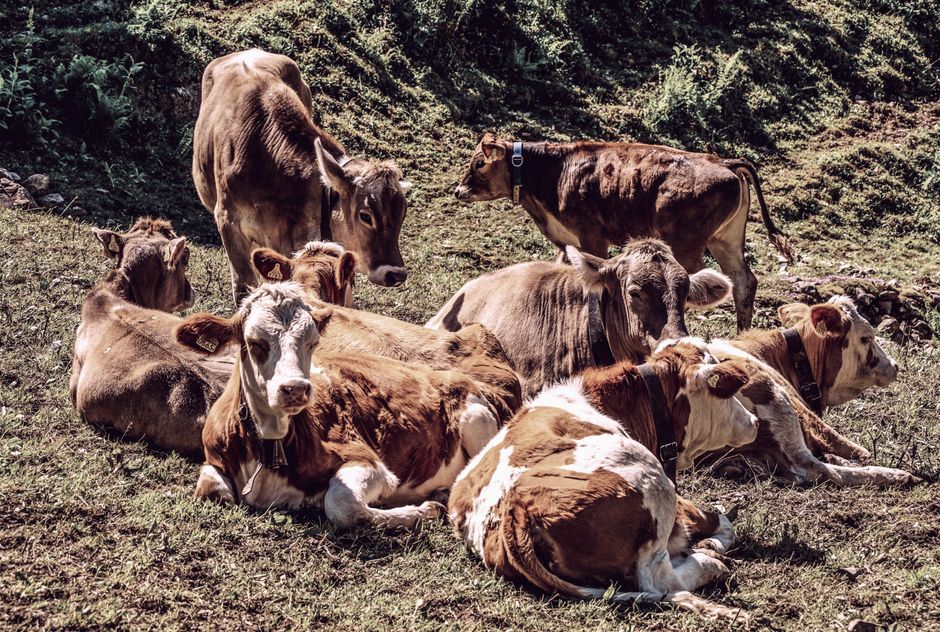
Higher stocking densities mean more intense grazing pressure, necessitating more frequent moves or larger acreage to prevent overgrazing. Young calves or lactating cows require high-quality forage, so timely rotation to fresh pasture is critical.
Adaptive stocking, where animal numbers fluctuate based on forage availability and seasonal growth, can optimize pasture use while minimizing degradation. For example, during rapid forage growth, temporarily increasing stocking density (mob grazing) can help utilize surplus biomass, followed by longer rest periods for recovery.
Different cattle breeds and classes have varying grazing behaviors and nutritional needs. Dairy cows, for example, often require more frequent access to high-quality forage to maintain milk production, while mature beef cows might tolerate slightly coarser forage. Tailoring rotation schedules to match these differences enhances overall herd productivity.
4. Soil and Topography
Soil fertility and terrain affect grass recovery. Rich, well-drained soils support faster regrowth, while rocky or compacted soils slow it down. Steeper slopes may need longer rest periods to prevent erosion.
Implementing soil testing regimes helps identify nutrient deficiencies that could limit forage growth and informs fertilization strategies. Moreover, practices such as rotational resting combined with soil amendments (lime, phosphorus, potassium) can rehabilitate degraded soils over time.
Topography affects water runoff and sunlight exposure, which influence plant vigor. For instance, south-facing slopes in northern latitudes may experience faster growth due to increased sunlight, allowing shorter rest periods there compared to shaded north-facing slopes. Using contour fencing and maintaining adequate ground cover on slopes supports erosion control, integrating well with rotational grazing plans.
Practical Example: A 100-Acre Farm
Consider a 100-acre cattle farm in the Midwest US with a 15-cow herd. Using a stocking rate of 1.5 acres per animal unit, the following rotation plan could apply:
- Total acreage needed: 15 cows × 1.5 acres = 22.5 acres per rotation
- Divide 100 acres into 5 paddocks of roughly 20 acres each
- Rotate cattle every 10 days to allow pasture regrowth
- Complete a rotation cycle every 50 days (5 paddocks × 10 days each)
This schedule gives each paddock approximately 40 days of rest after grazing before cattle return. Adjustments are made seasonally—for example, resting longer in late summer drought or winter.
To further optimize this system, the farmer might monitor forage height and ground cover weekly, adjusting rotation timing accordingly. During the growing season, they could implement shorter grazing periods of 3-4 days per paddock, increasing rest time to enhance regrowth. In fall, when growth slows, the rotation period might extend to 60 days, reducing stocking density temporarily or supplementing with stored forage.
Integrating technology such as GPS-enabled fencing and remote sensing for forage biomass assessment can streamline management. Additionally, incorporating buffer zones along watercourses within the 100 acres can protect riparian areas from overgrazing and support wildlife.
Signs You Need to Adjust Your Rotation Schedule
- Overgrazing evidence: Bare patches, stunted grass growth, and soil erosion.
- Underutilization: Excessive mature forage, which can become less nutritious.
- Poor cattle performance: Low weight gains or reduced milk output.
- Increased parasite incidence: Signs of parasite load in cattle such as ticks, or visible larvae on pasture.
- Soil compaction or puddling: Indicating cattle are spending too much time in one area, affecting infiltration.
Monitoring pasture condition weekly during growing season helps optimize rotation timing. Tools such as pasture condition scoring charts, soil moisture sensors, and forage plate meters provide objective data to guide decisions. Engaging with local extension services or grazing specialists for pasture assessments can also enhance management effectiveness.
Integrating Rest Period and Grazing Duration
In practice, grazing duration (how long cattle stay on a paddock) should be short enough to prevent overgrazing—often 2 to 4 days—with the rest period extending beyond 10 days as needed for regrowth. This creates a grazing-rest balance:
| Grazing Duration (days) | Rest Period (days) | Rotation Cycle Length (days) | Advantages |
|---|---|---|---|
| 2-3 | 12-14 | 14-17 | Better forage recovery, improved pasture health |
| 3-5 | 10-12 | 13-17 | Balance between utilization and recovery |
| 5-7 | 7-10 | 12-17 | Faster rotation, risk of overgrazing if rest too short |
Short grazing durations encourage uniform forage utilization, minimizing selective grazing that can weaken pasture species diversity. For instance, mob grazing involves very high stocking densities for 1-2 days, followed by extended rest periods, which can stimulate plant growth through intense defoliation and nutrient deposition.
Conversely, longer grazing durations may increase trampling damage and allow cattle to graze plants too low, risking pasture degradation. When rest periods are insufficient, plants cannot replenish carbohydrate reserves in roots, leading to reduced vigor and productivity over time.
Additional Tips for Effective Land Management
1. Use Portable Fencing
Electric or temporary fencing lets you subdivide acreage into smaller paddocks to optimize rotation and control grazing pressure precisely.
Implementing a flexible fencing system enables rapid adaptation to changing forage availability. For example, adjustable paddock sizes allow you to concentrate grazing during periods of slow growth to prevent wastage, or expand paddocks when forage is abundant. Many producers use polywire or polytape fencing combined with solar-powered energizers for cost-effectiveness and ease of relocation.
2. Monitor Forage Height
Keep forage height between 4-8 inches before grazing and allow regrowth to 6-10 inches before returning. This prevents grass from being grazed too short, preserving roots.
Measuring forage height with a rising plate meter or visual estimation can guide rotation decisions. Maintaining optimal residual height is critical to photosynthesis and root carbohydrate storage, which determines future pasture productivity. For example, Kentucky bluegrass grazed below 3 inches consistently may decline in vigor, while Bahia grass tolerates slightly closer grazing but still benefits from rest.
3. Supplement During Low Forage Periods
Use hay or feed supplements in drought or winter to reduce stress on pastures and maintain cattle nutrition.
Strategic supplementation can prevent weight loss and reproductive issues in cattle during periods when pasture quality or quantity is insufficient. Protein blocks, mineral supplements, or energy-rich feeds complement forage intake. Integrated winter feeding strategies, such as bale grazing where hay bales are placed within paddocks, reduce labor and soil compaction from concentrated feeding areas.
4. Manage Water Access
Ensure cattle have water points in every paddock to avoid overconcentration and soil damage near watering sites.
Providing multiple water sources reduces trampling and mud around watering areas, maintaining pasture integrity. Installing automatic waterers or troughs connected to reliable sources ensures consistent access. In some systems, rotational watering points help distribute grazing pressure evenly, and using hardened access pads or gravel can mitigate soil erosion near water sites.
Summary: Optimizing How Often to Land and Acreage
Effective pasture rotation is a balancing act. Most cattle producers aim to move their herds every 3-14 days, depending on forage growth rates, season, and stocking density. The key is providing enough rest for pastures to recover fully—often 10-14 days in temperate zones—and adapting plans based on real-time pasture condition and weather.
Successful implementation requires ongoing monitoring, flexibility, and a willingness to adjust stocking densities and paddock sizes in response to environmental cues. Integrating rotational grazing with sound soil, forage, and livestock management enhances sustainability, increases profitability, and supports the long-term viability of cattle farming operations. By refining your rotation schedule thoughtfully, you can achieve healthier pastures, more productive cattle, and a more resilient farming ecosystem overall.