
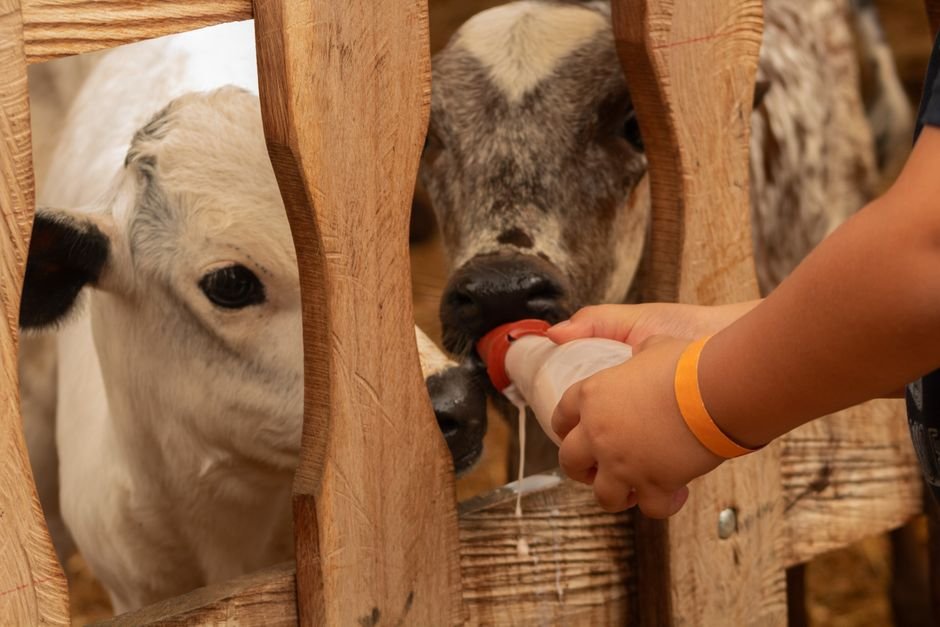
The first thing a newborn calf needs is clean, high-quality colostrum as soon as possible, ideally within the first 2 hours of life. Feed enough to equal about 10% of the calf’s body weight in the first 12 hours, then continue with milk or milk replacer on a regular schedule. Warm the feed to about body temperature and make sure the calf is actively swallowing, not just being “offered” a bottle.
Start with colostrum, not plain milk
Colostrum is the thick first milk produced after calving, and it is the calf’s best defense against disease. Unlike older calves, a newborn is born with no meaningful immunity from antibodies in its bloodstream. Those antibodies must come from colostrum, and the gut absorbs them best right after birth. That is why timing matters more than almost anything else when figuring out how to feed a newborn calf.
A practical target used widely in calf management is 10% of body weight in colostrum during the first 12 hours. For a 90-pound calf, that is roughly 4.5 quarts total, split into two feedings if needed. Many producers aim for a first feeding of 3 to 4 quarts within 2 hours, then another feeding later the same day. If you can measure colostrum quality with a Brix refractometer, many dairy operations use 22% Brix or higher as a sign of strong colostrum.
How much to feed in the first day
The amount depends on the calf’s size, breed, and whether it nurses on its own. A Holstein dairy calf may need a different volume than a smaller beef calf, but the same basic rule applies: get enough colostrum into the calf early. If the calf is weak, chilled, or slow to stand, it may need help sooner rather than later. A calf that is cold will not digest or absorb nutrients well, so warming the calf and the feed matters.
| Calf size | Approximate first 12 hours | Example first feeding |
|---|---|---|
| 60 lb calf | About 6 quarts total | 2.5 to 3 quarts |
| 80 lb calf | About 8 quarts total | 3 quarts |
| 100 lb calf | About 10 quarts total | 3.5 to 4 quarts |
If the calf is vigorous and nursing the cow, watch closely to confirm it really drinks enough. Do not assume nursing happened just because the calf was standing near the dam. If you are bottle-feeding, use a calf nipple and bottle or a clean esophageal feeder only if you are trained to use it correctly. The goal is to get a full dose of colostrum in early, not to rush and risk aspiration.
Colostrum quality and cleanliness matter as much as quantity
Not all colostrum is equal. The best colostrum comes from healthy cows, preferably from the first milking after calving. Dirty buckets, manure-contaminated teats, and delayed cooling can all reduce quality and increase bacterial load. A calf can only absorb so much, and bacteria in contaminated colostrum can interfere with that process. Clean collection is one of the easiest ways to improve calf survival and growth.
If you are storing colostrum, refrigerate it quickly if it will be used soon, or freeze it in labeled containers for later use. Many producers keep frozen colostrum in 1-quart or 2-quart bags or bottles so they can thaw only what they need. Thaw it gently in warm water; do not boil or microwave it, because overheating can damage antibodies. If fresh colostrum is unavailable, use a commercially prepared colostrum replacer, not a “supplement,” when a true replacement is needed.
Milk or milk replacer after the first day
After the initial colostrum period, the calf should move onto whole milk or a quality milk replacer. The key is consistency. Feed the same amount, at the same time, and at the same temperature each day. Sudden changes in milk solids or feeding schedule can trigger scours, especially in young calves. Most calves do well on two feedings per day, though some operations use once-daily feeding after the very early stage if the program is designed for it.
When using milk replacer, follow the label carefully and mix it to the correct solids concentration. A product mixed too weakly will not support growth; mixed too strongly, it can upset digestion. Many calf programs target about 12.5% to 15% solids in the liquid feed, but the exact mix depends on the product. Always stir thoroughly so the calf receives an even mixture rather than a watery top layer and heavy bottom sludge.

For more on this, see our related guide: Proven Tips to Reduce Weaning Stress in Calves During Hot Weather.
Feeding tools and temperatures
Use clean equipment every time. A calf bottle, nipple, bucket, or esophageal feeder should be washed with hot water and detergent after each use, then allowed to dry. Residue left in feeding equipment is a breeding ground for bacteria. If you use a bucket, make sure the calf already knows how to drink from one; otherwise, a bottle is usually easier for a newborn to learn.
| Feeding method | Best use | Main caution |
|---|---|---|
| Bottle and nipple | Newborns that need help learning to drink | Can take time if the calf is weak or stubborn |
| Open bucket | Calves already trained to drink | Less suitable for very young calves |
| Esophageal feeder | Calves that cannot or will not drink enough | Must be used correctly to avoid injury or aspiration |
Feed warm milk or colostrum, usually around 101°F to 105°F, which is close to body temperature. Cold milk can reduce intake and slow digestion, especially in chilly weather. If the calf is already cold, warm the calf first with dry bedding, shelter, and body heat support before pushing a large feeding. A chilled calf is more likely to struggle with digestion and dehydration.
Signs the calf is getting enough
A well-fed newborn calf should stand, nurse or drink eagerly, and have a warm mouth and ears rather than a cold, weak feel. The belly should not be painfully tight, but it should not look flat and sunken either. After feeding, the calf should settle, lie down, and rest. A bright eye, dry nose, and steady suck reflex are all useful signs that feeding is going in the right direction.
Watch the manure too. A normal newborn calf passes meconium first, then begins producing softer, more typical manure as milk intake continues. Watery scours, a swollen belly, repeated bawling, or refusal to drink are warning signs. If the calf is not swallowing, has milk coming from the nose, or becomes weak after feeding, stop and call a veterinarian. Early intervention is far easier than treating a collapsed calf later.
Common mistakes to avoid
One of the biggest mistakes is waiting too long to give colostrum. Every hour matters because the calf’s ability to absorb antibodies drops quickly after birth. Another common error is feeding colostrum that is dirty, too cold, or too weak in quality. Farmers also sometimes underfeed because they guess instead of measuring. A newborn calf is not the place for rough estimates when a scale or marked container is available.
Other mistakes include overmixing or undermixing replacer, changing brands without transition, using dirty nipples, and assuming a calf is fine because it is standing. A calf can look alert and still be short on antibodies or energy. Keep a simple record of birth time, colostrum amount, feeding times, and any illness signs. That small habit helps you spot problems early and improve the next calf’s start.
Practical feeding schedule for the first week
A simple schedule is often best. In the first day, focus on colostrum. After that, move to milk or milk replacer at the same times each day. The exact volume depends on your calf-feeding program, but consistency is more important than constantly changing amounts. Many farms feed twice daily for the first several weeks, then wean gradually once the calf is eating starter grain well and drinking enough water.
If you’re also looking into this, our article on Can Cows Eat Watermelon? How to Safely Feed Cull Fruit to Your Herd covers it in more detail.
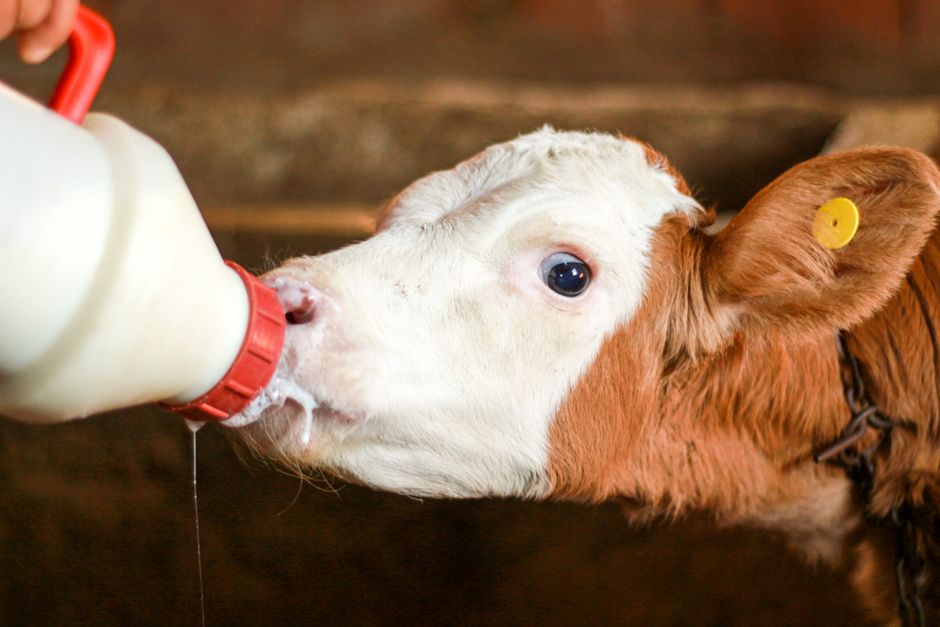
Remember that feed is only part of the picture. Dry bedding, draft protection, clean buckets, and fresh water all support better growth. Calves that stay warm and dry use feed for growth instead of body heat. If you feed well but keep the calf damp, dirty, or chilled, you are working against yourself.
Frequently Asked Questions
Can a newborn calf survive without colostrum?
It may survive for a short time, but it is at much higher risk of disease and death without colostrum. The first feeding matters because antibodies from colostrum are what protect the calf before its own immune system matures. A calf that misses early colostrum is much more likely to become sick later.
How soon after birth should a calf be fed?
As soon as possible, ideally within 2 hours. The calf’s gut absorbs antibodies best right after birth, and that ability declines quickly over the first day. Delaying colostrum too long lowers the chance that the calf gets enough immune protection.
Should I feed whole milk or milk replacer?
Either can work if managed correctly. Whole milk is simple if you have clean, healthy milk available, while milk replacer offers more consistency and easier batch feeding. The most important part is choosing one program and feeding it consistently so the calf gets the same nutrition every day.
How do I know if the calf drank enough?
Watch for a strong suck reflex, a full but not strained belly, and calm resting after feeding. If the calf is still bawling, weak, or repeatedly trying to nurse after a scheduled feeding, it may not have taken enough. A record of how much was offered and consumed is the best way to track intake.
When should I call a veterinarian?
Call a vet if the calf will not stand, will not swallow, has milk coming from the nose, develops severe scours, or seems cold and weak despite warming and feeding. Rapid treatment can make a major difference in newborn calves, especially when dehydration or infection is starting.
This article is for general information and isn’t a substitute for advice from a qualified veterinarian. If a calf is weak, dehydrated, or not nursing normally, get professional help promptly.