
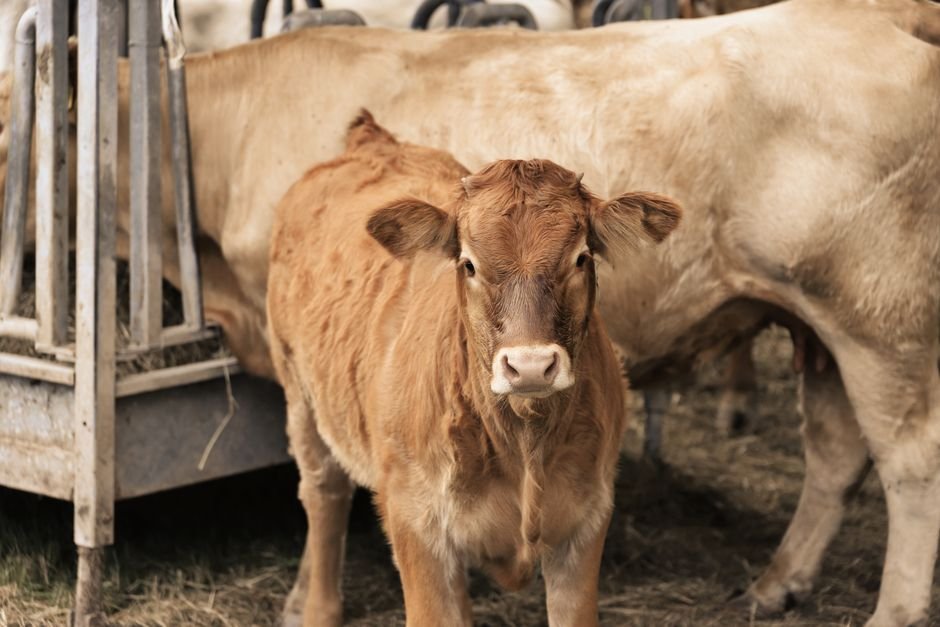
Cattle temperament is the way a cow or steer typically reacts to people, handling, noise, restraint, and new surroundings. A calm animal moves more predictably, while a nervous or excitable one may balk, kick, crowd fences, or bolt in the chute. Temperament matters because it affects safety for handlers, stress on the animal, and even performance in beef and dairy systems.
What cattle temperament actually means
Temperament is not the same as breed, age, or training, although all three can influence it. In practical terms, it describes an animal’s emotional reactivity and how easily that animal settles under pressure. Stockmen often judge temperament by watching how a cow behaves in the pen, in a crowding alley, or when separated from the herd. A quiet Angus cow can still be hard to handle if she is poorly managed, and a flighty Brahman-cross heifer may be calm when raised with regular, low-stress handling.
Researchers and cattle producers often look at temperament through observable traits such as flight speed, chute score, and balking behavior. These measures are useful because they turn a broad idea into something you can compare, record, and improve over time. The key point is simple: temperament is how cattle respond to the world around them, especially when people ask them to do something they would rather not do.
Why temperament matters on real farms
Temperament matters first because it changes the risk level for everyone working cattle. An excitable animal is more likely to jump fences, pile into gates, or injure itself and the people around it. Calm cattle are easier to sort, load, weigh, vaccinate, and move through a squeeze chute or milking parlor. That means less time spent fighting the animal and less chance of bruising, broken equipment, or a dangerous kick.
It also matters because stress has consequences beyond behavior. Stress hormones rise when cattle are handled roughly or become highly agitated, and that can affect feed intake, immune function, reproduction, and meat quality. In beef systems, poor temperament is associated with more difficult handling and lower efficiency. In dairy herds, nervous cows may be harder to milk consistently and may show poorer comfort around people and equipment. Temperament is not a side issue; it is part of daily farm performance.
How cattle temperament is measured
There is no single universal score used everywhere, but several methods are common in beef and dairy research and on-farm selection. The most familiar are chute score and exit or flight speed. Chute score is a visual rating of how an animal behaves while restrained, often on a 1-to-5 scale. Flight speed measures how quickly the animal leaves the chute and can be recorded as time over a fixed distance. Some operations also note pen behavior, head tossing, or the ease of moving through a single-file alley.
| Measure | What it looks at | Why it helps | Common use |
|---|---|---|---|
| Chute score | Behavior while restrained | Shows how reactive the animal is under pressure | Beef selection, handling records |
| Flight speed | How fast the animal leaves the chute | Gives a repeatable sign of excitability | Research, seedstock evaluation |
| Pen or alley behavior | Movement in groups and narrow spaces | Reflects practical handling difficulty | On-farm sorting and loading |
These measures are useful because they can be repeated. One nervous day does not define the animal forever, but a pattern does matter. If the same cow consistently fights the head gate, slams into the alley, or takes off at release, she is telling you something about her temperament.
What influences temperament in cattle?
Temperament comes from both genetics and environment. Some cattle lines are naturally more reactive, and many producers notice breed differences, especially when comparing Bos taurus breeds with Bos indicus influence. But genetics do not work alone. Calves handled quietly from an early age often become easier to move, load, and sort. Animals that are chased, shouted at, or repeatedly shocked with a hot shot are more likely to become defensive and hard to manage.
For more on this, see our related guide: Proven Tips to Reduce Weaning Stress in Calves During Hot Weather.
Several practical factors can shape temperament:
- Early handling: calm, consistent contact during calfhood often improves future behavior.
- Genetics: some families and sire lines are more reactive than others.
- Environment: noise, crowding, heat, and slippery footing can trigger fear responses.
- Health: pain, lameness, and illness make cattle more defensive and less cooperative.
- Previous experiences: rough handling in the chute can create long-lasting avoidance.
That is why temperament should be seen as a management outcome as much as a natural trait. You may not be able to change the animal’s genetics, but you can change how often it experiences stress and how it learns to respond to people.

Temperament, safety, and handling efficiency
Anyone who has worked cattle knows that one excitable animal can slow down an entire job. A restless cow in the alley can cause backing up, bunching, and repeated stops, which increases stress for the whole group. The result is not just inconvenience. It raises the odds of a kick, a pinched hand, a broken gate latch, or an animal falling in the chute. In handling facilities, calm cattle usually move more smoothly because they are easier to read and guide.
Good cattle-handling systems are built around low-stress principles. That means using solid-sided alleys where appropriate, keeping footing secure, avoiding loud shouting, and moving at the animal’s pace rather than trying to force speed. Temple Grandin’s work on livestock handling made clear how important cattle’s flight zone and point of balance are. When handlers understand those basics, they can move cattle with less force and fewer mistakes. Temperament still matters, but good handling can keep a nervous animal from becoming a dangerous one.
Does temperament affect production?
Yes. In beef cattle, temperament is linked with measurable differences in performance. Studies have found that more excitable animals may have poorer weight gain efficiency and more difficulty during processing. They can spend more energy reacting to stress instead of converting feed into growth. In some systems, poor temperament is also associated with tougher meat and more bruising, which can reduce carcass value.
In dairy cattle, temperament can influence milking behavior, parlor consistency, and how well cows tolerate routine management. A nervous cow may let down milk less smoothly, shift constantly in the stall, or make parlor work slower and riskier. The exact effect varies by herd and management style, but the pattern is consistent: calmer cattle are usually easier to manage and less costly to handle. That is why many seedstock programs now treat docility as part of selection, not just a nice extra.
If you’re also looking into this, our article on Can Cows Eat Watermelon? How to Safely Feed Cull Fruit to Your Herd covers it in more detail.
How to recognize poor temperament early
Temperament problems usually show up long before an animal becomes impossible to handle. The warning signs are often subtle at first, then obvious once the animal is stressed. Watch for cattle that repeatedly crowd fences, swing their heads, charge out of the pen, or refuse to enter the alley. In the chute, note animals that strain hard, kick repeatedly, or stay rigid and trembling. These are not just “spicy” personalities; they are handling challenges that tend to repeat.
It helps to keep notes rather than relying on memory. A simple handling record can include the animal ID, date, chute score, and any notable behavior. Over time, this lets you identify patterns in certain cow families, sire groups, or age classes. If a heifer is calm during sorting but explosive in the chute, that is still useful information. Different settings reveal different parts of temperament, and a good record helps you see the whole picture instead of one bad day.
How producers can improve temperament over time
You cannot make every cow docile, but you can make the herd easier to handle. Start with the basics: move cattle calmly, keep routines consistent, and avoid unnecessary pressure. Use proper facilities with non-slip flooring, curved alleys where appropriate, and gates that work smoothly. Give cattle time to flow rather than trying to rush them through every task. If an animal becomes agitated, pausing briefly is often better than pushing harder.
Selection also matters. Many beef producers now use docility or temperament records when choosing replacement heifers or bulls. If you buy seedstock, ask how temperament is recorded in the herd and whether chute score or flight speed data are available. Some breeds and breed associations publish docility information, and that can be a useful part of your buying decision. Over several seasons, good handling plus better genetics can change the feel of the whole operation.

Temperament in different cattle systems
Temperament looks a little different depending on the production system. In cow-calf herds, the main concern is often safe gathering, sorting, and weaning. In feedlots, the issue is how cattle move through processing and pen management. On dairy farms, temperament shows up every day in the parlor, in the holding pen, and during hoof trimming or veterinary work. The same animal may seem fine in one setting and difficult in another, because the pressure points are different.
That is why there is no one-size-fits-all answer to “good temperament.” A cow that is alert but manageable is often preferable to one that is either panicked or completely unresponsive. The goal is not to make cattle robots. It is to raise and handle animals that remain predictable under normal farm stress. Predictability is what protects people, reduces injury, and keeps the work moving.
Frequently Asked Questions
What is the difference between temperament and behavior in cattle?
Behavior is what a cow does in a specific moment, such as kicking, balking, or walking calmly through the alley. Temperament is the more consistent pattern behind those actions. A single kick may be caused by pain, but repeated reactive behavior across different situations usually points to temperament.
This ties in closely with What Are the Most Common Mistakes with Cow Behavior?, worth a look if you want to go deeper.
Can cattle temperament be inherited?
Yes. Temperament has a genetic component, which is why some sire lines and cow families are known for being easier or harder to handle. But inheritance is only part of the story. Handling, environment, and health also shape how that genetic tendency shows up in day-to-day behavior.
What is a good chute score for cattle?
That depends on the scoring system your operation uses, because chute scores are not perfectly standardized across all farms. In many systems, lower scores mean calmer behavior and higher scores mean more agitation. The most important thing is to score cattle consistently using the same method over time so the records mean something.
Does temperament affect milk production?
It can. Nervous dairy cows may be harder to milk consistently and may react more strongly to parlor stress. That does not mean every excitable cow will produce less milk, but calmer animals are generally easier to manage, which supports smoother milking routines and better welfare.
How can I tell if a calf will have poor temperament later?
Early signs include extreme fear of people, frantic movement during routine handling, and repeated resistance in the chute or alley. One event is not enough to judge, but patterns matter. Quiet, consistent calf handling and careful observation during weaning, sorting, and vaccination can give you a clearer picture.
This article is for general information only and is not a substitute for advice from a qualified veterinarian, livestock handling specialist, or animal welfare professional.