
What is foot rot in cattle?
Foot rot in cattle is a sudden, painful infection of the soft tissues between the claws of the hoof, most often caused by bacteria entering through a break in the skin. It usually shows up as swelling above the hoof, a foul smell, heat, and a cow or steer that is reluctant to bear weight. Left untreated, it can spread deeper, cause severe lameness, and reduce weight gain, milk yield, and breeding performance.
The condition is common in wet, muddy, or abrasive conditions, especially when cattle are walking on rough ground, frozen soil, or manure-contaminated lots. In beef and dairy herds, foot rot is one of the most recognizable causes of sudden lameness because the animal often appears normal one day and noticeably lame the next.
How foot rot develops in the hoof
Foot rot is not the same as an overgrown hoof or a simple bruise. It starts when bacteria invade the skin between the claws, usually after the skin has been softened by mud, manure, snow, or standing water. Small cuts, scratches, or cracks create an opening. Once the tissue is infected, inflammation spreads quickly through the interdigital space and can move into deeper structures if treatment is delayed.
The main bacteria involved are typically Fusobacterium necrophorum and Porphyromonas species. These organisms are common in cattle environments, which is why management matters so much. A dirty lot, poor drainage, and abrasive surfaces all increase the chance that minor skin damage turns into a full infection. Thin soles, heel cracks, and other hoof problems can also make cattle more vulnerable.
Common signs to watch for
The earliest clue is usually sudden lameness. Affected cattle often keep one foot off the ground, walk stiffly, or stand with weight shifted to the other legs. The hoof area may be swollen, especially above the coronary band and around the pastern. In many cases, the swelling is warm to the touch and the animal reacts when the foot is handled.
Other warning signs include a sharp drop in feed intake, reduced rumination, and a distinct rotten odor from the infected foot. Cattle with advanced cases may have a fever and seem dull or off feed. If the hoof is trimmed or cleaned, the skin between the claws may look red, wet, or cracked. Because foot rot can resemble other lameness problems, a close inspection is important before assuming it is something minor.
Foot rot vs. other common hoof problems
Several hoof disorders can look similar at first glance, but they do not behave the same way. Foot rot tends to be rapid, swollen, and smelly. A sole abscess is often more localized and may cause more dramatic limping without the same soft-tissue swelling. Digital dermatitis usually affects the heel bulbs and causes a raw, painful lesion rather than the classic swelling between the claws.
For more on this, see our related guide: Proven Tips to Reduce Weaning Stress in Calves During Hot Weather.
| Condition | Typical location | Common signs | How it differs from foot rot |
|---|---|---|---|
| Foot rot | Between the claws and surrounding soft tissue | Sudden lameness, swelling, heat, foul odor | Usually spreads quickly and affects the entire interdigital area |
| Sole abscess | Sole of the hoof | Severe lameness, localized pain | Often no odor or marked swelling between the claws |
| Digital dermatitis | Heel bulbs and lower rear foot | Painful raw lesion, reluctant steps | Usually a skin lesion, not the classic foot rot swelling |
| Laminitis | Multiple hooves or both front feet | Short, careful steps, stiffness | More diffuse and often linked to diet or systemic stress |
What causes foot rot in cattle?
Foot rot develops when three things line up: bacteria, damaged skin, and the right environment. Wet conditions soften the skin between the claws, making it easier for bacteria to invade. Sharp stubble, frozen mud, rocks, and rough handling surfaces can create tiny wounds. Once the skin barrier is broken, the bacteria can multiply quickly in the moist tissue.
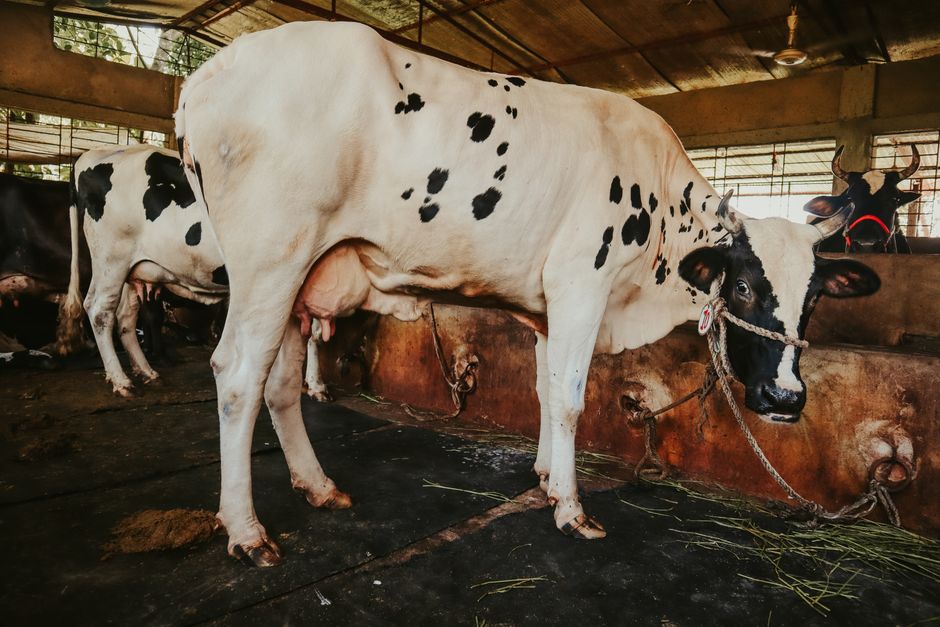
Herd conditions also matter. Crowding around bunks, waterers, and gates increases hoof trauma and contamination. Cattle on pasture are not immune, especially after heavy rain when the ground becomes slick and muddy. In feedlots, long walks through manure and moisture are a classic trigger. Good drainage, clean loafing areas, and regular hoof observation go a long way toward reducing cases.
How veterinarians and producers treat foot rot
Foot rot is usually treated promptly with systemic antibiotics prescribed by a veterinarian. Common choices in cattle practice may include long-acting oxytetracycline, ceftiofur, or florfenicol, depending on the case and local veterinary guidance. The goal is to stop the infection before it damages deeper tissue. Many animals improve within 24 to 48 hours after treatment, though full recovery can take longer.
Supportive care matters too. Keep the animal on dry ground, reduce walking distance, and separate it if needed so it can eat and drink without pressure from the herd. In some cases, a vet may recommend anti-inflammatory medication to reduce pain and swelling. Hoof blocks are not usually the main treatment for foot rot, because the problem is infectious rather than purely mechanical. If the animal does not improve quickly, a deeper infection or another diagnosis should be considered.
When to call a veterinarian
Call a veterinarian if the cow is severely lame, has a fever, is not eating, or shows no improvement after treatment has started. You should also seek help if swelling extends above the hoof, the foot has an open wound, or the animal seems much sicker than a routine foot rot case. These signs can point to joint infection, deep tissue involvement, or another condition that needs a different treatment plan.
If you’re also looking into this, our article on Can Cows Eat Watermelon? How to Safely Feed Cull Fruit to Your Herd covers it in more detail.
It is also smart to involve a vet if foot rot is appearing in several animals at once. Multiple cases may signal a problem with drainage, footing, nutrition, or biosecurity. A veterinarian can help confirm the diagnosis, choose the right medication, and review withdrawal times for milk and meat so you stay compliant with label directions and food safety requirements.
How to prevent foot rot from spreading through the herd
Prevention starts with footing and hygiene. Keep lots drained, scrape manure regularly, and reduce standing water around feed and water points. In wet seasons, pay special attention to high-traffic areas like lanes, holding pens, and mineral stations. If cattle must stand in mud for long periods, the risk rises quickly.
Good nutrition also supports hoof health. Adequate trace minerals, especially zinc, copper, and selenium where appropriate for the ration, help maintain skin and hoof integrity. Routine observation is just as important: catch lame animals early, isolate them if needed, and treat them before they become a source of lost performance. In herds with repeated problems, work with your veterinarian or nutritionist to review stocking density, pen design, and mineral program.
Practical steps for handling a suspected case
- Move the animal calmly to a dry, non-slip area.
- Inspect the hoof for swelling, odor, heat, and cuts between the claws.
- Record the affected leg and the date symptoms began.
- Contact your veterinarian for diagnosis and treatment guidance.
- Keep the animal off muddy ground until swelling and lameness improve.
- Monitor the rest of the herd for new cases over the next several days.
Why early treatment matters
Foot rot is one of those cattle problems where timing makes a real difference. Early treatment usually means faster recovery, less pain, and less chance of deeper infection. It also protects productivity. A lame cow may eat less, lose condition, delay breeding, or produce less milk. In beef cattle, even a short period of reduced intake can affect performance, especially in growing animals or cattle under finishing pressure.

Because foot rot is visible and often responds well to treatment, it is one of the hoof problems producers can manage effectively when they act fast. The key is to recognize the pattern: sudden lameness, swelling between the claws, and a bad smell in a wet or contaminated environment. Once you know what to look for, it becomes much easier to catch early and limit the damage.
Frequently Asked Questions
Is foot rot contagious in cattle?
Foot rot is not considered highly contagious in the same way as a respiratory virus, but it can affect multiple animals when the environment is right. Muddy, manure-heavy, crowded conditions create repeated exposure to the bacteria that cause it. That is why management and early treatment are so important.
This ties in closely with Effective Cattle Housing and Shelter: A Comprehensive Guide for Optimal Herd Health, worth a look if you want to go deeper.
How long does it take for foot rot to heal?
Many cattle begin improving within 24 to 48 hours after proper antibiotic treatment, but complete healing can take several days to a couple of weeks depending on severity. If swelling and lameness do not improve quickly, the diagnosis should be rechecked because another hoof problem may be involved.
Can foot rot come back?
Yes, recurrence is possible if the hoof remains exposed to wet, dirty, or abrasive conditions. A cow that has had foot rot once may be at higher risk if the underlying environmental problem is not fixed. Drainage, clean bedding, and prompt treatment of new cases reduce the chance of repeat infections.
What is the best way to prevent foot rot in cattle?
The best prevention is a combination of dry footing, good drainage, regular manure removal, and early treatment of any lame animal. Herds that keep cattle out of prolonged mud and reduce hoof injuries usually see fewer cases. A mineral program and sensible stocking density can also support hoof health.
This article is for general information and isn’t a substitute for advice from a qualified veterinarian. If you suspect foot rot or another serious hoof problem in your cattle, contact your vet for diagnosis and treatment guidance.