
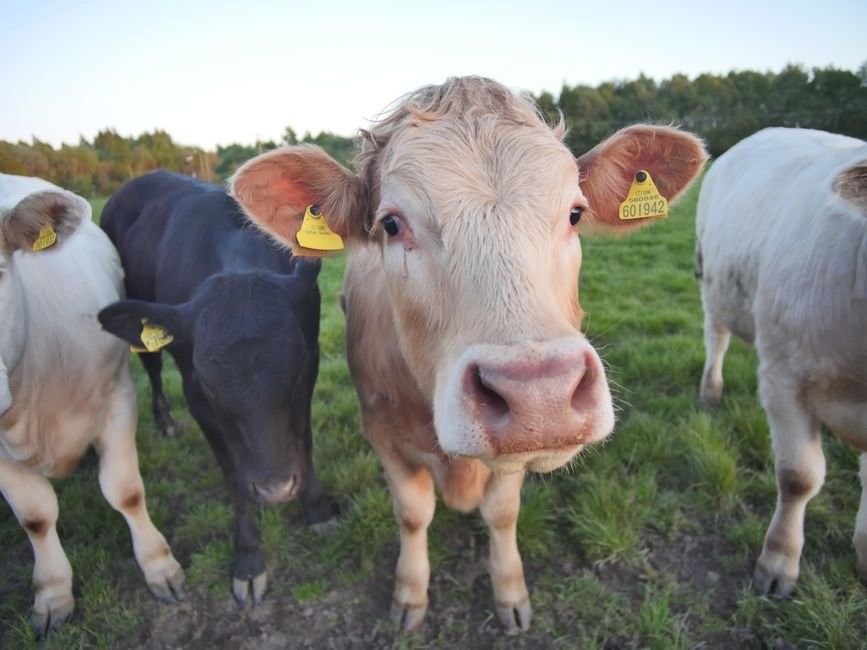
Liver fluke in cattle is a parasitic flatworm infection, usually caused by Fasciola hepatica, that damages the liver and bile ducts. Cattle pick it up by grazing wet, snail-friendly pasture where fluke larvae survive. The disease can reduce weight gain, milk yield, fertility, and overall herd performance, and severe cases can cause death.
What liver fluke is and why it matters
Liver fluke is not a worm in the usual sense but a leaf-shaped trematode parasite. In cattle, the main concern is chronic liver damage: the immature flukes migrate through liver tissue, then mature in the bile ducts and feed on blood and tissue. That irritation can lead to inflammation, scarring, and reduced liver function. The result is often slower growth, poorer feed conversion, and lower productivity rather than dramatic illness at first.
This parasite is especially important in wet regions and on marshy or poorly drained land. In the UK and Ireland, liver fluke is a familiar herd-health problem, and similar issues occur in many temperate grazing systems worldwide. Because the early signs are subtle, farmers often notice it only after performance drops or liver lesions are found at slaughter.
How cattle get infected
The liver fluke life cycle depends on wet ground and an intermediate host: the mud snail Galba truncatula. Eggs pass out in cattle dung, hatch in water, and infect snails. After several developmental stages in the snail, cercariae are released and form cysts called metacercariae on grass and other vegetation. Cattle then ingest those cysts while grazing.
Risk rises after wet weather, flooding, or where livestock graze rushy corners, ditch edges, seepage areas, and poached fields. Animals do not usually become infected from direct contact with other cattle; the pasture environment is the key. That means a field can stay risky even if the herd looks healthy, especially when conditions favor snails through late summer and autumn.
Signs of liver fluke in cattle
Clinical signs depend on how many flukes are present and whether the infection is acute or chronic. Acute disease happens when many immature flukes migrate through the liver at once, while chronic disease develops after adults settle in the bile ducts. In many herds, the first clue is reduced performance rather than obvious sickness.
| Form of liver fluke | Common timing | Typical signs |
|---|---|---|
| Acute fluke | Weeks after heavy exposure | Sudden weakness, anemia, abdominal pain, collapse, and possibly death |
| Subacute fluke | Intermediate infections | Weight loss, dull coat, reduced appetite, poor thrift, mild anemia |
| Chronic fluke | Months after exposure | Poor growth, reduced milk yield, bottle jaw, low condition score, diarrhea in some cases |
“Bottle jaw,” or swelling under the jaw, is often linked with low protein and poor liver function, but it is not exclusive to fluke. Because these signs can overlap with other parasites, poor nutrition, or chronic disease, diagnosis matters before treatment decisions are made.
For more on this, see our related guide: Proven Tips to Reduce Weaning Stress in Calves During Hot Weather.
What the parasite does inside the animal
The most damaging stage is often the immature fluke moving through the liver. It tears through tissue, causing bleeding and inflammation. Once mature, the parasite settles in the bile ducts, where it thickens and scars the duct walls. Over time, the liver becomes less efficient at processing nutrients, and infected cattle may not respond to feed as well as healthy animals.
At slaughter, affected livers can show “pipe-stem” fibrosis, thickened bile ducts, and visible damage from migrating flukes. In some countries, condemned livers represent a direct financial loss, while in live cattle the hidden cost shows up as lower daily liveweight gain and poorer carcass performance. Even low-level infection can matter in finishing systems where margins are tight.
How liver fluke is diagnosed
Diagnosis is usually based on a combination of pasture history, clinical signs, laboratory testing, and post-mortem findings. Fecal egg counts can detect adult fluke, but they miss early infections because immature flukes do not lay eggs. That means a negative dung sample does not rule out recent exposure.
Blood tests can help identify exposure or liver damage, and several labs offer coproantigen tests that detect fluke antigen in feces earlier than standard egg counting. Veterinary pathologists may also confirm the disease by examining damaged livers. The best approach is often seasonal monitoring paired with a vet-designed control plan, especially where wet pasture is unavoidable.
Treatment options used in cattle
Flukicides are the main treatment, but product choice depends on the stage of infection you want to target. Not every product kills every stage of the parasite. For example, some act mainly against adult flukes, while others also work on immature stages. That is why timing matters so much.
If you’re also looking into this, our article on Can Cows Eat Watermelon? How to Safely Feed Cull Fruit to Your Herd covers it in more detail.

| Active ingredient | Main fluke stages targeted | Common notes |
|---|---|---|
| Triclabendazole | Immature and adult flukes | Widely used for early infections; resistance has been reported in some regions |
| Closantel | Late immature and adult flukes | Useful where later-stage infection is expected |
| Albendazole | Adult flukes at higher dose | Often used when roundworm control is also part of the plan |
| Oxyclozanide | Adult flukes | Best for established chronic infections, not early immature fluke |
Because flukicide resistance is a real concern, especially with triclabendazole in some fluke populations, treatment should not be automatic. The right product, dose, and timing depend on local risk, product labels, withdrawal periods, and veterinary advice. Under-dosing or repeated unnecessary treatment can make resistance worse.
How to reduce liver fluke risk on farm
Control works best when treatment and grazing management are combined. The goal is to break the parasite’s life cycle by reducing exposure to infected pasture and limiting snail habitat. On many farms, that means managing the wettest fields carefully rather than trying to treat every animal on a fixed calendar.
- Fence off boggy patches, drainage lines, and snail habitats where practical.
- Drain or improve persistently wet areas if the land and regulations allow it.
- Move youngstock and high-risk groups away from known fluke ground during risky seasons.
- Use quarantine treatments for purchased cattle if they come from fluke-endemic areas.
- Work with a vet to time testing and treatment around local weather and grazing patterns.
In regions with a strong seasonal pattern, autumn and early winter are often the critical period for control, but timing varies with climate. A wet summer can push risk later than usual, and mild winters may allow infection pressure to continue longer than expected. The most effective programs are based on farm-specific monitoring rather than guesswork.
Why prevention is better than waiting for symptoms
Liver fluke often causes more economic damage than obvious clinical disease. A herd can look “mostly fine” while still losing weight gain, fertility, and milk production. Because the parasite works slowly, the costs accumulate before anyone sees a major health event. Once damage has been done to the liver, treatment can remove the parasite but cannot instantly reverse the harm.
That is why prevention, testing, and strategic treatment are so important. If your farm has wet ground, a history of condemned livers, or cattle that fail to thrive in a pattern that fits seasonal exposure, liver fluke should be on the short list of suspects. Catching it early is usually cheaper and easier than dealing with a heavy infection later.
Frequently Asked Questions
Can cattle recover from liver fluke?
Yes, many cattle recover once the parasite is removed and nutrition is corrected, but any liver damage already caused may take time to heal. Heavy or repeated infections can leave lasting effects on growth and productivity, so early treatment and prevention matter.
This ties in closely with Effective Cattle Housing and Shelter: A Comprehensive Guide for Optimal Herd Health, worth a look if you want to go deeper.
What is the difference between liver fluke and stomach worms?
Liver fluke is a flatworm that damages the liver and bile ducts, while stomach worms are roundworms that live in the digestive tract. They spread differently, need different diagnostics, and often require different dewormers, so they should not be treated as the same problem.
How do I know if my pasture has liver fluke risk?
Pastures with poor drainage, standing water, seepage, ditches, or muddy margins are higher risk because they support the mud snail that carries fluke. If cattle graze those areas during wet periods, especially in late summer and autumn, the risk is higher still.
Will a standard fecal egg count find liver fluke?
It can find adult fluke eggs, but it will miss early immature infections. That is why a negative result does not always mean cattle are clear. Blood tests, coproantigen tests, and veterinary interpretation are often needed for a fuller picture.
This article is for general information only and isn’t a substitute for advice from a qualified veterinarian. For diagnosis, treatment, and withdrawal guidance, consult your vet and follow local product labels and regulations.