
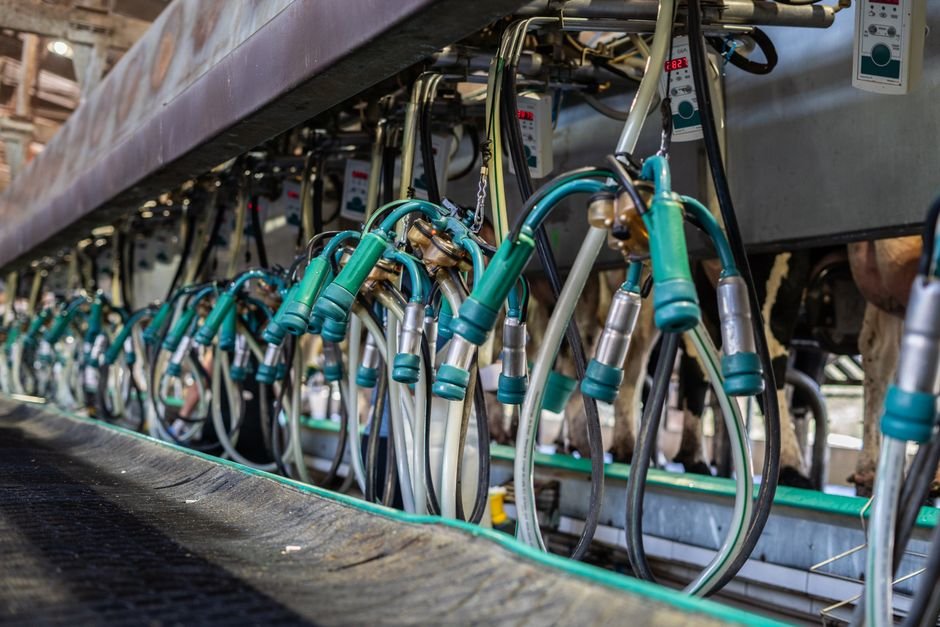
Most cows kick while being milked because something about the process hurts, startles, or stresses them. The most common causes are udder pain, teat irritation, mastitis, a bad milking routine, or a sudden noise or touch that makes the cow pull away. In some cases, kicking is a habit that develops after one bad experience, so the fix is often a mix of health checks, better handling, and a calmer milking setup.
Start with the simple question: is she reacting to pain or to the process?
A cow that suddenly starts kicking is often telling you that milking feels wrong. Pain-related causes matter most because they can worsen fast and reduce milk letdown. Check for a hot, swollen, or firm quarter, clots or flakes in the milk, teat-end cracks, fly irritation, or a swollen hock or leg that makes standing uncomfortable. The Merck Veterinary Manual and common dairy health references list mastitis, teat injury, and lameness among the main reasons cows resist handling at milking time. If the kicking is new, assume discomfort first.
Process-related causes are also common. Loud pumps, slipping on the parlor floor, rough stripping, cold hands, delayed milking, or a machine that is set too high can all trigger kicking. Even a cow that is healthy can react if the routine changes too often. The key is to separate “this hurts” from “this spooked her,” because the next step is different for each one.
Common reasons cows kick during milking
Several issues can look the same from the outside, but they do not need the same fix. A cow may kick because the udder is painful, because the teat cups pinch, because the milker is too rough, or because she has learned that kicking makes the person step back. In dairy herds, a single bad milking can create a pattern if the cow is rewarded by getting immediate relief. That is why consistency matters as much as comfort.
| Possible cause | Typical signs | What to check first |
|---|---|---|
| Mastitis | Heat, swelling, pain, clots, watery milk, kicking when touched | Udder temperature, milk appearance, quarter firmness |
| Teat irritation or injury | Cracks, ring wounds, swelling at teat end, flinching | Teat skin and liner fit |
| Machine problems | Frequent cup slips, teat-end discoloration, nervousness in the stall | Vacuum level, pulsation, liner condition |
| Stress or fear | Tail swishing, stepping, kicking before contact, tension in the parlor | Noise, handling, routine changes |
| Lameness or body pain | Reluctance to stand, weight shifting, kicking when weight is transferred | Feet, legs, hocks, stall footing |
Mastitis is one of the first things to rule out
Mastitis is inflammation of the udder, and it is one of the most common medical reasons cows kick during milking. The udder may feel warm, hard, or painful, and the milk may show clots, flakes, or watery changes. The National Mastitis Council emphasizes early detection because treatment and milk quality both depend on catching it quickly. A cow may kick only on one side if just one quarter is affected, which is a useful clue.
If you suspect mastitis, do not keep forcing a painful quarter without checking it. Strip a few streams from each teat into a strip cup or onto a dark surface and look for changes. Separate the cow if needed and follow your herd’s mastitis protocol or your veterinarian’s instructions. If the cow has a fever, refuses feed, or the udder is very swollen, call a vet promptly. Painful udders do not usually improve just from “training” the cow to stand still.
Teat-end pain and machine fit problems can trigger kicking fast
Sometimes the cow is not reacting to the udder itself but to the equipment. A liner that is worn out, a vacuum level that is out of range, or poor pulsation can make teat ends sore. Teat-end hyperkeratosis, which is thickening around the teat opening, is a known sign of repeated machine stress. Once teat ends become tender, a cow may kick the instant the cups go on.
For more on this, see our related guide: Proven Tips to Reduce Weaning Stress in Calves During Hot Weather.
The practical check is straightforward: look at the teat ends before and after milking, listen for cup slips, and inspect the liners for wear. Liner change schedules vary by product and herd use, so follow the manufacturer’s recommendation rather than guessing. If several cows are kicking, not just one, the milking machine itself deserves attention. A local dairy equipment technician can check vacuum stability, pulsation, and claw performance. In many herds, fixing the machine reduces kicking more effectively than changing cow handling alone.

Milking routine, timing, and handling style matter more than people think
Cows are routine animals. If a milking starts late, ends abruptly, or varies from one person to the next, some cows become tense before the milk even starts flowing. Rough udder prep, cold water, slapping, or grabbing teats without a predictable pattern can make a cow anticipate discomfort. Once she expects trouble, kicking becomes a preemptive reaction.
Good handling is calm and repeatable. Move slowly, keep the parlor quiet, and use the same sequence every time: bring the cow in, clean and dry teats, attach units with consistent timing, and avoid unnecessary touching. Many dairies use pre-dip and post-dip routines to reduce mastitis risk and improve consistency. The point is not just hygiene; it is predictability. A cow that knows what comes next is usually less defensive and less likely to kick.
Stress, fear, and bad experiences can turn into a learned habit
Some cows kick because they have learned that it works. If kicking causes the milker to back off, pause, or become nervous, the cow has been rewarded. That does not mean she is “mean”; it means the behavior has been reinforced. A frightened cow may also kick because the parlor feels crowded, slippery, or noisy, especially if she is new to the herd or recently moved.
Young heifers often need more patience than mature cows. They may not yet understand the sensation of the milking unit or the noise of the parlor. Training them with low-stress handling before calving can help. Keep first milkings calm, avoid crowding, and make the first sessions short and consistent. If a cow is highly reactive, use a stanchion, headlock, or a safe restraint system designed for dairy handling so the milker is not relying on force or guesswork.
If you’re also looking into this, our article on Can Cows Eat Watermelon? How to Safely Feed Cull Fruit to Your Herd covers it in more detail.
Check for lameness and body discomfort outside the udder
A cow does not have to have an udder problem to kick. Pain in the feet, hocks, back, or abdomen can make standing still difficult, and the milking posture may worsen that discomfort. Lame cows often shift weight, hold a leg up, or kick when they lose balance. Slippery floors and poor stall comfort make this worse. If the cow kicks more when she is trying to reposition herself, body pain becomes more likely.
Look at her gait when she walks in and out of the parlor. Check for overgrown claws, sole ulcers, hock swelling, or swelling around the legs. Even bedding quality matters, because a cow that has not rested well will be more restless at milking. If the same cow kicks in the parlor but not in other handling situations, the issue may still be pain, just pain that becomes obvious when she is forced to stand in one position.
What to do right away when a cow kicks
Safety comes first. A kicking cow can injure the milker, knock over equipment, or damage her own teat or leg. Stay out of the kick zone when possible, work from the side, and use proper restraint if your setup allows it. If the cow is actively striking, do not stand directly behind her. Never assume the kicking will stop on its own if the cause is pain.
- Stop and inspect the udder for heat, swelling, or visible injury.
- Check milk from each quarter for clots, flakes, or watery changes.
- Look at teat ends for cracks, swelling, or machine-related marks.
- Review the milking machine for slips, noise, or worn liners.
- Assess whether the cow is lame or reluctant to bear weight.
- Keep the routine calm and consistent for the next milking.
If the cow is new to kicking, document what changed: feed, housing, mastitis history, machine maintenance, staff changes, or a recent move. Patterns often show up quickly when you write them down.

How to reduce kicking over time
The best long-term fix is to remove the cause, not just suppress the response. Treat mastitis properly, repair machine problems, replace worn liners on schedule, and train staff to use the same milking routine every time. If the cow is a heifer or a nervous newcomer, give her extra calm handling before and during early milkings. If the issue is chronic, work with your veterinarian and dairy equipment technician together; medical and mechanical causes can overlap.
It also helps to improve footing, lighting, and parlor layout. Cows move better on dry, non-slip floors and are less reactive when they can see where they are placing their feet. Good cow comfort lowers stress, and lower stress usually means fewer kicks. In many herds, the problem is not one big mistake but a chain of small irritations that finally push the cow over her threshold.
This ties in closely with How to Choose the Right Option for Cow Behavior: A Practical Guide for Farmers and Caretakers, worth a look if you want to go deeper.
Frequently Asked Questions
Is kicking while being milked always a sign of mastitis?
No. Mastitis is a common cause, but kicking can also come from teat-end pain, machine fit problems, fear, rough handling, or lameness. If the behavior is new, check the udder first, but do not stop there. A cow that kicks every milking may have a machine or routine problem even if the milk looks normal.
Can a milking machine make a cow kick?
Yes. Incorrect vacuum, poor pulsation, worn liners, and cup slips can all make milking uncomfortable. Teat ends can become sore, and the cow may start kicking as soon as the unit is attached. If multiple cows are reacting the same way, the machine should be inspected before assuming the cows are simply difficult.
Why does my heifer kick more than older cows?
Heifers are often less accustomed to the parlor, the noise, and the sensation of milking. They may also be more sensitive to handling mistakes because they have not learned the routine yet. Calm, consistent first milkings and low-stress training before calving usually help. If a heifer is unusually reactive, pain should still be ruled out.
Should I punish a cow for kicking during milking?
No. Punishment usually makes the cow more fearful and can make the kicking worse. The better approach is to find the cause, reduce pain or stress, and use safe restraint so no one gets hurt. A cow that is kicking because of discomfort will not learn to “behave” if the discomfort remains.
When should I call a veterinarian?
Call a vet if the udder is hot, swollen, or severely painful, if the milk is abnormal, if the cow has a fever or seems sick, or if the kicking is sudden and severe. A vet can help confirm mastitis, injury, or another health problem and recommend treatment that fits your herd.