
How milk composition is measured
Milk composition is measured by testing the milk for its main components: fat, protein, lactose, total solids, and sometimes somatic cell count, urea, and minerals. On farms and in dairy labs, the most common tools are infrared analyzers such as the MilkoScan system, plus reference methods like Gerber fat testing, Kjeldahl protein analysis, and gravimetric total solids testing. These results help determine milk quality, payment, herd health, and whether the milk meets processor standards.
What “milk composition” actually means
When people ask how milk composition is measured, they usually mean how the milk’s ingredients are separated into numbers that can be compared from cow to cow, tank to tank, or season to season. The big three are fat, protein, and lactose. Dairy buyers often also look at somatic cell count, which is not a nutrient but a marker of udder health. In some systems, urea, casein, freezing point, and total solids are also reported because they affect processing, shelf life, and cheese yield.
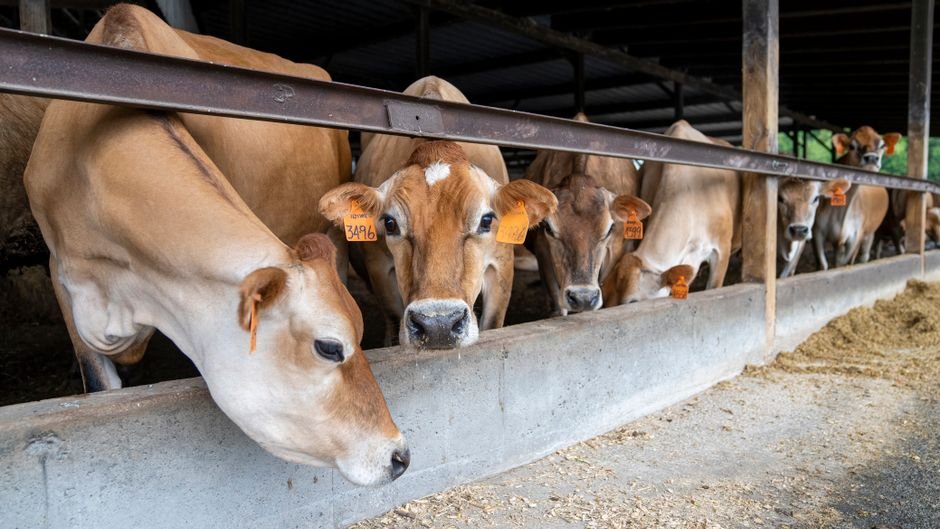
Raw cow’s milk is not a fixed liquid. Breed, stage of lactation, feed, temperature, health, and even milking interval can change the numbers. Jerseys typically produce milk with higher fat and protein than Holsteins, while milk from early lactation often looks different from mid-lactation milk. That is why composition is measured with standardized methods instead of by appearance alone.
The most common ways milk is tested
Most dairy labs use a mix of rapid instruments and reference methods. Rapid instruments are fast enough for routine herd testing and milk pickup testing. Reference methods are slower, more labor-intensive, and used to calibrate the faster machines or resolve disputes. The table below shows the main methods and what each one is used for.
| Test or method | What it measures | Why it matters | Common use |
|---|---|---|---|
| Infrared milk analyzer | Fat, protein, lactose, total solids | Fast routine composition results | Milk recording labs, processors, herd testing |
| Gerber method | Milk fat | Traditional reference-style fat test | Some dairy labs and quality control |
| Kjeldahl method | Total nitrogen, used to calculate protein | Reference protein measurement | Calibration and official lab work |
| Gravimetric drying | Total solids or solids-not-fat | Measures water loss and dry matter directly | Reference testing and product verification |
| Somatic cell count test | White blood cells and udder health signal | Detects mastitis risk and milk quality issues | Herd health monitoring and milk payment systems |
| Freezing point test | Water addition or dilution signal | Checks for adulteration or contamination with water | Milk collection and plant intake |
Infrared milk analyzers: the workhorse of modern testing
The most widely used routine method for milk composition is infrared spectroscopy. Instruments such as Foss MilkoScan and Bentley analyzers pass infrared light through a milk sample and read how different molecules absorb that light. Because fat, protein, and lactose absorb energy in different patterns, the machine converts the signal into concentration values. This is the method many milk recording labs and processors rely on because it is fast, repeatable, and suitable for high sample volumes.
Infrared testing does not “weigh” each component directly. Instead, it depends on calibration against reference methods. That is why a lab will periodically run standards and check performance against known samples. If the calibration drifts, the machine can still produce numbers that look precise but are not accurate. For that reason, milk testing labs follow strict quality control routines and use certified reference samples.
Reference methods used to confirm the numbers
When a lab needs a legally defensible or highly accurate result, it turns to reference methods. The Gerber method is a classic fat test that uses sulfuric acid and amyl alcohol to separate fat into a calibrated butyrometer. It remains common in parts of the world because it is inexpensive and practical, though many modern labs prefer instrument-based methods for speed.
For more on this, see our related guide: Optimizing Dairy Cow Feeding Schedule by Lactation Stage for Peak Milk Production.
Protein is often measured by the Kjeldahl method, which determines total nitrogen and then converts nitrogen to protein using a factor. In dairy work, the factor 6.38 is commonly used for milk protein calculations. Total solids can be measured gravimetrically by drying a known milk sample and weighing what remains. These methods take longer than infrared testing, but they are important because they anchor the faster systems to a real measurement standard.
How somatic cell count fits into milk composition
Somatic cell count, or SCC, is not a nutrient measurement, but it is one of the most important milk-quality indicators on dairy farms. High SCC usually means the cow is fighting udder inflammation, often mastitis. In practice, SCC is measured with automated cell counters in labs or on farm using tools such as the DeLaval Cell Counter or the Fossomatic system. These devices count cells in a milk sample and report the result as cells per milliliter.

Many processors use SCC as part of quality payment systems because it affects shelf life, cheese yield, and processing performance. A low SCC generally indicates healthier udders and better-quality milk, while a rising SCC can point to a herd management problem before obvious clinical signs appear. So although SCC is not part of the milk’s nutritional composition, it is part of the broader picture of milk quality.
What farmers and processors are actually looking for
Different buyers care about different parts of milk composition. Fluid milk plants often focus on consistent fat and protein levels, because those affect standardization and product labeling. Cheese plants pay close attention to protein, casein, and the fat-to-protein balance because those influence curd formation and yield. Butter and cream processors, naturally, care most about fat content. For herd managers, the goal is often to use composition data to evaluate feed efficiency, lactation stage, and overall cow health.
That is why a single milk sample can have multiple uses. A fat test can help with payment, a protein test can guide breeding and nutrition decisions, and SCC can warn of mastitis. In many herds, monthly milk recording gives a practical snapshot of how nutrition and health are affecting the tank.
How a milk sample is collected and prepared
Good results start with a good sample. Milk should be mixed thoroughly before sampling, because fat rises if milk sits still. Collection bottles are usually filled from a well-mixed stream during milking or from the bulk tank after agitation. Preservatives such as bronopol may be added for lab samples to slow bacterial growth and keep the sample stable during transport. The sample is then cooled and sent to the lab as quickly as possible.
If you’re also looking into this, our article on Understanding Total Mixed Ration (TMR) for Dairy Cows: A Complete Guide covers it in more detail.
Before analysis, the lab may warm the sample gently and re-mix it to bring fat back into suspension. Poor sampling is one of the biggest reasons composition results look inconsistent. A bad sample can make a healthy herd look uneven or make two tests on the same milk seem to disagree. That is why sample handling is just as important as the analyzer itself.
How accurate are milk composition tests?
Milk composition testing is very accurate when the method is calibrated correctly and the sample is handled properly. Infrared analyzers are highly repeatable, which makes them ideal for routine monitoring, but they depend on strong calibration and regular verification. Reference methods are slower, but they are the benchmark used to check the instruments. In practice, the biggest sources of error are usually bad sampling, poor mixing, contamination, or a drifted calibration rather than the milk itself.
For farmers, the most useful approach is not to chase a single number, but to watch trends. A steady drop in protein may point to an energy imbalance in the ration. A rising SCC may suggest mastitis pressure. A sudden change in freezing point can indicate water contamination or a collection problem. The value of milk composition testing is not just the result on paper; it is the management decision it supports.

Why breed and lactation stage change the results
Milk composition is not the same across every cow, and that matters when interpreting test results. Jerseys usually produce milk with a higher concentration of fat and protein than Holsteins, while Holsteins often produce more total volume. A cow early in lactation can show lower fat or protein than the same cow later on, especially if she is under metabolic stress. Feed level, fiber quality, heat stress, and milk yield all influence composition too.
That is why a farm should compare cows against their own normal pattern rather than against a single ideal number. A “good” fat percentage in one herd may be ordinary in another, depending on breed and feeding system. Composition testing works best when the numbers are read in context, not in isolation.
This ties in closely with Silage vs Hay: Which Is Better for Dairy Cows?, worth a look if you want to go deeper.
Frequently Asked Questions
What is the most common method used to measure milk composition?
Infrared milk analyzers are the most common routine method. They quickly measure fat, protein, lactose, and total solids by reading how milk absorbs infrared light. Labs use reference methods such as Kjeldahl or gravimetric drying to calibrate and verify those instruments.
Can milk fat and protein be measured on the farm?
Yes, but most on-farm testing is part of a broader herd-testing system rather than a stand-alone guess. Portable analyzers and milk recording services can give useful results, but they still depend on proper sampling and calibration. For official or payment-related results, samples are usually sent to a certified lab.
Why does somatic cell count matter if it is not a nutrient?
Somatic cell count matters because it is one of the best routine indicators of udder health. High SCC is often linked to mastitis or inflammation, and that can reduce milk quality, lower cheese yield, and shorten shelf life. It is one of the first numbers dairy managers watch when milk quality starts to slip.
Does breed change milk composition?
Yes. Jerseys generally produce milk with higher fat and protein percentages than Holsteins, while Holsteins often produce more milk volume. That is why composition results should always be interpreted with the breed, feeding program, and stage of lactation in mind.
Why do labs still use old methods like Gerber or Kjeldahl?
Because they are trusted reference methods. Gerber fat testing, Kjeldahl protein analysis, and gravimetric drying provide benchmark results that help confirm or calibrate faster instruments. Even when modern analyzers do most of the routine work, those older methods remain important for accuracy and quality control.