
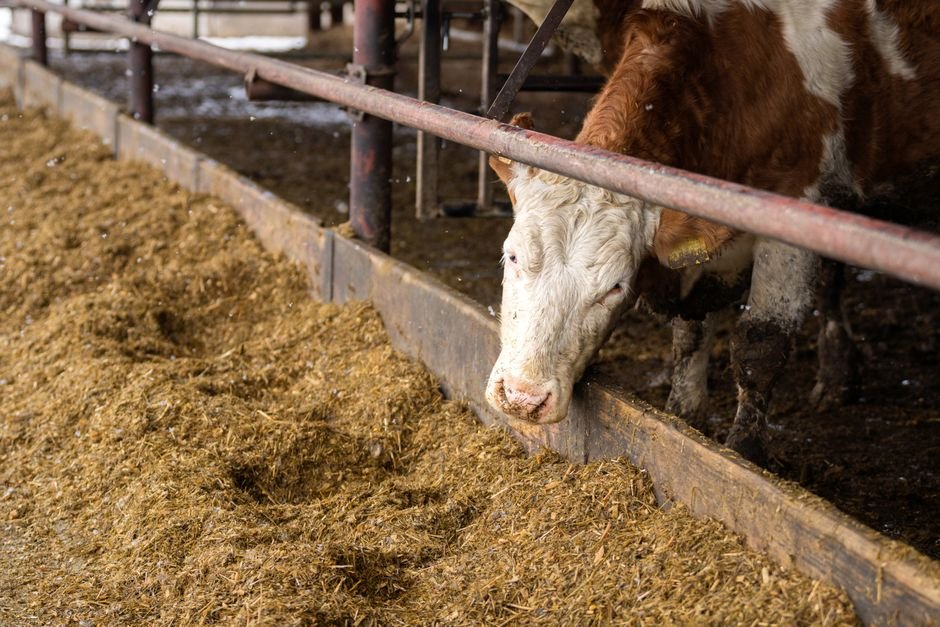
How feedlots measure cattle performance
Feedlots measure cattle performance by tracking how fast cattle gain weight, how efficiently they turn feed into gain, how healthy they stay, and what carcass value they produce at harvest. The core yardstick is average daily gain (ADG), but managers also watch dry matter intake, feed conversion, death loss, treatment rates, and grid or carcass grades from packers. Together, those numbers show whether a pen is making money or leaking it.
The main performance numbers feedlots watch
Performance in a feedyard is not judged by one number alone. A pen can gain well and still be unprofitable if cattle eat too much feed, get sick, or grade poorly. That is why most feedlots use a dashboard of production, health, and marketing metrics. The exact reporting system varies by yard, but the logic is the same: measure input, measure output, and compare the two.
| Metric | What it tells the feedlot | How it is commonly measured |
|---|---|---|
| Average daily gain (ADG) | How fast cattle are adding weight | Weight gain divided by days on feed |
| Dry matter intake (DMI) | How much feed cattle are actually eating | Pounds of dry matter consumed per head per day |
| Feed conversion / feed efficiency | How much feed it takes to produce a pound of gain | Pounds of DMI per pound of gain |
| Death loss | How many cattle are lost before marketing | Percent of cattle that die in the yard |
| Morbidity / treatment rate | How often cattle get sick enough to treat | Percent treated once or more |
| Carcass performance | Whether cattle meet market targets | Hot carcass weight, yield grade, quality grade, marbling |
Average daily gain is the starting point
Average daily gain is the simplest and most widely used measure of feedlot performance. It is calculated by taking the weight gained over a period and dividing it by the number of days. Many yards weigh cattle at arrival, then again at re-implanting, re-sorting, or closeout to estimate how much weight they have added. The more precise the weigh data, the better the estimate.
ADG matters because it shows whether cattle are converting feed and management into saleable pounds. A pen with strong ADG usually reaches market finish sooner, which can reduce days on feed and yardage costs. But ADG alone does not tell the whole story. Heavy gain from overfeeding can be expensive, and fast gain does not guarantee good carcass quality. That is why feedlots pair ADG with feed intake and carcass results instead of using it in isolation.
Feed conversion shows efficiency, not just growth
Feed conversion is one of the most important business measures in a feedlot. It shows how many pounds of feed dry matter are required to produce one pound of liveweight gain. A lower number means better efficiency. For example, if one pen needs 6.5 pounds of dry matter per pound of gain and another needs 7.5, the first pen is converting feed more efficiently, assuming the weights are measured the same way.
Feedlots often calculate feed conversion with closeout data from pen records, ration delivery records, and weight gain estimates. Some yards also adjust for shrink, mud, or death loss so the figure better reflects real performance. Nutritionists pay close attention to this metric because ration energy, bunk management, weather, and health all affect it. The U.S. Grains Council and many university extension programs use feed efficiency as a central benchmark when discussing feedlot economics.
Dry matter intake tells the real feed story
Feed delivered to a bunk is not the same as feed consumed, so feedlots track dry matter intake rather than just tonnage of ration delivered. Dry matter removes water from the equation and lets managers compare ingredients and rations more fairly. Intake is usually recorded as pounds of dry matter per head per day, often abbreviated DMI or DMI/head/day.
For more on this, see our related guide: Proven Tips to Reduce Weaning Stress in Calves During Hot Weather.
Intake helps explain both gain and feed conversion. If cattle are eating too little, gain can stall; if they are eating too much for the amount of gain produced, efficiency drops. Intake also gives early warning signs. A sudden drop in bunk consumption can point to sickness, weather stress, sorting issues, or feed delivery problems. Many feedyards use bunk sheets, feed truck scales, and ration formulation software to track intake pen by pen.
Health metrics matter as much as growth
Healthy cattle are more profitable cattle, so feedlots measure sickness closely. The two common health metrics are morbidity rate and death loss. Morbidity is the percentage of cattle treated for illness, usually respiratory disease, while death loss is the percentage that die before sale. Many operations also track first-treatment rate, retreatment rate, chronically ill cattle, and pulls from the pen.

These numbers matter because treatment costs, lost performance, and added labor can erase gains from a strong ration. A pen with excellent ADG but high pull rates may still underperform financially. Feedlots often work with a veterinarian to define treatment protocols and then record every pull in a pen management system. Common tools include chute-side records, ear tag IDs, and software platforms used by large yards to track treatment history and response patterns.
Carcass data reveals whether cattle hit the target
When cattle are harvested, feedlots use packer data to see whether the feeding program produced the right carcass. Common measurements include hot carcass weight, ribeye area, backfat, kidney-pelvic-heart fat, yield grade, and quality grade. In the U.S., USDA marbling and maturity standards determine Quality Grade categories such as Select and Choice, while Yield Grade estimates cutability.
This data is critical because two pens with similar live performance can have very different carcass outcomes. A pen that gains quickly but over-fattens may grade poorly on yield, while another may hit a better balance of finish and muscling. Feedlots often compare closeout sheets against USDA grading results to see how genetics, implant strategy, days on feed, and ration energy affected carcass value. For many yards, carcass premiums and discounts are just as important as liveweight gain.
How feedlots collect the data
Measuring performance starts with reliable records. Most feedlots use electronic identification, chute-side scales, pen counts, feed delivery logs, and closeout software. Weighing cattle at arrival and at key points during the feeding period helps estimate gain. Some yards also use shrink-adjusted weights so the numbers better reflect true body weight rather than gut fill and transport loss.
If you’re also looking into this, our article on Can Cows Eat Watermelon? How to Safely Feed Cull Fruit to Your Herd covers it in more detail.
On the feed side, mixers and commodity scales record what goes into each ration. On the animal side, bunk readers, pen riders, and hospital records document health and intake behavior. At marketing, packer sheets or carcass data services feed the final numbers back into the system. The best-managed yards use all of these records together, not separately, because one weak data point can distort the whole picture.
What managers compare from pen to pen
Feedlot managers rarely look at a single pen in isolation. They compare cattle by arrival source, breed type, sex, implant program, ration phase, and days on feed. That comparison helps explain why some pens perform better than others. For example, Angus-based cattle often grade differently than Continental-influenced cattle, and heifers generally behave differently from steers in both intake and finish.
Pen comparisons also help identify management issues. If one pen from a supplier consistently needs more treatment or finishes later than expected, the problem may be genetics, preconditioning, or arrival stress. If several pens on the same ration show poor feed conversion, the issue may be bunk management, ingredient variation, or weather. Feedlot software and spreadsheet closeouts make these comparisons easier, but the real value comes from using the numbers to change decisions.

Common mistakes when judging performance
One common mistake is focusing only on average daily gain and ignoring feed cost. Fast gain can look impressive, but if the ration is expensive or cattle are overfinished, profit can shrink quickly. Another mistake is comparing pens without accounting for shrink, mud, death loss, or starting weight differences. Those factors can make one pen look better or worse than it truly is.
Another trap is waiting until closeout to find problems. The best feedlots monitor performance during the feeding period, not just at the end. Daily bunk checks, health pulls, and periodic weights help catch issues early enough to fix them. Good performance measurement is less about fancy software and more about consistent recordkeeping, accurate weighing, and disciplined follow-through.
This ties in closely with Effective Cattle Housing and Shelter: A Comprehensive Guide for Optimal Herd Health, worth a look if you want to go deeper.
Frequently Asked Questions
What is the most important feedlot performance metric?
Average daily gain is often the first metric people look at, but feed conversion is usually just as important because it ties growth to feed cost. A pen that gains quickly but eats too much can still be less profitable than a slower, more efficient pen.
How often do feedlots weigh cattle?
That depends on the yard, but cattle are commonly weighed at arrival and then again at key checkpoints such as re-implanting, sorting, or closeout. Some feedlots weigh more often when they want tighter data on gain or when cattle are being sorted by weight.
Why do feedlots care about carcass grades if they are selling live cattle?
Many feedlots are paid on carcass value or use closeout data to judge how well the feeding program worked. Carcass weight, yield grade, and quality grade show whether cattle hit the market target and whether the ration and days on feed produced the desired return.
What does a high treatment rate mean in a feedlot?
A high treatment rate usually means more cattle got sick, which raises veterinary costs and can reduce gain and carcass quality. Respiratory disease is the most common issue tracked, but yards also watch retreatments and chronically ill cattle because those animals often underperform.
Do all feedlots measure performance the same way?
No. The core measures are similar, but the exact formulas and reporting systems can differ by yard. Some use shrink-adjusted weights, some track pen-level instead of individual animal data, and some place more emphasis on carcass premiums than others.