
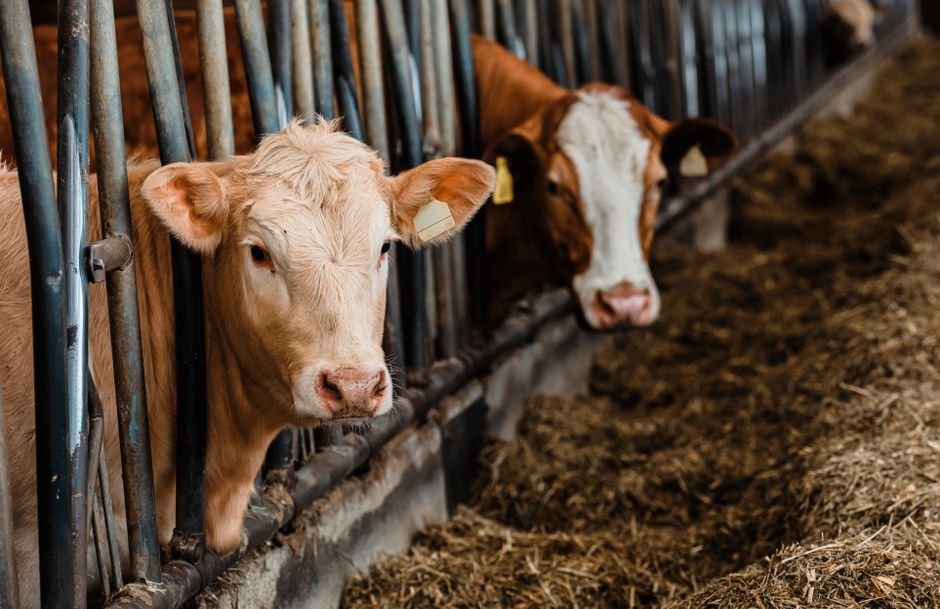
An enterprise budget is a detailed financial plan for one farm activity, such as milk production, beef cattle, heifer raising, corn silage, or hay. It estimates the revenue, variable costs, and expected profit for that single enterprise, usually for one production cycle or one year. Farmers use it to compare options, test changes, and decide whether a crop or livestock enterprise is worth keeping, expanding, or cutting back.
What an enterprise budget actually shows
An enterprise budget isolates one part of the farm business so you can see its economics clearly. Instead of looking at the whole farm, it focuses on the income and costs tied to a single enterprise. On a dairy farm, for example, that might mean the cost and return of producing 100 pounds of milk, raising replacement heifers, or growing forage. The goal is not bookkeeping for taxes; it is decision-making.
Most enterprise budgets include expected yield or production, expected price, gross income, direct costs, and a return above those costs. Many also include labor, machinery use, and sometimes a charge for land, buildings, or owned capital. University extension budgets from places such as Penn State Extension, Iowa State University Extension and Outreach, and Cornell PRO-DAIRY use this same basic structure because it lets producers compare enterprises on a like-for-like basis.
Why farmers use enterprise budgets
Farmers use enterprise budgets to answer practical questions: Should I feed more homegrown forage or buy grain? Is this group of steers likely to cover feed and yardage? Does a new alfalfa stand pencil out better than corn silage on this field? Because the budget is enterprise-specific, it shows which parts of the farm are paying their way and which ones are dragging down returns.
Enterprise budgets are especially helpful when input costs move quickly. Feed, fertilizer, fuel, seed, veterinary supplies, and interest rates can change a budget fast. A dairy producer might use a budget to compare a parlor-fed herd with a robotic milking system, or to see whether buying replacement heifers is more efficient than raising them. The budget also helps with lender conversations, lease negotiations, and long-term planning because it turns a gut feeling into numbers.
The main parts of an enterprise budget
Although formats vary by university or lender, most enterprise budgets include the same core pieces. The table below shows the standard sections and what they mean in plain language.
| Budget section | What it includes | Why it matters |
|---|---|---|
| Production level | Yield, pounds of milk, calves weaned, or head sold | Sets the scale for all revenue and cost estimates |
| Receipts | Sales of milk, livestock, crops, cull animals, or byproducts | Shows expected income from the enterprise |
| Variable costs | Feed, seed, fertilizer, vet bills, bedding, fuel, repairs, marketing | These costs usually change with the size of the enterprise |
| Fixed or overhead charges | Land charge, machinery ownership, depreciation, interest, taxes, insurance | Shows the full economic cost of production |
| Returns | Gross margin or net return after costs | Helps compare one enterprise against another |
Some budgets also include unpaid family labor, management, and opportunity cost. Those items matter because they help answer the question, “Would this enterprise still be worthwhile if I priced everything fairly, including my own time and capital?” That is often the difference between a cash-positive enterprise and one that only looks profitable because some costs were left out.
For more on this, see our related guide: How Much Hay Does a Cow Eat Per Year? A Practical Bale Calculator Explained.
Enterprise budget vs. whole-farm budget
A whole-farm budget looks at the entire operation: all livestock, crops, labor, debt payments, machinery, and overhead together. An enterprise budget narrows the lens to one product or activity. Both are useful, but they answer different questions. A whole-farm budget is better for cash flow and solvency. An enterprise budget is better for choosing between enterprises or improving one part of the farm.
| Feature | Enterprise budget | Whole-farm budget |
|---|---|---|
| Scope | One enterprise, such as dairy cows or corn silage | The full farm business |
| Main use | Compare profitability of individual enterprises | Check total cash flow and business viability |
| Detail level | High detail on direct costs and returns | Broader view of income, debt, and overhead |
| Best for | Decision-making on production choices | Budgeting, borrowing, and long-term planning |
For a dairy farm, the two tools work together. The enterprise budget might show whether raising replacements is cheaper than buying bred heifers. The whole-farm budget then shows whether the farm can afford the feed, facilities, and labor needed to support that choice. Using only one of the two can give a distorted picture.

How a dairy or cattle enterprise budget is built
The process starts with a realistic production estimate. For dairy, that might be milk sold per cow per year, butterfat and protein premiums, cull cow income, and calf sales. For beef or stocker cattle, it may be pounds gained, sale weight, death loss, and market price. Then you list every input tied to that enterprise: feed, pasture rent, mineral, vaccinations, breeding, bedding, trucking, and fuel.
Next, the budget assigns costs to each input using current prices or local averages. Extension budgets often use regional assumptions from state reports, USDA market data, or farm records. If machinery is involved, the budget may include custom rates or ownership costs such as depreciation and interest. The final step is to subtract costs from revenue to estimate net return. A useful budget is not a fantasy; it should reflect your own herd size, soil, feed program, and management style.
Common mistakes that make enterprise budgets misleading
The biggest mistake is mixing enterprise costs with farmwide overhead. If one enterprise gets blamed for all the barn taxes or office expenses, the numbers can become unfair. Another common error is using outdated prices for feed, fertilizer, or replacement animals. A budget built from last year’s numbers may be useless if corn or soybean meal has moved sharply.
Other mistakes are just as damaging:
- Using average production instead of realistic, current performance
- Leaving out labor, especially unpaid family labor
- Ignoring shrink, death loss, or cull rates
- Forgetting opportunity cost on land or owned capital
- Assuming one “good year” is a normal year
On a cow-calf or dairy operation, a budget should also separate biological performance from market timing. A herd can be efficient and still lose money if calf prices, cull cow values, or milk checks fall. That is why strong budgets are updated regularly instead of filed away after one meeting.
If you’re also looking into this, our article on 26. Best Cattle Breed for Small Acreage: 10 Top Picks for Efficient Farming covers it in more detail.
A simple example for a cow enterprise
Suppose a producer is evaluating a beef cow enterprise. The budget would estimate annual calf revenue, cull cow sales, and any other income tied to the herd. Against that, it would list feed, pasture, veterinary care, breeding, minerals, bedding, hauling, and labor. If the cows require owned pasture, the budget may also include a pasture charge or land opportunity cost.
If the enterprise shows a positive return, that does not automatically mean expansion is wise. It may still be limited by forage supply, labor, fencing, water, or cash flow. But if the budget shows a negative return after realistic costs are included, the producer has a clear warning sign. That can lead to changes such as reducing winter feed expenses, improving conception rates, selling low-performing cows, or shifting land to a more profitable use.
Where enterprise budgets come from
Many producers build budgets from farm records, but published templates are widely available. U.S. land-grant universities regularly publish enterprise budgets for crops and livestock. Sources such as University of Wisconsin-Madison Extension, North Carolina State Extension, Oklahoma State University Extension, and Penn State Extension provide templates that can be adapted to local conditions. USDA ERS and USDA NASS data can also help with price and production assumptions.
The best budget is usually a hybrid: use published benchmarks for structure and local farm records for actual performance. That way, the budget reflects real-world conditions in your region rather than generic averages. A dairy farm in Wisconsin, for instance, will not use the same feed mix, forage yields, or housing costs as a grazing herd in the Southeast, even if both are budgeting “cows.”

How often should you update an enterprise budget?
At minimum, update enterprise budgets once a year. In volatile markets, it is smart to revisit them more often, especially before planting, breeding, buying feed, or expanding a herd. If corn prices, milk markets, or fertilizer costs change sharply, a stale budget can lead to the wrong decision. Many farms review budgets at the start of the season and then again after major market shifts.
A good rule is to update the numbers whenever a key assumption changes: feed cost, herd size, death loss, milk price, pasture rent, or interest rates. Even small changes can matter when multiplied across dozens or hundreds of cows. The budget is not meant to predict the future perfectly. It is meant to keep decisions tied to current information rather than memory or habit.
This ties in closely with 33 Best Cattle Breeds for Grass Fed Beef: Top Picks for Small Farms, worth a look if you want to go deeper.
Frequently Asked Questions
What is the main purpose of an enterprise budget?
The main purpose is to measure the income and costs of one farm enterprise so you can compare it with other enterprises or decide whether to keep it. It helps answer questions about profitability, efficiency, and resource use.
What is included in an enterprise budget for cattle?
A cattle enterprise budget usually includes calf or animal sales, cull cow income, feed, pasture, minerals, veterinary costs, breeding, bedding, hauling, labor, and sometimes land or capital charges. The exact items depend on whether the enterprise is beef cows, stockers, or dairy replacement heifers.
Is an enterprise budget the same as a profit and loss statement?
No. A profit and loss statement records actual financial results from the whole business over a period of time. An enterprise budget is a planning tool for one activity and usually uses projected prices, yields, and costs.
Can an enterprise budget help with dairy decisions?
Yes. Dairy farms use enterprise budgets to compare milk production systems, replacement heifer raising, forage production, and feeding strategies. It can show which enterprise has the strongest return after feed, labor, and overhead are included.
Where can I find a reliable enterprise budget template?
Land-grant university extension services are usually the best place to start. Look for budgets from your state or region through Extension programs, since they are more likely to match local prices, yields, and management practices.