
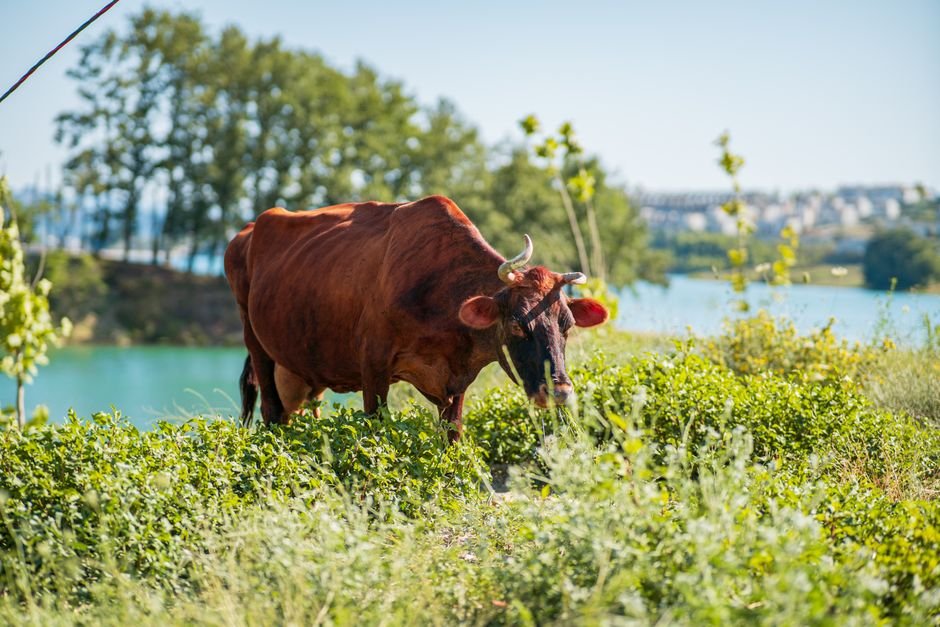
How to start a new cattle pasture from scratch
To start a new cattle pasture from scratch, begin with a soil test, clear and level the ground, fix drainage problems, seed a forage mix suited to your climate, and wait until plants are well rooted before grazing. The pasture also needs reliable perimeter fencing, a water source, and a grazing plan that protects young grasses during establishment. Rushing any of those steps usually means thin stands, weeds, and wasted seed.
Start with the land, not the seed
The fastest way to ruin a new pasture is to seed before you solve the land problems underneath it. Walk the site after a rain and note where water pools, where topsoil is thin, and where erosion is already moving. Cattle do best on ground that drains reasonably well and can support hoof traffic without turning into mud. If the field is rough, consider grading low spots, filling gullies, or installing surface drainage before you spend money on seed.
A soil test should come before any fertilizer purchase. Most state Extension services can run one, and the report will tell you pH, phosphorus, potassium, and sometimes organic matter. For many forage species, a near-neutral pH is ideal; if the soil is too acidic, lime may be needed months ahead of planting because it takes time to react. USDA NRCS and university Extension offices are good references for local forage and soil recommendations.
Choose forage species that fit your climate and grazing style
Your pasture mix should match rainfall, temperature, and how you plan to graze. In cool-season regions, tall fescue, orchardgrass, timothy, Kentucky bluegrass, white clover, and red clover are common choices. In warmer areas, bermudagrass, bahiagrass, dallisgrass, and legumes such as crabgrass or clovers may be more practical. If your area has a short growing season or frequent drought, ask your local Extension office which species have the best track record nearby.
It helps to separate “forage that grows well” from “forage cattle actually use well.” Tall fescue is hardy and productive, but endophyte issues matter unless you select an improved or novel-endophyte variety. Legumes can improve protein and reduce nitrogen needs, but they require good fertility and careful grazing. If you want a simple first pasture, many small farms start with a grass-dominant mix and add legumes later once the stand is established.
| Pasture option | Best suited for | Main advantage | Main caution |
|---|---|---|---|
| Tall fescue | Cool-season regions | Hardy, productive, durable | Choose endophyte-safe varieties when possible |
| Orchardgrass + clover | Well-drained soils | Good palatability and quality | Needs steady fertility and grazing control |
| Bermudagrass | Warm-season regions | Handles heat and grazing pressure | Requires warmth and can be invasive in some settings |
| Bahiagrass | Sandy, low-input soils | Tough and persistent | Lower quality than many improved grasses |
Prepare the seedbed so seedlings can actually win
Weeds and clods are competitors, so the seedbed should be clean and firm. If you are converting old sod, you may need to terminate existing vegetation with mowing, tillage, or a herbicide program based on local recommendations. On many sites, a firm seedbed is more important than a fluffy one. A common test is the “footprint rule”: if your boot sinks more than about half an inch, the seedbed may be too loose and the seed can be planted too deep or dry out too quickly.
For more on this, see our related guide: 24 Best Cattle Breeds for Beginners: Calm, Hardy, and Easy to Manage.
For small-seeded forages, shallow placement matters. Many grass and clover seeds should be planted no deeper than about 1/4 to 1/2 inch, depending on species and soil conditions. Drilling usually gives more even coverage than broadcasting, especially on rough ground or slopes. If you broadcast, a cultipacker or light harrow can help improve seed-to-soil contact. The goal is not to bury the seed; it is to press it into moisture so it can germinate evenly.
Use real numbers when you order seed, lime, and fertilizer
Seed rates vary by species, so use the label and local Extension guidance instead of guessing. A pasture mix might be planted at a few pounds per acre for clover or much more for a full grass stand, depending on the species and whether you are drilling or broadcasting. Always check the purity, germination percentage, and “PLS” or pure live seed calculation when comparing bags. A cheaper sack can become the more expensive choice if germination is poor.
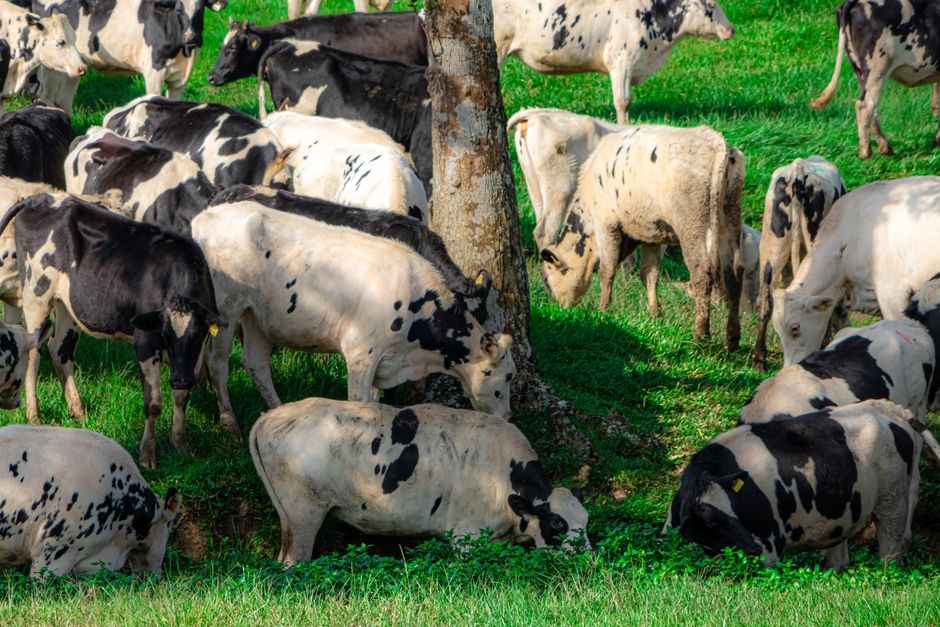
Fertilizer should follow the soil test, not a habit. If the test calls for lime, apply it first and give it time. Potassium and phosphorus are often the nutrients most tied to forage establishment, while nitrogen is usually used more selectively in new stands, especially if legumes are included. If you are unsure, ask for a forage-specific recommendation from your county Extension agent or a reputable agronomist. Guesswork here often creates lush weeds instead of a durable pasture.
Fence and water the pasture before you turn cattle in
Cattle will test weak points immediately, so fencing is not a finish detail. A new pasture should have a secure perimeter fence before grazing starts, whether that is woven wire, high-tensile electric, or a combination. Corner posts, braces, gates, and energizers all matter. If you plan to rotate cattle later, install lanes or cross-fencing while equipment access is still easy. It is much simpler to set posts before the forage is tall.
Water placement is just as important. Cattle generally prefer water within a short walk of the grazing area, and poor access can reduce pasture use. Whether you use tanks, troughs, ponds, or a pipeline-fed system, make sure the source is dependable in dry weather. A leak or frozen line can undo a season of pasture growth. If the site lacks a reliable water source, solve that problem before stocking cattle, not after.
Grazing too early is the most expensive mistake
A new pasture looks ready long before it is ready. Grazing too soon can pull seedlings out by the roots and leave you with bare patches that fill with weeds. Most new stands need time to develop a strong root system and enough leaf area to recover after defoliation. The exact waiting period depends on species, weather, and planting date, but the practical rule is simple: do not graze until plants are firmly rooted and the stand can tolerate a light pull test without lifting.
If you’re also looking into this, our article on How Much Does Homestead Planning Cost for a Small Cattle Farm? A Detailed Breakdown covers it in more detail.
When you do start, use light stocking pressure and short grazing periods. Many producers begin with a brief “flash” graze or a few animals for limited time, then remove them before the pasture is cropped too closely. Leave enough residual leaf area for regrowth. If the stand is uneven, graze the strongest sections first and protect weak spots. Temporary electric fencing can help keep cattle from overusing the same area while the pasture is still filling in.
Manage the first year like an establishment project, not a finished pasture
The first year is about survival and root development, not maximum production. Mow weeds before they go to seed if the forage can tolerate it, and avoid letting broadleaf weeds get ahead of the grass. If you see bare patches, reseed early rather than waiting for the problem to spread. Keep an eye on insect pressure, especially in warm, moist conditions where armyworms or other pests can show up quickly.
Rotate use carefully and watch ground conditions after rain. Hoof damage on saturated soil can set a new pasture back for months. In many cases, a newly planted field does better with rest than with repeated “just a little more grazing.” By the end of the first growing season, you should see a more uniform stand, fewer weeds, and stronger root anchoring. That is the signal that the pasture is becoming a long-term grazing asset rather than a repair project.
A practical timeline for starting from scratch
| Stage | What to do | Why it matters |
|---|---|---|
| Before planting | Soil test, clear weeds, fix drainage, plan fencing and water | Prevents expensive problems after seeding |
| Planting time | Seed the right species at the right depth on a firm seedbed | Improves germination and stand uniformity |
| Early establishment | Monitor moisture, control weeds, avoid grazing | Protects young roots and leaf growth |
| First grazing | Use light pressure and short duration | Prevents seedlings from being pulled out or overgrazed |
| First year | Rotate carefully, reseed gaps, maintain fertility | Builds a lasting pasture base |
Frequently Asked Questions
How long does it take to establish a new cattle pasture?
Most pastures need at least one full growing season to become dependable, and some take longer depending on rainfall, species, and planting date. You may see usable growth earlier, but a pasture is not truly established until the stand is dense enough to handle grazing without thinning out.
Should I plant grass alone or mix in legumes?
Grass-only stands are simpler to manage, but adding legumes like white clover or red clover can improve forage quality and reduce nitrogen needs. The tradeoff is that legumes usually demand better fertility and more careful grazing. If this is your first pasture, a grass-dominant mix is often easier to manage.
This ties in closely with The Ultimate Cattle Farm Checklist for Land and Acreage Management, worth a look if you want to go deeper.
What is the best time of year to seed cattle pasture?
The best planting window depends on your region and forage species. Cool-season grasses are often seeded in late summer or early fall, while warm-season grasses are usually planted in late spring or early summer when soil temperatures are high enough for good germination. Local Extension guidance is the safest way to time it correctly.
Can I graze a new pasture if the grass looks tall enough?
Not necessarily. Height alone does not mean the plants have enough root strength. A young stand can look impressive above ground while still being easy to pull out or damage. Wait until the pasture is firmly rooted and ready for only light, controlled grazing.
Do I need a soil test before seeding?
Yes. A soil test is one of the cheapest and most useful steps in pasture establishment. It tells you whether the pH and nutrient levels are suitable for the forage you want to grow, and it helps you avoid wasting money on fertilizer or lime that the soil does not need.
This article is for general information and isn’t a substitute for advice from a qualified veterinarian, agronomist, or local Extension specialist familiar with your farm conditions.