
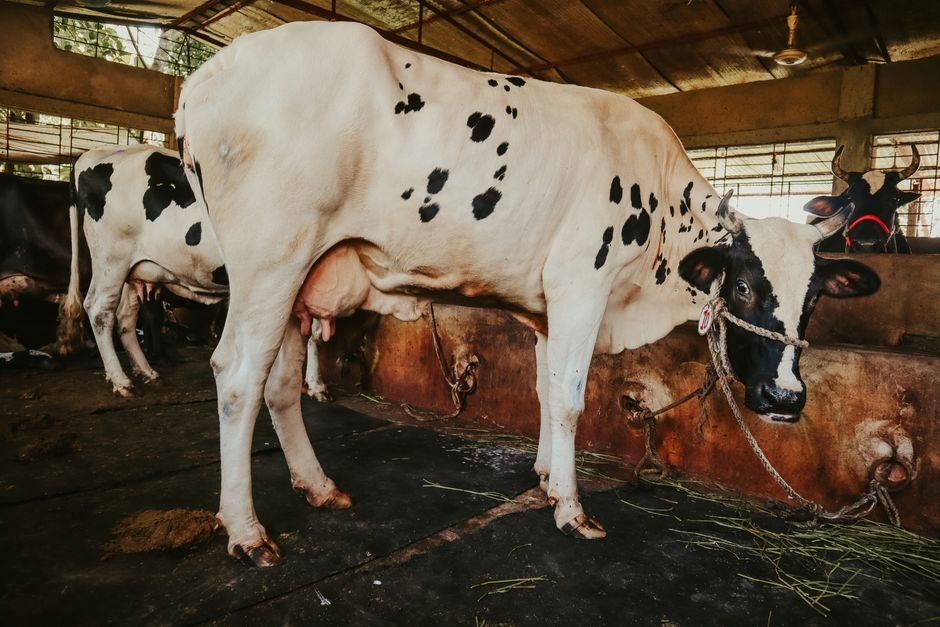
Sahiwal cattle are one of South Asia’s most valued dairy breeds because they handle heat well, tolerate ticks better than many exotic dairy cows, and still produce useful milk on modest feed. For beginners, the breed makes sense if you want a hardy zebu dairy cow that performs reliably in hot climates. It is not a high-input, high-yield Holstein replacement, but it is far easier to manage in tough conditions.
What makes the Sahiwal breed stand out?
Sahiwal cattle belong to the Bos indicus group and originated in the Punjab region of present-day Pakistan and northwestern India. They were developed under hot, dry conditions, which is why they are known for strong heat tolerance, grazing ability, and resistance to external parasites. The breed is widely recognized by livestock authorities and is used in several tropical dairy improvement programs because it combines reasonable milk production with hardiness.
For a beginner, that combination matters more than headline milk numbers. A cow that stays healthy, breeds back, and maintains body condition in summer is often more profitable than a fragile animal that needs constant intervention. Sahiwals are also calm enough for smallholder systems when handled consistently, which is useful if you are learning dairy management for the first time.
How to identify a Sahiwal cow
Sahiwals are usually reddish brown, though shades can range from light reddish dun to deeper mahogany. Their skin is loose, the dewlap is prominent, and the hump is well developed, which are classic zebu features. Horns are generally short and stumpy, and the ears tend to be medium-sized and pendulous. Cows are typically more refined in build than bulls, with a deeper barrel and a visibly dairy-type frame.
One useful beginner tip is to look beyond color alone. Several indigenous breeds can be reddish, so body structure matters. Sahiwals generally show a long body, strong legs, and a roomy udder with well-placed teats. If you are buying from a local market, ask for the animal’s breeding history, milk records, and age estimate rather than relying only on appearance.
Milk yield and production expectations
Sahiwal cows are not among the highest-yielding dairy breeds globally, but they are dependable. Under good management, lactation yields are often reported in the range of about 1,500 to 2,500 liters per lactation, with some well-managed animals producing more. Daily yield commonly falls in the roughly 8 to 12 liter range in productive cows, though this depends heavily on feed, stage of lactation, and genetics.
For beginners, the key point is consistency. Sahiwal milk is valued for its butterfat and suitability for ghee, curd, and traditional dairy products. If you plan to sell milk locally, the breed can be a strong fit in hot areas where crossbreds struggle. If you are aiming for very high-volume commercial milk production, however, you may find specialized exotic dairy breeds more productive under intensive systems.
For more on this, see our related guide: Proven Tips to Reduce Weaning Stress in Calves During Hot Weather.
Temperament, fertility, and adaptability
Sahiwals are generally docile and manageable, which makes daily handling easier for small farms and family dairies. They are also known for better fertility than many highly selected exotic dairy cows in tropical conditions. Calving intervals can be kept reasonable when nutrition, mineral balance, and heat detection are handled properly, and cows usually adapt well to grazing-based or semi-intensive systems.
This breed’s adaptability is one of its biggest advantages. Sahiwals cope better with heat stress, poor-quality roughage, and tick pressure than many European dairy breeds. That does not mean they thrive on neglect, but they are more forgiving of beginner mistakes. If your farm has hot summers, limited cooling infrastructure, or variable feed quality, this breed can be a practical choice.

Feeding and nutrition basics
A Sahiwal’s feeding plan should be built around good roughage, clean water, and a balanced concentrate allowance during lactation. Green fodder such as napier grass, maize fodder, sorghum, berseem, or lucerne can support milk production when available. Dry fodder like wheat straw or hay can be used, but quality matters because poor roughage quickly limits milk output and body condition.
For a lactating cow, concentrates are usually added to cover extra energy and protein needs. Mineral mixture and salt should not be skipped, especially in dairy animals. Clean water is non-negotiable; milk-producing cows can drink a large amount daily, and heat increases demand further. If you are unsure about ration balancing, work with a local livestock nutritionist or extension officer rather than guessing.
Housing and daily care
Sahiwal cattle do best in airy, shaded housing that reduces heat load. A dry, non-slippery floor, good drainage, and enough lying space are more important than fancy construction. In hot climates, orienting sheds to allow airflow and adding shade trees or roof insulation can make a noticeable difference in comfort and milk performance. Fly control also matters because insects reduce feed intake and irritate the udder.
Daily care should include udder checks, manure removal, clean bedding, and observation for reduced appetite, lameness, or fever. Simple routines help beginners catch problems early. Milking should be done at consistent times, with clean hands and clean equipment. If you use machines, keep liners and buckets sanitized; if you hand-milk, wash and dry the udder first to reduce contamination and mastitis risk.
Breeding and calf management
Sahiwal heifers should be bred only when they are physically mature and in good condition, not simply when they reach a calendar age. Good body growth before first breeding improves later milk performance and reduces calving problems. Heat detection is easier when you watch for mounting behavior, restlessness, bellowing, and mucus discharge. Because fertility can drop if cows are underfed or overheated, nutrition and comfort are part of breeding management.
If you’re also looking into this, our article on Can Cows Eat Watermelon? How to Safely Feed Cull Fruit to Your Herd covers it in more detail.
Newborn calves need colostrum quickly, ideally within the first few hours after birth, because it provides antibodies that protect against early disease. Keep the calving pen clean and dry, dip the navel with an approved disinfectant, and monitor the calf’s appetite and stools. Healthy early life management sets the foundation for future milk production, whether the calf is kept for replacement or raised for sale.
Sahiwal vs Holstein and Jersey: which is better for beginners?
| Trait | Sahiwal | Holstein | Jersey |
|---|---|---|---|
| Heat tolerance | Very strong | Lower in hot climates | Moderate |
| Milk volume | Moderate | Very high | Moderate to high |
| Feed demand | Moderate | High | Moderate |
| Parasite tolerance | Good | Lower | Moderate |
| Best fit | Hot, low- to medium-input farms | Cooler, high-input dairies | Moderate-input dairy systems |
If you are a beginner in a hot region, Sahiwal often makes more sense than a Holstein because management stress is lower. Jerseys are also attractive for their rich milk, but Sahiwals usually have the edge in heat and field toughness. The best breed depends on climate, feed supply, and how much labor and veterinary support you can realistically provide.
Common mistakes beginners make with Sahiwal cattle
One common mistake is assuming a hardy breed needs little care. Sahiwals are resilient, but they still need balanced feed, parasite control, and clean housing. Another mistake is buying on appearance alone without checking age, pregnancy status, or milk records. A third is overstocking the shed, which increases disease pressure and reduces comfort. Beginners also sometimes underfeed lactating cows because the animal “looks fine,” even though milk production is already falling.
Another avoidable error is breeding too early or too late. Heifers that are bred before they are physically ready often struggle later, while cows kept open too long lose productivity. Finally, do not ignore tick control and deworming plans. Even a hardy indigenous cow can lose condition quickly if internal and external parasites are left unchecked.

How to choose a good Sahiwal animal
When buying, look for a healthy coat, bright eyes, clean nostrils, sound feet, and a well-shaped udder if the cow is milking. Ask to see how much milk she gives at the udder, not just what the seller claims. If possible, observe the animal for a day to check appetite, temperament, and milk letdown. A cow that is calm, feeds well, and walks soundly is usually a better beginner purchase than one that looks flashy but is hard to manage.
Also check the farm or seller’s reputation. Animals from known breeding herds or livestock stations are easier to evaluate than cattle from an unrecorded market chain. If you are buying breeding stock, request information on sire lineage, calving history, and any disease testing available in your area. Good records save money later.
This ties in closely with Understanding the Disadvantages of Handling Basics in Cattle Management, worth a look if you want to go deeper.
Frequently Asked Questions
Are Sahiwal cows good for small farms?
Yes. Sahiwal cows are often a strong choice for small farms because they are heat tolerant, manageable, and productive under moderate-input systems. They are especially useful where forage quality varies and cooling facilities are limited.
How much milk does a Sahiwal cow give per day?
Many productive Sahiwal cows give around 8 to 12 liters per day, though actual yield can be lower or higher depending on genetics, feed, lactation stage, and climate. Well-managed cows can perform above that range.
What is the main advantage of Sahiwal cattle?
The main advantage is adaptability. Sahiwals handle heat, grazing conditions, and parasite pressure better than many exotic dairy breeds, which makes them practical in tropical and subtropical dairy systems.
Can Sahiwal cattle be crossed with other breeds?
Yes, they are often crossed with breeds such as Holstein or Jersey in dairy improvement programs. Crossbreeding can increase milk yield, but it may also reduce heat tolerance if the exotic percentage becomes too high for local conditions.
What should beginners feed a Sahiwal cow?
Beginner feeding should include quality roughage, clean water, and a balanced concentrate during lactation. Green fodder, dry fodder, mineral mixture, and salt are all important parts of a practical dairy ration.