
What protein supplements for cattle are
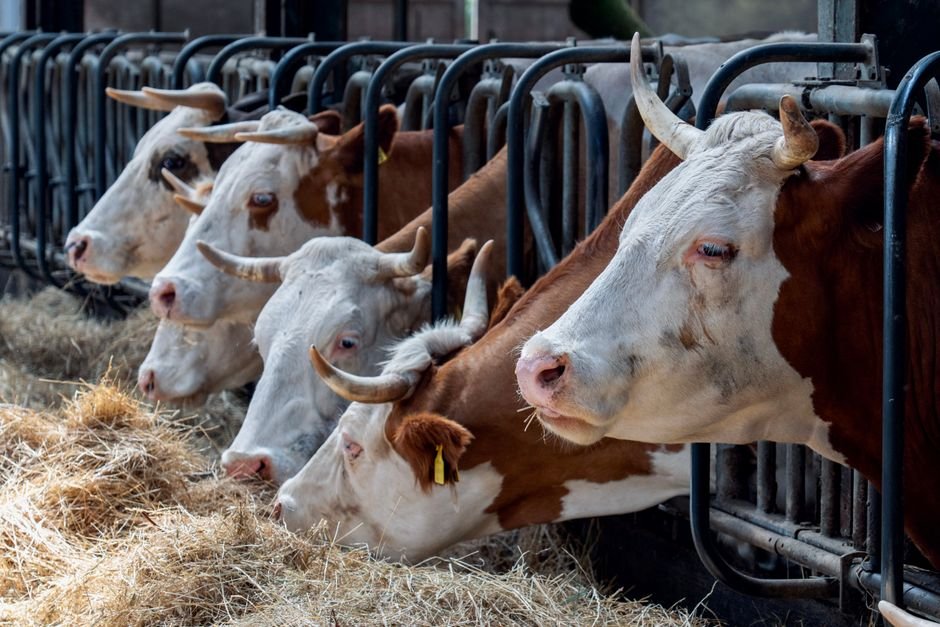
Protein supplements for cattle are feeds added to a forage-based diet to correct a protein shortfall, especially when grass, hay, or crop residues are low in crude protein. They are not “muscle builders” in the bodybuilding sense; they help rumen microbes work better so cattle can digest roughage, maintain body condition, grow, lactate, or breed more efficiently. Common examples include soybean meal, cottonseed meal, distillers grains, alfalfa, range cubes, tubs, and liquid protein feeds.
The right supplement depends on the forage in front of the herd, the class of cattle, and the goal: maintenance, gain, breeding, or recovery. In many herds, the need shows up most clearly in late gestation, early lactation, drought-stressed pasture, dormant winter range, or when hay tests low in crude protein. The key question is not “Should I feed protein?” but “What kind, how much, and how often does this forage actually need?”
Why cattle need extra protein on some diets
Cattle do not use forage the same way humans use a balanced plate. Their rumen depends on microbes that ferment fiber, and those microbes need nitrogen and amino acids to multiply. When forage protein falls too low, digestion slows, intake drops, and animal performance suffers even if the pasture looks plentiful. A practical rule of thumb used in beef nutrition is that forages below about 7% crude protein often limit rumen function, especially when energy is also modest.
That is why protein supplements are most useful on dormant warm-season grass, mature fescue, weathered hay, wheat straw, corn stover, and other low-quality roughages. In those situations, a small amount of supplemental protein can improve forage utilization more than simply feeding more poor-quality hay. Extension publications from land-grant universities such as Texas A&M AgriLife, Oklahoma State University, and the University of Nebraska–Lincoln consistently emphasize this same principle: supplement the rumen first, then match energy and minerals to the diet.
Common protein supplements and what they do
Protein supplements come in several forms, and each behaves differently in the rumen. Some supply rumen degradable protein (RDP), which feeds microbes quickly. Others provide bypass or undegradable protein (UDP), which passes farther into the digestive tract and supports the animal directly. Many commercial feeds blend both, along with energy, minerals, and sometimes intake limiters.
| Supplement type | Typical examples | Main use | Notes |
|---|---|---|---|
| Meal or cake | Soybean meal, cottonseed meal, canola meal | Flexible protein source for mixed rations or hand-feeding | Usually high in crude protein; can be fed with grain or hay |
| Range cubes | Dehydrated or compressed cubes | Winter range and pasture supplementation | Often fed 2–3 times per week depending on product and forage |
| Protein tubs | Self-fed tubs, often molasses-based | Low-labor supplementation | Convenient, but intake can vary with weather and herd size |
| Liquid supplements | Liquid protein tanks or lick wheels | Consistent self-fed delivery on pasture | Useful where labor is limited; intake control matters |
| Byproduct feeds | Distillers grains, gluten feed, brewers grains | Protein plus energy | Often higher in energy than straight protein meals |
| Forage-based protein | Alfalfa hay, dehydrated alfalfa pellets | Supplementing forage with forage | Useful when you want added fiber and protein together |
How much protein cattle actually need
Protein requirements are not one-size-fits-all. A dry mature cow in mid-gestation needs less than a growing calf, a first-calf heifer, or a high-milking beef cow. NRC and university feeding guidelines generally express needs as crude protein percentage of the total diet, but the exact target depends on forage quality, body weight, stage of production, and desired gain. A forage test is the fastest way to stop guessing.
As a practical example, a cow consuming low-quality hay may need a protein supplement even if energy intake seems adequate, because the rumen cannot fully break down the fiber without enough nitrogen. On the other hand, cattle grazing high-quality spring pasture may need little or no extra protein, and adding too much can waste money or unbalance the ration. The most efficient supplementation programs are built from a forage analysis, not from a habit or a feed store label.
For more on this, see our related guide: Can Cows Eat Watermelon? How to Safely Feed Cull Fruit to Your Herd.
Protein supplement forms: which one fits your operation?
The best form is usually the one that matches forage quality, labor, and herd behavior. Hand-fed meals and cubes give more control. Self-fed tubs and liquid systems save labor but can be less precise. If cattle are already receiving grain, a meal or byproduct feed may be easier to blend into a total ration. If the herd is on rough winter pasture and visited only a few times a week, cubes or tubs may be more practical.
One important detail is intake pattern. Cattle do best when protein is provided consistently enough to support the rumen. That is why some products are designed for daily feeding, while others are formulated for 3- to 7-day intervals. The label should state intended feeding rate, crude protein percentage, and whether the product is designed as a supplement or a complete feed. Never assume two products with the same protein percentage will behave the same way in the bunk or on pasture.

What to look for on the feed tag
A feed tag tells you more than the front label. Look for crude protein, fiber, fat, minerals, feeding directions, and the guaranteed analysis. If the product contains nonprotein nitrogen, such as urea, check that it is being used correctly and not fed to young calves or mixed carelessly with other feeds. Urea can be economical, but it must be handled with respect because excess intake can be dangerous.
Also check whether the supplement is intended for beef cows, stockers, dairy cattle, or growing calves. A supplement that works well on mature cows may not suit rapidly growing calves or high-producing dairy animals. If a label mentions monensin, virginiamycin, or other feed additives, verify that the product is approved for your cattle class and feeding situation. The feed tag should match the ration, not just sound impressive.
Protein supplements vs energy supplements
Protein and energy are often confused, but they solve different problems. Protein supplements help the rumen microbes digest low-quality forage. Energy supplements, such as corn or barley, raise calorie intake and support gain. In many roughage-based diets, protein is the first limiting nutrient. In higher-quality forage diets, energy may become the main constraint.
That difference matters because overfeeding energy can reduce forage intake or create an unbalanced ration, while underfeeding protein can leave cattle unable to use the forage already available. Some feeds, especially distillers grains and gluten feed, supply both. Those can be efficient choices when cattle need protein plus extra calories. In contrast, straight soybean meal is a more targeted protein source when energy is already adequate.
If you’re also looking into this, our article on Proven Tips to Reduce Weaning Stress in Calves During Hot Weather covers it in more detail.
How to tell if a protein supplement is worth the cost
The real test is not cost per ton; it is cost per pound of usable nutrient and the response in the animal. A cheaper feed may be poor value if cattle eat too much of it, if intake is inconsistent, or if it does not match the forage. Many producers compare supplements by cost per pound of crude protein or cost per pound of delivered protein and then adjust for labor, hauling, storage, and waste.
For example, a self-fed tub may cost more per unit of protein than soybean meal, but it can be economical if labor is limited and the herd is spread out. On the other hand, if you can hand-feed a measured amount of cubes or meal, you may control intake more precisely and reduce waste. The best choice is often the one that delivers the right nutrient at the right rate with the least total cost to the operation.
Signs cattle may need more protein
Common signs include poor body condition, reduced forage intake, slow gains, dull hair coats, and cattle spending a lot of time on pasture but not thriving. In cows, poor reproductive performance can also point to nutrition problems, though protein is only one piece of the puzzle. If manure is fibrous and cattle are not using roughage well, low protein may be part of the issue.
Still, visible signs are not enough by themselves. Weather, parasites, mineral deficiencies, and energy shortages can look similar. That is why forage testing, body condition scoring, and production records should be used together. A herd that is losing condition in winter may need protein, energy, minerals, or all three. Protein supplements are most effective when they are part of a wider nutritional plan rather than a stand-alone fix.
Feeding mistakes to avoid
- Choosing a supplement without testing the forage first.
- Feeding too much crude protein when energy is the real limitation.
- Ignoring label directions for intake, storage, and cattle class.
- Using self-fed products without checking actual consumption.
- Overlooking mineral balance, especially phosphorus, sulfur, and salt.
- Assuming all protein sources are interchangeable because the tag says “protein.”
One of the most common mistakes is buying a high-protein feed because it looks efficient on paper, then discovering that cattle either overconsume it or do not need that much. Another frequent issue is failing to account for forage moisture, which can change intake dramatically. Supplements work best when they are measured against an actual ration, not sold on habit or convenience alone.
Frequently Asked Questions
What are protein supplements for cattle used for?
They are used to correct a protein shortage in forage-based diets and help the rumen digest roughage more efficiently. Producers commonly use them on dormant pasture, low-quality hay, crop residues, and during times when cows, calves, or stockers need extra support for maintenance, growth, or reproduction.
This ties in closely with Optimizing Dairy Cow Feeding Schedule by Lactation Stage for Peak Milk Production, worth a look if you want to go deeper.
Do cattle always need protein supplements?
No. Cattle on high-quality pasture or well-balanced total mixed rations may not need extra protein at all. The need depends on forage quality, stage of production, and performance goals. A forage test is the most reliable way to decide whether supplementation is necessary.
What is the best protein supplement for cows on winter pasture?
The best option depends on labor, forage quality, and desired intake control. Range cubes, protein tubs, liquid supplements, soybean meal, and distillers grains are all common choices. If the pasture is very low quality, a supplement that provides both rumen-degradable protein and some energy is often useful.
Can too much protein hurt cattle?
Yes. Excess protein can waste money, increase nitrogen excretion, and sometimes unbalance the ration. If urea is involved, overfeeding can be dangerous. The goal is to meet the need, not maximize the protein percentage on the tag.
Should I buy protein tubs or cubes?
Cubes usually offer more controlled intake because you can feed a measured amount, while tubs are more convenient and labor-saving. Tubs work well when cattle are spread out or labor is limited, but intake can vary more. The better choice is the one that fits your feeding system and forage situation.
This article is for general information and isn’t a substitute for advice from a qualified livestock nutritionist or veterinarian.