
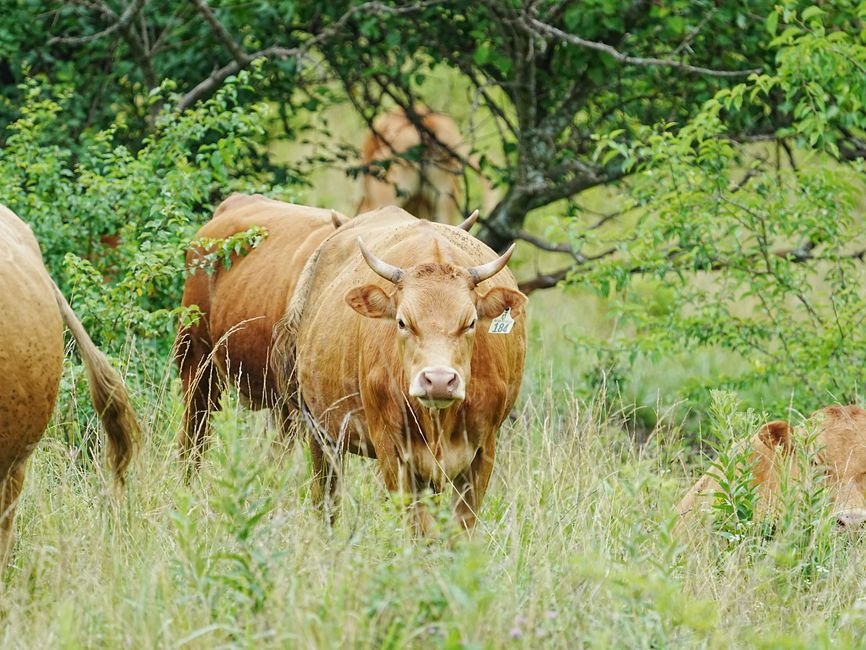
Understanding Cattle Terminology: Why Precision Matters
In cattle farming, accurate use of terminology is essential for clear communication, animal management, breeding programs, and market transactions. However, even seasoned farmers, ranchers, and enthusiasts often slip into common terminology errors that can lead to misunderstandings or financial mistakes. These errors range from confusing gender-specific terms to mislabeling age groups, which may affect everything from recordkeeping to veterinary care.
This article dives into the most common mistakes with cattle terminology, providing concrete examples and clarifications to help you avoid miscommunication and improve your cattle knowledge.
Common Terminology Mistakes in Cattle Identification
1. Confusing Bulls, Steers, and Oxen
One of the most frequent errors is mixing up bulls, steers, and oxen. These terms refer to male cattle but differ significantly:
- Bull: An intact (not castrated) adult male used for breeding.
- Steer: A castrated male raised primarily for beef production.
- Ox: Typically a castrated male trained for draft work, such as pulling carts or plows.
Confusing these terms can have practical consequences. For example, a steer mistakenly marketed as a bull may mislead buyers about breeding capability and value. According to the USDA, bulls generally fetch higher prices due to their reproductive value, sometimes 20-30% more than steers of similar weight.
2. Misusing Cow and Heifer
Many people incorrectly refer to all female cattle as “cows.” However, in cattle terminology, the distinction is precise:
- Heifer: A female that has not yet had a calf.
- Cow: A mature female that has given birth to at least one calf.
This distinction matters in breeding and herd management. For instance, a heifer’s reproductive performance is carefully monitored because she’s entering her first calving season. Labeling a heifer as a cow prematurely can cause confusion in breeding records and affect decisions related to herd replacement strategies.
3. Calf vs. Yearling Confusion
Terms describing young cattle are often misunderstood or used interchangeably:
For more on this, see our related guide: A Year of Raising Your First Cattle: From Arrival to Year-End Planning.
- Calf: Usually refers to a young bovine animal under one year old.
- Yearling: A bovine between one and two years old.
Farmers and ranchers need to distinguish between calves and yearlings accurately because their nutritional requirements, management, and market prices differ substantially. For example, calves are typically sold for veal or raised for longer-term beef production, whereas yearlings are often sold as feeder cattle or developing replacements.

Terminology Errors in Breed and Color Identification
4. Misnaming Crossbreeds and Purebreds
A common mistake is incorrectly identifying cattle breed types, especially between purebreds and crosses. For example, a cross between Angus and Hereford cattle is often called a “Black Baldy,” but some mistakenly call it a purebred Angus or Hereford.
This confusion matters because breed purity affects genetic traits like growth rate, milk production, and disease resistance. Purebred bulls and females typically command premium prices in auctions—sometimes up to 50% higher than crossbreds. Accurate breed identification is critical for buyers and sellers in the cattle market.
5. Errors in Color Terminology
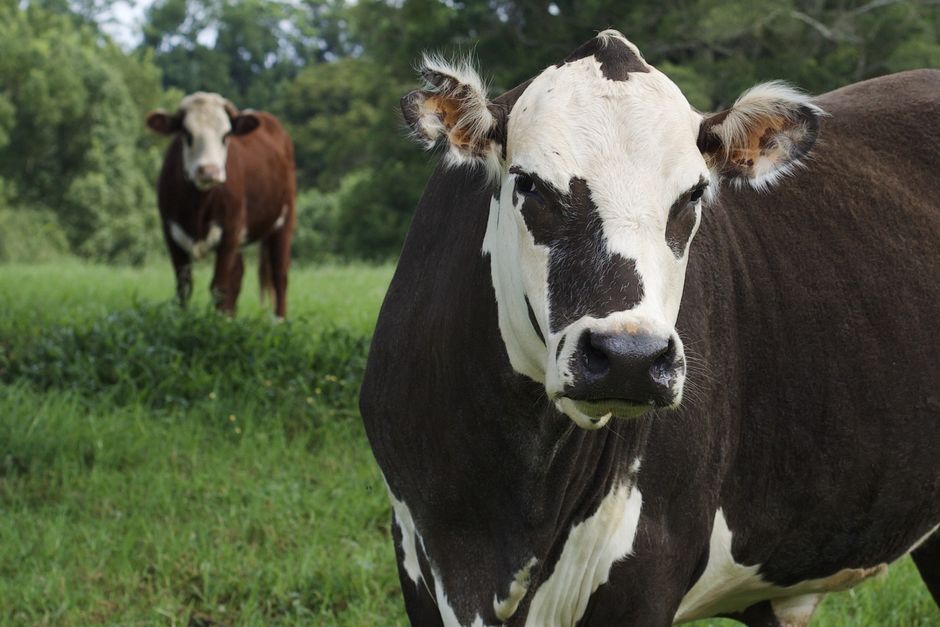
Cattle coat color is often described imprecisely. Terms like “red,” “brown,” “tan,” and “chocolate” are sometimes used interchangeably without regard to breed standard definitions.
For example, the Red Angus must be a solid red color, distinct from a brownish or mixed tone. In contrast, Brown Swiss cattle have a characteristic brown/gray coloration. Mislabeling colors can affect breed registration and breeding decisions, as some coat colors are linked to specific desirable traits or genetic conditions.
If you’re also looking into this, our article on The Essential Guide to Understanding Cattle Registration Certificates covers it in more detail.
Misunderstandings Regarding Production Terms
6. Milk Cow vs. Beef Cow
Referring to “milk cows” and “beef cows” interchangeably is another common error. While all cows technically produce milk, the term “dairy cow” refers specifically to breeds bred and managed for maximum milk production, such as Holsteins or Jerseys.
“Beef cows,” such as Angus or Charolais, are primarily raised for meat, and though they produce milk to feed their calves, their milk yield is significantly lower and not used for commercial dairy production.
Confusing these terms can lead to inappropriate management practices or unrealistic expectations about production capabilities. For instance, feeding and housing designed for dairy cows are different from beef cows’ requirements.
7. Mistaking Calving and Lambing
This might seem obvious, but it’s worth mentioning that “lambing” refers to sheep giving birth, not cattle. Occasionally, inexperienced farmers or writers confuse these terms, leading to misinformation that can confuse training materials or lead to errors in animal husbandry.
Errors in Age and Weight Terminology
8. Incorrect Use of “Finished” vs. “Fed” Cattle
In beef production, “finished cattle” refers to animals that have reached ideal market weight and carcass fatness after a feeding regimen, ready for slaughter. “Fed cattle” simply describes those that have been fed but may or may not be finished.
Consumers and producers sometimes confuse these terms, which can affect marketing claims and pricing. For example, finished cattle typically yield higher-quality beef grades like USDA Choice or Prime, whereas underfinished fed cattle may fetch lower prices.
This ties in closely with Mastering Cattle Behavior: A Guide to Health, Welfare, and Management, worth a look if you want to go deeper.
9. Using Weight Terms Without Clarity
Cattle weight terms can be confusing because weights are given at different stages and in different forms:
- Live weight: The actual weight of the animal alive.
- Hot carcass weight (HCW): The weight of the animal after slaughter, immediately before chilling.
- Cold carcass weight: Weight after chilling, usually 2-3% less than hot carcass weight.
Confusing live weight with carcass weight leads to mistakes in pricing and yield estimates. For example, a 1,200-pound live steer typically produces about 720 pounds of carcass weight (roughly 60% dressing percentage). Misunderstanding this can result in over- or underestimating meat yield.
Clarifying Terms: A Quick Reference Table
| Term | Definition | Common Mistake | Impact |
|---|---|---|---|
| Bull | Intact male used for breeding | Called a steer or ox | Misleads breeding value; affects price |
| Steer | Castrated male raised for beef | Referred to as bull | Misinforms buyers; affects herd management |
| Cow | Female that has calved | Used for heifers | Skews reproductive records |
| Heifer | Female that has not calved | Called cow too early | Confuses breeding status |
| Calf | Animal under 1 year old | Used interchangeably with yearling | Incorrect feeding and management |
| Yearling | Animal 1-2 years old | Called calf | Market value and feeding errors |
How to Avoid These Mistakes
To minimize terminology mistakes, consider the following best practices:
- Use reputable cattle glossaries: Resources like the National Cattlemen’s Beef Association or university extension sites offer precise definitions.
- Refer to breed standards: Breed associations publish detailed descriptions for color, size, and characteristics.
- Train staff and family members: Consistent terminology reduces errors in recordkeeping and communication.
- Consult experts: Veterinarians, extension agents, and experienced cattle producers can clarify confusing terms.
Conclusion
Mastering cattle terminology is more than just a matter of semantics—it’s critical for effective cattle management, accurate recordkeeping, and successful marketing. The most common mistakes often stem from confusion over gender, age classifications, breed, and production terms. By understanding these distinctions clearly, cattle producers and enthusiasts can avoid costly errors, improve communication, and foster better herd management practices.