
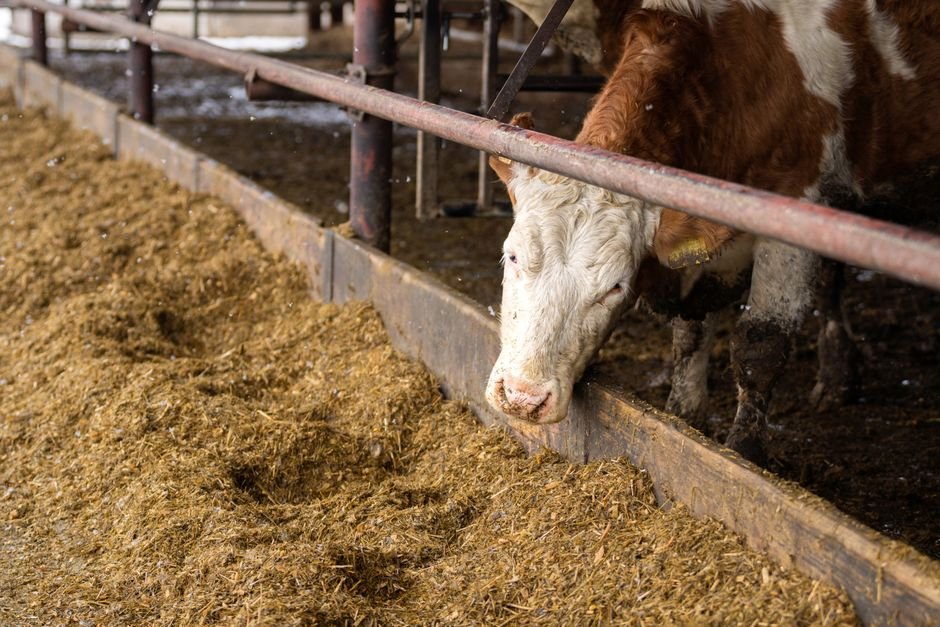
What is a feedlot?
A feedlot is a confined beef cattle facility where animals are gathered and fed a high-energy ration to gain weight quickly before slaughter. In the U.S., feedlots are also called “finishing yards” because their main job is to finish cattle for market, not to raise them from birth. Most cattle enter a feedlot after spending their early life on pasture or in a backgrounding program.
How a feedlot fits into beef production
To understand a feedlot, it helps to place it in the full beef supply chain. Calves are typically born on cow-calf ranches, weaned, and then moved through one of several paths. Some go directly to a feedlot as feeders or stockers; others spend time in a backgrounding operation where they grow on forage or moderate-energy diets before the final finishing phase. The feedlot stage is the last major growth step before harvest.
This system is common because it lets producers target consistent carcass weight and quality. The U.S. Department of Agriculture’s National Agricultural Statistics Service uses the term “feedlot” for operations with cattle on feed for slaughter, and major beef-producing states such as Texas, Kansas, Nebraska, and Colorado are known for large commercial yards. That concentration reflects access to grain, transportation, and packing plants.
What cattle do in a feedlot
Once cattle arrive, the focus shifts to rapid, efficient weight gain. Feedlot managers sort cattle by weight, sex, and health status, then place them into pens with bunk space, water access, and a ration designed for finishing. The diet usually starts with more roughage and then moves toward a higher grain level to support marbling and daily gain. Common ingredients include corn, silage, distillers grains, hay, and a mineral-vitamin package.
Feedlot cattle are not simply “stuffed with grain,” as the phrase suggests. Nutrition is carefully balanced to avoid digestive upset, especially acidosis. Many yards use step-up rations, feed bunks checked daily, and veterinary protocols to manage respiratory disease, lameness, and other health issues. The goal is to keep cattle eating steadily while minimizing stress and illness.
Typical feedlot features and daily management
A feedlot is built for efficiency. Pens are usually open-air dirt or surfaced lots with fencelines, feed bunks, and water tanks or troughs. Larger operations may include commodity sheds, hospital pens, processing alleys, scales, and manure handling systems. Most feedlots are designed so cattle can be moved, sorted, and treated with minimal handling.
For more on this, see our related guide: Proven Tips to Reduce Weaning Stress in Calves During Hot Weather.
| Feedlot feature | Why it matters |
|---|---|
| Feed bunks | Deliver measured rations and allow bunk reading for appetite changes |
| Waterers | Provide constant clean water, which is essential for intake and rumen function |
| Hospital pens | Separate sick or injured cattle for treatment and closer monitoring |
| Processing area | Used for receiving, vaccination, deworming, implanting, and identification |
| Manure management system | Controls runoff and collects manure for land application or composting |
Daily work includes feeding, checking water, observing cattle behavior, treating sick animals, and adjusting rations based on weather and performance. In cold snaps, mud, heat, or dust, feed intake can drop, so experienced managers watch cattle closely. A good feedlot is as much about observation and timing as it is about feed volume.
How long cattle stay there
Feedlot stays vary by starting weight, breed type, and market goals, but many cattle spend roughly 90 to 180 days in the finishing phase. Heavier feeders may need less time; lighter cattle may need longer. The endpoint is usually a target live weight or carcass specification that aligns with packer grids and quality programs.

Not every animal finishes the same way. Angus and Angus-cross cattle are often associated with strong marbling potential, while Continental breeds such as Charolais or Simmental can add frame and lean growth. Many commercial feedlots handle mixed-breed cattle, and the ration and management are adjusted to the group’s needs rather than to a single breed profile.
Feedlot vs. pasture finishing
Feedlot finishing and pasture finishing are both valid beef production models, but they produce different outcomes. Feedlots are built for speed and consistency. Pasture finishing relies more on grass and forage, usually takes longer, and often produces leaner carcasses unless carefully managed. The choice affects cost structure, land use, and meat characteristics.
| Factor | Feedlot finishing | Pasture finishing |
|---|---|---|
| Diet | High-energy ration with grain and byproducts | Forage-based, often grass or mixed pasture |
| Speed | Faster weight gain | Slower gain, especially in seasonal climates |
| Carcass traits | Typically more marbling and uniform finish | Often leaner, with more variation |
| Land use | Uses less grazing land per head | Requires more acreage and forage availability |
| Management focus | Diet control, health monitoring, bunk management | Pasture quality, rotation, and seasonal growth |
Neither system is automatically better. Feedlots are efficient for finishing large numbers of cattle, while pasture systems can fit grass-based or niche beef programs. Many farms use both: a pasture or backgrounding phase first, then a feedlot to complete the animal.
If you’re also looking into this, our article on Can Cows Eat Watermelon? How to Safely Feed Cull Fruit to Your Herd covers it in more detail.
Why feedlots matter in beef production
Feedlots play a major role in making beef supply more predictable. By controlling diet and environment, they help produce cattle that reach market weight on a schedule and with a more uniform carcass. That consistency matters to packers, retailers, and consumers who expect steady quality in beef cuts from week to week.
They also make use of feed ingredients that might otherwise be underused, including corn, distillers grains from ethanol production, and other byproducts. In many regions, feedlots are tied to nearby grain farming and processing industries. This creates a system where crop residues, feed milling, trucking, and meatpacking are all linked. At the same time, feedlots are closely watched for odor, dust, water quality, and manure handling because they concentrate animals in a small area.
Common misconceptions about feedlots
One common misconception is that feedlots are the same as factory farms in every sense. While feedlots are intensive systems, they are a specific part of beef production focused on finishing cattle, not raising them through their entire life. Another misconception is that cattle in feedlots never receive veterinary care or human oversight. In reality, health monitoring is a major part of the job, especially during the first weeks after arrival.

It is also inaccurate to assume all feedlots look like giant industrial yards. Some are large commercial operations with tens of thousands of head, but others are smaller family-run yards that finish cattle on a more modest scale. The basic idea is the same: house cattle in pens, feed them a finishing ration, and prepare them for slaughter.
Frequently Asked Questions
Is a feedlot the same as a ranch?
No. A ranch usually refers to the place where cattle are bred, calved, and raised on pasture. A feedlot is the finishing stage where cattle are fed a high-energy ration in confinement before slaughter.
This ties in closely with How to Homestead Planning for Cattle: A Step-by-Step Guide for Sustainable Success, worth a look if you want to go deeper.
What do cattle eat in a feedlot?
Feedlot cattle usually eat a mixed ration that can include corn, silage, hay, distillers grains, protein supplements, and minerals. The exact formula depends on the operation, local feed prices, and the cattle’s stage of finishing.
How long are cattle kept in a feedlot?
Many cattle spend about 90 to 180 days in a feedlot, though the exact time depends on starting weight, breed, ration, and market target. Heavier cattle often finish faster than lighter ones.
Why do beef producers use feedlots?
Feedlots help cattle gain weight efficiently and consistently. They also allow producers to manage diet, health, and finishing dates more precisely than is usually possible on pasture alone.
Are feedlot cattle unhealthy because they eat grain?
Not necessarily. Grain-based finishing rations are common, but they must be managed carefully to protect rumen health. Good feedlots use step-up diets, consistent bunk management, and veterinary oversight to reduce problems.