
Understanding the Basics of Homestead Planning
Homesteading is more than just owning land or raising animals; it’s a comprehensive lifestyle that requires strategic planning to ensure long-term sustainability and productivity. The best way to homestead planning involves identifying your goals, analyzing your land, and organizing resources efficiently before you begin planting, building, or livestock acquisition. This foundational approach not only minimizes wasted effort but also maximizes the potential of your property by aligning your vision with practical realities. Effective homesteading requires understanding ecological cycles, local climate patterns, and economic considerations to create a resilient system that supports your family’s needs year after year.
Step 1: Define Your Homesteading Goals
Before any physical work, clarify what you want out of your homestead. Are you aiming for complete self-sufficiency, a small organic vegetable garden for family use, or a mixed-use setup including livestock like cows, chickens, and bees? Be specific. For example, if you want to raise cows, decide whether your focus is dairy production, beef, or both. This focus will dictate many other planning decisions.
- Set clear production targets: E.g., produce 100 gallons of milk per month or raise 10 beef steers annually. Quantifying these goals helps in budgeting feed, planning pasture rotation, and scheduling breeding cycles. For instance, a dairy-focused homestead might also include goals for cheese or yogurt production to add value.
- Determine lifestyle needs: How many people will the homestead support? Include family members and potential laborers. Consider factors like dietary preferences, energy needs (heating, cooking), and daily labor capacity. If expecting to host apprentices or seasonal workers, plan living quarters and resources accordingly.
- Budget planning: Estimate initial investment and ongoing costs. For instance, fencing, feed, equipment, and seed stock. Don’t overlook costs like veterinary care, water system maintenance, and insurance. It’s helpful to create a multi-year budget that accounts for variable expenses such as feed price fluctuations or infrastructure repairs.
Additionally, consider your timeline for achieving these goals. Are you planning to gradually increase livestock numbers over five years, or do you intend to establish a full-scale operation within the first year? Setting realistic short-term and long-term objectives will help prioritize tasks and allocate resources efficiently.
Step 2: Assess and Map Your Land Accurately
Accurate knowledge of your property is crucial. Start with a detailed survey or plat of your land. Use tools like GPS mapping apps or traditional surveying for precise measurements. Consider soil tests, slope, water sources, and sun exposure—all vital factors that influence what can be grown or raised effectively.
- Soil testing: Have soil analyzed for pH, nutrient content, and texture. For example, cow pastures thrive on well-drained loamy soils with pH between 6.0-7.0. If soil tests reveal deficiencies, plan amendments such as lime to raise pH or sulfur to lower it, as well as organic matter additions like compost or cover crops to improve texture and fertility.
- Water availability: Map existing water sources such as wells, ponds, or streams. Plan irrigation or livestock watering systems accordingly. Evaluate water rights or regulations in your area to ensure compliance. Consider seasonal variations in water availability and plan for drought contingencies.
- Topography: Identify flat areas for buildings and gardens, steeper slopes for grazing or forestry. Steep slopes require erosion control measures such as contour planting or terracing. South-facing slopes can be ideal for certain crops due to increased sunlight exposure.
Beyond these basics, also consider microclimates within your property. Certain spots may be sheltered from wind, receive more sun, or retain frost longer. Mapping these zones can inform where to plant sensitive crops or locate animal shelters for maximum comfort and productivity.
Example: Mapping a 10-Acre Homestead
Imagine a 10-acre homestead. After soil tests show one-third of the land is clay-heavy and poorly drained, that area can be designated for pasture, while the better-draining two-thirds could support vegetable gardens and orchards. Water sources include a pond on the northern edge and a well near the center. The pond will serve as livestock water, while irrigation systems will be installed near crop areas.
Additional observations might include identifying a low-lying section prone to winter flooding, which could be converted into a wetland area supporting beneficial wildlife and acting as a natural water filtration zone. Areas with rocky subsoil might be reserved for firewood harvesting or permaculture guilds involving hardy trees and shrubs. Mapping underground utilities and access roads also helps avoid future complications during construction.
Step 3: Design a Functional Layout
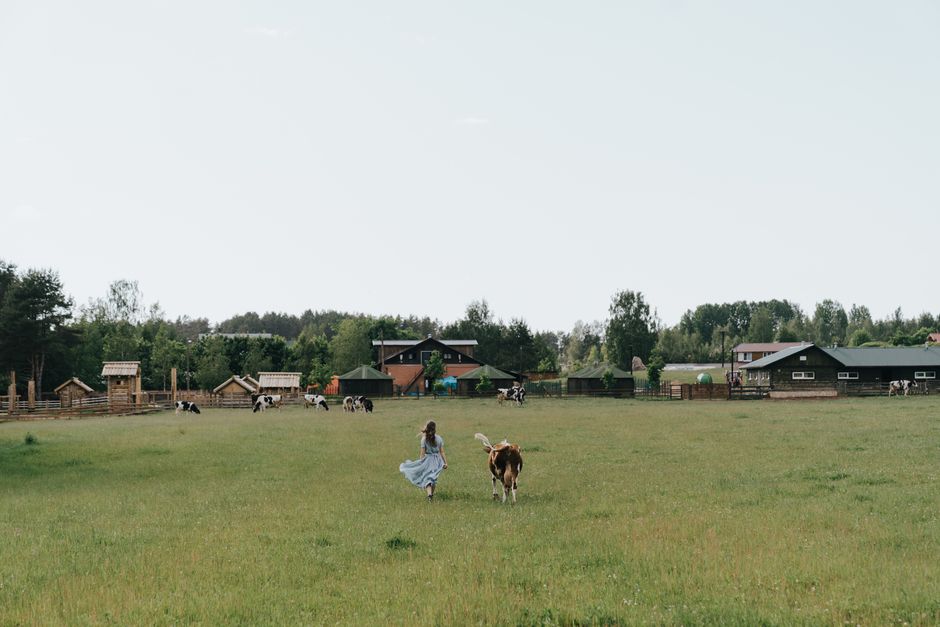
Effective homestead design balances productivity, animal welfare, and ease of management. Use zoning principles to organize your land into distinct areas for residence, livestock, crops, composting, and storage. The layout should also consider natural movement patterns to reduce labor—placing high-use areas closer to the home and minimizing daily travel distances.
Zoning Principles for Homestead Planning
- Zone 1 – Immediate Residence and Garden: Place kitchen gardens and herb beds close to your home for easy daily access. This facilitates frequent harvesting, pest monitoring, and soil care. Incorporate edible landscaping and quick-growing crops in this zone to maximize nutrition and convenience.
- Zone 2 – Larger Crop Areas and Small Livestock: Designate this area for larger vegetable plots, chicken coops, or rabbit hutches. Position these to allow for effective manure collection and composting. Consider rotational access for chickens to prevent overgrazing and disease buildup.
- Zone 3 – Main Livestock Areas: Cow pastures and larger animal housing should be located here, not too far from water sources and feed storage. Plan for rotational grazing paddocks with adequate fencing, shade, and shelter. Include laneways or corridors to facilitate animal movement and equipment access.
- Zone 4 – Woodlots and Wild Areas: Reserve space for firewood harvest, wildlife habitat, or future expansion. Maintain biodiversity by encouraging native plants and creating buffer zones to protect the homestead from wind and pests. This zone can also serve as a sustainable source of timber and non-timber forest products.
In addition to zoning, incorporate principles of permaculture design such as stacking functions—where one element serves multiple purposes. For example, a pond near the garden zone can provide irrigation, fish for food, and habitat for beneficial insects and amphibians.
Example Layout for a Small Cow Homestead
| Zone | Purpose | Key Features |
|---|---|---|
| Zone 1 | Residence & Kitchen Garden | Home, greenhouse, herb & vegetable garden, compost bins |
| Zone 2 | Small Livestock & Crops | Chicken coop, rabbit hutches, berry bushes, orchard |
| Zone 3 | Main Livestock | Rotational cow pastures, barn, feed storage, water troughs |
| Zone 4 | Woodlot & Wilderness | Firewood, wildlife habitat, buffer zones |
To illustrate, the greenhouse in Zone 1 might be used for starting seedlings early in spring, extending the growing season by several weeks. The berry bushes in Zone 2 not only provide fruit but also serve as a natural fence and habitat for pollinators. In Zone 3, implementing cross-fencing allows for rotational grazing, which improves pasture productivity and animal health. Finally, Zone 4 could include a small pond to support native amphibians that control garden pests.
Step 4: Plan Water Management Strategically
Water is the lifeblood of any homestead. Your plan should include both natural water sources and water storage or irrigation systems. Cows alone require about 30-50 gallons of water per day per head, depending on climate and lactation status. Efficient water management not only supports health but also reduces costs and environmental impact.
- Rainwater harvesting: Install gutters and barrels to collect roof runoff. Consider sizing your storage tanks based on average rainfall data for your area. For example, a 1,000 square foot roof can collect approximately 600 gallons of water from one inch of rain. Multiple tanks can be interconnected to increase capacity.
- Irrigation systems: Drip irrigation for gardens and trough systems for livestock. Drip systems reduce water waste by delivering moisture directly to plant roots. Automated timers and soil moisture sensors can optimize watering schedules and conserve resources.
- Water distribution: Plan piping or channels to deliver water efficiently across zones. Gravity-fed systems can reduce energy costs, especially if your property has varied elevation. Incorporate filtration and sediment control to maintain water quality, particularly when sourcing from ponds or streams.
Additionally, consider water recycling options such as greywater systems, where water from sinks or showers is safely repurposed for irrigation. Constructing swales—shallow trenches on contour—can capture and slowly infiltrate runoff, replenishing groundwater and reducing erosion.
Water Usage Example for a 5-Cow Operation
For a herd of five dairy cows, estimate daily water needs of 40 gallons each, totaling 200 gallons per day. Supplement this with troughs connected to a well or pond, plus strategically placed rainwater tanks for garden irrigation to reduce groundwater use. Installing insulated, heated waterers can prevent freezing during winter months, ensuring continuous access.
To ensure sustainability, monitor water consumption regularly and adjust systems as needed. Seasonal adjustments may be necessary, such as increasing garden irrigation during dry spells or providing additional watering points during hot weather.
Step 5: Develop a Crop and Livestock Integration Plan
Integrated crop and livestock systems enhance sustainability by recycling nutrients and optimizing land use. For example, rotational grazing of cows on pastures can improve soil fertility, while manure can be composted to fertilize vegetable plots. These systems create synergies that reduce external inputs and improve resilience against pests and diseases.
- Rotational grazing plan: Divide pastures into paddocks to prevent overgrazing and improve pasture health. Implement rest periods allowing grass to recover, promoting deep root growth and carbon sequestration. Use fencing and water access points to facilitate movement. Monitor pasture condition and adjust rotation schedules accordingly.
- Crop rotation and cover cropping: Alternate crops to maintain soil nutrients; use cover crops like clover to fix nitrogen. Incorporate deep-rooted species such as radishes to break compacted soil layers, improving aeration and drainage. Cover crops also suppress weeds and reduce erosion.
- Manure management: Collect and compost manure to apply as fertilizer, reducing reliance on synthetic inputs. Properly managed composting reduces pathogens and promotes beneficial microbes, enhancing soil health. Consider integrating poultry manure, which is high in nitrogen, carefully balancing application rates to avoid nutrient overload.
Some homesteaders also incorporate multi-species grazing, for example, combining sheep or goats with cows to target different plant species and improve pasture diversity. Agroforestry practices, such as planting fruit or nut trees within grazing areas, provide shade and additional income streams.

Step 6: Build Infrastructure Wisely
Investing in the right infrastructure supports efficient day-to-day operations and animal welfare. Prioritize structures that pay off quickly and provide long-term value. Thoughtful construction reduces maintenance costs and improves safety for both humans and animals.
- Fencing: Secure, durable fencing is critical. For cows, electric fencing on high-tensile wire is both effective and cost-efficient. For a 10-acre pasture, expect fencing costs around $1,500-$2,000. Incorporate gates and access points strategically to facilitate equipment movement and emergency access. Utilize multi-strand fencing or mesh fencing in areas with smaller animals or predators.
- Animal shelters: A well-ventilated barn or simple shed protects livestock from extreme weather. Design shelters oriented to prevailing winds for ventilation while providing shade during hot months. Include feeding and watering stations within shelters to reduce labor and stress on animals.
- Storage facilities: Separate sheds for feed, tools, and machinery help maintain order and efficiency. Consider climate control for seed storage and feed to prevent spoilage. Organize tools by task and frequency of use to reduce time spent searching and increase productivity.
Additional infrastructure may include paths or roads for equipment access, fencing for garden protection against wildlife, and renewable energy installations such as solar panels or wind turbines to power pumps and lighting. Planning for expansion during initial construction can save costs and disruptions later.
Step 7: Establish a Realistic Timeline and Budget
Homesteading projects can quickly become overwhelming without clear milestones. Break down your plan into achievable phases, and assign budgets to each item to forecast expenses. This approach enables you to track progress, make informed adjustments, and avoid burnout.
| Phase | Key Tasks | Estimated Cost | Timeframe |
|---|---|---|---|
| Phase 1 – Land Prep & Survey | Soil testing, mapping, clearing | $500 – $1,000 | 1-2 months |
| Phase 2 – Infrastructure Setup | Fencing, water systems, animal shelters | $5,000 – $10,000 | 3-6 months |
| Phase 3 – Crop & Livestock Introduction | Planting, livestock purchase, rotational grazing setup | $3,000 – $7,000 | 6-12 months |
| Phase 4 – Expansion & Optimization | Adding new crops, improving infrastructure | Variable | Ongoing |
Within each phase, set specific measurable goals such as planting a certain number of trees or fencing a particular acreage. Allocate contingency funds, typically 10-15% of the total budget, to manage unexpected expenses like equipment repairs or pest outbreaks. Regularly review timelines against actual progress and adapt plans accordingly.
Additional Tips for Successful Homestead Planning
- Learn from local homesteaders: Join community groups or co-ops to gain hands-on insights and avoid common pitfalls. Attend workshops or farm tours to observe different approaches and ask questions tailored to your climate and soil conditions.
- Start small and scale up: Begin with a manageable area or a small number of animals, then expand as your skills grow. This strategy reduces risk, limits initial financial outlay, and provides valuable learning experience without overwhelming resources.
- Track progress and adapt: Keep records of yields, expenses, and animal health to make data-driven improvements. Utilize journals, spreadsheets, or farm management software to analyze trends over seasons and years.
- Prioritize sustainability: Utilize renewable resources and environmentally friendly practices to build resilience. Incorporate solar energy, rainwater harvesting, and permaculture principles to minimize environmental impact and long-term costs.
- Plan for emergencies: Develop contingency plans for drought, disease outbreaks, or equipment failure. Stockpile critical supplies like feed and medications, and establish relationships with veterinarians and local suppliers.
Conclusion: The Best Way to Homestead Planning Is a Thoughtful, Stepwise Approach
Successful homestead planning marries clear goals, detailed land assessment, strategic design, and realistic budgeting. Whether raising cows for dairy or beef or cultivating a mixed-use farm, thoughtful preparation ensures your homestead thrives economically and ecologically. Use the steps outlined here as a framework tailored to your unique needs and resources, and you’ll be well on your way to a productive and sustainable homestead.
Remember that homesteading is a dynamic process. Continuous learning, adaptation, and community involvement will help you overcome challenges and celebrate successes. By integrating sound planning with passion and persistence, your homestead can become a rewarding, self-reliant lifestyle that supports your family and nurtures the land for generations to come.