
Introduction to Choosing Cattle for Small Acreage
For farmers and hobbyists with limited land, selecting the right cattle breed is crucial. Small acreage means limited grazing space, so cattle that are smaller, efficient converters of forage, and low-maintenance are ideal. The right breed can maximize production—whether for beef, dairy, or dual-purpose—while fitting the constraints of your farm size.
This article narrows down 26 well-known breeds and highlights 10 top picks specifically suited for small acreage. These breeds excel in adaptability, manageable size, and productivity, making them stand out choices for plots under 20 acres.
Why Breed Selection Matters on Small Acreage
Small acreage farms typically range from 1 to 20 acres, often with mixed use including crops, pastures, and other livestock. Choosing a breed that is too large, temperamental, or high-maintenance can lead to overgrazing, nutritional deficiencies, or excessive feed costs. On the other hand, small or moderate-sized breeds with efficient feed-to-meat or milk conversion and docile behavior thrive in such settings.
Key Factors to Consider
- Size: Smaller frame size or moderate weight to prevent overgrazing and ease handling.
- Temperament: Docile breeds reduce risk of injury and stress for both cattle and farmer.
- Feed Efficiency: Breeds that gain weight or produce milk on less feed help manage costs.
- Climate Adaptability: Breeds that tolerate local weather conditions reduce health issues.
- Purpose: Beef, dairy, or dual-purpose based on your farm goals and market demand.
Top 10 Cattle Breeds for Small Acreage
| Breed | Average Weight (Adult) | Primary Purpose | Temperament | Notable Traits |
|---|---|---|---|---|
| Dexter | 800–1,000 lbs | Dairy & Beef (Dual-Purpose) | Docile | Smallest European breed, great for limited grazing, high milk fat |
| Highland | 900–1,200 lbs | Beef | Calm | Hardy in cold climates, excellent forage converters, long hair for weather protection |
| Jersey | 900–1,100 lbs | Dairy | Gentle | High butterfat milk, ideal for small herds, efficient feed-to-milk ratio |
| Hereford (Miniature variant) | 1,000–1,200 lbs | Beef | Docile | Adaptable, good for crossbreeding, calm behavior |
| Galloway | 1,000–1,200 lbs | Beef | Calm | Thick coat, thrives on rough forage, low input |
| Red Poll | 1,000–1,200 lbs | Dual-Purpose | Quiet | Good milk production and quality beef, easy calving |
| Miniature Zebu | 400–600 lbs | Beef, Hobby Farming | Docile | Compact, heat tolerant, low feed requirements |
| South Devon | 1,100–1,300 lbs | Beef | Docile | Rapid growth, good temperament, adaptable |
| Shorthorn (Miniature variant) | 900–1,200 lbs | Dual-Purpose | Gentle | Good for small farms, easy calving, good milk producers |
| British White | 900–1,200 lbs | Beef | Quiet | Low maintenance, hardy, good for pasture management |
Breed Profiles and Why They Suit Small Acreage
1. Dexter
Originating from Ireland, Dexter cattle are among the smallest European breeds, weighing between 800 and 1,000 pounds. Their size makes them perfect for limited pasture access and small farms. As a dual-purpose breed, they produce about 2,000 to 3,000 pounds of milk per lactation with a high butterfat content (around 5-6%), ideal for artisanal dairy products. Dexters are known for their calm disposition and efficient feed conversion, making them low-cost to maintain.
2. Highland
Highland cattle stand out with their thick, double-layered coat, enabling them to thrive in colder or rough terrain. Adults generally weigh around 900 to 1,200 pounds, and although beef-focused, their ability to utilize marginal pasture and poor forage means less supplemental feeding. Highland beef is prized for its lean, tender qualities. Their gentle temperament and longevity add to their suitability for small farms.
For more on this, see our related guide: Understanding Heritability in Cattle Genetics: Why It Matters and How to Use It.
3. Jersey
Known globally for rich, high-butterfat milk, Jerseys are smaller dairy cows averaging 900 to 1,100 pounds. They are often preferred on small acreage because they produce more milk per pound of body weight than larger breeds. Jerseys require less feed, adapt well to various climates, and their calm nature simplifies management in confined spaces.
4. Hereford (Miniature Variant)
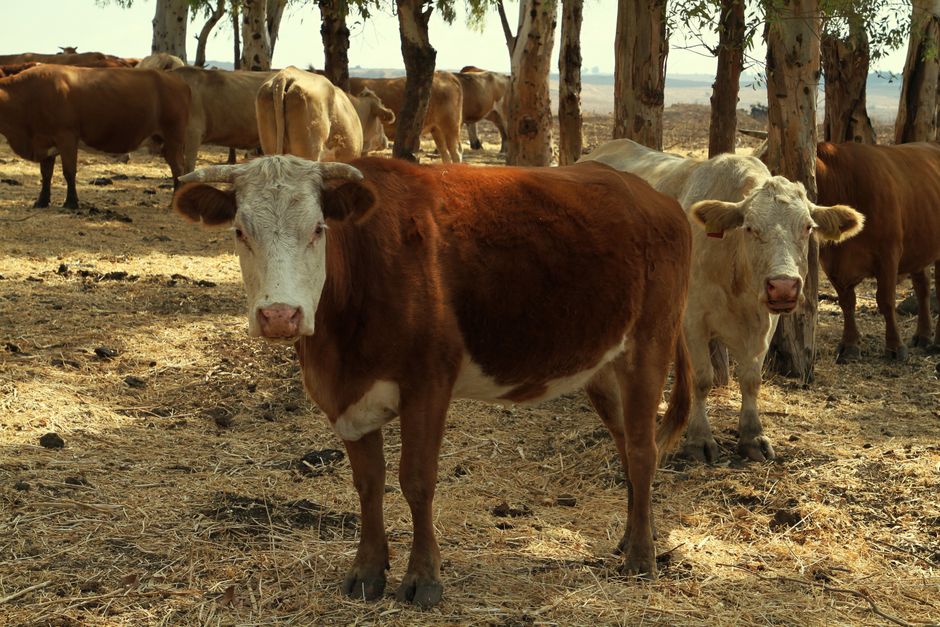
While traditional Herefords weigh upwards of 1,800 pounds, miniature variants exist that weigh about 1,000 to 1,200 pounds. These smaller Herefords retain the breed’s hallmark docile temperament and adaptability. Their beef quality is excellent, and they fit well in rotational grazing programs on limited acreage.
5. Galloway
Galloway cattle possess curly, weather-resistant coats and weigh approximately 1,000 to 1,200 pounds. They are ideal for farmers wanting natural disease resistance and minimal inputs. Galloways convert poor-quality forage into flavorful beef, which commands premium prices in niche markets. Their steady growth rate favors small-scale operations without the need for intensive feeding.
6. Red Poll
Red Poll cattle were developed as a dual-purpose breed, known for easy calving and quiet disposition. Adults weigh around 1,000 to 1,200 pounds. They produce moderate milk volumes and quality beef, making them versatile for farmers looking to diversify on small acreage. Their calm behavior and manageable size make herd handling easier.
If you’re also looking into this, our article on Mastering Cattle Behavior and Handling for Safer, More Efficient Farming covers it in more detail.
7. Miniature Zebu
Native to South Asia, Miniature Zebu cattle weigh only 400 to 600 pounds, making them the smallest breed on this list. Their heat tolerance and resistance to parasites are beneficial for warmer climates. Although not traditional commercial beef or dairy producers, they are perfect for hobby farms, educational purposes, or sustainable smallholding setups.
8. South Devon
South Devons are one of the largest native British breeds but with a moderate frame that fits well on 10-15 acres. They average 1,100 to 1,300 pounds but are known for their docile temperament and rapid weight gain, making them efficient beef producers. They also adapt well to pasture-based systems, which suits small acreage with managed grazing.
9. Shorthorn (Miniature Variant)
Shorthorns, particularly miniature strains, offer dual-purpose benefits. Weighing around 900 to 1,200 pounds, they produce good-quality milk and beef with ease of calving. Their consistent temperament and adaptability make them excellent for small farms focusing on both dairy and meat production.
10. British White
British Whites are medium-sized cattle (900 to 1,200 pounds) noted for their white coat with black points. They require minimal care and are hardy, thriving on pasture alone. Their calm nature and good fertility rates contribute to their popularity on limited acreage farms, especially where natural grazing management is emphasized.
This ties in closely with The Essential Guide to Understanding Cattle Registration Certificates, worth a look if you want to go deeper.
How to Match Breed to Your Specific Small Acreage Situation
Each farm has unique conditions: climate, pasture quality, farmer experience, and market access. Here’s a brief guide to aligning breed choice with common small acreage scenarios:
- Cold or variable climates with rough pasture: Highland, Galloway, British White
- Warm climates with parasite pressures: Miniature Zebu, Dexter
- Dairy focus with limited space: Jersey, Dexter, Red Poll
- Beef focus with rotational grazing: Hereford miniature, South Devon, Galloway
- Dual-purpose flexibility: Dexter, Red Poll, Shorthorn miniature
Small Acreage Tips for Keeping Cattle
- Stocking Density: Limit to 1-2 cows per 5 acres of quality pasture; smaller breeds allow higher density.
- Rotational Grazing: Move cattle frequently to optimize pasture regrowth and prevent overgrazing.
- Supplemental Feeding: Provide mineral blocks and hay during off-seasons to maintain herd health.
- Infrastructure: Invest in sturdy fencing and shelter appropriate for breed size and local weather.
- Breeding: Choose breeds with easy calving to reduce veterinary costs and losses.
Conclusion
Choosing the best cattle breed for small acreage hinges on balancing size, temperament, production goals, and local conditions. The 10 breeds highlighted here each offer distinct advantages that can help you maximize productivity while managing your limited land efficiently. Whether you aim to produce rich dairy products, high-quality beef, or maintain a low-input sustainable herd, these breeds provide reliable options for smaller farms.
Before making a final decision, consider visiting local breeders, talking to extension agents, and evaluating your farm’s resources to select the right fit. Proper breed choice paired with good management practices can make small acreage cattle farming both profitable and enjoyable.