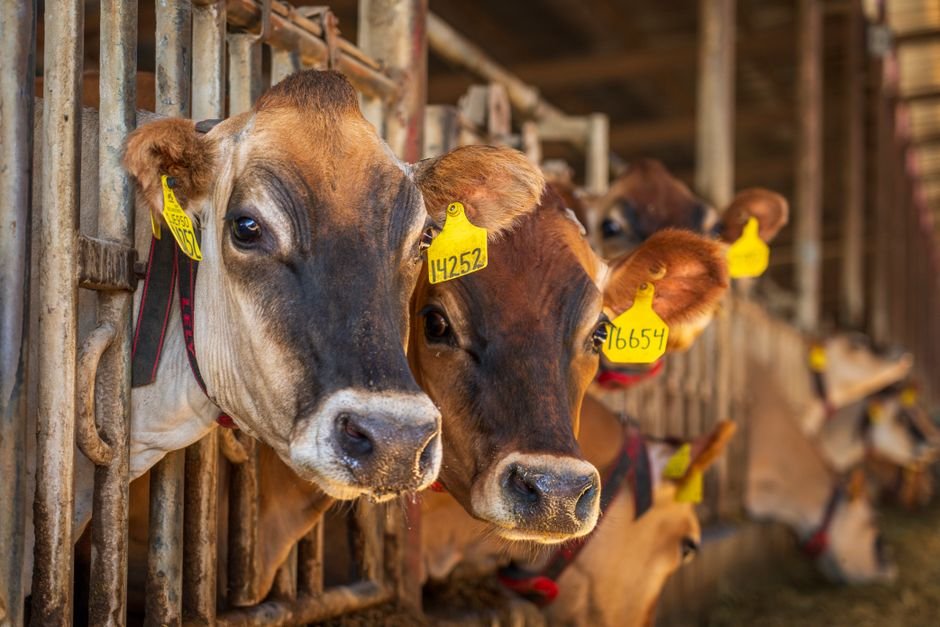
January–February: Winter Health Checks and Shelter Management
Monitoring Body Condition and Preventing Frostbite
Winter poses a serious challenge for cattle, making it crucial to keep their body condition in check. Aim for a Body Condition Score (BCS) between 5 and 6 on the 9-point scale, which ensures cows have enough fat reserves to endure the cold. Check BCS every two to three weeks by feeling the ribs, spine, and tailhead. If a cow scores under 4, it’s a sign she needs more energy—either through higher quality feed or increased amounts.
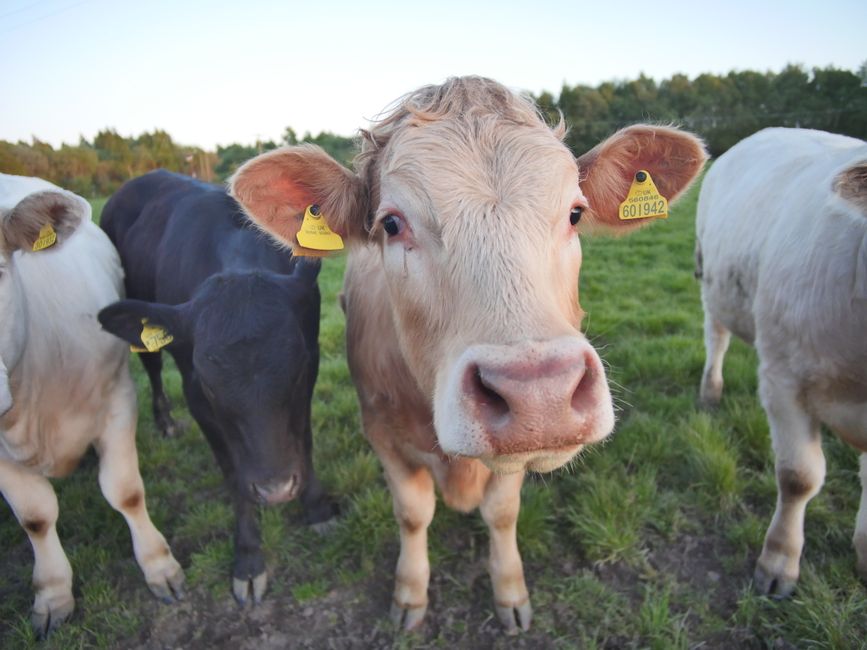
Frostbite often targets sensitive areas like ears, tails, and teats—especially in newborn calves and older cows with poor circulation. To protect them:
- Provide windbreaks or enclosed shelters that shield cattle from prevailing winds, particularly when wind chills fall below -20°F (-29°C).
- Keep bedding dry and at least 12 inches deep, using straw or wood shavings to insulate animals from frozen ground.
- Inspect daily for early frostbite symptoms such as swelling, darkened skin, or numbness.
- Before severe cold snaps, apply protective ointments like petroleum jelly to teats and consider tail wraps for cows with prior tail injuries.
Ensuring Adequate Feed and Water Supply During Cold Months
Cattle’s energy needs jump by about 20–30% in winter to maintain body heat. To support this:
- Boost daily forage intake to 2.5–3% of body weight. For example, a 1,200-pound cow should consume 30–36 pounds of dry matter each day.
- Enhance diets with energy-rich feeds such as beet pulp or top-quality alfalfa hay, supporting both maintenance and lactation.
Water remains vital even in freezing temperatures, with intake ranging from 10 to 15 gallons daily. Restricted water access can reduce feed digestion and cause health issues. To keep water available:
- Use heated water tanks or install de-icers to prevent freezing.
- Position water troughs in sheltered spots to cut down ice formation.
- Monitor daily water consumption closely; a drop of over 20% from normal could indicate health problems or equipment failure.
March–April: Preparing for Calving Season and Pasture Renewal
Calving Prep: Vaccinations and Nutrition Boosts
Calving usually kicks off in late March or April, so it’s vital to have cows in top shape beforehand. Administer core vaccinations about 4–6 weeks before calving. These include:
- Clostridial vaccines: Guard against blackleg, malignant edema, and other clostridial diseases that affect calves and adults alike.
- Bovine Respiratory Disease (BRD) vaccines: Include IBR, BVD, PI3, and BRSV components to reduce pneumonia risk in newborn calves.
- Leptospirosis and Vibrio vaccines: Help prevent reproductive losses and abortion.
Good nutrition supports healthy calving. Provide a total mixed ration (TMR) with 12–14% crude protein. Supplement with 0.5 to 1.0 pounds per head per day of high-quality alfalfa hay or commercial protein supplements. Minerals matter, too—ensure supplementation includes selenium (0.3 ppm), copper (10–20 ppm), and zinc (30–50 ppm) to boost immune response and calf vitality.
Early Spring Pasture Assessment and Fertilization
Spring is the perfect time to assess pastures before grazing begins. Check for grass density, winter-damaged spots, and invasive weeds. Soil tests every 2–3 years guide fertilization: if phosphorus or potassium levels sit below 15 ppm and 100 ppm respectively, apply 30–50 pounds per acre of P2O5 and K2O.
In late March, apply 40–60 pounds per acre of nitrogen fertilizer to encourage growth in cool-season grasses. Be cautious with perennial ryegrass or clover-heavy fields, as too much nitrogen weakens root systems. When overseeding, lightly till or drag seedbeds to improve seed-to-soil contact and boost germination.
May–June: Managing Parasites and Optimizing Grazing
Strategic Deworming and Fly Control Methods
Warmer, wetter weather brings a rise in parasite challenges. Before deworming, conduct fecal egg counts to target treatments effectively and help prevent resistance to dewormers. Ivermectin or moxidectin are reliable options for controlling gastrointestinal roundworms and lungworms now.
Apply treatments after moving cattle to clean pastures to avoid quick re-infection. If fecal egg counts remain above 200 eggs per gram, retreat 10–14 days later.
Fly control should be integrated for the best results:
- Insecticide ear tags: Replace every 90 days, applied early in the fly season.
- Topical pyrethroid sprays or pour-ons: Use weekly during peak fly activity.
- Environmental management: Regularly remove manure, a key breeding ground for flies.
Natural controls, like releasing parasitic wasps (e.g., Muscidifurax raptor), can reduce fly larvae in pastures.
Rotational Grazing to Maximize Forage Quality
Breaking pastures into paddocks and moving cattle every 3 to 7 days—depending on forage growth—supports pasture health and nutrition.
- Allows 21–28 days of rest for regrowth, preserving high protein content in forage.
- Disrupts parasite life cycles, as larvae die off during resting periods.
- Prevents overgrazing, protects roots, and reduces soil erosion.
Portable fencing and water stations make rotations easier. Aim to graze grasses at 6–8 inches tall and let them recover to 10–12 inches before grazing again.
July–August: Heat Stress Prevention and Water Management
Signs of Heat Stress and Cooling Strategies
Summer heat can take a toll on cattle, lowering feed intake, milk output, and fertility. Watch for signs like:
- Rapid breathing—over 80 breaths per minute (normal is 30–50).
- Excessive drooling and open-mouth breathing.
- Lethargy, reduced grazing, and prolonged standing.
- Rectal temperatures above 39.5°C (103°F).
To keep cattle cool:
- Provide shade: Offer at least 3–4 square meters per animal, using natural trees or shade cloths.
- Use sprinklers: Wet cattle skin every 15–20 minutes during the hottest parts of the day to boost evaporative cooling.
- Ensure ventilation: In barns, fans should deliver at least 200 cubic feet per minute per animal for adequate airflow.
Maintaining Water Quality and Availability in Summer
Cattle water intake can double in summer, reaching 30–50 liters per day. Constant access to clean, cool water is critical:
- Clean water troughs weekly to prevent algae and bacteria buildup.
- Keep water temperatures below 25°C (77°F) by using shaded or buried tanks.
- Provide multiple water stations, spaced at least 100 meters apart to reduce crowding.
- Check water levels twice daily during heat waves to refill promptly.
September–October: Breeding Season and Fall Herd Health
Breeding Soundness Exams and Estrus Detection
Breeding season peaks in September and October. Before turnout, conduct Breeding Soundness Exams (BSE) on bulls to ensure fertility and soundness. This involves:
- Examining limbs and reproductive organs for injuries or abnormalities.
- Assessing semen quality under a microscope, looking for at least 70% motility and 75% normal morphology.
- Measuring scrotal circumference—yearlings need a minimum of 34 cm, mature bulls larger.
Bulls that don’t pass should be replaced or treated before breeding. For cows, look for estrus signs such as mounting behavior, restlessness, clear mucous discharge, and increased vocalization that usually lasts 18–24 hours. Checking twice a day, especially early morning and late evening, improves detection. Tools like tail chalk or electronic monitors help in larger herds.
Fall Vaccinations and Mineral Supplementation
Administer fall vaccines 4–6 weeks before breeding to build immunity. Key vaccines include:
- Respiratory vaccines (IBR, BVD, PI3, BRSV) to reduce pneumonia risk during cold months.
- Clostridial vaccines to prevent sudden bacterial infections like blackleg and malignant edema.
- Leptospirosis and Campylobacter vaccines to help maintain fertility and prevent reproductive diseases.
Free-choice loose minerals containing copper (10–20 ppm), selenium (0.3 ppm), zinc (30–50 ppm), and cobalt (0.1 ppm) support immune and reproductive health. For example, selenium deficiency increases the risk of retained placenta and weak calves. Place mineral feeders near water or feeding areas and monitor intake to avoid deficiencies or toxicities.
November–December: Preparing for Winter and Reviewing the Year
Housing Improvements and Feed Storage
As cold sets in, inspect barns and shelters for drafts. Seal gaps around doors, windows, and walls to keep warmth inside. Add at least 4 inches of dry bedding like straw or wood shavings to insulate cattle from cold floors. Balance ventilation carefully to prevent moisture buildup—which can cause respiratory issues—while avoiding direct drafts on animals.
Check feed storage for moisture and signs of rodents. Store hay off the ground on pallets and cover with waterproof tarps to prevent mold. Keep at least a two-month supply of feed, considering cows’ increased winter needs—they usually consume about 2.5% of body weight in dry matter daily, rising 10–20% during cold stress.
Reviewing Herd Performance and Planning for Next Year
Use late fall to analyze herd health and productivity. Examine calving records, average daily gains, and breeding results. For example, if calf weaning weights drop more than 10% compared to previous years, investigate nutrition or parasite control during the past season.
Based on this review, create breeding and management plans. Cull underperforming animals and select replacements with traits that improve productivity and health. Adjust vaccination schedules and health protocols to address any disease challenges encountered. This annual evaluation lays the groundwork for stronger herd performance and genetic progress in the year ahead.