Introduction to Highland Cow Care
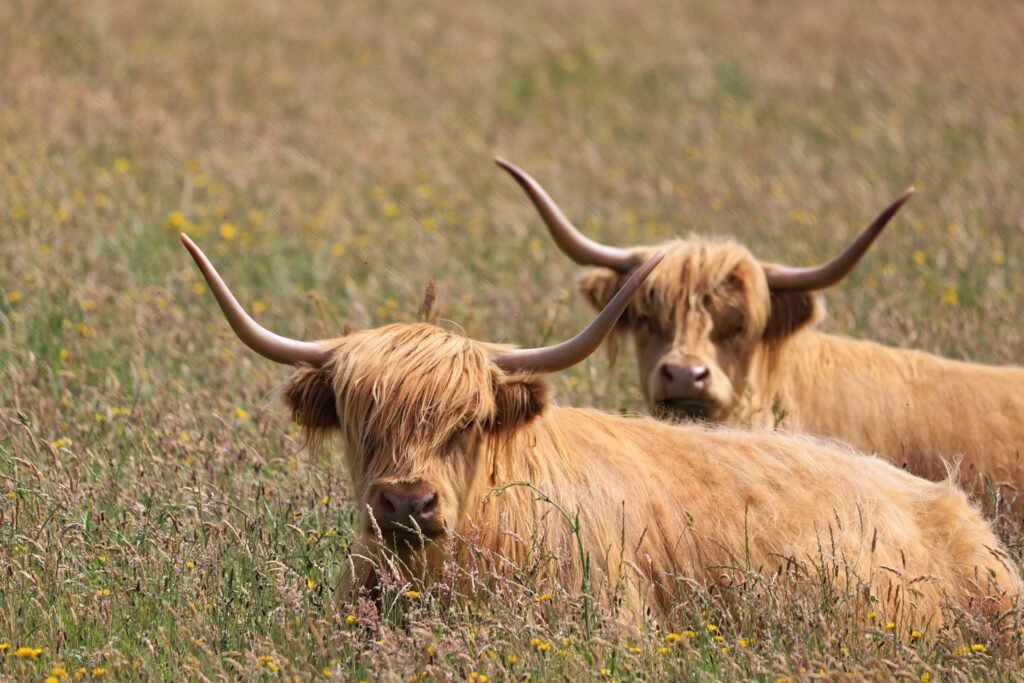
Highland cows, distinguished by their long horns and thick, wavy coats, are a hardy breed originating from the Scottish Highlands. Their unique adaptations allow them to thrive in harsh climates and rugged terrain, but they still require specific care to maintain optimal health and productivity. This guide offers detailed insights into the essential aspects of Highland cow care, from nutrition to health monitoring, ensuring your herd remains robust and resilient.
Understanding Highland Cow Characteristics
Before diving into care routines, it’s important to understand what makes Highland cows special. These cattle typically weigh between 1,000 and 1,800 pounds (450 to 820 kg) for mature cows and bulls, respectively. Their double-layered coat consists of a long outer layer for protection against rain and wind, and a soft undercoat for insulation against cold temperatures. This natural armor allows them to graze year-round even in snowy or wet environments.
Highland cattle have a unique skeletal structure with a broad forehead and pronounced horns that curve upward and outward, which are not just distinctive but also serve functional purposes such as defense against predators and dominance displays within the herd. Their large nostrils and wide muzzle help them forage efficiently in rough terrain, allowing them to root through snow or thick brush during winter months.
Behavior and Temperament
Highland cows are known for their docile and calm temperament, making them easier to handle than some other breeds. However, their strong maternal instincts mean caution is necessary around cows with calves. Understanding their social structure, which typically features a dominant bull and a herd hierarchy, also helps in managing herd dynamics effectively.
Moreover, Highland cattle display curious and intelligent behavior, often investigating new environments or objects with minimal stress. This tractable nature makes them well-suited to smaller farms or hobby farms where close human interaction is common. Nonetheless, their independent streak means they can sometimes display stubbornness, especially when reluctant to move from comfortable grazing spots. Recognizing individual personalities within the herd can aid in targeted handling and reduce stress for both animals and handlers.
Feeding and Nutrition
Highland cows are efficient grazers and can often sustain themselves on rough pasture that other breeds might avoid. Still, providing balanced nutrition is critical for health, growth, and reproduction.
Pasture Management
Highland cattle thrive on mixed grass pastures containing ryegrass, timothy, and clover. Ideally, pastures should provide a minimum of 2% body weight in dry matter intake daily. For a 1,200-pound cow, that equates to approximately 24 pounds of forage per day.
Rotational grazing is highly recommended. A typical rotation cycle of 21 days allows pasture regrowth and minimizes overgrazing. This method also helps control parasites by disrupting their life cycles.
In addition to standard grasses, incorporating diverse forage species such as orchardgrass, fescues, and chicory can improve pasture resilience and nutritional quality. Chicory, for example, is high in minerals and has natural anthelmintic properties that help reduce internal parasite loads. Leguminous plants like red and white clover enrich the soil by fixing nitrogen, enhancing pasture fertility naturally.
Soil testing every 2-3 years is advisable to monitor nutrient levels and pH. Maintaining soil pH between 6.0 and 7.0 optimizes forage growth and nutrient availability. Fertilization strategies should be tailored accordingly, using organic or synthetic amendments to support pasture productivity without degrading environmental quality.
Supplemental Feeding
During winter or drought when pasture quality declines, supplementation becomes necessary. Highland cows benefit from:
- Hay: High-quality grass hay or mixed hay with legumes ensures fiber and energy intake.
- Concentrates: Grain-based feeds can supplement energy but should be limited to prevent digestive upset; 1-2 pounds per day is typical for maintenance.
- Minerals and Vitamins: Free-choice mineral blocks rich in calcium, phosphorus, and trace elements such as selenium and copper are essential.
Specifically, selenium plays a vital role in immune function and reproduction, and deficiencies are common in many regions. Copper is crucial for coat health and enzyme function but must be carefully managed to avoid toxicity. Regularly testing forage and soil mineral content can guide appropriate supplementation strategies.
For lactating cows or those in poor body condition, energy demands increase substantially. Supplementing with energy-dense feeds such as beet pulp, molasses, or commercial beef cattle pellets can help meet these needs. However, abrupt changes in diet should be avoided to prevent ruminal acidosis or other digestive disorders.
Water Requirements
Clean, fresh water must be available at all times. Highland cows typically consume 10 to 20 gallons (38 to 76 liters) daily depending on weather and lactation status.
Water intake can increase significantly during hot weather or peak lactation, potentially reaching up to 30 gallons per day. Automated water systems with heated troughs may be necessary in freezing climates to ensure continuous access. Poor water quality, including high levels of nitrates, sulfates, or pathogens, can adversely affect cattle health and production, so regular testing and maintenance of water sources are recommended.
Shelter and Housing
Although Highland cows are cold-hardy, adequate shelter protects them from extreme weather and reduces stress that can affect health and production.
Types of Shelter
Options include:
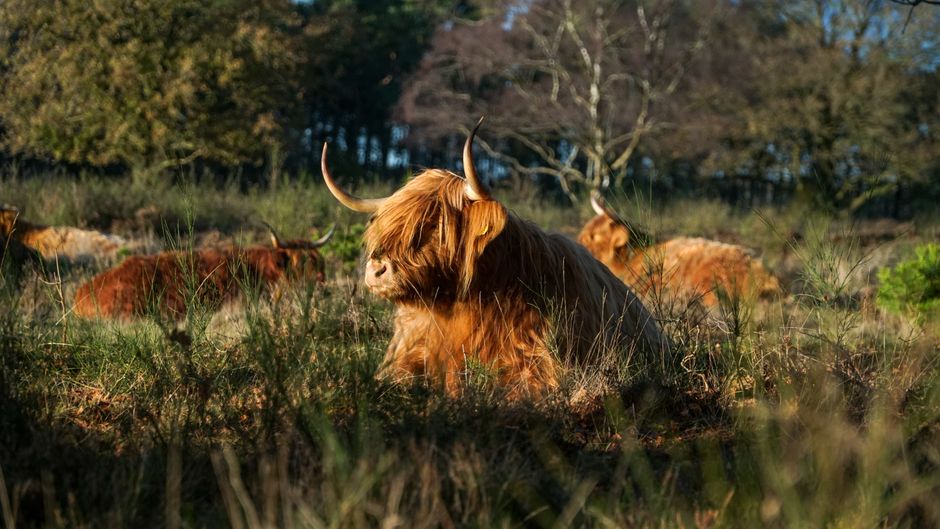
- Natural Shelter: Trees and hedgerows provide windbreaks and shade, ideal for open grazing systems.
- Man-Made Structures: Three-sided sheds or barns shield cattle from wind, rain, and snow. The minimum recommended space is 40 square feet per animal in shelter.
In addition to basic shelter, consider orientation and ventilation of man-made structures. Positioning sheds with the open side away from prevailing winds can reduce cold stress. Providing multiple shelter options dispersed throughout large grazing areas encourages cattle to seek cover according to weather conditions, reducing overcrowding and associated health issues.
Bedding and Flooring
Dry, clean bedding such as straw or wood shavings reduces the risk of hoof diseases and keeps cattle comfortable. Proper drainage is crucial to prevent mud accumulation, which can lead to lameness.
In regions with heavy rainfall or snowmelt, installing gravel or slatted floors beneath bedding areas can improve drainage. Bedding should be replenished regularly to maintain hygiene and prevent bacterial buildup. Deep bedding systems not only provide warmth during winter but also reduce joint stress, improving overall animal welfare.
Grooming and Coat Care
Highland cows’ thick coats require regular attention to maintain cleanliness and prevent matting, especially in warmer months.
Brushing
Brushing once a week using stiff bristle brushes helps remove dirt, loose hair, and external parasites like lice. This practice also stimulates blood flow and promotes a healthy coat.
During molting seasons in spring and fall, more frequent grooming can aid in shedding excess hair and reduce parasite burden. Grooming is also an opportunity to inspect for skin lesions, ticks, or fungal infections. Using insecticidal sprays or dips may be necessary if infestations become significant.
Shearing and Clipping
Though Highland cattle naturally shed their winter coat, in warmer climates or for show purposes, light clipping may be necessary. Shearing should be done cautiously during spring to avoid skin damage.
Clipping can improve animal comfort and reduce heat stress during summer months, which is increasingly important as climate variability introduces hotter weather even in traditionally cool regions. When shearing, pay close attention to sensitive areas such as the udder and underbelly, and avoid clipping too close to prevent sunburn or abrasions.
Health and Disease Management
Preventative health care is vital for Highland cows, especially because their thick coats can sometimes mask early signs of illness.
Common Health Issues
- Parasites: Internal parasites (worms) and external parasites (lice, ticks) can affect growth and milk production. Regular fecal egg counts and appropriate deworming schedules are recommended.
- Hoof Problems: Muddy or wet conditions can lead to foot rot or laminitis. Routine hoof trimming every 6-12 months is important.
- Respiratory Diseases: In damp conditions, cattle can develop pneumonia. Ensure proper ventilation in shelters.
Internal parasite control should be strategically timed based on regional climate and pasture contamination levels. Utilizing targeted selective treatment (TST) by identifying individuals with higher parasite loads can reduce the risk of drug resistance.
Hoof health is critical in preventing lameness, a leading cause of productivity loss. In addition to regular trimming, providing dry standing areas and reducing exposure to mud or manure enhances hoof integrity. Early detection of limping or abnormal gait allows prompt treatment and reduces long-term complications.
Respiratory diseases, such as shipping fever or bovine respiratory disease complex, often arise from stressors including poor ventilation, sudden weather changes, or co-mingling of animals. Implementing biosecurity measures and minimizing stress during handling and transport can lower incidence rates.
Vaccinations and Veterinary Care
Consult with a licensed veterinarian to establish a vaccination program tailored to your region. Core vaccines typically include:
- Clostridial diseases (e.g., Blackleg)
- Bovine respiratory disease complex
- Leptospirosis and Bovine Viral Diarrhea (BVD)
Additional vaccines may be recommended depending on local disease prevalence, such as pinkeye, IBR (Infectious Bovine Rhinotracheitis), or Johne’s disease. Vaccination timing is crucial, with boosters often required prior to breeding or calving seasons to maximize immunity.
Regular veterinary check-ups support early detection of diseases and reproductive issues. Blood testing for metabolic disorders like ketosis or mineral imbalances can improve herd performance. Additionally, maintaining accurate health records aids in tracking disease outbreaks and managing treatment protocols.
Breeding and Calving
Highland cows generally have easy calving due to smaller calf sizes relative to other breeds, but attentive management is essential.
Breeding Considerations
The breeding season typically aligns with spring to take advantage of pasture growth. Cows reach sexual maturity between 15 and 24 months. A typical gestation period is about 283 days.
Selective breeding practices focusing on traits such as calving ease, growth rate, and coat quality can enhance herd performance over time. Utilizing artificial insemination (AI) or natural service are both viable options, with AI offering greater genetic diversity but requiring more management expertise.
Monitoring body condition score (BCS) is an important aspect of breeding management. Ideally, cows should maintain a BCS between 5 and 6 (on a 9-point scale) to optimize conception rates and reduce calving difficulties. Nutritional adjustments prior to breeding and during early gestation support fetal development and maternal health.
Calving Management
Provide a clean, quiet calving environment with easy access to the mother and calf. Monitor cows closely in the weeks leading up to calving for signs of labor such as restlessness and udder development.
Having calving supplies on hand—including obstetrical ropes, gloves, and disinfectant—is advisable. While Highland cows often calve unassisted, prompt intervention in cases of dystocia (difficult birth) can reduce calf mortality. Postpartum care includes checking the cow for retained placenta or excessive bleeding and ensuring the calf is breathing and active.
Calf Care
Ensure calves receive colostrum within the first 6 hours after birth to build immunity. Monitor for normal nursing behavior and check for any signs of weakness or illness.
In addition to colostrum, maintaining a dry, warm environment for newborn calves is crucial, particularly in colder climates. Providing calf jackets or shelter can prevent hypothermia. Vaccination and parasite treatment protocols for calves should be established in consultation with a veterinarian to protect against common diseases.
Weaning typically occurs between 6 to 8 months of age. Gradual weaning strategies reduce stress and support continued growth. Monitoring weight gain and health status during this period is essential to ensure successful transition to solid feed.
Comparing Highland Cows to Other Breeds
| Attribute | Highland Cow | Angus Cow | Hereford Cow |
|---|---|---|---|
| Average Weight (Cow) | 1,000–1,200 lbs (450–540 kg) | 1,200–1,600 lbs (540–730 kg) | 1,200–1,500 lbs (540–680 kg) |
| Coat Type | Thick double coat with long outer hair for cold | Short, smooth | Short, dense |
| Climate Adaptability | Excellent in cold, wet, and rugged | Moderate, prefers temperate | Good temperate, less in cold extremes |
| Temperament | Docile and calm | Generally docile | Docile |
Compared to Angus and Hereford breeds, Highland cattle exhibit superior hardiness in extreme weather, especially in cold, wet, or mountainous regions where forage quality may be poor. Their ability to maintain body condition on lower quality forage reduces feed costs in marginal environments. While Angus are prized for marbling and meat quality, and Herefords for rapid growth, Highland beef is renowned for its lean, flavorful profile with lower fat content.
In terms of management, Highland cattle generally require less intensive feeding regimes and perform well in extensive grazing systems. However, their slower growth rates and smaller mature size may not align with commercial operations focused on rapid turnover. Their temperament and visual appeal also make them popular among smallholders and conservation grazing projects.
Conclusion
Raising Highland cows successfully demands an understanding of their unique physical and behavioral traits. By providing appropriate nutrition, shelter, and health care, you can ensure they remain healthy and productive in a variety of environments. Their resilience makes them an excellent choice for small-scale farmers and hobbyists alike, but like all livestock, thoughtful management is key to long-term success.
Investing in ongoing education, regular herd health monitoring, and adapting management practices to your specific region will maximize the benefits of this remarkable breed. Whether grazing rugged hillsides or contributing to sustainable meat production, Highland cattle offer a blend of heritage, hardiness, and charm that few other breeds can match.
Related articles
- Essential Cattle Handling, Feeding, and Health Equipment for Every Herd
- The Essential Guide to Effective Cattle Fencing: Safety, Costs, and Best Practices