
Understanding Your Goals Before Starting a Herd
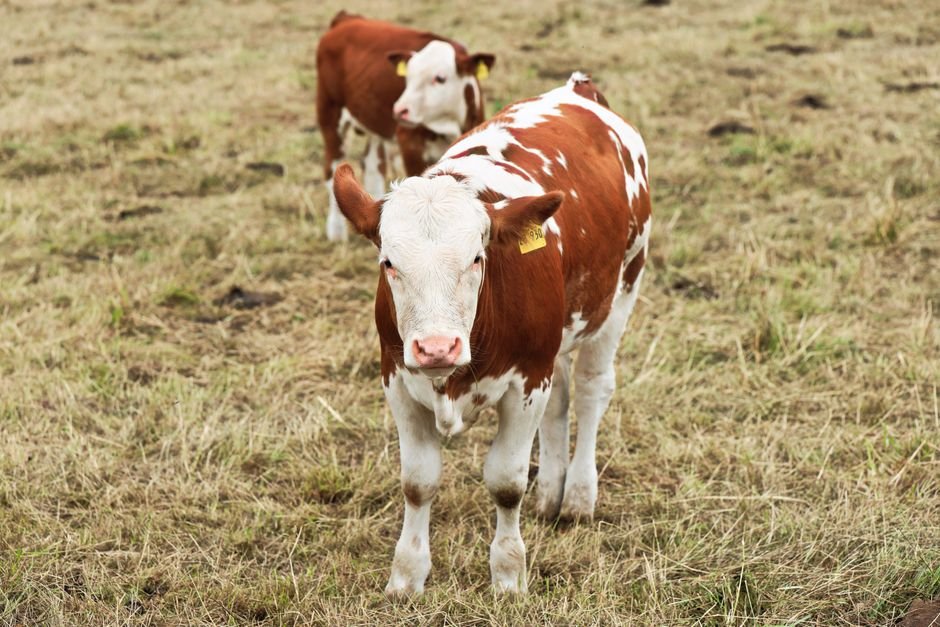
Before purchasing your first cows, clarify the purpose of your herd: Are you aiming for dairy production, beef, breeding stock, or a mixed use? This decision will influence breed selection, infrastructure, and overall management style. For example, if your goal is to produce milk for personal use or small-scale selling, breeds like Jerseys or Holsteins are common. Conversely, if beef is the priority, Angus or Hereford cattle may be more appropriate.
Define the scale of your herd as well. A “small” herd typically means 3 to 10 head of cattle, manageable for a single family operation or small farm. This size allows for easier daily care but still requires commitment to proper management practices.
It’s also important to consider your long-term goals beyond initial production. Are you planning to expand your herd over the next 5-10 years? Will you process your own milk or beef, or sell to local markets? These factors affect decisions such as investing in milking equipment or meat processing facilities. Additionally, understanding local zoning laws and agricultural regulations can prevent future obstacles. Some areas have restrictions on livestock numbers, noise ordinances, or waste management that could impact your operation.
Finally, evaluate your personal time commitment and labor availability. Cattle require daily attention for feeding, health checks, and pasture maintenance. If you have limited time, starting with fewer animals or focusing on lower-maintenance breeds can make the experience more manageable and enjoyable.
Choosing the Right Breed for Your Small Herd
Breed selection depends on climate, land availability, market demands, and your experience. Consider the following popular breeds for small herds:
- Jersey: Known for high butterfat milk, smaller size (about 800-1000 lbs), ideal for smaller farms focused on dairy. Jerseys are efficient converters of feed to milk and adapt well to limited pasture. Their milk’s higher fat content makes it preferred for artisan cheeses and butter.
- Angus: Popular for beef, naturally polled (no horns), good temperament, and well-suited to varied climates. Angus cattle have strong maternal instincts, which is beneficial for first-time breeders. Their meat is widely accepted in premium markets, often commanding higher prices.
- Hereford: Hardy beef breed, adaptable, and efficient converters of forage to beef. Herefords tolerate cold and heat well and have a docile nature. Their ability to thrive on lower-quality forage makes them a cost-effective choice for many small farms.
- Dexter: One of the smallest cattle breeds, dual-purpose (milk and beef), well-suited for limited pasture. Dexters weigh around 600-1,000 lbs, making them manageable for small operations. Their smaller size also reduces feed requirements and housing costs.
Example: A small homestead in Pennsylvania reported better success with Jerseys due to limited pasture size and high milk quality demand, while a Texas rancher preferred Angus for beef production and climate resilience. In the Pacific Northwest, some farmers combine breeds such as Red Polls and Dexters to optimize both milk and meat production on smaller acreage, demonstrating versatility in meeting mixed-use goals.
Other breed considerations include temperament and disease resistance. For instance, Galloway cattle are known for their hardiness and heat tolerance, making them suitable for warmer climates, while Highland cattle thrive in colder, rugged environments. Researching local breed associations or visiting nearby farms with different breeds can provide practical insights.
Additionally, consider the availability of breeding stock and veterinary expertise for certain breeds in your region. Some rare or heritage breeds may have fewer local resources, which could complicate breeding and health care.
Assessing Land and Facilities
Proper land assessment is critical. A general rule of thumb is 1.5 to 2 acres per cow-calf pair on decent pasture, though this varies by forage quality and climate. For a small herd of 5 cows, plan on about 7.5 to 10 acres of good grazing to maintain pasture health and reduce supplemental feed costs.
Pasture quality directly affects stocking rates. In highly fertile areas with well-managed rotational grazing, you might support up to 2.5 acres per cow-calf pair, while in arid or nutrient-poor soils, you may need 3 to 4 acres or more per animal. Conduct a soil test to guide fertilization and pasture improvement plans, including overseeding legumes like clover to boost protein content.
Facilities should include:
- Secure fencing: High-tensile wire or wooden fencing at least 4.5 feet tall to contain cattle safely. For some aggressive breeds, electric fencing can be an additional deterrent. Regular fence inspections and maintenance prevent escapes and predator access. Consider double fencing if you have neighboring livestock or wildlife concerns.
- Shelter: A three-sided barn or run-in shed to protect cows from extreme weather. In regions with heavy snowfall or intense heat, fully enclosed barns with ventilation may be necessary. Shelter positioning should provide drainage away from the structure to reduce mud and hoof problems.
- Water sources: Reliable access to clean water via troughs or natural springs. Automatic waterers with float valves reduce labor and ensure constant supply, but require regular cleaning to prevent algae buildup. Protect water sources from freezing in winter with heated troughs or insulated lines.
- Handling equipment: A cattle chute or headgate can make vaccinations, deworming, and other management tasks safer and easier. Portable handling systems offer flexibility and reduce stress when moving cattle between pastures or for veterinary procedures. Including non-slip flooring and escape routes improves safety for both cattle and handlers.
In addition to these basics, consider creating a loafing area or sacrifice paddock to prevent overgrazing and mud issues during wet seasons. Supplementary feeding areas should be designed to minimize feed waste and competition among animals.
For farms in snow-prone regions, paths cleared regularly to water and shelter can improve animal welfare and ease of management. Shade structures or tree shelterbelts are also valuable in hot climates to reduce heat stress.
Calculating Startup Costs: What to Expect
Startup costs can vary widely depending on breed, age of cattle purchased, and existing infrastructure. Here’s a breakdown of typical expenses for a first-time small herd owner:
| Expense | Estimated Cost Range | Notes |
|---|---|---|
| Purchasing 5 cows (2-3 years old) | $800 – $1,200 per head | Prices vary by breed and market; expect $4,000 – $6,000 total |
| Fencing materials and installation | $1,500 – $3,000 | Depends on acreage and fencing type |
| Shelter construction or improvement | $1,000 – $5,000 | Simple sheds cost less; barns cost more |
| Water system (troughs, pumps) | $300 – $1,000 | Depends on existing water sources |
| Handling & veterinary supplies | $500 – $1,000 | Includes chute, vaccines, medicines |
| Feed supplementation (hay, minerals) | $500 – $1,500 annually | Varies by pasture quality and season |
Additional costs to consider include:
- Equipment: Tools such as feeders, manure spreaders, and tractors or ATVs for pasture management can add $2,000-$10,000 depending on scale and existing equipment.
- Insurance and permits: Livestock liability insurance protects against accidents or property damage. Costs vary by region but typically run $300-$700 annually.
- Utilities and maintenance: Power for water pumps, lighting, and barn heating, as well as routine fence repairs, should be budgeted into ongoing costs.
- Labor: If hiring help for chores or specialized tasks such as artificial insemination, include wages or contractor fees.
Planning a contingency fund of at least 10-15% of your startup budget helps cover unexpected veterinary emergencies, equipment breakdowns, or feed shortages.
Finding and Purchasing Your First Cattle
Buy healthy animals from reputable breeders or local livestock auctions. Prioritize animals with clear health records, known vaccination status, and good conformation. It helps to buy a few cows together that have been raised as a group to minimize stress and social disruption.
Before purchase, perform a physical examination or hire a veterinarian to assess the animal’s overall condition, checking for signs of lameness, respiratory issues, or parasites. Ask for documentation on previous illnesses, breeding history, and vaccinations. Buying from breeders who offer return policies or health guarantees can reduce risk.
Example: Many small farmers in the Midwest attend regional cattle auctions or use online livestock marketplaces like Cattle Exchange or LivestockMarket.com, where they can filter by breed, age, and price. Additionally, local agricultural fairs and breed association sales often provide opportunities to purchase registered or high-quality stock.
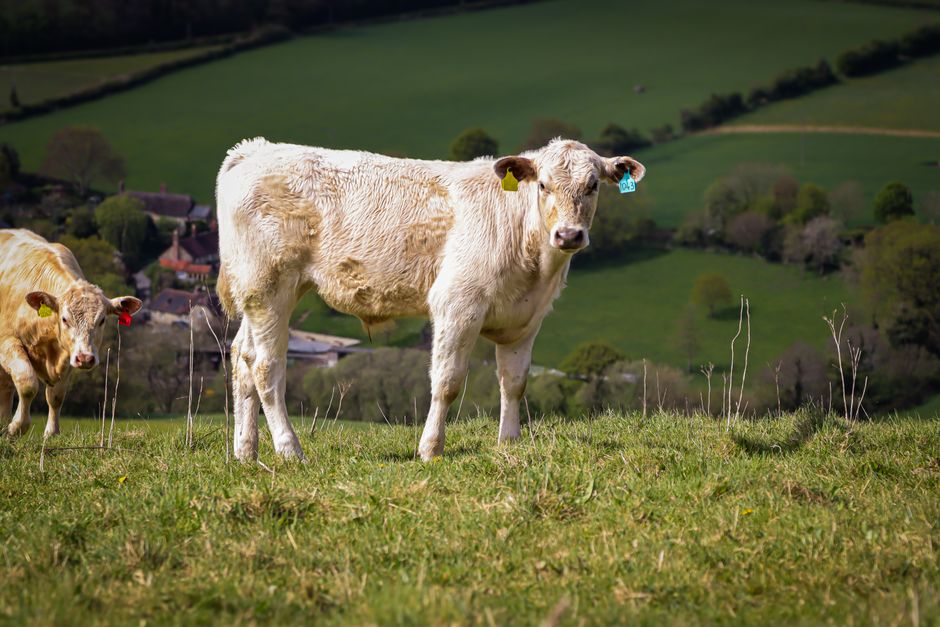
Networking with other farmers or joining local cattle producer groups can help identify trustworthy sellers. Visiting farms in person allows you to observe herd health, environment, and management practices firsthand, which is invaluable information for making a confident purchase.
When transporting cattle, ensure you have or can rent appropriate trailers and follow animal welfare guidelines to minimize stress and injuries.
Essential Herd Management Practices
Nutrition and Feeding
Good nutrition is vital. Cows require a diet based primarily on quality pasture, supplemented with hay during winter or drought. Mineral blocks and salt should always be available. For lactating dairy cows, higher protein feed may be necessary to support milk production.
Pasture management is equally important to maintain forage quality and prevent overgrazing. Rotational grazing systems allow pastures to rest and regenerate, improving yields and reducing weed problems. For example, dividing your acreage into 4-6 paddocks and moving cattle every 3-7 days is a common approach.
In addition to hay and pasture, some producers include grain or commercial concentrates during high-demand periods such as late gestation or peak lactation to meet energy needs. However, overfeeding grain can lead to digestive upset or excessive weight gain, so balance is crucial.
Water intake is critical; a mature cow drinks 10-20 gallons of water daily depending on weather and lactation status. Ensure clean, fresh water is always available, especially during hot weather.
Health and Veterinary Care
Routine vaccinations against diseases like clostridial infections, leptospirosis, and bovine respiratory disease are essential. Deworming schedules depend on pasture parasite loads but typically occur 2-4 times per year. Establish a relationship with a large animal veterinarian for regular health checks and emergencies.
Implement biosecurity measures to prevent disease introduction, such as quarantining new arrivals for 30 days and controlling visitor access. Monitor your herd daily for early signs of illness such as coughing, nasal discharge, lameness, or changes in appetite.
Foot care is another important aspect; regular trimming and inspection prevent lameness and infections like foot rot. In wet climates, maintaining dry resting areas reduces hoof problems.
Breeding and Calving
For a self-sustaining herd, plan breeding cycles carefully. Artificial insemination (AI) allows access to superior genetics but requires skill or veterinary assistance. Natural breeding with a bull is simpler but requires more space and management. Monitor cows during calving season to avoid complications and ensure calf survival.
Heat detection is crucial for timely breeding; signs include restlessness, mounting behavior, and clear mucous discharge. Technologies like activity monitors or heat detection patches can aid farmers with larger herds or less experience.
Calving areas should be quiet, clean, and well-bedded to minimize stress and disease risk. Be prepared with necessary supplies such as obstetrical gloves, iodine for navel dipping, and colostrum replacer in case of poor maternal care.
Record keeping is vital; track breeding dates, calving outcomes, and health treatments to inform future management decisions and improve herd genetics over time.
Common Challenges and How to Overcome Them
- Predators: Guard animals like dogs or donkeys, and secure fencing, reduce losses. In rural or wooded areas, electric fencing combined with visual deterrents like flagging can increase security. Night corralling of calves also helps.
- Weather extremes: Ensure shelter adequate for heat and cold stress mitigation. During heat waves, provide shade and extra water, and avoid handling animals during peak heat. In cold climates, windbreaks and well-bedded shelters reduce energy needs for warmth.
- Parasites: Rotate pastures and use veterinary-approved dewormers. Monitor fecal egg counts to assess parasite burdens and avoid overuse of anthelmintics, which can lead to resistance. Incorporate management practices such as avoiding grazing young stock on heavily contaminated pastures.
- Financial strain: Start small, track expenses, and consider supplemental income like selling calves, beef, or dairy products. Diversifying your farm’s income through agritourism, hay sales, or value-added products can also improve financial resilience.
- Labor shortages: Simplify routines with automated waterers and feeders, and consider cooperative agreements with neighboring farms for shared labor or equipment.
Case Study: Starting a Small Herd in a Temperate Climate
Sarah, a hobby farmer in Vermont, began her herd with four Jerseys for dairy purposes. She had 8 acres of fenced pasture and a basic three-sided shelter. Initial costs totaled roughly $12,000, including purchase of cattle, fencing, and veterinary supplies. Sarah maintained a rotational grazing schedule, dividing the pasture into four sections to improve forage regrowth. After the first year, she successfully bred three of her cows through AI, resulting in three healthy calves, gradually expanding her herd size while maintaining manageable workload and costs.
In her second year, Sarah invested in a small milking parlor setup that allowed her to milk efficiently and maintain hygiene standards, improving milk quality. She also started making cheese and yogurt, selling surplus products at the local farmers market. This diversified her income and increased community engagement with her farm.
Sarah faced challenges such as a harsh winter that limited grazing and required more supplemental feeding, and an outbreak of pinkeye among her cattle, which she managed with prompt veterinary intervention and improved fly control measures. She also implemented a detailed health and breeding record system, which helped her identify the best performing cows for future breeding decisions.
Her experience highlights the importance of adaptability, continuous learning, and careful planning when starting a small herd.
Summary Checklist for Starting Your Small Cow Herd
- Define your herd’s purpose (beef, dairy, breeding)
- Choose breeds suited to your climate and goals
- Assess land and build adequate fencing and shelter
- Budget realistically for startup and ongoing costs
- Purchase healthy cattle from reputable sources
- Implement proper nutrition, health, and breeding management
- Prepare for common challenges with proactive strategies
- Maintain detailed records for health, breeding, and finances
- Engage with local agricultural networks and resources
- Plan for gradual herd expansion and infrastructure upgrades