
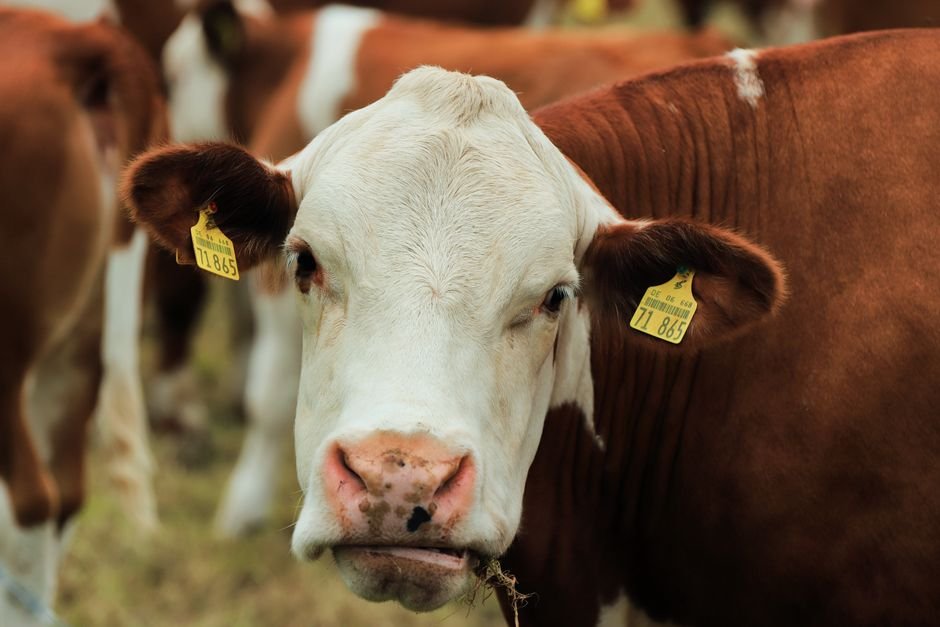
Introduction to Starting a Small Cattle Herd
Beginning a small cattle herd is an achievable goal for farmers, homesteaders, and rural landowners interested in sustainable livestock management or supplemental income. Whether you intend to raise cattle for beef, dairy, or breeding stock, understanding the fundamental steps and requirements is essential for success. This guide breaks down key considerations, from initial planning and breed selection to land management and animal care, providing practical insights with real-world examples.
In addition to the tangible benefits like meat and milk production, raising cattle can improve soil fertility through manure distribution and stimulate local ecosystems when managed properly. Small herds can also offer educational opportunities for families and communities interested in agriculture. However, success hinges on a solid foundation of knowledge, attentive care, and long-term planning.
Evaluating Your Resources: Land, Budget, and Time
Before purchasing cattle, realistically assess your available resources. The three main factors are land size and quality, budget, and the time you can dedicate to herd management.
Land Requirements
Cattle need adequate pasture for grazing, which is the most cost-effective feed. The general rule is 1.5 to 2 acres per cow-calf pair for good-quality pasture. For example, a 5-acre pasture can support approximately 2 to 3 cows with their calves.
The carrying capacity varies depending on soil fertility, rainfall, and pasture species. In regions with poor soil or drought-prone areas, you may need 3 or more acres per cow.
It’s also important to consider the layout of your land. Hilly or rocky terrain reduces usable pasture and increases fencing and feeding challenges. Water availability is another critical factor; natural water sources like streams or ponds can supplement watering needs but may require fencing to prevent contamination. Installing water troughs with reliable access is often necessary and should be planned during the initial setup.
Pasture diversity plays a role in sustainable grazing. Incorporating legumes such as clover or alfalfa can increase protein content in forage, improve nitrogen fixation in soil, and reduce the need for synthetic fertilizers. Soil testing before pasture planting can identify nutrient deficiencies and guide fertilization to optimize forage growth.
Budget Considerations
Starting a small herd requires upfront investment in cattle, fencing, shelter, and equipment. A single quality cow costs between $1,000 and $2,000 depending on breed and purpose. Budget $3,000 to $5,000 to start with a small group of 3 cows including calves and basic infrastructure.
Additional recurring costs include feed supplements, veterinary care, and maintenance.
Other often overlooked costs include insurance for liability and livestock mortality, utility expenses for electric fencing or water pumps, and potential labor costs if hiring help. Marketing costs to sell calves or dairy products should also be considered if producing for income. Exploring grants or cost-share programs offered by agricultural extension services or government agencies can help offset initial expenses.
When estimating feed costs, consider the price volatility of hay and grain supplements, especially during droughts or winter months. Preparing a financial buffer or emergency fund is a wise precaution to avoid cash flow problems during unexpected challenges.
Time Commitment
Daily care involves feeding, watering, checking for illnesses, and pasture maintenance. New herd owners should expect to spend 1-2 hours daily during grazing season and more during calving. Planning for seasonal tasks such as vaccination and breeding is crucial.
In addition to daily routines, time commitments vary by season and herd size. For example, calving season demands near-daily close observation to assist with difficult births and to ensure calf health. Winter months may require extra time for feeding hay, breaking ice for water, and managing mud issues around shelters.
Time spent on infrastructure maintenance—such as repairing fences, managing pastures, and cleaning handling facilities—can add up but is critical to prevent losses and ensure animal welfare. Using tools like mobile fencing can ease rotational grazing and reduce labor.
Those new to cattle management benefit from joining local farming or cattle associations, attending workshops, and networking with experienced producers to learn time-saving techniques and gain support.
Choosing the Right Cattle Breed
Selecting the right breed depends on your goals—beef, dairy, or dual-purpose—and local climate.
Beef Breeds
- Angus: Known for quality beef and good mothering traits. Ideal if you want easier calving and market recognition.
- Hereford: Hardy and adaptable to various climates; good for beginner farmers.
- Limousin: Lean beef producers with good feed efficiency but require more management.
Beyond these, consider breed-specific factors such as growth rate, feed conversion efficiency, and heat tolerance. For example, Brahman-influenced breeds are excellent for hot, humid climates due to their parasite resistance and heat tolerance but may have slower growth rates.
Genetic diversity within breeds can also impact herd health and productivity. Purchasing animals from reputable breeders who provide health clearances and performance data helps ensure you’re acquiring quality stock.
Dairy Breeds
- Holstein: High milk production, well-suited for commercial dairy operations but requires more feed and management.
- Jersey: Smaller size with high butterfat in milk, easier to handle for small herds.
Other dairy breeds worth considering include Guernsey, known for golden milk rich in beta-carotene, and Brown Swiss, valued for longevity and protein content. For small-scale or homestead dairying, breed temperament and ease of milking are important considerations.
Crossbreeding can offer hybrid vigor and balance traits such as milk volume and milk components, but requires careful planning to maintain consistent production.
Dual-Purpose Breeds
- Dexter: Small, hardy, and suitable for both milk and beef on limited acreage.
- Shorthorn: Versatile and docile, helpful for mixed farming goals.
Other dual-purpose breeds include the Red Poll, which is known for calm temperament and moderate milk and beef production, and the Simmental, which offers good growth rates and milking ability. Choosing dual-purpose breeds is often ideal for diversified small farms seeking both dairy and beef revenue streams.
Essential Infrastructure and Fencing
Proper fencing and shelter are critical to keep your herd safe and healthy.
Fencing Types and Costs
For cattle, strong and secure fencing is a must. Here are common types and approximate costs per linear foot:
| Fencing Type | Cost per Linear Foot | Pros | Cons |
|---|---|---|---|
| Barbed Wire | $0.50 – $1.00 | Inexpensive, easy to install | Can injure cattle, less secure |
| High-Tensile Wire | $1.00 – $2.00 | Durable, flexible, safer | Requires tensioning tools |
| Electric Fence | $1.50 – $3.00 | Effective for containment, flexible | Needs power source, regular maintenance |
| Wood Post and Rail | $5.00 – $10.00 | Strong, long-lasting, aesthetic | Expensive, labor-intensive |
For a 5-acre pasture, a perimeter fence will roughly require 1,000 linear feet. Using high-tensile wire at $1.50/ft would cost about $1,500 just for fencing materials.

Wire spacing and fence height are crucial design elements. For example, a typical cattle fence includes 4 to 5 strands of wire spaced evenly between 16 and 48 inches high to prevent jumping or squeezing through. Wooden or metal corner posts add stability, especially at gate openings.
Gates should be wide enough (minimum 12 feet) to accommodate equipment and livestock movement. Self-closing or bolt mechanisms increase security and ease of operation.
Shelter and Handling Facilities
Cattle need shelter from extreme weather—shade in summer, windbreaks in winter. Simple pole barns or three-sided shelters cost between $1,500 and $4,000 depending on size.
In addition to basic structures, consider the orientation and ventilation of shelters to reduce heat stress and respiratory problems. Using locally sourced materials can reduce costs and enhance environmental harmony.
Handling facilities like chutes or corrals are essential for vaccinations, sorting, and loading cattle. These can be simple panels arranged for safe movement or more complex systems costing several thousand dollars.
Designing handling systems with animal behavior in mind reduces stress and injury. For example, curved alleyways take advantage of natural movement patterns, and non-slip flooring minimizes falls.
Portable handling equipment offers flexibility for small herds or rotational grazing systems. Investing in good-quality equipment increases safety for both animals and handlers.
Feeding and Nutrition Management
Efficient feeding strategies minimize costs and maximize cattle health.
Pasture Grazing
Pasture should be composed of nutrient-rich grasses such as fescue, ryegrass, or clover. Rotational grazing helps maintain pasture quality and prevents overgrazing.
Rotational grazing involves dividing pasture into smaller paddocks and rotating cattle through them to allow forage recovery. This method can increase carrying capacity by up to 30% compared to continuous grazing. Monitoring forage height, ground cover, and plant species diversity helps optimize rotation timing.
Incorporating mixed species pastures—combining grasses, legumes, and forbs—improves diet variety and nutritional balance. For instance, white clover provides protein and fixes nitrogen, enhancing grass growth.
Managing pasture with periodic soil tests and appropriate fertilization ensures sustained productivity. Overseeding and weed control are also important maintenance practices.
Supplemental Feeding
During winter or droughts, hay or silage is necessary. One mature cow consumes roughly 2.5% of its body weight in dry matter per day. For example, a 1,200-pound cow eats about 30 pounds of hay daily.
Hay quality directly affects animal performance. Testing hay for crude protein, fiber, and energy content helps determine when supplementation is required. Mineral deficiencies in hay may necessitate additional supplements to prevent disorders like grass tetany.
Silage, made from fermented forage crops such as corn or alfalfa, offers higher energy content and is often fed in regions with long winters. Proper storage in silos or wrapped bales preserves nutrients and reduces spoilage.
Grain supplements—such as corn, oats, or soybean meal—can boost energy and protein intake, especially for lactating cows or growing calves. However, overfeeding grains risks digestive disorders like acidosis, so careful ration balancing is essential.
Minerals and Water
- Provide free-choice mineral supplements designed for cattle.
- Ensure constant access to clean, fresh water. A cow drinks 10-15 gallons daily depending on weather and lactation.
Water quality affects intake and health; regular testing for contaminants such as nitrates, bacteria, and heavy metals is advisable. Water troughs should be cleaned regularly to prevent algae buildup and mosquito breeding.
Trace minerals such as selenium, copper, and zinc are critical for immune function and reproduction. Deficiencies vary by region, so consult local extension services to select appropriate mineral mixes.
Health Care and Vaccination
Regular health monitoring and vaccination protect your herd from common diseases.
Common Health Issues
- Parasites (internal and external)
- Bovine respiratory diseases
- Calving complications
Internal parasites like worms can reduce weight gain and milk production. Implementing a strategic deworming schedule based on fecal egg counts reduces parasite resistance. External parasites, such as ticks and flies, cause irritation and disease transmission; fly control programs include insecticides, traps, and pasture management.
Bovine respiratory disease (BRD) complex is a leading cause of illness; stress factors like transport, weather changes, and overcrowding increase risk. Quarantine new animals to prevent disease introduction and maintain clean feeding and watering equipment.
Calving complications include dystocia (difficult birth) and retained placenta. Preparing calving kits, knowing when to intervene, and having veterinary support available improve calf survival rates.
Vaccination Schedule
A typical vaccination protocol includes:
- At branding or early life: Clostridial vaccines (e.g., Blackleg), Infectious Bovine Rhinotracheitis (IBR), Bovine Viral Diarrhea (BVD)
- Annual booster: Repeat core vaccines and deworming
Depending on regional risks, additional vaccines against leptospirosis, bovine respiratory syncytial virus (BRSV), or pinkeye may be recommended. Vaccinating bulls before breeding season protects fertility.

Record vaccine lot numbers, expiration dates, and administration dates to track herd immunity status accurately.
Partnering with a veterinarian to develop a customized herd health plan tailored to your breed, location, and production goals is essential. Regular herd health visits facilitate early disease detection and management.
Breeding and Herd Growth
Expanding your herd requires a breeding strategy. Most small herds use natural service bulls or artificial insemination (AI).
Natural Service Bulls
One bull can service 20-25 cows during a breeding season. Bulls cost between $2,500 and $5,000 depending on genetics.
When selecting bulls, consider traits such as calving ease, growth rate, temperament, and disease resistance. Keeping a bull requires extra fencing and management to ensure safety and prevent overbreeding.
Managing bull fertility through regular breeding soundness exams helps avoid reproductive failure. For small herds, sharing a bull with neighbors or leasing may be cost-effective options.
Artificial Insemination
AI allows use of superior genetics without maintaining a bull but requires more management and some technical skill. Cost per insemination ranges from $15 to $50.
AI programs enable targeted genetic improvements such as disease resistance, carcass quality, or milk production. Synchronizing estrus cycles using hormone protocols increases AI success but adds complexity.
Training or hiring skilled technicians ensures higher conception rates. Maintaining proper heat detection and record keeping is critical for timing inseminations effectively.
Calving Management
Plan for calving in a season with ample forage availability. Monitor cows closely in the last month of gestation. Expect a calving interval of approximately 12 months for efficient herd reproduction.
Establishing clean, dry calving areas reduces disease risks for newborn calves. Colostrum intake within the first few hours of life is vital for calf immunity; monitoring and assisting weak calves is often necessary.
Record calving dates, calf weights, and any complications to inform future breeding decisions and herd improvement.
Record Keeping and Financial Tracking
Keeping accurate records improves decision-making and profitability.
- Track individual animal ID, birth dates, health treatments, breeding dates, and production data.
- Monitor expenses such as feed, veterinary care, and infrastructure maintenance.
- Use simple spreadsheets or specialized livestock management software.
Examples of popular livestock management software include HerdBoss, CattleMax, and AgriWebb, which offer mobile access and integrated tools such as weight tracking, vaccination reminders, and financial reporting.
Financial tracking helps identify cost-saving opportunities, evaluate market timing for sales, and plan for future investments. Incorporating marketing data—such as sale prices and buyer contacts—can enhance income potential.
Good records also facilitate compliance with local regulations, traceability for disease outbreaks, and participation in quality assurance or certification programs.
Case Study: Starting a 3-Cow Beef Herd in Missouri
Jane, a new farmer in Missouri, started with three Angus cows on a 6-acre pasture. She installed 1,200 feet of high-tensile fencing costing $1,800, built a three-sided shelter for $2,500, and purchased the cows for $5,000 total.
She follows rotational grazing by dividing her pasture into three smaller paddocks. During winter, she supplements with 2 tons of hay at $150/ton, lasting about two months.
Jane vaccinates her herd annually and works with a local vet to monitor parasite loads. With natural service breeding, she expects six calves in the next two years, aiming to sell weaned calves at $800 each to improve profitability.
Jane’s experience highlights the importance of gradual investment and learning. She documented all costs and animal performance, which helped refine her management practices over time. She also participates in a local cooperative to access veterinary services and bulk feed purchases, reducing expenses.
By networking with other farmers, Jane learned about pasture improvement techniques such as overseeding with clover and soil testing, which increased forage yield by 25% in her second year. She also began exploring value-added markets by marketing grass-finished beef directly to consumers, which commands higher prices.
Summary: Key Steps to Starting Your Small Cattle Herd
- Assess your land, budget, and time availability carefully.
- Choose cattle breeds aligned with your production goals.
- Install sturdy fencing and provide shelter and handling facilities.
- Manage pasture to maximize natural grazing and supplement with hay as needed.
- Implement a vaccination and health program with veterinary guidance.
- Plan breeding to grow the herd sustainably.
- Keep detailed records to track herd performance and finances.
With proper preparation and ongoing management, starting a small cattle herd can be a rewarding endeavor that contributes to your farm’s sustainability and income. Continuous learning, adapting to challenges, and connecting with the agricultural community enhance success and enjoyment in this undertaking.