
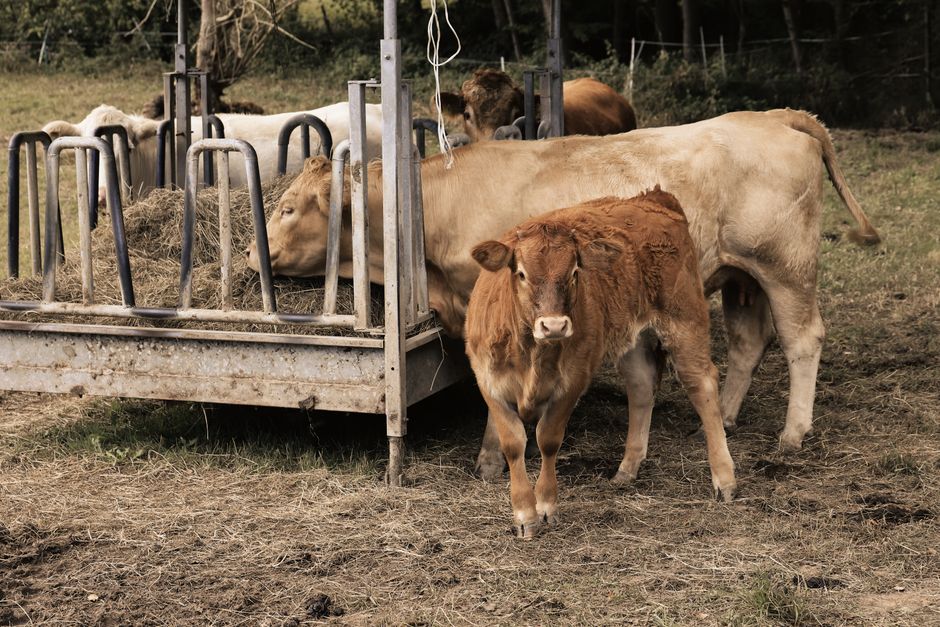
Introduction to Starting a Small Cow Herd
Starting a small herd of cows can be a rewarding venture, whether for dairy, beef, or even hobby farming. However, success hinges on having the right equipment in place to ensure animal welfare, efficient management, and farm productivity. This guide covers the essential equipment you’ll need, offering practical advice and specific examples to help you prepare your farm effectively.
Beyond equipment, it’s important to consider your herd goals, local climate, and available land when planning. For example, a small dairy operation will have different needs than a beef herd raised on rotational grazing systems. Understanding these differences early on will help you select the right tools and infrastructure to support your specific farming objectives. In addition, establishing a good relationship with a local veterinarian and agricultural extension service can provide valuable guidance tailored to your region and herd type.
Fencing and Containment
Proper fencing is critical for managing cattle safely and preventing escape or injury. It defines pasture boundaries and protects your herd from predators or traffic.
Types of Fencing
- Barbed Wire: Common for beef cattle, barbed wire offers a cost-effective solution. Use four strands spaced evenly, with the bottom wire about 16 inches from the ground. A 1-acre paddock typically requires around 840 feet of fencing. Barbed wire is effective at discouraging cattle from pushing boundaries but can cause injury if improperly installed or maintained.
- High-Tensile Wire: Strong and low-maintenance, high-tensile fencing needs fewer posts and can withstand pressure better. It’s more expensive upfront but lasts longer. High-tensile wire can be electrified to increase effectiveness and is ideal for rotational grazing systems where flexibility and durability are key. Its tension can reach up to 180 pounds per wire, which keeps fences taut and reduces sagging over time.
- Electric Fencing: Useful for flexible paddock rotation, electric fences deter cows from pushing against boundaries. A standard 3 or 4-wire electric fence around 1 acre requires energizers rated at 1 joule or more. Solar-powered energizers are available for remote areas without grid electricity, and fence testers can help monitor voltage to ensure effectiveness. Electric fencing is also used to create temporary paddocks, allowing pasture recovery and improving forage utilization.
- Wood or Pipe Rail Fence: Expensive but durable and visually appealing, often used in smaller operations or show herds. These fences provide a physical barrier that is easy to see and less likely to injure cattle if they rub against it. Maintenance can include periodic painting or sealing to prevent weather damage, which can extend its lifespan beyond 15 years.
Fencing Components and Costs
| Fencing Type | Estimated Cost per 100 ft | Durability | Maintenance | Best Use |
|---|---|---|---|---|
| Barbed Wire | $40 – $70 | 5-7 years | Moderate (check tension and rust) | Beef cattle, budget farms |
| High-Tensile Wire | $80 – $120 | 10+ years | Low (occasional tensioning) | Durable boundary, rotational grazing |
| Electric Fence | $100 – $150 (energizer + wire) | 5-8 years | Moderate (energizer checks, wire repair) | Flexible paddocks, temporary fencing |
| Wood/Pipe Rail | $250 – $400 | 15+ years | Low (painting, occasional repair) | Show herds, small paddocks |
In addition to wire and posts, don’t overlook the importance of quality fence posts and corner braces. For example, steel posts with step-in designs can reduce installation time and improve durability, especially in rocky or uneven terrain. Corner posts may need to be reinforced with concrete for stability, particularly for high-tension fencing systems. Gate hardware such as hinges and latches should be sturdy and rust-resistant to maintain security and ease of use over time.
Shelter and Housing
Cows need protection from extreme weather, especially in cold climates or areas with heavy rainfall. Proper shelter improves animal comfort, health, and productivity.
Types of Shelter
- Run-in Shed: A simple three-sided structure providing shade and rain protection. For a small herd of 5-10 cows, a 20 ft x 30 ft shed is often sufficient. Consider orienting the open side of the shed away from prevailing winds to maximize protection. Installing a gravel or crushed stone base inside the shed improves drainage and reduces mud build-up, which can harbor pathogens.
- Barns: More substantial buildings used for milking cows or during calving. Require good ventilation and easy access for feeding and cleaning. Ventilation can be natural (ridge vents, windows) or mechanical (fans), critical to control humidity and ammonia levels. Barns also need adequate lighting to facilitate cow observation, particularly during calving season or health checks.
- Natural Shelter: Trees and windbreaks can provide partial protection but are usually supplemented with man-made structures. Planting rows of conifers or dense shrubs can serve as effective windbreaks and shade providers while enhancing pasture biodiversity. However, be cautious of toxic plants that may grow in shaded areas.
Materials and Considerations
Use durable, weather-resistant materials like treated wood or metal roofing. Floors should be well-drained, using gravel or concrete pads with rubber mats to prevent hoof problems. When installing concrete floors, include proper slopes to direct urine and rainwater away from the cattle area. Rubber mats reduce stress on joints and improve footing, which is particularly important for older or lactating cows. Moreover, insulation in roofing can moderate temperatures inside barns during extreme weather conditions. In hot climates, reflective roofing materials or ventilated ridge caps can help reduce heat buildup.
Additionally, consider incorporating lighting and water access within shelters. Automatic waterers inside or adjacent to the shelter encourage cows to stay protected during inclement weather while maintaining hydration. In colder regions, heated waterers inside the shelter can prevent freezing and water loss.
Feeding Equipment
Proper feeding infrastructure ensures your cows get adequate nutrition, reduces waste, and saves time.
Feeders
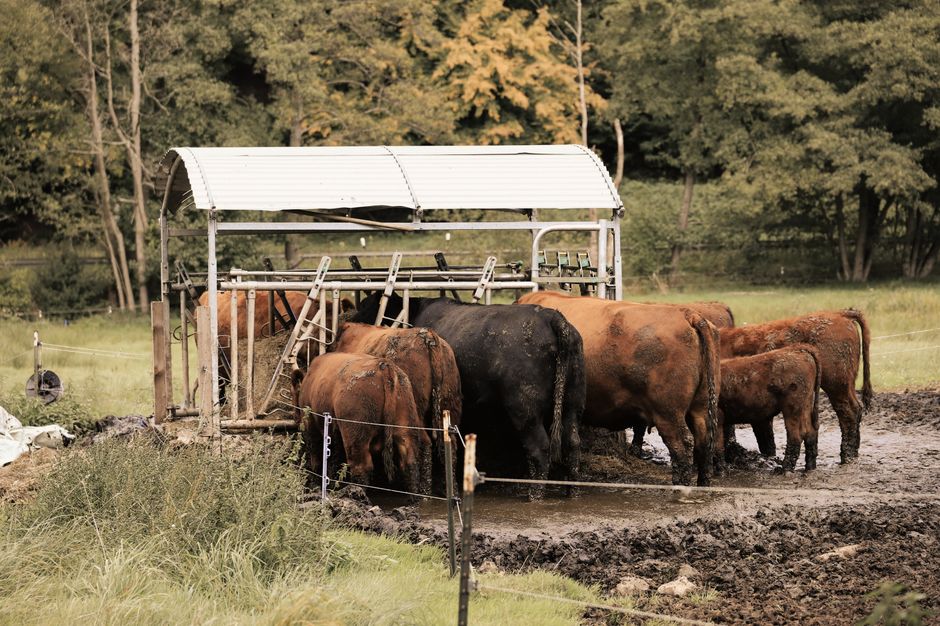
- Hay Racks or Feed Bunks: Designed to hold hay or silage off the ground, minimizing waste. A 5-foot feeder typically serves 3-4 cows. Choose feeder designs with rounded edges and smooth surfaces to prevent injury. Some models include adjustable sides to accommodate different bale sizes and reduce feed spoilage. For silage feeding, concrete feed bunks with drainage and sloped bottoms help keep feed fresh and prevent mold growth.
- Grain Feeders: Metal or plastic troughs designed for concentrates. Should be sized to prevent overcrowding; allow about 1 linear foot per cow. Consider feeders with protective covers or enclosed designs that prevent feed contamination from rain, dust, or pests like rodents. Automatic feeders with programmable dispensing can aid in managing individual cow nutrition in dairy herds.
Watering Systems
Access to clean fresh water is paramount. Options include:
- Automatic Waterers: Heated models prevent freezing in winter, costing $300 – $600 each. They provide continuous water supply and reduce labor. Brands like Flo-Rite and Moultrie offer models with thermostats and freeze protection. For energy efficiency, solar-powered waterers are ideal in off-grid areas. Installation should consider water pressure and flow rate to ensure adequate supply (minimum of 5 gallons per minute for a small herd).
- Water Troughs: Large-capacity troughs (e.g., 100 gallons) need daily manual refilling and cleaning. Choose materials resistant to cracking in cold weather, such as polyethylene or galvanized steel. Trough placement is important—locate them on well-drained ground to prevent mud and contamination. Raised troughs can reduce debris entry and facilitate easier cleaning.
- Natural Water Sources: Ponds or streams can supplement, but must be safe and clean. Regular water quality testing is essential to avoid contamination by parasites, algae blooms, or pollutants. Fencing off natural water sources and providing controlled access points can minimize environmental degradation and improve herd health.
In drought-prone regions, installing water storage tanks and backup pumps is advisable. This ensures uninterrupted water availability, critical for maintaining herd health and milk production.
Handling and Care Equipment
Safe and efficient handling facilities protect both cows and handlers. Consider these essentials:
Chutes and Gates
- Cattle Handling Chute: A narrow alleyway that restrains cows for vaccinations, tagging, or veterinary treatments. A hydraulic or manual squeeze chute is ideal; prices range from $1,500 to $5,000 depending on features and size. Models from brands like BudBox or Priefert are popular for their durability and ease of use. When selecting a chute, ensure it fits the size of your animals and includes non-slip flooring and rounded edges to reduce stress and injury during handling.
- Head Gate: Locks the animal’s head, simplifying procedures. Often integrated into the chute. Head gates can be manual or hydraulic and should have adjustable widths to accommodate different breeds and sizes. Properly functioning head gates reduce handling time and improve safety for both cattle and handlers.
Scales
Regular weighing is important to monitor health and growth. Portable livestock scales cost about $600 – $1,200. For smaller herds, a platform scale with ramps is practical. Digital scales with wireless data transmission facilitate record-keeping and reduce handling stress by allowing quick weight capture. Accurate weights help in managing nutrition programs, detecting health issues early, and making breeding decisions.
Miscellaneous Tools
- Dehorning equipment (e.g., electric dehorners) if needed. Proper timing and technique are critical to minimize stress and complications.
- Hoof trimming tools or services. Regular hoof care prevents lameness and improves mobility, particularly in confined or wet environments.
- Vaccination and medical supplies (needles, syringes, disinfectants). Maintain a well-stocked first aid kit and follow strict hygiene protocols to prevent infection.
- Ear tag applicators and tags for animal identification and record-keeping.
- Fly control equipment such as back rubbers or insecticide sprayers, especially in warmer climates where fly populations can impact cattle comfort and health.
Transportation Equipment
Moving your herd or individual animals requires safe transport mechanisms.
Livestock Trailer
A well-built stock trailer is essential. For small herds, a 12- to 16-foot trailer with solid sides and non-slip flooring is typical. Prices vary from $3,000 to over $10,000 depending on size and features. Look for trailers with easy access ramps and adequate ventilation. Trailers with adjustable partitions allow for separation of animals by size or condition and improve safety during transport. Maintenance includes regular cleaning to prevent disease transmission and inspecting tires, brakes, and lights to ensure roadworthiness.
Consider trailer weight and towing capacity of your vehicle to avoid overloading and ensure safe transport. For longer trips, adding bedding material such as straw or wood shavings improves animal comfort. Additionally, planning transport timing to avoid extreme weather conditions reduces stress on the herd.
Record-Keeping and Management Tools
Efficient management requires proper record-keeping of breeding, health, and production data.
Software and Apps
Farm management software like CattleMax or AgriWebb help track vaccinations, weight, breeding cycles, and feed records. These platforms often include mobile apps for real-time data entry in the field, improving accuracy and convenience. Some software integrates with electronic identification systems (EID) for automatic data capture, saving time during routine handling. Features like alert systems for upcoming vaccinations or calving dates enhance herd health management.
Physical Records
Binders or notebooks for manual record-keeping remain useful, especially in areas with limited internet access. Organize physical records by animal ID, treatment dates, breeding history, and nutrition plans. Use waterproof covers and large-format binders for durability and ease of use in farm environments. Combining physical and digital records can provide redundancy and ensure data safety.
Summary of Essential Equipment for a Small Cow Herd
| Equipment | Purpose | Estimated Cost Range | Recommended Size/Capacity |
|---|---|---|---|
| Fencing (Barbed wire or electric) | Enclose and protect herd | $1,000 – $3,000 (for 1-3 acres) | 4 strands, 1-3 acres coverage |
| Run-in Shed or Barn | Shelter from weather | $2,000 – $8,000 | 20×30 ft for 5-10 cows |
| Feeders (Hay racks, grain troughs) | Efficient feeding | $200 – $600 total | 1 ft per cow for grain; 5 ft per feeder for hay |
| Waterers (Automatic or troughs) | Clean water supply | $300 – $600 per unit | 1 unit per 10 cows |
| Handling Chute and Head Gate | Animal handling for care | $1,500 – $5,000 | Size matched to animal weight |
| Livestock Trailer | Transport animals safely | $3,000 – $10,000 | 12-16 ft for small herds |
Additional Tips for Equipment Investment
Start with essential equipment and expand as your herd grows. Consider second-hand equipment from reputable sellers to reduce costs. When buying used items, inspect thoroughly for wear, rust, or damage, especially in critical components like fence posts, wiring, and chute mechanisms. Prioritize safety and durability, especially with fencing and handling gear. Seasonal needs may affect equipment choice, such as heated waterers in colder climates or shade structures in hot areas. For example, in regions with heavy snowfall, consider roof pitch and structural support for shelters to prevent collapse.
Additionally, plan for future scalability; modular fencing systems and portable feeders allow for easier expansion without major reinvestment. Training handlers in proper equipment use and animal behavior reduces stress and injuries, improving both labor efficiency and herd welfare. Joining local agricultural groups or co-ops can provide access to shared equipment or bulk purchasing discounts, further optimizing your investment.