

Understanding the Importance of Proper Housing and Shelter for Cows
Providing adequate housing and shelter for cows is essential for their health, welfare, and productivity. Unlike many livestock species, cows are large animals that require specific environmental conditions to thrive. Proper shelter not only protects cows from adverse weather but also helps maintain their physiological balance, reduces stress, and supports optimal growth and milk production. The frequency of providing shelter and housing depends largely on climate, breed, production system, and season. This article explores how often cows should be housed or sheltered, the types of shelter available, and practical guidelines for cattle farmers.
Factors Influencing the Frequency of Housing and Shelter
Climate and Weather Conditions
One of the primary factors determining how often cows need housing or shelter is the local climate. In temperate regions with harsh winters, cows often require shelter daily during cold months, while in tropical climates, providing shade and ventilation during the hottest parts of the day might suffice. Additionally, microclimates within a farm, such as exposed pastures or valleys that trap cold air, can necessitate more frequent sheltering.
- Cold climates: Cows need windbreaks or barns daily during winter months to prevent hypothermia and frostbite. Temperatures below -10°C (14°F) typically necessitate shelter. Prolonged exposure to low temperatures increases maintenance energy requirements by up to 30%, which can reduce growth rates and milk production. According to a study in Canada, providing shelter to beef cattle during winter reduced feed costs by improving energy efficiency.
- Hot climates: Frequent shade and access to water are critical, especially during midday heat. Shelter is often needed during the hottest 6-8 hours daily. Heat stress can lead to reduced feed intake and milk yield; dairy cows experiencing temperatures above 25°C (77°F) can suffer a 10-25% drop in milk production if shade and cooling are inadequate. The use of evaporative cooling systems in barns has shown to improve cow comfort significantly in such climates.
- Rain and storms: Cows require protection from prolonged exposure to heavy rain or storms, which can increase disease risk and cause stress. Wet conditions contribute to hoof problems such as foot rot and increase susceptibility to respiratory illnesses. Shelter following heavy rainfall also reduces mud formation, which leads to injuries and infections.
Breed and Physiological Needs
Different breeds have varying tolerance levels to weather extremes. For instance, British breeds like Angus or Hereford tolerate cold better due to thicker coats and higher body fat reserves, while dairy breeds like Holstein may need more frequent sheltering. Zebu cattle, common in tropical regions, have adaptations such as loose skin and sweat glands that allow them to cope better with heat but still benefit from shade. Lactating cows require optimal conditions to maintain milk production and are often prioritized for housing during adverse weather due to their higher metabolic heat production and vulnerability.
Additionally, physiological status influences shelter needs. Pregnant cows, calves, and elderly animals have different thermoregulatory abilities. Calves, for example, have a higher surface area-to-volume ratio, making them more susceptible to cold stress. Therefore, providing individual shelter or calf hutches with controlled temperatures is important, especially in colder climates. Pregnant cows are more prone to heat stress, which can affect fetal development, thus necessitating more frequent access to shade and cooling mechanisms during hot weather.
Production System and Management Practices
Cows in intensive systems, such as dairy operations, are typically housed daily or overnight to facilitate milking and health monitoring. Such housing enables routine veterinary checks, controlled feeding, and manure management. In contrast, extensive grazing systems might only provide shelter during unexpected weather events or at night. For example, in pasture-based dairy operations, cows may be allowed to graze freely during the day but brought into shelters in the evening to protect from cold or predators.
Management goals and resources also dictate shelter frequency. High-input systems with automated milking and climate-controlled barns tend to house cows continuously, ensuring maximum production efficiency. Conversely, low-input or organic systems might emphasize natural shelter and minimal confinement, balancing animal welfare with environmental sustainability. The availability of labor, capital investment, and local regulations also influence housing decisions.
Types of Housing and Shelter for Cows
Understanding the types of shelter available helps determine how often cows should be housed. Common options include:
- Open barns or sheds: These provide protection from wind, rain, and sun while allowing ventilation. Open barns are typically designed with adjustable side curtains or openings to regulate airflow. Such structures reduce respiratory problems by maintaining air quality and humidity levels. In New Zealand, open barns with well-drained floors have been shown to improve cow comfort during wet seasons.
- Windbreaks and natural shelters: Trees or constructed barriers like wooden fences or earth berms offer partial protection, often used intermittently. Shelterbelts composed of rows of trees act as wind barriers that can reduce wind speed by up to 50%, lowering heat loss from cattle during winter. Additionally, natural shade from deciduous trees can provide cooling in summer while allowing sunlight in winter due to leaf loss.
- Tie-stall or free-stall barns: Typically used in dairy operations requiring daily and sometimes continuous housing. Tie-stall barns confine individual cows allowing close monitoring but may restrict natural behaviors. Free-stall barns provide individual resting spaces with bedding and allow more freedom of movement. Modern free-stall designs incorporate automated manure removal and controlled ventilation, enhancing hygiene and air quality.
- Temporary shelters: Portable shades or tents utilized during extreme weather or specific seasons. These can be quickly deployed in pasture areas to provide shade or rain protection, especially during heatwaves or monsoon seasons. In tropical countries like India, flexible shelters enable farmers to adapt to erratic weather patterns without large capital investments.
Recommended Frequency of Housing and Shelter
Daily Shelter: When and Why
In dairy farms and cold climates, cows are often housed every day, especially during winter. For example, in Minnesota, where winter temperatures average -20°C (-4°F), cows are housed indoors daily from November to March. This helps:
- Maintain body condition and prevent cold stress, which can otherwise increase maintenance energy requirements by up to 40% during severe cold, leading to weight loss and reduced fertility.
- Reduce energy expenditure for thermoregulation, allowing more nutrients to be allocated to milk production or growth.
- Improve milk yield and feed efficiency; studies show that dairy cows housed in insulated barns during winter produce 10-15% more milk compared to those exposed to the elements.
Daily shelter also facilitates better disease control, as barns with good ventilation and clean bedding reduce pathogen load. Moreover, it allows for efficient manure management, reducing environmental contamination.
Seasonal Shelter: Typical Practices
In regions with mild winters and hot summers, shelter is used seasonally. For instance, Australian beef operations often provide shelter during the summer heat to prevent heat stress but allow cattle to graze openly during cooler months. Seasonal shelter strategies include:
- Summer: Shade structures or trees provided daily during peak heat hours (10 AM to 4 PM). In Queensland, Australia, studies have demonstrated that shaded cattle exhibit reduced respiration rates and maintain higher feed intakes during heatwaves, minimizing production losses.
- Winter: Shelter is used primarily during storms or cold snaps rather than continuously. For example, in southern Australia, farmers may allow cattle to remain on pasture but provide access to windbreaks or barns during cold fronts, which typically last 2-4 days.
Seasonal sheltering aligns shelter use with physiological demands and environmental stress, optimizing resource use and animal comfort.
Intermittent Shelter: Responsive Use
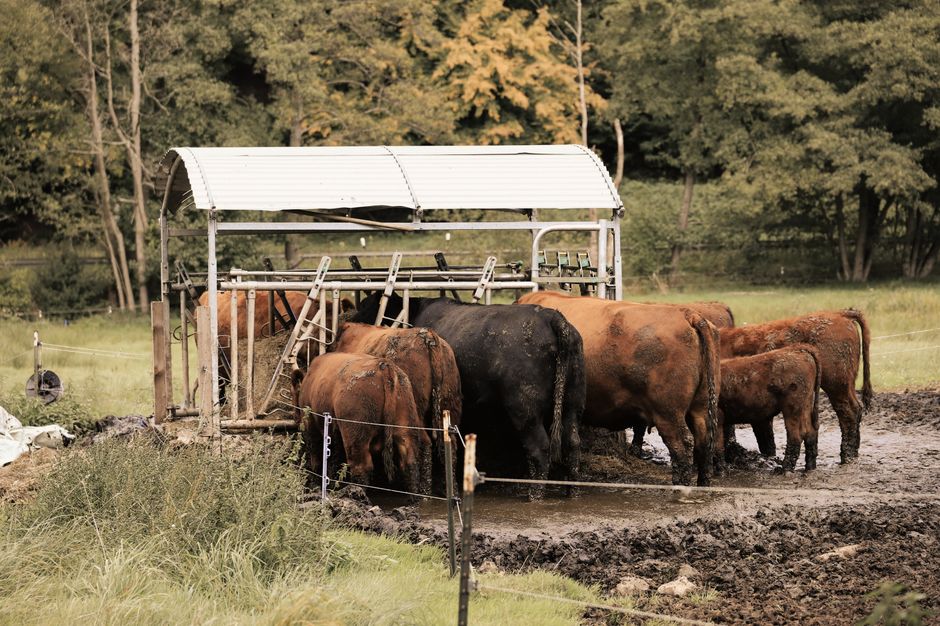
In extensive grazing systems or pasture-based setups, cows may only require shelter intermittently. For example, Irish beef farms, which experience moderate weather, typically provide shelter during heavy rainfall or strong winds, which occurs an estimated 30-50 days annually. Growers use natural windbreaks or portable shelters as needed.
This approach relies heavily on weather monitoring and quick response. Some farms use weather stations on-site to track wind speed, temperature, and precipitation in real-time, enabling timely decisions. The flexibility helps maintain natural behaviors and reduces confinement stress but requires careful planning to ensure shelter availability during unexpected weather events.
Moreover, intermittent sheltering has been linked to lower infrastructure costs and can be combined with rotational grazing to optimize pasture utilization and animal welfare.
Practical Guidelines for Providing Shelter
Assessing Shelter Needs Based on Weather Patterns
Farmers should monitor local weather forecasts and provide shelter proactively before extreme events. Tools like the USDA’s National Weather Service and apps such as Weather Underground help anticipate cold snaps or heat waves. In addition, installing on-farm weather stations can provide microclimate data specific to the farm environment, improving response times.
For example, heat stress indices combining temperature and humidity (such as the Temperature-Humidity Index, THI) guide decisions on when to move cows to shade or cooling systems. Studies suggest that dairy cows begin experiencing mild heat stress at THI values above 72, with more severe stress above 78, indicating when shelter or cooling is critical.
Ensuring Adequate Space and Comfort
When housing cows, space per animal is crucial. The following table shows recommended space requirements for different cattle types:
| Cattle Type | Recommended Space per Animal (square feet) | Comments |
|---|---|---|
| Dairy cows (lactating) | 80-100 | Allows comfortable lying, feeding, and movement. Adequate stall dimensions (4 ft wide by 8 ft long) promote natural resting behavior and reduce lameness incidence. |
| Beef cows | 40-60 | Less space needed if housed short-term, but overcrowding can lead to aggression and injury. For longer-term housing, increasing space reduces stress and improves weight gain. |
| Calves (0-6 months) | 15-20 | Smaller space but requires clean bedding and protection from drafts. Individual or small group housing reduces disease transmission. |
Beyond area, shelter design should allow free movement and natural behaviors such as lying down, grooming, and social interaction. Flooring should be non-slip and provide adequate drainage to prevent injuries and illness.
Maintaining Cleanliness and Ventilation
Frequent cleaning of barns or shelters is necessary to prevent respiratory diseases. Ammonia accumulation from manure can irritate mucous membranes, leading to chronic respiratory issues. Adequate ventilation reduces ammonia buildup and moisture. This maintenance should occur at least weekly if cows are housed daily, with daily spot cleaning during high-occupancy times.
Natural ventilation through open sides or ridge vents is preferred where possible, supplemented by mechanical ventilation in enclosed barns. Monitoring indoor air quality, including humidity levels (optimal range: 50-70%) and ammonia concentrations (should be below 10 ppm), helps maintain a healthy environment.
Additionally, bedding material such as straw or sawdust should be kept dry and replenished regularly to improve comfort and hygiene. In cold climates, deep-bedding systems provide insulation and reduce thermal loss through the floor.
Water and Feed Accessibility
Shelters should provide easy access to water and feed. Water intake increases during hot weather, so ensuring fresh water is available at least twice daily is essential. During heat stress, water consumption can increase by up to 50%, making reliable water sources critical.
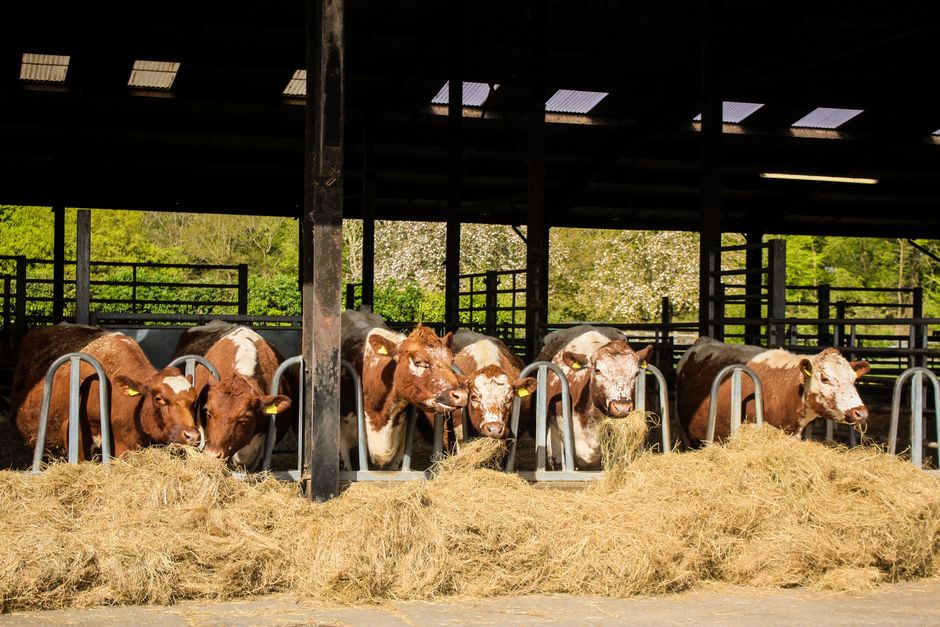
Feed availability should align with cows’ production stage and housing duration. Providing feed inside shelters during winter reduces the energy cows expend to access feed in deep snow or frozen pastures. Automated feeding systems in intensive operations help deliver precise rations and improve feed efficiency.
Water troughs should be designed to minimize contamination and freezing in cold climates. Heated waterers or insulated troughs can maintain water availability during sub-zero temperatures.
Case Studies: Shelter Frequency in Different Farming Systems
Dairy Farming in Wisconsin, USA
In Wisconsin, dairy cows are housed indoors approximately 6 months per year, primarily from November through April. During this time, cows spend 24 hours a day inside free-stall barns with controlled ventilation and bedding. The barns are equipped with cooling systems such as fans and sprinklers during warmer months, ensuring comfort year-round. Bedding materials, mostly sand or composted manure solids, are replenished daily to maintain hygiene.
During the grazing season, cows have free access to pasture but are brought indoors for milking and provided with temporary shade structures during heatwaves. The Wisconsin dairy industry reports that this dual system maximizes milk yield while maintaining animal welfare, with average annual milk production per cow reaching over 10,000 liters.
Beef Cattle Ranching in Texas, USA
Texas ranchers typically provide shelter on an as-needed basis. Cows graze on open pastures year-round but are given access to windbreaks or shade structures during extreme weather events such as summer heatwaves or winter cold fronts. On average, shelter is used about 30-50 days per year.
Many ranches utilize natural features such as mesquite tree groves and constructed corrals with shade cloths. In drought years, supplemental feeding and additional sheltering become critical to maintain body condition. Texas A&M University extension studies highlight that providing shade can improve weight gain by up to 15% during summer months.
Organic Farming in Germany
Organic dairy farms in Germany emphasize natural shelter such as tree lines and permanent shade structures, supplemented with barns during the colder months. Housing is provided daily from November to February, and during rain or heat stress periods in spring and autumn.
These farms often use straw bedded loose housing systems that allow cows to express natural behaviors. The organic certification standards require minimum outdoor access, influencing the frequency and type of shelter offered. German research indicates that cows with access to both pasture and high-quality barns have improved udder health and lower somatic cell counts in milk.
Summary of Best Practices
- Shelter frequency depends on climate, breed, and production system, requiring tailored approaches.
- Daily housing is necessary in cold or wet climates during winter to prevent cold stress and maintain productivity.
- Shade and ventilation are critical in hot climates, often required daily during peak heat hours to reduce heat stress and support feed intake.
- Intermittent sheltering works in mild climates with access to natural windbreaks and flexible management strategies.
- Proper space allocation, cleanliness, ventilation, and water/feed access are essential regardless of shelter frequency to promote health and welfare.
- Monitoring weather patterns and physiological needs enables timely and effective shelter provision.
By tailoring shelter frequency to specific needs and environmental conditions, farmers can enhance cow welfare, reduce stress-related illnesses, and improve productivity. Investing in proper shelter infrastructure and management practices is a proactive step toward sustainable and ethical cattle farming.