

Introduction to Cow Housing and Shelter
Proper housing and shelter are fundamental to successful cattle management. The environment in which cows live directly impacts their health, welfare, productivity, and longevity. However, many cattle producers, especially smallholders or new farmers, fall into common traps that compromise animal comfort and farm efficiency. Understanding these frequent mistakes—and how to avoid them—can significantly improve both animal wellbeing and farm profitability.
Beyond basic protection, well-designed housing supports natural behaviors, reduces stress, and creates a safer environment for both animals and handlers. Advances in animal welfare science and precision farming technologies have highlighted the importance of tailoring housing designs to the physiological and behavioral needs of different breeds, ages, and production stages. This article explores six prevalent mistakes in cow housing and shelter, providing detailed insights and practical recommendations to help producers create optimal living conditions for their cattle.
1. Inadequate Space Allocation
Space requirements for cows vary depending on breed, age, and production stage. One of the most frequent errors in cow housing is overcrowding, which leads to stress, increased disease risk, and lower milk yield in dairy cattle.
For example, the National Research Council (NRC) recommends approximately 15 to 20 square feet per dairy cow in freestall barns to ensure adequate lying and movement space. Yet surveys in smaller operations often reveal space allocations as low as 8 to 10 square feet per animal.
Overcrowding causes competition for feeding and resting areas, leading to aggressive behavior and reduced feed intake, which directly lowers productivity. Conversely, providing too much unused space can increase heating costs in colder climates and complicate manure management.
In addition, breed-specific space needs must be considered. Larger dairy breeds such as Holsteins require more space compared to smaller breeds like Jerseys. For beef cattle, space needs also fluctuate with growth stages; weaned calves need less space than mature bulls. Allocating insufficient space in calving pens can result in higher stillbirth rates and calf mortality due to increased stress and injuries.
Moreover, space allocation affects not only individual animal welfare but also barn hygiene and labor efficiency. Crowded conditions restrict airflow and manure drying, facilitating pathogen proliferation. Proper spacing also simplifies daily tasks such as feeding, cleaning, and health inspections.
Key considerations:
- Ensure at least 15–20 sq. ft. per mature dairy cow in stalls or resting areas.
- Allow 30–40 sq. ft. per beef cow in outdoor pens to permit natural behaviors.
- Design feeding alleys and water access to avoid bottlenecks.
- Consider breed size, production stage, and calving needs when planning space.
- Use flexible layouts that can be adjusted as herd size changes over time.
2. Poor Ventilation and Air Quality
Ventilation is often overlooked, yet it is critical for controlling humidity, temperature, and airborne pathogens. Inadequate ventilation fosters respiratory illnesses like bovine respiratory disease (BRD) and increases ammonia buildup, which irritates mucous membranes.
Studies show that ammonia concentrations above 25 parts per million (ppm) increase respiratory problems in cattle. Many poorly designed barns exceed this threshold due to insufficient airflow or sealing that traps moisture and gases.
Effective ventilation also helps reduce heat stress by removing excess heat and moisture produced by respiration, digestion, and manure decomposition. High relative humidity combined with elevated temperatures can severely impact cow comfort and immune function. For example, heat stress can reduce feed intake by up to 35%, leading to significant drops in milk production during summer months.
In regions with cold winters, ventilation must balance the need for fresh air with prevention of chilling drafts. Installing adjustable vents allows modulation of airflow depending on external conditions, maintaining a healthy microclimate year-round.
Mechanical ventilation systems require regular maintenance — clogged fans, broken motors, or blocked vents drastically reduce efficiency. Sensors for temperature, humidity, and gas levels can be integrated to automate ventilation control, optimizing conditions and reducing energy costs.
Common ventilation mistakes include:
- Lack of cross-ventilation or reliance solely on mechanical fans without proper maintenance.
- Sealing buildings too tightly, especially older barns retrofitted for energy efficiency without addressing air exchange.
- Positioning ventilation openings incorrectly, leading to drafts on cows or dead air pockets.
- Neglecting seasonal adjustments or failing to use climate-responsive ventilation designs.
- Ignoring airflow patterns that influence pathogen dispersal and dust accumulation.
Natural ventilation is preferable where climate allows, using ridge vents and sidewall openings strategically placed to promote continuous airflow without causing chilling. Computational fluid dynamics (CFD) modeling is increasingly used in barn design to optimize ventilation patterns, balancing air quality with cow comfort.
3. Insufficient Bedding and Resting Comfort
Cows spend up to 14 hours daily lying down, making comfortable, clean bedding essential. Inadequate bedding leads to increased lameness and mastitis, a costly infection in dairy cows.
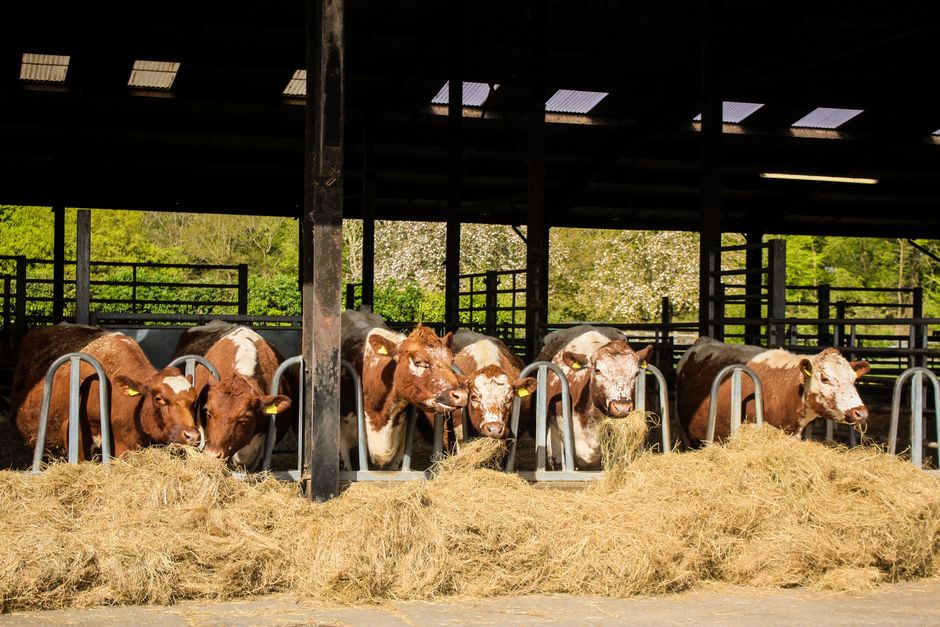
A survey by the University of Wisconsin found that farms with thick, dry bedding reduced hock lesions by 50% and increased average lying times by two hours per day compared to farms using minimal bedding.
Bedding quality directly impacts hoof and udder health. Hard, wet, or contaminated bedding surfaces increase the risk of injuries and bacterial infections. Mastitis alone costs the US dairy industry an estimated $2 billion annually due to reduced milk yield, treatment costs, and culling.
Bedding material choice affects not only cow comfort but also labor and cost efficiency. For instance, sand is inert and effective at reducing bacterial loads but requires specialized manure handling equipment and may be less practical in humid environments. Straw and sawdust offer cushioning and insulation but must be replenished frequently to remain dry.
Innovative bedding approaches include deep-bedded compost packs, which provide excellent comfort and promote beneficial microbial activity that suppresses pathogens.
Common bedding mistakes:
- Using insufficient bedding material, such as only a thin layer of straw or no bedding at all.
- Failing to regularly clean or replenish bedding, leading to wet, compacted surfaces.
- Choosing inappropriate bedding materials for the region (e.g., sand in cold humid climates, which may retain moisture).
- Neglecting to monitor bedding moisture and cleanliness daily.
- Overlooking ergonomics for ease of bedding handling and replacement.
Optimal bedding materials include straw, sawdust, sand, or rubber mats combined with organic material. Bedding depth should ideally be at least 4 inches thick and kept dry. Routine scraping of manure and bedding replacement at least once daily are best practices. Additionally, barn designs that facilitate drainage beneath bedding improve dryness and reduce pathogen buildup.
4. Inadequate Shelter from Weather Extremes
Cows are relatively resilient but require protection from weather extremes to maintain health and production. Mistakes in shelter design often fail to account for local climate conditions.
For example, in hot climates, heat stress reduces milk production by up to 25%. However, many shelters provide minimal shade or ventilation, exposing cows to direct sun and high temperatures.
Conversely, in cold or wet climates, insufficient windbreaks and shelter can increase energy expenditure as cows attempt to stay warm, leading to weight loss and reduced immunity.
Weather protection also plays a critical role during vulnerable periods such as calving or illness. Exposure to rain, snow, or extreme heat can exacerbate health issues and prolong recovery times. In outdoor or pasture-based systems, movable shelters or shade trees are valuable additions.
Seasonal weather data and microclimate assessments guide the selection of materials and shelter orientation. For instance, south-facing barns in northern climates maximize solar gain in winter, while reflective roofing materials reduce heat load in summer.
Essential features to consider:
- In hot climates: Provide shade structures, reflective roofing, and fans or misters to reduce heat load.
- In cold climates: Use insulated barns, windbreaks, and dry bedding to reduce cold stress.
- Provide flexible shelter designs that allow cows to move freely between indoor and outdoor spaces.
- Incorporate drainage and runoff management to prevent muddy and icy conditions around shelters.
- Use durable, weather-resistant materials that minimize maintenance and withstand local conditions.
5. Poor Drainage and Manure Management
Water and manure management directly influence barn hygiene and cow health. Poor drainage leads to muddy, slippery conditions that increase the risk of injuries and infections.
Data from the Agricultural Research Service (ARS) shows that farms with poor drainage report 30% higher incidence of hoof problems such as digital dermatitis and sole ulcers.
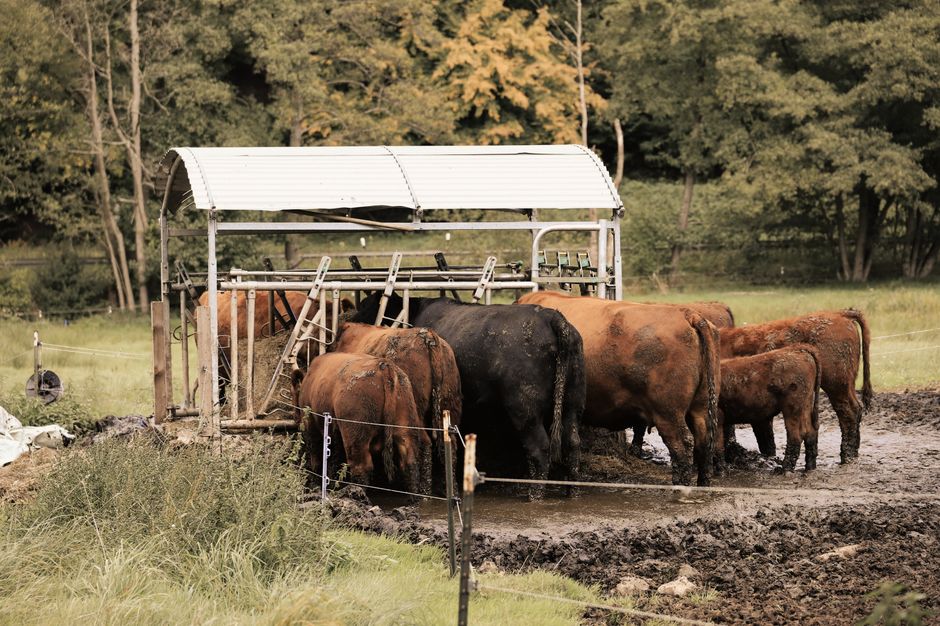
Efficient manure management reduces pathogen exposure and controls odors, contributing to a healthier environment for cows, workers, and nearby communities. Furthermore, proper manure handling enables nutrient recycling through composting or biogas production, supporting farm sustainability.
In addition to floor slopes and gutters, the use of impermeable concrete floors with grooved surfaces improves traction and facilitates cleaning. Automated manure scraping systems or flush systems can enhance cleanliness while reducing labor.
Regular manure removal, ideally multiple times per day in high-density areas, prevents ammonia accumulation and minimizes fly breeding. Incorporating biofilters or constructed wetlands at manure storage sites further improves environmental outcomes.
Common mistakes include:
- Flat barn floors without a slight slope for runoff, causing water pooling.
- Inadequate gutter systems to divert rainwater away from pens.
- Failure to remove manure frequently, leading to buildup and ammonia accumulation.
- Using porous or uneven flooring that retains moisture and harbors pathogens.
- Neglecting seasonal runoff management, causing flooding during heavy rains.
Implementing a slight floor slope of approximately 2-3% and installing well-maintained gutter and collection systems can mitigate these issues effectively. Additionally, designing separate clean and dirty zones within barns helps prevent cross-contamination.
6. Ignoring Animal Behavior and Social Needs
Cows are herd animals with complex social dynamics. Housing designs that don’t accommodate natural behaviors result in stress and reduced welfare.
One common error is insufficient feeding and water points, leading to competition and bullying among cows. Research indicates at least one feed bunk space per cow and multiple water troughs per pen are necessary to minimize aggression.
Additionally, lack of comfortable communal resting areas or isolated sick pens can disrupt herd harmony.
Cows display distinct social hierarchies, and overcrowding or poorly designed spaces can exacerbate conflict. Provision of escape areas or retreat zones allows subordinate animals to avoid dominant individuals, reducing injury risk.
Behavioral monitoring technologies, such as activity trackers and video analytics, are increasingly used to assess stress indicators and social interactions, enabling proactive management.
Recommendations for social housing:
- Provide adequate feeding and watering spaces to prevent competition.
- Design pens allowing cows to separate when needed, particularly for sick or injured animals.
- Ensure sightlines and open spaces to reduce fear and stress.
- Incorporate enrichment, such as brushes or scratching posts, to promote natural behaviors and reduce boredom.
- Group cows by age, size, or production stage to minimize bullying.
Summary Table: Common Housing Mistakes and Their Consequences
| Mistake | Impact on Cows | Typical Causes | Recommended Solution |
|---|---|---|---|
| Overcrowding | Stress, disease, reduced milk yield | Incorrect space allocation, poor layout | Provide 15–20 sq. ft. per dairy cow; optimize barn design |
| Poor ventilation | Respiratory illness, ammonia toxicity | Lack of airflow, sealed buildings | Install cross-ventilation, maintain fans |
| Insufficient bedding | Lameness, mastitis, discomfort | Minimal bedding, poor maintenance | Use thick, dry bedding; regular cleaning |
| Lack of weather protection | Heat or cold stress, productivity loss | Inadequate shelter design | Design for climate: shade, insulation, windbreaks |
| Poor drainage | Hoof disease, injuries, hygiene problems | Flat floors, no gutters | Install slopes, gutters; frequent manure removal |
| Ignoring social needs | Stress, aggression, reduced welfare | Insufficient feeding/watering space, no sick pens | Provide enough feeding spaces, isolation pens |
Conclusion
Investing time and resources in properly designed cow housing and shelter is essential for sustainable cattle farming. Avoiding common mistakes—such as overcrowding, poor ventilation, inadequate bedding, insufficient weather protection, poor drainage, and ignoring social behavior—can significantly improve animal health and farm productivity.
Farmers should assess their current facilities critically and consult extension services or animal housing specialists to tailor solutions that meet the specific needs of their herd and local environment. Incorporating ongoing monitoring, regular maintenance, and continuous improvements will enhance both animal welfare and economic returns over the long term.
Ultimately, well-planned cow housing creates a harmonious environment where animals thrive, labor is efficient, and farms become more resilient to changing environmental and market conditions.