

Introduction to Cow Housing and Shelter
Providing appropriate housing and shelter for cows is vital for their health, welfare, and productivity. Whether you manage dairy cows, beef cattle, or a mixed herd, the right equipment can make the difference between a thriving operation and one plagued by illness, stress, or inefficiency. This article details the essential tools and structures required for effective cow housing and shelter, supported by specific examples and practical considerations.
Types of Cow Housing Structures
The first step in housing cows is selecting the right type of shelter based on climate, herd size, and budget. Common types include:
- Free-Stall Barns: Popular in dairy farming, these provide individual stalls for cows to rest while allowing free movement.
- Open Sheds or Pole Barns: Suitable for beef cattle or in milder climates, offering shelter from sun and precipitation but with open sides for ventilation.
- Tie-Stall Barns: Cows are tethered in stalls, which allows close monitoring but limits mobility.
- Pasture Shelters: Simple three-sided shelters or windbreaks for cattle on pasture.
Essential Structural Equipment for Cow Housing
1. Barn Frame and Roofing Materials
The durability and safety of the housing start with the barn’s frame and roof. Steel frames are widely used for larger operations due to strength and longevity. For instance, a 60 x 120 ft free-stall barn with a galvanized steel frame and insulated metal roofing can cost between $40,000 to $75,000, depending on features.
Roofing materials vary by climate; insulated metal roofs help regulate temperature, while in cold climates, adding foam insulation layers can reduce heating costs.
2. Flooring and Drainage Systems
Flooring must provide comfort, durability, and good drainage. Common options include:
- Concrete Floors: Most common, easy to clean, but must be textured or grooved to prevent slipping.
- Rubber Mats: Placed over concrete to improve comfort and reduce injury. A typical 4-foot by 6-foot mat costs about $80-$120.
- Bedded Pack Floors: Dirt or deep-bedded stalls with straw or sawdust, providing softness but requiring frequent management.
Effective drainage is achieved using sloped floors leading to gutter systems or channels. For example, a slope of 2-3% is recommended to ensure urine and water flow to drainage channels without pooling.
3. Stalls and Resting Areas
Free-stall barns require well-designed stalls to encourage lying behavior and reduce injury. Standard stall dimensions are critical:
- Width: 4 to 4.5 feet
- Length: 7 to 8 feet
- Bedding: Sand, straw, or sawdust
For example, sand bedding has been proven to reduce mastitis incidence by up to 30% compared to other materials.
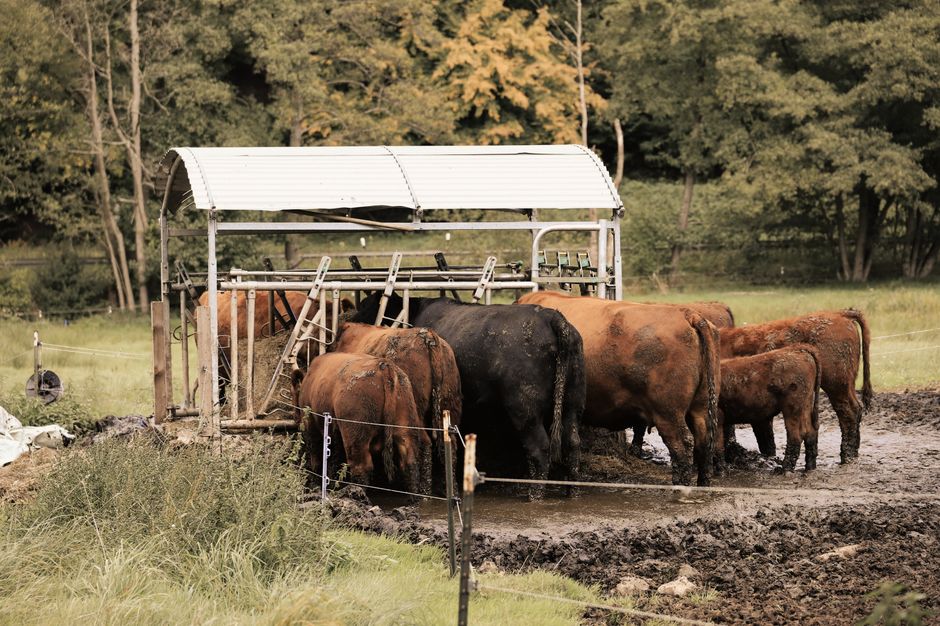
4. Fencing and Gates
Strong fencing secures the herd and keeps predators out. Common fence types include woven wire, electric, and high-tensile steel wire. For dairy operations, gates with secure latches that accommodate machinery are essential. A standard high-tensile wire fence costs roughly $0.50 to $1.00 per linear foot, depending on materials and installation.
Feeding and Watering Equipment in Cow Shelters
1. Feed Bunks and Troughs
Feeding equipment must support efficient feed delivery and minimize waste. Popular feed bunks are concrete or metal troughs, sized to allow each cow access simultaneously. A typical bunk length of 24 to 30 inches per cow is recommended to ensure adequate feeding space.
For example, a 50-cow herd would require a feed bunk approximately 100-125 feet long to prevent competition and stress.
2. Automatic Feeders
Automated feeding systems are growing in popularity on larger farms. These systems deliver precise feed amounts and reduce labor costs. Pricing varies widely; a robotic feed pusher can cost between $25,000 and $40,000 but offers improved feed efficiency, increasing milk yield by up to 5% in some studies.
3. Watering Systems
Clean, accessible water is crucial. Options include:
- Automatic Waterers: Heated waterers to prevent freezing in winter, with capacities ranging from 10 to 50 gallons.
- Water Troughs: Large concrete or plastic troughs regularly cleaned and refilled.
A dairy cow drinks on average 30-50 gallons of water daily, so watering systems must accommodate this demand. For example, an automatic waterer with a float valve and heater for cold climates typically costs $300-$700 per unit.
Ventilation and Lighting Equipment
1. Ventilation Systems
Proper air circulation prevents respiratory diseases and controls humidity. Key equipment includes:

- Natural Ventilation: Ridge vents, sidewall curtains, and open eaves.
- Mechanical Ventilation: Exhaust fans and air inlets. For example, a 36-inch exhaust fan can move approximately 18,000 cubic feet per minute (CFM).
Placement and capacity depend on barn size. A rule of thumb is 20-30 CFM per cow in cold climates, increasing to 50-60 CFM in hot weather.
2. Lighting
Cows need appropriate lighting for optimal milk production, particularly in dairy herds. Lighting should provide 14 to 16 hours of light daily, with an intensity of 150 to 200 lux at cow level. LED lighting is increasingly used due to energy efficiency and longevity. For example, installing LED fixtures providing 200 lux may cost approximately $50-$70 per fixture, with energy savings over traditional bulbs.
Cleaning and Waste Management Equipment
1. Manure Handling Systems
Efficient manure management is necessary to maintain hygiene and environmental compliance. Equipment options include:
- Scrapers: Mechanical or automated scrapers clear alleys and holding areas. An automated alley scraper costs between $10,000 and $20,000.
- Manure Pumps and Vacuums: Used for slurry systems; pumps can handle thousands of gallons per hour.
- Storage: Manure pits or lagoons designed for capacity based on herd size. A 100-cow dairy may produce approximately 50,000 gallons of manure weekly.
2. Washing Equipment
High-pressure washers and automated cleaning systems help maintain stall and feeding area cleanliness, reducing disease risk. Pressure washers for barns start at around $500.
Summary Table of Essential Cow Housing Equipment
| Equipment Type | Purpose | Typical Cost Range | Key Specifications |
|---|---|---|---|
| Barn Frame and Roofing | Structural support and weather protection | $40,000 – $75,000 (for 60×120 ft barn) | Steel frame, insulated metal roof, foam insulation |
| Flooring and Drainage | Comfort and hygiene | Concrete floors: $3-$5/sq ft; Rubber mats: $80-$120 each | Sloped 2-3% for drainage, grooved concrete |
| Stalls and Bedding | Resting comfort and health | Sand bedding: variable; Rubber mats: $80-$120 | 4-4.5 ft wide, 7-8 ft long stalls |
| Feeding Bunks | Efficient feed delivery | Concrete or metal bunks: variable; Automated feeders: $25,000-$40,000 | 24-30 inches per cow feeding space |
| Watering Systems | Provide clean, fresh water | Automatic waterers: $300-$700 | Capacity 10-50 gallons, heated options in cold climates |
| Ventilation Equipment | Air quality and temperature control | Exhaust fans: $1,000-$3,000 | 20-60 CFM per cow depending on climate |
| Manure Management | Hygiene and environmental compliance | Automated scrapers: $10,000-$20,000 | Capacity based on herd size (e.g., 50,000 gallons/week for 100 cows) |
Additional Considerations for Cow Housing Equipment
When selecting equipment, consider the following factors:
- Herd Size: Larger herds require more extensive and sometimes automated equipment to maintain efficiency.
- Climate: Cold regions need insulated structures and heated waterers, while hot climates demand excellent ventilation and shade.
- Budget and Maintenance: Initial investment vs. ongoing maintenance costs should be balanced. Durable materials often reduce long-term expenses.
- Animal Welfare: Equipment should promote cow comfort, including adequate space, bedding, and environmental controls.
Conclusion
Investing in the right equipment for cow housing and shelter is crucial for ensuring animal health, improving productivity, and maintaining operational efficiency. From sturdy barn frames and well-designed stalls to reliable feeding and watering systems, each component plays a vital role. Careful planning, matched to herd needs and environmental conditions, will help establish a sustainable and thriving cattle operation.