
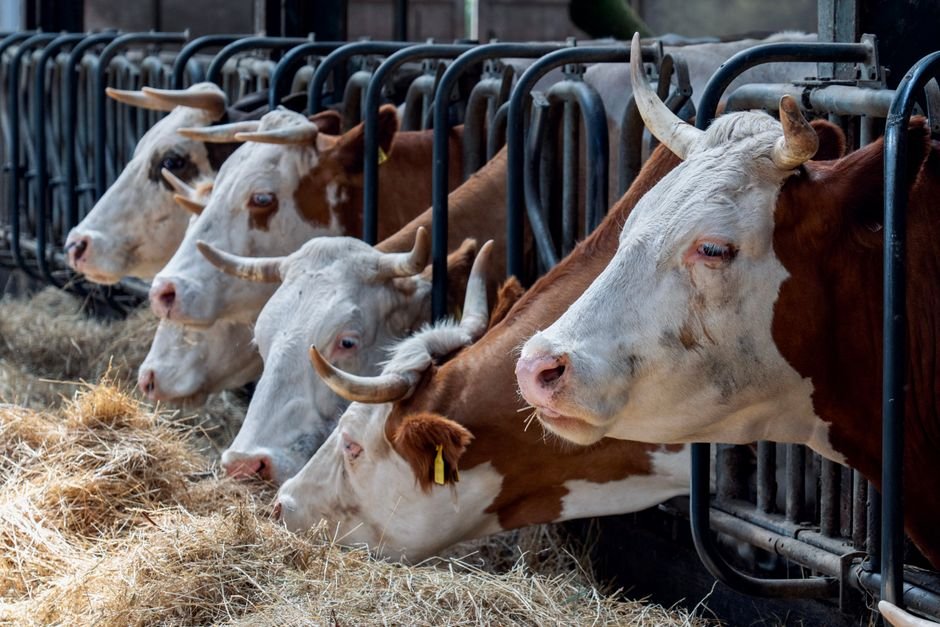
Introduction to Cattle Handling Basics
Handling cattle safely and effectively is fundamental to the success of any cattle farm. Proper handling not only ensures the well-being of the animals but also protects farmworkers and improves operational efficiency. This checklist focuses on essential components every cattle farmer should address to establish best practices for handling. Understanding cattle behavior, investing in proper infrastructure, and committing to ongoing training are key pillars that underpin successful cattle management.
1. Preparing the Environment for Safe Cattle Handling
1.1 Secure and Functional Facilities
Properly designed and maintained facilities are critical. This includes:
- Fencing: Use sturdy, tall fences—at least 5 feet high for adult cattle—with no sharp edges or gaps. Woven wire or high-tensile electric fences are preferred. Research indicates that high-tensile electric fencing, when properly installed, can reduce fence maintenance costs by up to 30% due to its durability and ease of repair. Moreover, double fencing or perimeter fencing can be employed to separate different groups of cattle, reducing stress caused by unfamiliar animals.
- Chutes and Gates: Narrow working chutes (approximately 24 inches wide for adult cattle) with solid sides reduce distractions and improve flow. Self-locking headgates streamline restraint procedures. It’s important that chute design allows for a gentle curve rather than a straight line, as cattle prefer curved paths, which simulate their natural herd movement. This design reduces balking and improves flow rates, increasing handling efficiency by as much as 15% in well-designed systems.
- Holding Pens: Pens should hold no more than 25 animals at once to prevent overcrowding and stress. Overcrowding can lead to increased aggression and injury rates, as well as elevated cortisol levels that negatively affect immune function. Pens should be sized to allow at least 15 square feet per animal to facilitate natural movement and minimize stress.
- Non-slip Flooring: Use textured concrete or rubber mats in handling areas to avoid slips and injuries. Studies show that slippery surfaces can increase lameness and handling time by up to 20%. Rubber mats not only improve safety but also reduce noise, which helps keep cattle calm. Regular maintenance to clear manure and debris further enhances footing safety.
1.2 Adequate Lighting and Visibility
Cattle are calmer in well-lit environments with minimal shadows. Ensure that handling areas have consistent lighting, preferably natural light supplemented by LED fixtures with a color temperature around 4000K to mimic daylight. Research shows that cattle are less likely to balk or become agitated in areas with uniform lighting. Furthermore, avoid flickering lights or harsh fluorescent lighting that can create shadows and cause anxiety. Skylights or translucent roofing panels can optimize natural light during daytime operations, reducing electricity costs and improving animal comfort.
2. Essential Equipment Checklist for Handling
Having the right tools readily available makes handling tasks safer and more efficient. Key equipment includes:
- Protective Gear for Handlers: Steel-toed boots, gloves, and helmets where necessary. Additionally, handlers should consider wearing padded clothing in high-risk areas to prevent bruising from accidental kicks or bumps. High-visibility vests can be useful during low-light conditions to ensure team members are easily seen.
- Sorting Sticks and Flags: Non-contact tools to guide cattle without causing pain or fear. These allow handlers to direct animals from a safe distance while minimizing stress. It’s important these tools are brightly colored but used gently, avoiding poking or prodding which can provoke defensive behavior.
- Portable Electric Prod: Use sparingly and as a last resort—prefer devices with adjustable voltage and safety features. Studies have consistently linked overuse of electric prods to increased stress, poorer meat quality, and higher injury rates. Training handlers to rely on movement techniques rather than prods can improve welfare outcomes significantly.
- Handling Boards: Large plastic or plywood boards help direct cattle quietly, reducing stress. Such boards are particularly helpful for moving reluctant animals and can be used to block escape routes or guide cattle into chutes without physical contact.
- Restraint Devices: Headlocks or squeeze chutes that properly immobilize cattle without harm. Modern squeeze chutes are designed with padding and adjustable pressure controls to accommodate different sizes, reducing injury and stress during veterinary procedures, vaccinations, or branding.
- First Aid Kit: Stock with wound dressings, antiseptics, and tools for immediate minor treatments. A well-equipped kit should also include items such as hoof trimmers, antiseptic sprays, sutures, and gloves. Prompt treatment of injuries reduces complications and promotes faster recovery.
3. Handling Procedures and Best Practices
3.1 Approaching Cattle Correctly
Cattle have wide-angle vision but poor depth perception directly in front. Always approach calmly and from the side rather than head-on to avoid startling them. Avoid quick or loud movements. Observing the animal’s body language—such as ear position, tail movement, and eye alertness—can signal their mood and willingness to cooperate. For example, a raised tail or pinned-back ears may indicate agitation or fear. Approaching from the animal’s blind spot behind the shoulder rather than the front reduces startle responses.
For more on this, see our related guide: How to Choose the Right Land and Acreage for Cattle Farming.
3.2 Moving Cattle Efficiently
Utilize the natural flight zone—the distance at which an animal willingly moves away when a human approaches. Step inside this zone at the correct angle to encourage forward movement. Understanding the point of balance, usually at the shoulder, allows handlers to control direction simply by positioning themselves in front or behind this point. Use of low-stress movement techniques such as slow walking, avoiding shouting, and minimizing sudden stops helps reduce balking and injuries. In practice, farms employing these techniques report a reduction in handling times by up to 30% and fewer bruises or cuts on animals.
3.3 Restraining Techniques
Restraint should minimize stress and risk of injury. Use mechanical devices like squeeze chutes that apply gentle pressure, simulating the feeling of being in a herd. This “squeeze” reduces panic and helps keep the animal calm. Manual restraint should be avoided unless necessary and done by trained personnel. When manual restraint is required, handlers must understand safe methods such as using halters or nose tongs correctly, always avoiding forceful or hurried actions that can escalate stress or cause injury. Employing sedation should be considered in cases of highly agitated or injured animals but only under veterinary supervision.
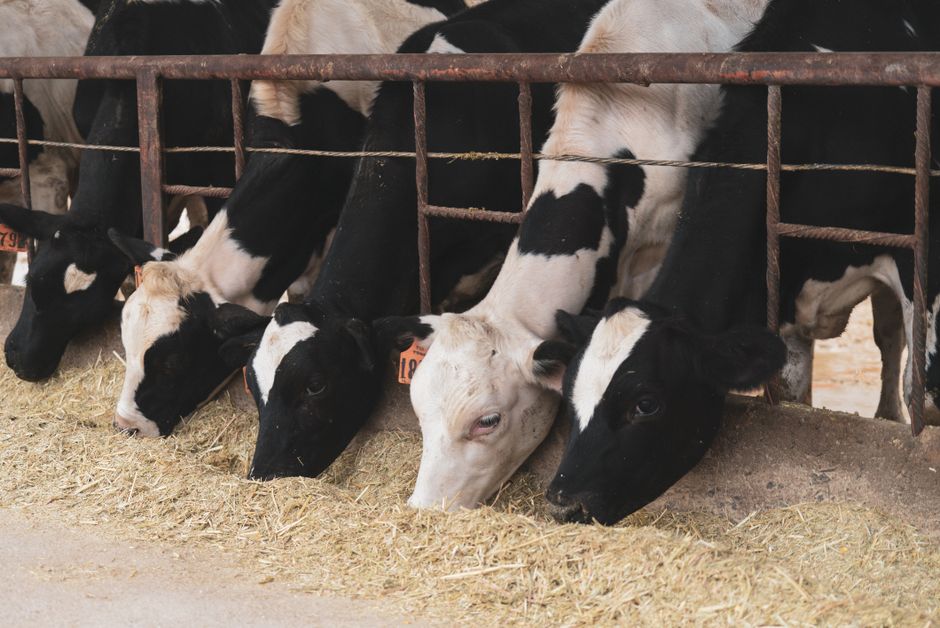
4. Animal Welfare Considerations
4.1 Stress Reduction
Stress affects cattle health and productivity. To reduce it:
- Handle cattle during cooler parts of the day to avoid heat stress. High temperatures combined with handling can increase respiration rates and dehydration risks. Providing shaded holding areas and access to fresh water is essential during summer months.
- Limit noise levels—avoid shouting or banging gates. Loud noises elevate cortisol levels, increasing the likelihood of bruising and reducing weight gain. Using quiet, deliberate movements encourages calmer behavior.
- Provide water and shade in holding areas. Research shows cattle will drink more frequently and maintain hydration better when water sources are easily accessible during handling sessions, directly impacting recovery and overall health.
- Use quiet, low-stress handling methods such as the “Bud Box” system, designed to work with cattle’s natural flight behavior. Developed by Dr. Temple Grandin, the Bud Box uses a small, enclosed area that encourages cattle to move calmly into the chute by leveraging their instinct to return to the herd. Farms that implement this system report reductions in stress behaviors such as balking and vocalizing.
- Incorporate positive handling experiences where possible. Regular acclimation of young cattle to human presence and low-stress handling can improve temperament and reduce fear responses later in life.
4.2 Monitoring and Record-Keeping
Maintain detailed records of handling activities, including:
- Date and time of handling, enabling analysis of seasonal or time-of-day effects on animal behavior and health.
- Purpose of handling (e.g., vaccination, weighing), which helps in scheduling and ensuring all necessary procedures are completed regularly.
- Animal IDs and any observed behavioral issues, such as aggression or nervousness, which can inform future handling strategies or medical interventions.
- Injuries or health concerns noted during handling to facilitate timely treatment and reduce long-term health problems.
- Environmental conditions during handling (temperature, weather) to identify potential stressors or reasons for abnormal behavior.
Using digital record-keeping systems linked to RFID tags or ear tags can streamline data collection and improve accuracy, allowing for trend analysis and early warning of emerging health or welfare issues.
If you’re also looking into this, our article on Mastering Cattle Behavior: A Guide to Health, Welfare, and Management covers it in more detail.
5. Training and Safety for Handlers
5.1 Handler Education
Regular training on cattle behavior, proper use of equipment, and emergency procedures is essential. Studies show farms with trained staff report 30% fewer injuries and improved cattle handling times. Training programs should include:
- Understanding cattle psychology and body language to anticipate movements and avoid accidents.
- Hands-on demonstrations of low-stress handling techniques and operating equipment safely.
- Emergency response drills covering situations such as animal escape, injury, or equipment failure.
- Updates on animal welfare regulations and best practices to ensure compliance.
Investing in certification programs or workshops run by experts, such as those offered by agricultural universities or extension services, can elevate handler competence and confidence.

5.2 Personal Safety Measures
Handlers should never work alone in confined spaces and must always have an escape route planned. Working in pairs or teams increases safety and allows for rapid assistance in emergencies. Wearing appropriate safety gear and remaining alert to cattle movements reduces accidents. Key measures include:
- Maintaining clear communication among team members during handling to coordinate movements and alert to hazards.
- Using non-slip footwear to prevent falls in muddy or wet conditions common in handling areas.
- Avoiding distractions such as mobile phone use during handling tasks to maintain full situational awareness.
- Regularly inspecting the environment for hazards such as loose boards, electrical faults, or trip hazards.
Farm safety audits conducted quarterly can identify risks and improve workplace safety culture.
This ties in closely with Mastering Cattle Behavior and Handling for Safer, More Efficient Farming, worth a look if you want to go deeper.
6. Sample Cattle Handling Checklist
| Task | Details | Frequency | Responsible Person |
|---|---|---|---|
| Check fencing integrity | Inspect for holes, broken posts, loose wires; ensure gates latch securely and electric fencing is functioning | Weekly | Farm Manager |
| Clean and disinfect chutes | Remove manure, disinfect surfaces to prevent disease; check for wear or damage | Monthly or after illness outbreak | Caretaker |
| Inspect and maintain handling equipment | Check gate latches, headgates, portable tools; lubricate moving parts; verify safety mechanisms | Biweekly | Maintenance Team |
| Review handler safety protocols | Conduct drills, update procedures, review incident reports; reinforce PPE use | Quarterly | Safety Officer |
| Monitor cattle behavior and health | Note any stress signs, injuries post-handling; record unusual behavior for veterinary review | After each handling session | Veterinarian / Caretaker |
| Record-keeping update | Log handling events, treatments, abnormalities; back up digital records weekly | After each handling event | Farm Admin |
7. Case Study: Implementing the Checklist on a Mid-Size Farm
Green Pastures Farm, a 150-head operation in Nebraska, adopted this checklist in early 2023. Within six months, they reported a 25% reduction in cattle handling time and a 40% drop in handler injuries. Key changes included upgrading chutes with non-slip flooring and mandatory biweekly safety trainings. They also incorporated behavioral monitoring post-handling, which improved early illness detection.
Additionally, Green Pastures invested in training sessions focused on low-stress cattle handling techniques inspired by Temple Grandin’s principles. They redesigned their holding pens to reduce overcrowding, increasing pen space per animal from 12 to 16 square feet, which resulted in calmer cattle and smoother flow through handling areas. The farm also introduced digital record-keeping with RFID tags, streamlining animal tracking and health monitoring. This comprehensive approach led to a 15% increase in average daily weight gain over the following year, attributed largely to reduced handling stress and improved welfare.
8. Conclusion: The Value of a Comprehensive Handling Checklist
A well-structured cattle handling checklist promotes animal welfare, worker safety, and operational efficiency. Farms that prioritize facility readiness, equipment maintenance, handler training, and detailed record-keeping position themselves for sustainable success. By following the checklist outlined above, cattle farmers can expect smoother handling sessions, fewer injuries, and healthier herds. Beyond immediate benefits, these best practices contribute to improved animal longevity, higher productivity, and compliance with increasingly stringent animal welfare standards worldwide, positioning farms competitively in global markets.