
Introduction
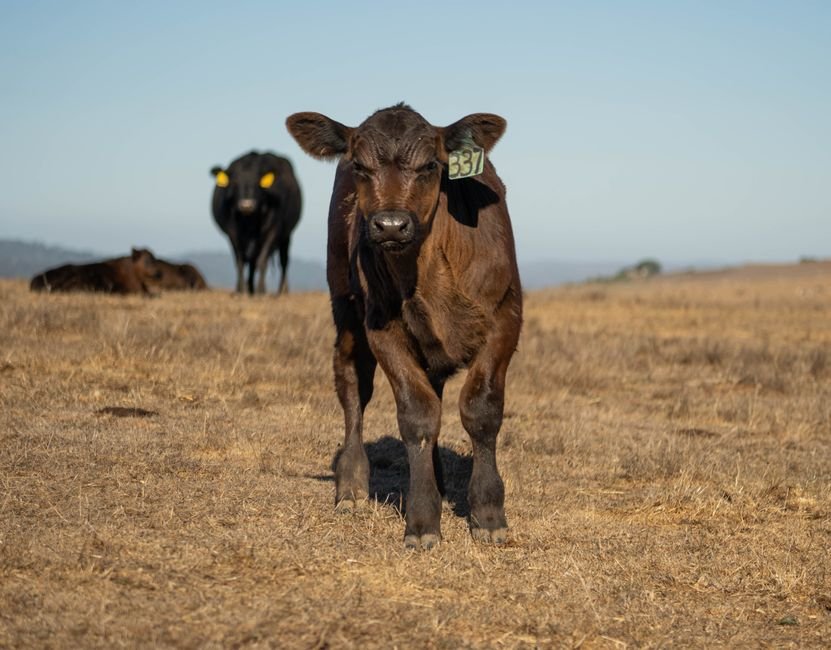
Weaning calves is a critical stage in cattle management, and doing so during hot weather presents unique challenges. Elevated temperatures can exacerbate calf stress, potentially leading to reduced growth rates, increased susceptibility to disease, and behavioral issues. To safeguard calf health and optimize performance, it’s essential to implement targeted strategies that minimize stress during this vulnerable period. This article outlines 29 concrete, practical tips to reduce weaning stress in calves during hot weather, backed by research and field experience.
Understanding the Impact of Heat Stress on Weaning Calves
Calves undergoing weaning experience physiological and psychological stress as they transition from milk to solid feed and separation from their dams. Heat stress compounds these challenges by affecting appetite, hydration status, and immune function.
- Reduced Feed Intake: Calves tend to eat less in high temperatures, which can delay rumen development post-weaning. Studies have shown that feed intake can decrease by up to 20% during heat waves, directly impacting weight gain and the establishment of a functional rumen.
- Dehydration Risks: Increased water requirements and loss through panting can quickly lead to dehydration if not managed. Research indicates that water intake in heat-stressed calves may double compared to thermoneutral conditions, and failure to match this demand can result in electrolyte imbalances and diminished physiological function.
- Increased Cortisol Levels: Heat stress triggers cortisol release, which suppresses immune response and slows growth. Elevated cortisol also interferes with nutrient metabolism, making it harder for calves to convert feed efficiently.
- Behavioral Stress: Heat discomfort can increase restlessness and vocalization during weaning. Behavioral studies have documented increased pacing, reduced lying time, and heightened vocalization frequency, all indicators of stress that can negatively affect welfare and performance.
Moreover, heat stress can exacerbate respiratory and metabolic disorders, increasing morbidity and mortality risks if calves are not managed properly during weaning.
29 Stress Reduction Tips for Weaning Calves in Hot Weather
1. Schedule Weaning During Cooler Parts of the Day
Plan separation and handling activities early in the morning or late in the evening when temperatures are lower to minimize heat load and stress. For example, conducting weaning between 5-8 AM or after 7 PM when ambient temperatures typically drop can reduce heat exposure by 30-40%. This timing also aligns with the natural circadian rhythms of calves, which tend to be more active and feed more during cooler hours.
2. Provide Ample Shade
Ensure access to natural shade such as trees or install shade structures near weaning pens, as shaded areas can reduce radiant heat load by up to 50%. Research shows that shaded calves have lower respiration rates and body temperatures, improving comfort and reducing stress-related behaviors. When natural shade is limited, portable shade structures made from UV-resistant fabrics can be effective and flexible.
3. Use Sprinklers or Misting Systems
Applying fine mist can lower body temperature and humidity in pens, providing relief without soaking calves. Misting systems, when combined with fans, have been demonstrated in controlled studies to reduce core body temperature by 1-2°C and respiration rates by up to 20%. Careful management is required to prevent excessive wetting, which could lead to heat retention or humidity-related respiratory issues.
4. Increase Water Availability and Quality
Offer multiple fresh, clean water sources to encourage frequent drinking; calves may need 50-100% more water during hot weather. Automated waterers with frequent flushing can maintain water freshness, which is critical as calves may refuse warm or stagnant water. Studies indicate that water temperature influences intake, with calves preferring water below 20°C, emphasizing the need for shaded and insulated water troughs.
5. Gradual Weaning Method
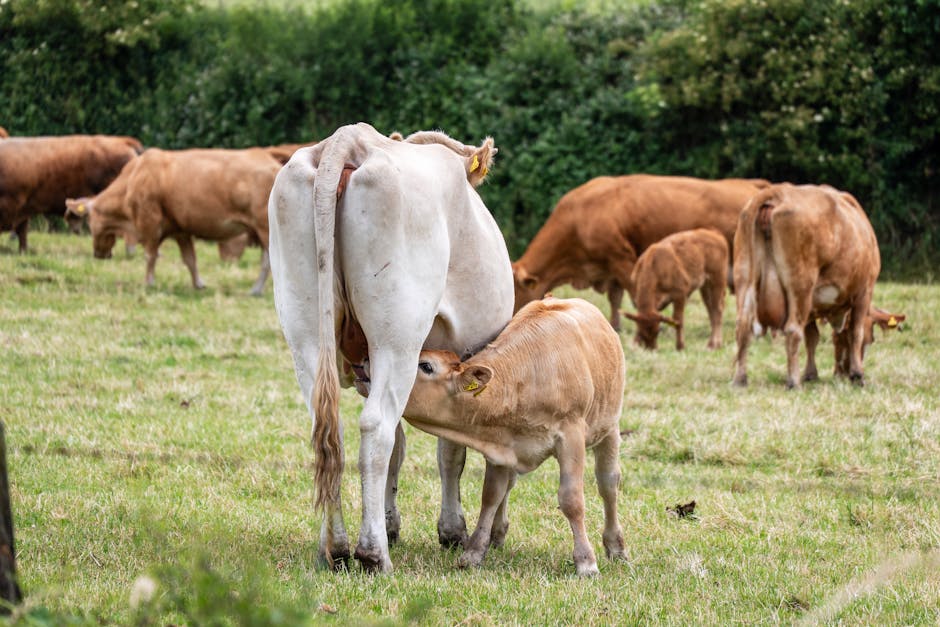
Implement partial separation techniques, such as fence-line weaning, to ease psychological stress while promoting gradual independence. Fence-line weaning allows calves to maintain visual and tactile contact with their dams, which can reduce vocalization by up to 70% and improve feed intake during the transition. Additionally, gradual weaning has been linked to improved weight gains in the two weeks post-separation compared to abrupt methods.
6. Introduce Solid Feed Before Weaning
Encourage calves to consume high-quality starter feed and forage for at least 2-3 weeks prior to weaning to support rumen development and reduce post-weaning weight loss. Offering palatable, energy-dense feeds such as calf starters containing 18-20% crude protein and adequate fiber promotes ruminal papillae growth. In hot conditions, consider feeds with lower heat increment ingredients (e.g., digestible fibers) to reduce metabolic heat load.
For more on this, see our related guide: Can Cows Eat Watermelon? How to Safely Feed Cull Fruit to Your Herd.
7. Avoid Handling During Peak Heat
Minimize physical handling and transport during midday heat to prevent compounded stress effects. Handling calves during the hottest hours (typically 12 PM – 4 PM) can elevate body temperature, cortisol, and risk of heat exhaustion. Planning handling tasks around cooler periods reduces the likelihood of heat-related morbidity and improves the overall welfare of calves.
8. Use Electrolyte Supplements
Administer electrolyte solutions or supplements to help maintain hydration and electrolyte balance, especially after stressful events. Electrolyte formulas containing sodium, potassium, chloride, and bicarbonate help restore osmotic balance and reduce the risk of heat-induced metabolic alkalosis or acidosis. Field trials demonstrate that electrolyte supplementation can reduce recovery time from heat stress episodes by 24-48 hours.
9. Maintain Comfortable Pen Flooring
Keep pens dry and free from mud; wet or hot concrete surfaces increase heat stress and discomfort. Providing bedding materials such as straw or wood shavings can insulate calves from hot ground surfaces and improve lying comfort. Research indicates that calves spend more time lying down in pens with comfortable flooring, which correlates with reduced stress and better growth rates.
10. Manage Stocking Density
Reduce crowding in weaning pens to improve ventilation and decrease stress related to competition for resources. Overcrowded pens increase heat load through reduced airflow and increased humidity from respiration and manure. Optimal stocking density varies but maintaining 2.5-3 square meters per calf is recommended during hot weather to ensure adequate space for thermoregulation and social behaviors.
11. Monitor and Adjust Diet Composition
Adapt rations to include more digestible fiber and less heat increment feedstuffs to lower metabolic heat production. For example, replacing high-starch grains with beet pulp or alfalfa hay can reduce the heat generated during digestion. Additionally, including feed additives such as yeast cultures and probiotics may improve rumen efficiency and feed utilization under heat stress.
12. Use Fans or Air Circulation Systems
In enclosed or semi-enclosed facilities, fans can improve airflow, reduce temperature, and help calves dissipate heat. Studies have shown that air movement of even 2-3 meters per second can lower respiratory rates and rectal temperatures in calves by facilitating evaporative cooling. Fans should be positioned to avoid direct drafts but ensure uniform air distribution.
13. Minimize Noise and Environmental Disturbances
Loud noises or sudden movements increase calf agitation; keep weaning areas calm and quiet. Noise levels above 70 decibels have been linked to increased cortisol secretion and behavioral stress. Using low-stress handling protocols, avoiding loud equipment operation near calves, and limiting human traffic during weaning can enhance welfare.
14. Implement Vaccination and Health Programs Before Heat Stress Periods
Pre-weaning vaccinations strengthen immune defenses, mitigating illness risk when calves are stressed and heat-weakened. Vaccines targeting respiratory pathogens (e.g., bovine respiratory syncytial virus, Mannheimia haemolytica) are particularly important, as heat stress can impair lung defenses. Timing vaccinations 3-4 weeks prior to weaning allows for adequate immune response development.
15. Provide Access to Electrolyte-Enhanced Water
Adding appropriate electrolyte solutions to drinking water during heat peaks can enhance hydration. Formulations with balanced sodium, potassium, and bicarbonate help maintain acid-base equilibrium and support muscle function. It is critical to monitor palatability and prevent overuse, as excessive electrolytes can suppress water intake.
If you’re also looking into this, our article on Essential Highland Cow Care: A Comprehensive Guide to Raising Healthy Herds covers it in more detail.
16. Regularly Monitor Calf Behavior and Health
Observe for signs of heat stress such as excessive panting, drooling, or lethargy, and intervene promptly. Employing scoring systems like the Heat Stress Score (HSS) can standardize assessments. Early detection allows timely management actions, such as moving calves to shaded areas, increasing water provision, or administering electrolytes.
17. Avoid Weaning During Heat Waves
Delay weaning if an extended period of extreme heat is forecasted to better protect calf welfare. Heat waves often result in prolonged high humidity and temperature, increasing the risk of heat exhaustion and mortality during stressful events. Utilizing weather forecasting tools can aid in scheduling weaning during more favorable conditions.
18. Use Calming Techniques During Handling
Slow movement, low-stress cattle handling, and minimizing restraint duration reduce cortisol spikes. Techniques such as moving calves quietly in small groups, using non-slip flooring, and avoiding electric prods have been shown to decrease stress-related behaviors by over 50%. Calm handling supports immune function and growth.
19. Provide Electrolyte Paste for Immediate Use
Electrolyte paste can be administered directly after separation to quickly counteract dehydration. Paste formulations are easy to apply and have rapid absorption, making them ideal for field situations. Field trials report improved hydration status and reduced incidence of heat-related illness when administered prophylactically during weaning.
20. Adjust Feeding Times
Offer feed during cooler periods to encourage intake and reduce heat load from digestion. Feeding during early morning or late evening aligns with natural feeding behavior and limits heat produced by the thermic effect of feeding. Some producers implement multiple smaller meals rather than a single large feeding to reduce metabolic heat stress.
21. Separate Heavily Stressed or Weak Calves for Individual Care
Isolate vulnerable calves to reduce competition and provide targeted heat relief and nutrition. Individual care reduces exposure to bullying and allows for customized hydration and feeding strategies. Providing individual shade, electrolyte supplementation, and close health monitoring can improve survival and recovery rates.
22. Use Shade Cloth to Reduce Solar Radiation
Shade cloth with 50-80% UV blockage can be installed over pens to lower ambient temperature. These materials are lightweight, durable, and cost-effective, reducing solar radiation by filtering out infrared and ultraviolet light. Shade cloth also reduces surface temperatures of soil and structures, further contributing to cooling.
23. Provide Mineral Supplements Supporting Heat Tolerance
Trace minerals like selenium and zinc can support antioxidant status and immune function under heat stress. Supplementation improves cellular defense against oxidative damage caused by heat-induced reactive oxygen species. Additionally, magnesium and chromium have been linked to improved heat tolerance and metabolic stability.
This ties in closely with Essential Water Management for Healthy, Productive Cattle, worth a look if you want to go deeper.
24. Maintain Clean Water Troughs to Prevent Algae Growth
Algae can increase water temperature and reduce palatability, discouraging drinking. Regular cleaning and shading of water troughs help maintain water quality. In some regions, algae blooms can produce toxins harmful to livestock, making water hygiene a critical aspect of calf welfare under heat stress conditions.
25. Allow for Adequate Rest Periods
Avoid overcrowding and overhandling so calves can rest and thermoregulate effectively. Resting behavior is essential for recovery during weaning and heat stress; calves that lie down frequently show better adaptation. Minimizing disturbances and providing comfortable resting areas encourage adequate sleep and energy conservation.
26. Utilize Weaning Aids Like Nose Flaps
Nose flaps prevent suckling but preserve mother-offspring contact, easing social stress. Research suggests that calves weaned with nose flaps show less vocalization and higher solid feed intake compared to abrupt separation. However, the timing of flap placement should be managed carefully to avoid discomfort or nasal irritation.
27. Gradually Expose Calves to Weaning Pens
Pre-exposure reduces novelty stress and helps calves adapt faster to new environments. Allowing calves to explore weaning pens for short periods before weaning day can lower anxiety and improve feeding behavior. This strategy also facilitates social bonding among calves, which can provide comfort during separation.
28. Record and Analyze Individual Calf Responses
Track weight changes, feed and water intake, and behavior to improve future heat stress management. Using digital health monitoring tools or simple record-keeping enables early identification of at-risk calves and assessment of management efficacy. Data-driven approaches facilitate continuous improvement and customized interventions.
29. Consult with a Nutritionist or Veterinarian
Customized diets and health plans ensure calves’ needs are met during combined stressors of heat and weaning. Professionals can recommend appropriate feed formulations with adjusted energy density, mineral supplementation, and vaccination schedules. They also provide critical advice on disease prevention and heat stress mitigation tailored to specific herd conditions.
Summary Table: Comparing Key Stress Reduction Strategies
| Strategy | Primary Benefit | Implementation Notes |
|---|---|---|
| Shade Provision | Reduces radiant heat exposure by up to 50% | Use natural trees or shade cloth; ensure coverage over feeding and resting areas |
| Fence-line Weaning | Lowers psychological stress by allowing visual and tactile contact | Requires double fencing; calves can see but not suckle |
| Electrolyte Supplementation | Improves hydration and electrolyte balance | Use during heat peaks and post-handling stress |
| Feeding During Cooler Hours | Increases feed intake and reduces metabolic heat stress | Offer fresh feed early morning or late evening |
| Use of Fans/Misters | Enhances heat dissipation and calf comfort | Best for pens with limited natural airflow |
Conclusion
Weaning calves in hot weather requires deliberate, multi-faceted management to reduce stress and promote health. By combining environmental modifications, nutritional strategies, behavioral management, and careful timing, producers can significantly mitigate the negative effects of heat during this crucial transition. Implementing the 29 tips outlined here can improve calf welfare and long-term productivity, turning a challenging period into a successful start for young cattle.