
Introduction to Equipment for Cattle Terminology
Understanding cattle terminology is fundamental for anyone involved in livestock management, veterinary care, or cattle farming education. However, mastering terminology goes beyond reading textbooks or glossaries—it requires hands-on experience and the right equipment to contextualize terms in real-life settings.
This article explores the types of equipment you need to effectively learn, teach, and apply cattle terminology. Whether you are a new cattle farmer, an agricultural student, or a livestock professional, having the right tools can clarify concepts involving anatomy, handling, health, and behavior.
Beyond simply knowing the terms, effective learning involves connecting the vocabulary with physical interaction or visualization, which enhances memory retention and practical skills. This approach not only aids newcomers but also supports seasoned professionals in maintaining accuracy when communicating about cattle.
Why Equipment Is Essential for Learning Cattle Terminology
Cattle terminology covers a wide range of technical language that describes everything from animal anatomy and breeds to husbandry practices and health conditions. Without physical points of reference, these terms can be abstract and difficult to remember.
For example, terminology related to cattle anatomy—such as “withers,” “dewlap,” “rump,” and “hock”—becomes much clearer when learners can visually locate or palpate these parts on a live animal or a model. Many of these anatomical terms also have functional implications; for instance, the withers are often used as a standard point for measuring height, while the hock is a critical joint for mobility and lameness assessment.
For more on this, see our related guide: Why Accurate Record Keeping is Essential for Small Cattle Operations.
Similarly, equipment used in cattle handling demonstrates terms linked to behavior and management, like “chute,” “head gate,” or “squeeze crush.” These facilities are designed not only for animal safety but also for worker safety, and understanding their operation is crucial when discussing cattle restraint or treatment procedures. For example, the design of a squeeze chute helps calm the animal by restricting lateral movement, which ties directly into behavioral terms such as “flight zone” and “point of balance.”
Moreover, in veterinary contexts, terminology shifts into technical language describing diagnostic or treatment procedures, which require specialized tools. Without practical exposure to these instruments, such terms remain theoretical. Therefore, integrating equipment into the learning process bridges the gap between language and applied skills.
Core Equipment for Learning and Applying Cattle Terminology
1. Anatomical Models and Diagrams
For beginners, detailed anatomical models and laminated diagrams are invaluable. They provide a tactile and visual reference to learn specific body parts and their terminology without the unpredictability of live animals.
- Plastic Cattle Models: Lifesize or scaled-down models showing muscle groups, bones, and external features. Often used in agricultural colleges, these models can also highlight specific systems such as the digestive tract or reproductive organs, allowing students to understand internal anatomy alongside external landmarks. Some advanced models include removable parts to simulate clinical examination or surgical procedures. Prices range from $200 to $500 depending on detail.
- Educational Wall Charts: Laminated posters with labeled cattle anatomy. Useful in classrooms or farm offices, costing around $30–$70. High-quality charts often feature color-coded sections to differentiate anatomical areas like the skeletal system, muscle groups, or vascular pathways. Using these charts during lectures or practical demonstrations can reinforce retention by linking visual cues with terminology.
- 3D Printed Models: Emerging technology allows for customized 3D printed bovine anatomical parts, such as hooves or vertebrae, providing hands-on learning of complex structures like joints or dental anatomy.
2. Handling Facilities: Chutes, Pens, and Head Gates
These key pieces of equipment help contextualize terms related to cattle movement and restraint:
If you’re also looking into this, our article on How to Choose the Right Land and Acreage for Cattle Farming covers it in more detail.
- Squeeze Chute: A metal frame that safely restricts cattle movement for examination or treatment. Typical dimensions for adult cows are 30–32 inches wide and 7–8 feet long. Prices vary from $1,500 for basic models to $5,000+ for hydraulic or automated chutes. Advanced models may include features like adjustable sides, hydraulic controls for minimal human effort, and integrated scales for weighing. Understanding these features connects terminology such as “hydraulic squeeze,” “head gate lock,” and “side panels.”
- Head Gate: Integrated at the front of a chute to secure the animal’s head, enabling access to the neck for injections or tagging. Precise operation is important to prevent injury. The head gate terminology extends to terms like “head catch,” “head bail,” and “chin lift,” which describe mechanisms and handling techniques.
- Working Pens and Alleys: Narrow pathways designed to funnel cattle into chutes or scales, critical for terms describing cattle movement and behavior like “balking” (refusal to enter), “casting” (forcing the animal to lie down), or “loading” (moving cattle into trailers). The design of alleys—such as curved layouts to utilize cattle’s natural movement instincts—ties directly into handling terminology and animal welfare considerations.
- Loading Ramps: Essential for understanding terms related to transport preparation, such as “ramp angle,” “non-slip flooring,” and “loading density.” Proper design reduces stress and injury during cattle movement.
3. Livestock Identification Tools
Identification is fundamental for herd management and introduces terms like “branding,” “ear tagging,” and “tattooing.” Essential tools include:
- Ear Taggers: Manual or electronic tools used to apply plastic tags that carry numeric or RFID information. Manual taggers cost $30–$150, RFID readers upwards of $1,000. RFID tagging allows for automated data collection, supporting terms such as “electronic identification,” “tag retention,” and “data logging.” Different tag styles (button, loop, or flag tags) also introduce terminology related to placement and visibility.
- Hot-Iron Branding Irons: Traditional branding tools for permanent identification. Require safety training and local legal compliance. Terminology includes “branding freeze,” “branding location” (such as hip, shoulder, or rib), and “branding heat management.” The ethical and welfare considerations associated with branding are increasingly important, with alternatives like freeze branding and electronic ID gaining popularity.
- Tattoo Instruments: Used for permanent ID inside the ear; less common but important terminology for veterinary practice. Tattooing introduces terms like “tattoo pliers,” “ink application,” and “sterilization,” and is often preferred in registered breeding programs due to permanence and visibility.
- Retinal Scanners and DNA Sampling Kits: Emerging tools for identification and verification, introducing new terminology such as “biometric ID” and “genetic profiling.” These advancements complement traditional methods and are growing in use for traceability systems.
4. Digital Tools and Software
Modern technology supplements traditional equipment by associating terms with interactive images, videos, and data management:
- Livestock Management Apps: Such as CattleMax, Herdwatch, and AgriWebb, which incorporate terminology for health records, breeding, and feeding. These platforms often include modules for recording treatments, vaccinations, breeding cycles, and weight tracking, supporting terms like “calving interval,” “dry period,” and “average daily gain.” They also facilitate compliance with regulatory terminology such as “withdrawal periods” for medications.
- 3D Anatomy Apps: Mobile or desktop applications providing interactive cattle anatomy models, reinforcing terminology visually. Some apps include quizzes, cross-sectional views, and augmented reality overlays to deepen anatomical understanding, especially useful for veterinary students.
- Online Glossaries and Virtual Farms: Websites with multimedia resources to explore cattle terms in context. Examples include extension service portals or university agriculture departments offering videos demonstrating handling techniques or diagnostic procedures. Virtual farm simulations help learners understand herd dynamics, feedlot management, or breeding practices linked to relevant terminology.
- Data Analytics and Reporting Software: Increasingly, tools that track herd performance use specialized terminology such as “feed conversion ratio,” “somatic cell count,” and “mortality rates,” which are essential for production efficiency discussions.
Specialized Equipment for Advanced Terminology
5. Veterinary Tools and Diagnostic Equipment
For veterinary students or professionals, terminology expands into clinical and diagnostic fields requiring specific instruments:
This ties in closely with Essential Cattle Terminology: A Beginner’s Guide to Understanding and Managing Your Herd, worth a look if you want to go deeper.
- Stethoscopes: Used to listen to rumen contractions and heartbeats; terms like “auscultation” are best learned hands-on. Understanding the normal “rumen motility rate” or detecting abnormal heart rhythms requires practice with this equipment. Veterinary stethoscopes often have longer tubing and enhanced acoustics for use in large animals.
- Rectal Probes and Ultrasound Machines: Essential for pregnancy diagnosis and internal examination—terms such as “transrectal palpation,” “fetal heartbeat detection,” and “ovarian follicle assessment” become practical learning points. Portable ultrasound devices with color Doppler capability are increasingly used to evaluate reproductive health and diagnose conditions like retained placenta or uterine infections.
- Vaccination Syringes and Drench Guns: Introduce terminology for immunization and medication administration. Syringes vary from manual to automatic, and drench guns deliver oral medications or dewormers, linking terms like “subcutaneous injection,” “intramuscular injection,” and “oral drenching.” Proper calibration and dosing are critical skills associated with these terms.
- Blood Collection Kits and Laboratory Equipment: Used for hematology and serology, introducing terminology such as “venipuncture,” “serum separation,” and “hematocrit.” These tools are vital for disease diagnosis and herd health monitoring.
- Hoof Trimming Tools: Equipment like hoof knives and nippers relate directly to terms such as “hoof rot,” “lameness scoring,” and “claw trimming,” essential for maintaining cattle mobility and welfare.
6. Feeding and Watering Equipment
Terms related to nutrition and feeding behavior can be learned practically through equipment such as:
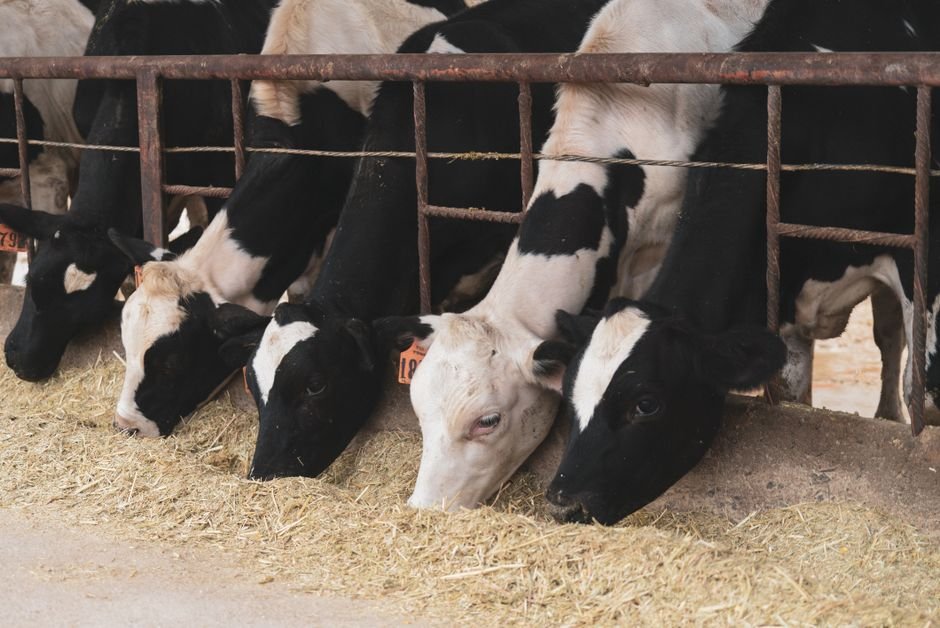
- Feed Bunks and Troughs: Their size and design affect feeding behaviors, terms like “bunk space” or “feed bunk management” become tangible concepts. Proper bunk space allocation—usually 20–24 inches per animal in feedlot settings—reduces competition and ensures equitable feed intake, which is crucial when discussing “dominance hierarchy” and “feeding order.” The shape and height of bunks, such as self-feeders or covered troughs, also influence feed wastage and animal comfort.
- Automatic Waterers: Help explain hydration needs and related terminology like “water intake monitoring.” Modern systems may include sensors to track consumption, enabling early detection of illness through changes in water intake patterns. Terms like “flow rate” and “water quality” are important in maintaining health.
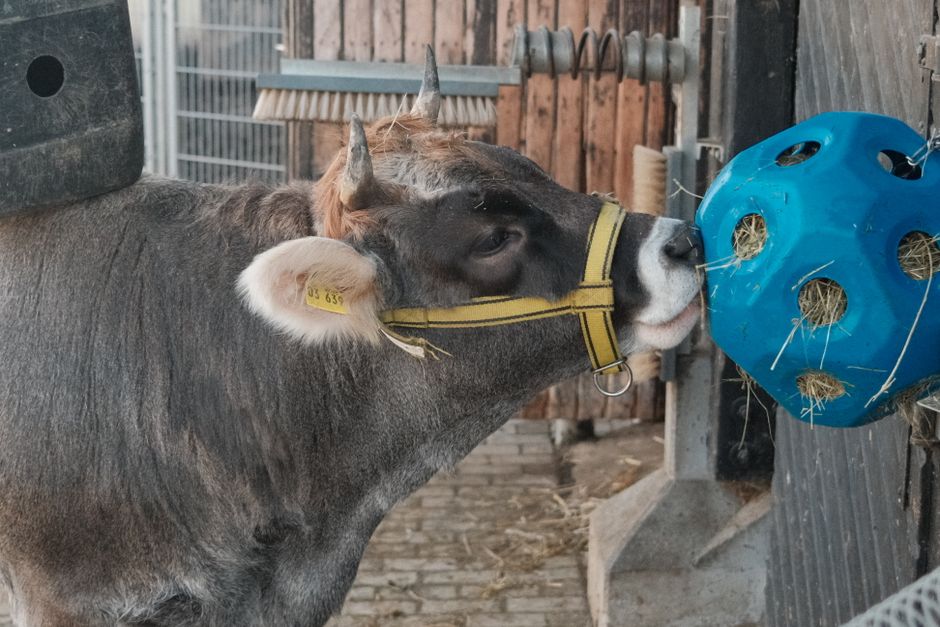
- Hay Rings and Bale Feeders: Used in pasture management terminology related to feed distribution and waste reduction. Feeding equipment design influences “bale utilization,” “feed loss,” and “feeding frequency.” For example, ring feeders restrict access to reduce trampling and spoilage, improving feed efficiency.
- Mineral Feeders and Salt Blocks: These introduce terms like “lick feeders,” “trace minerals,” and “supplementation strategies,” which are critical for balanced nutrition and production.
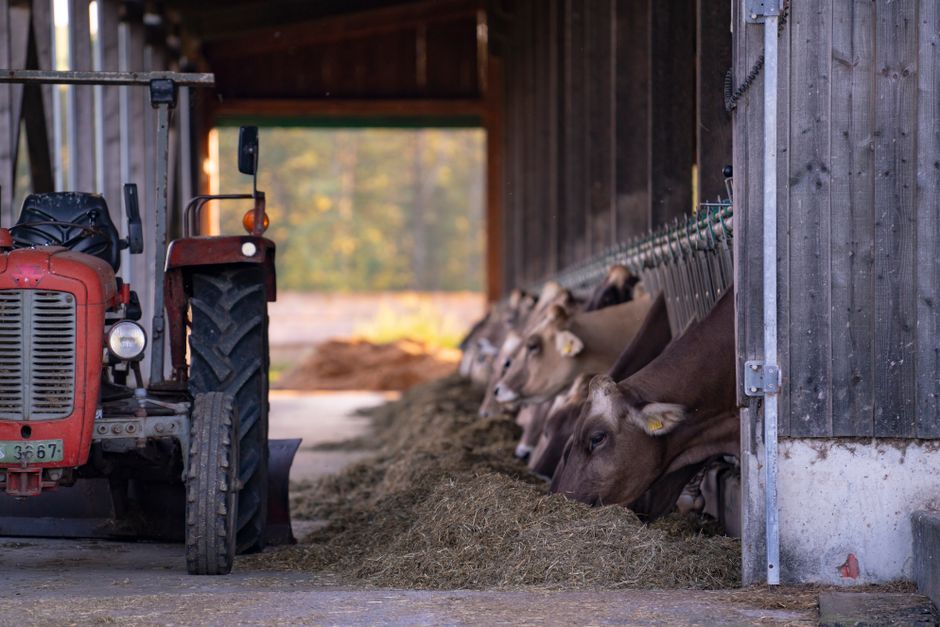
- Feed Mixing Wagons and Silage Feeders: Used in specialized feeding programs, these tools tie into terminology related to “ration formulation,” “total mixed rations (TMR),” and “fermentation quality.” Understanding equipment operation aids in grasping the terminology of feed consistency and nutrient delivery.
Comparative Overview of Equipment and Their Role in Terminology Learning
| Equipment Type | Purpose | Key Terminology Supported | Typical Cost Range |
|---|---|---|---|
| Anatomical Models & Diagrams | Visual and tactile learning aids for anatomy | Withers, dewlap, rump, hock, musculoskeletal system | $30–$500 |
| Handling Facilities (Chutes, Head Gates) | Safe cattle restraint and movement | Squeeze chute, head gate, alley, flight zone | $1,500–$5,000+ |
| Identification Tools | Marking and tracking cattle | Ear tagging, branding, tattooing, RFID | $30–$1,000+ |
| Digital Tools & Software | Interactive learning and record-keeping | Health records, breeding, feeding terms, biometric ID | Free–$500/year subscription |
| Veterinary Tools | Clinical examination and treatment | Auscultation, palpation, vaccination, venipuncture | $50–$20,000+ |
| Feeding & Watering Equipment | Nutrition and behavior observation | Bunk space, water intake, feed management, supplementation | $100–$2,000+ |
Practical Tips for Using Equipment to Master Cattle Terminology
- Start with Visual Tools: Use models and charts before handling live cattle to build basic vocabulary. Repetitive exposure to anatomical labels on models helps learners confidently identify the same structures on animals.
- Hands-On Practice: Apply terms by working with handling equipment—observe and describe each action. For example, when using a squeeze chute, narrate what part is being engaged and why, linking the physical action to the terminology and its purpose.
- Integrate Digital Resources: Reinforce learning with apps that allow you to identify anatomical parts or management terms interactively. Using quizzes and 3D models can solidify understanding, especially for complex concepts like digestive anatomy or reproductive cycles.
- Engage in Field Training: Participate in farm visits or veterinary clinics to see terminology in action. Observing real cattle behavior and handling situations contextualizes terms like “flight zone,” “dominance,” or “calving difficulty.”
- Maintain a Terminology Log: Document new terms alongside photos or sketches of equipment and animals. Including notes on equipment function and animal responses creates a personalized reference that aids long-term retention.
- Use Peer Learning: Discuss terms and equipment use with colleagues or classmates to clarify misunderstandings, share practical tips, and reinforce learning through teaching.
- Safety First: Always familiarize yourself with equipment safety protocols before use, as improper handling can lead to injury. Understanding safety terminology related to equipment operation is crucial for effective learning.
Conclusion
Mastering cattle terminology is best achieved through a combination of theoretical knowledge and practical experience. The right equipment—from anatomical models and handling chutes to digital tools and veterinary instruments—provides concrete reference points that transform abstract terms into understandable, actionable knowledge.
Investing in these essential tools will improve communication, safety, and efficiency in all aspects of cattle management, benefiting farmers, vets, students, and professionals alike. Moreover, staying updated with technological advancements in digital identification and diagnostic equipment ensures that terminology learning evolves alongside industry practices, preparing learners for modern livestock management challenges.