
Understanding Stocking Rates: Why Does It Matter in Oklahoma?
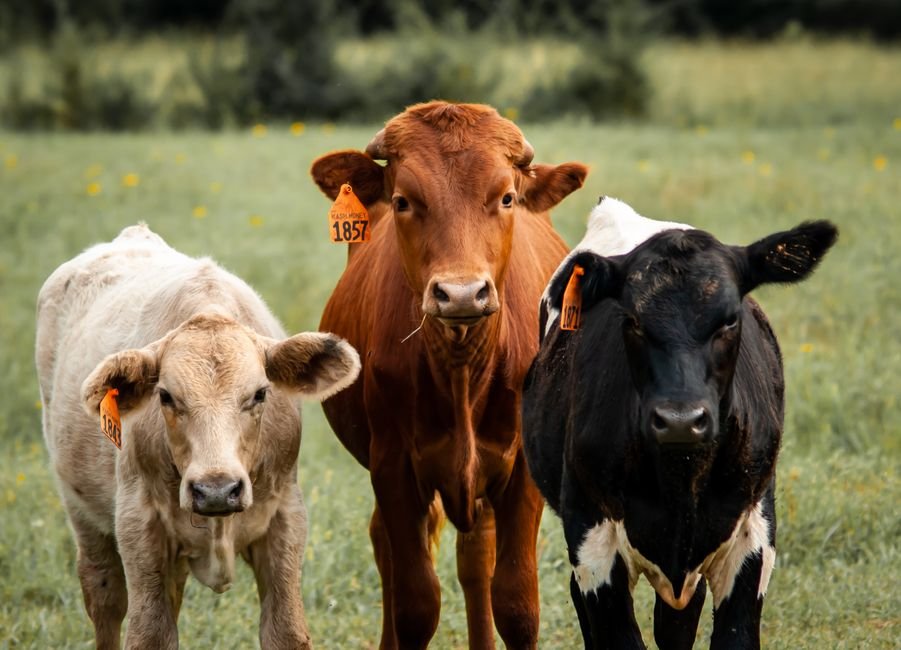
Determining how many cows per acre Oklahoma pastureland can support is vital for ranchers seeking sustainable and profitable livestock management. Overstocking leads to pasture degradation, soil erosion, and declining forage quality, while understocking results in underutilized resources and lost income. Oklahoma’s unique combination of grasses, soil types, and variable rainfall creates a complex environment to calculate an effective stocking rate that balances animal needs with natural resource conservation.
Stocking rate is not simply a static number; it’s a dynamic target that requires understanding local environmental conditions, forage growth cycles, and livestock requirements. Failure to adequately account for these factors can lead to economic losses and long-term damage to rangelands. For example, a 2017 Oklahoma State University study found that pastures with inappropriate stocking densities experienced up to 30% reductions in forage production over five years due to overgrazing.
This article breaks down the key factors affecting how many cows per acre you can run in Oklahoma, focusing on the interplay of grass species, soil health, and rainfall. We’ll also provide concrete numbers and examples for different regions of the state, helping ranchers make informed decisions for their operations.
Oklahoma’s Climate and Rainfall Patterns: A Foundation for Grazing Capacity
Annual rainfall is arguably the most influential factor affecting forage growth and stocking rates. Oklahoma’s climate varies significantly from east to west, influenced by geography and prevailing weather patterns:
- Eastern Oklahoma: Receives 40–50 inches of rainfall annually, supporting lush, cool- and warm-season grasses. This region experiences a humid subtropical climate, characterized by hot summers and mild winters, which promotes longer growing seasons and increased forage production.
- Central Oklahoma: Average rainfall ranges from 30–40 inches per year, with a mixed grassland environment and transitional climate. This area experiences more variability in precipitation and temperatures, influencing grazing periods and forage availability.
- Western Oklahoma: Semi-arid with 15–25 inches of rainfall, predominantly supporting shortgrass prairie species. This region has shorter growing seasons, higher evaporation rates, and frequent drought conditions, limiting forage growth.
Rainfall timing is critical—most precipitation occurs during spring and early summer, which aligns with peak forage growth periods. For example, April through June typically account for 50-60% of annual rainfall in the eastern and central parts of the state. This pattern supports a strong flush of warm-season grass growth, particularly big bluestem and indiangrass, which peak in mid to late summer.
Drought years, which are not uncommon, significantly reduce pasture productivity. The 2011–2013 drought period devastated many Oklahoma ranches, cutting forage yields by more than half in some areas. During these times, flexible stocking rates and supplemental feeding strategies become essential to maintain herd health and pasture viability. Long-term climate data from the Oklahoma Mesonet network shows that droughts occur roughly every 5 to 7 years, underscoring the importance of adaptive management.
Additionally, soil type and topography influence water retention, further impacting forage production. For example, loamy soils in eastern Oklahoma retain moisture better than sandy soils in the west, enhancing grazing capacity even during below-average rainfall years.
Major Grass Types in Oklahoma and Their Forage Contributions
Oklahoma pastures primarily consist of native warm-season and cool-season grasses, each with different growth patterns, nutritional value, and carrying capacities. Understanding these species helps ranchers optimize grazing schedules and stocking density.
For more on this, see our related guide: Mastering Stocking Rates: How Much Land Does Your Cattle Need?.
Warm-Season Grasses
- Big Bluestem (Andropogon gerardii): Dominant in eastern and central Oklahoma; produces high yields (4,000–6,000 lbs dry matter/acre/year). This tallgrass species provides excellent forage quality, with crude protein levels ranging from 8-15% during peak growth. Its deep root system contributes to drought resilience and soil structure improvement. Big bluestem’s growth peaks in mid-summer, aligning with the highest nutritional demands of growing calves.
- Indiangrass (Sorghastrum nutans): Common in tallgrass prairies; excellent forage during summer, with slightly higher digestibility than big bluestem. Indiangrass can produce up to 5,000 lbs dry matter/acre/year under optimal conditions. Its tolerance to a range of soil types makes it a versatile forage option.
- Switchgrass (Panicum virgatum): Highly productive but more common in eastern regions, producing 4,000 to 5,500 lbs dry matter/acre/year. Switchgrass has good cold tolerance, providing early spring growth and extending the grazing season. It’s also used in bioenergy production, which has increased interest in its management.
- Buffalograss (Bouteloua dactyloides): A shortgrass species prevalent in western Oklahoma; drought-resistant but lower biomass (~1,200–1,800 lbs dry matter/acre/year). Buffalograss is highly efficient at water use and remains green longer into dry periods compared to other grasses. Nutritional values are moderate, with crude protein typically between 6-10%, making it suitable for moderate stocking during dry seasons.
Cool-Season Grasses
- Orchardgrass (Dactylis glomerata): Grown in managed pastures; provides early spring forage crucial for extending grazing seasons before warm-season grasses mature. Orchardgrass can produce up to 3,000 lbs dry matter/acre annually in Oklahoma, with high palatability and digestibility (up to 70% total digestible nutrients).
- Crested wheatgrass (Agropyron cristatum): Often used in reseeding efforts to improve western pastures. This cool-season grass tolerates drought and cold well, producing forage earlier in spring when warm-season grasses remain dormant. It yields about 2,000 to 3,500 lbs dry matter/acre in semi-arid zones.
- Fescue (Festuca arundinacea), particularly tall fescue in eastern Oklahoma, is a commonly used cool-season perennial. Endophyte-infected tall fescue can reduce livestock performance, but newer endophyte-free varieties offer improved forage quality and animal health benefits. Tall fescue provides reliable early and late-season grazing, producing 3,500 to 5,000 lbs dry matter/acre under good conditions.
Each grass species contributes differently to annual forage production and seasonal availability. Implementing a mix of warm- and cool-season grasses can help smooth forage availability throughout the year, reducing the need for supplemental feeding and enhancing stocking rate flexibility.
Calculating Cows Per Acre: Stocking Rate Benchmarks for Oklahoma
Stocking rates are typically calculated in Animal Unit Months (AUMs). One AUM represents the amount of forage required by one 1,000-pound cow (with or without calf) for one month, roughly 780 pounds of dry forage. This standard accounts for maintenance and moderate production requirements but must be adjusted for cattle size, physiological status, and feed quality.

The average forage production per acre, divided by 780 pounds, gives the monthly carrying capacity per acre. From there, you estimate the number of cows sustainably supported during the grazing season. For example, a pasture producing 4,000 lbs dry matter per acre annually equates to approximately 5.1 AUMs per acre (4,000 ÷ 780 ≈ 5.1). Dividing by 12 months yields roughly 0.43 cows per acre year-round, but since forage is not evenly available year-round, stocking rates are adjusted seasonally.
Producers often use a stocking rate that matches the grazing season length, typically 6–8 months in Oklahoma, to avoid overgrazing during dormant periods. Additionally, forage utilization rates are considered—usually 40-60% of available forage is consumed to maintain pasture health. For instance, if a pasture yields 4,500 lbs dry matter per acre annually, a 50% utilization means only 2,250 lbs are available for grazing, effectively halving the theoretical stocking rate.
Estimated Forage Production and Carrying Capacity by Region
| Region | Annual Rainfall (inches) | Dominant Grass Type | Forage Production (lbs DM/acre/year) | Suggested Stocking Rate (cows/acre) |
|---|---|---|---|---|
| Eastern Oklahoma | 40–50 | Big Bluestem, Indiangrass | 4,500–6,000 | 1 cow per 2 to 3 acres |
| Central Oklahoma | 30–40 | Mixed warm- and cool-season grasses | 3,000–4,500 | 1 cow per 3 to 4 acres |
| Western Oklahoma | 15–25 | Buffalograss, Bluestems (shortgrass) | 1,200–2,000 | 1 cow per 5 to 7 acres |
These suggested stocking rates are based on average conditions but must be adjusted for specific pasture conditions, livestock breed, and management goals. For example, high-producing Angus cows weighing 1,200 pounds may require up to 25% more forage than the standard AUM, reducing stocking density accordingly.
Case Study: Stocking Rates on an Oklahoma Ranch
Take a 160-acre ranch in central Oklahoma with average rainfall of 35 inches annually and predominantly big bluestem and indiangrass. The forage production is around 4,000 lbs dry matter per acre annually, with a grazing season of approximately 7 months (April to October).
If you’re also looking into this, our article on How to Choose the Right Land and Acreage for Cattle Farming covers it in more detail.
Using the 780 lbs per AUM standard and accounting for 50% forage utilization:
- Total forage produced annually = 160 acres × 4,000 lbs = 640,000 lbs dry matter
- Usable forage at 50% utilization = 320,000 lbs
- AUMs per year = 320,000 ÷ 780 ≈ 410 AUMs
- Given a 7-month grazing season, average animal units supported = 410 ÷ 7 ≈ 59 cows
However, because forage availability fluctuates seasonally and to allow for pasture recovery during off-season months, a conservative stocking rate reduces this to about 1 cow per 3.5 acres or roughly 45 cows for the entire ranch under rotational grazing. This also allows flexibility to adjust herd size during drought or wet years.
Furthermore, implementing rotational grazing with 4–6 paddocks can increase the carrying capacity by 10–20% compared to continuous grazing, due to improved forage regrowth and reduced overgrazing stress. In practice, this could increase the sustainable herd size by 5–10 cows on this 160-acre ranch.
How Rainfall Variability Affects Stocking Rates
Oklahoma’s rainfall can vary widely year-to-year, with both short-term droughts and longer wet periods impacting forage availability. This variability requires ranchers to maintain flexible stocking strategies and contingency plans.
- Drought Impact: During drought, forage production may drop by 30–50%, necessitating a similar reduction in herd size or supplemental feeding. For example, a 2012 drought event reduced forage yields by an average of 45% in western Oklahoma, forcing many producers to reduce stocking rates or sell cattle early to avoid pasture damage.
- Wet Year Effects: Wet years can temporarily support higher stocking rates, but overgrazing remains a risk if adjustments aren’t made. Overconfident stocking during wet years can lead to soil compaction and invasive species encroachment when conditions normalize.
Many ranchers maintain a conservative baseline stocking rate with a contingency plan for drought—such as drylotting, hay supplementation, or early weaning—to avoid pasture damage. The Oklahoma Cooperative Extension Service recommends monitoring rainfall and forage growth monthly and adjusting stocking rates accordingly, particularly in semi-arid western regions where variability is most pronounced.
Advanced technologies, including satellite-based vegetation monitoring and soil moisture sensors, are increasingly used to track forage conditions in real-time, helping ranchers make timely stocking decisions. These tools can reduce the risk of under- or overstocking and improve long-term pasture health.
Grass Management Practices to Maximize Carrying Capacity
Stocking rate is not static. Effective grazing management can increase pasture productivity and allow more cattle per acre without degradation. Key strategies include:
This ties in closely with What It Takes to Start a Small Cattle Farm: Essential Costs and Considerations, worth a look if you want to go deeper.
- Rotational Grazing: Dividing pastures into smaller paddocks and rotating cattle allows rest periods that let grass recover, improving root growth, forage yield, and persistence. Studies in Oklahoma have shown rotational grazing can increase forage production by 15–25% compared to continuous grazing, and improve livestock gains by up to 10%.
- Fertilization: Applying nitrogen and phosphorus based on soil tests can increase biomass, especially in eastern Oklahoma pastures with richer soils. For example, applying 50–60 pounds of nitrogen per acre in spring can boost warm-season grass production by 20–30%. However, fertilization must be balanced with environmental concerns such as nitrate leaching and water quality.
- Invasive Species Control: Managing undesirable plants like sericea lespedeza, Johnsongrass, and bermudagrass encroachment preserves high-quality forage. Mechanical removal, targeted herbicide applications, and prescribed burning are effective control methods. For instance, sericea lespedeza reduces available forage quality by outcompeting native grasses if not controlled early.
- Supplemental Seeding: Introducing drought-tolerant species such as buffalograss or improved varieties of big bluestem and switchgrass boosts resilience. In western Oklahoma, reseeding with crested wheatgrass has improved forage production by up to 40% in degraded pastures. Additionally, interseeding clover or legumes can enhance soil nitrogen and forage protein content.
Other practices such as controlled burning, proper stocking during rest periods, and maintaining adequate stubble height during grazing help sustain grass vigor and prevent soil erosion. Collaboration with local Extension agents and conservation groups can provide tailored management recommendations based on soil tests and pasture condition assessments.
Summary Table: Oklahoma Stocking Rates by Rainfall and Grass Type
| Factor | Eastern Oklahoma | Central Oklahoma | Western Oklahoma |
|---|---|---|---|
| Rainfall (inches/year) | 40–50 | 30–40 | 15–25 |
| Grass Type | Big bluestem, Indiangrass | Mixed warm-/cool-season | Buffalograss, shortgrass species |
| Annual Forage Yield (lbs DM/acre) | 4,500–6,000 | 3,000–4,500 | 1,200–2,000 |
| Stocking Rate (cows/acre) | 1 per 2–3 acres | 1 per 3–4 acres | 1 per 5–7 acres |
| Typical Grazing Season | 7–8 months | 6–7 months | 5–6 months |
| Utilization Rate (%) | 50–60% | 45–55% | 40–50% |
Final Considerations
While standard figures provide a starting point, ranchers must consider soil fertility, pasture condition, cattle breed and size, and management objectives when determining stocking rates. For example, larger or heavier breeds require more forage per acre, reducing stocking density. Similarly, operations focused on producing high-quality beef calves may maintain lower stocking rates to ensure optimal nutrition and weight gains.
Continuous monitoring of pasture health and forage availability, combined with flexibility in herd size, is essential to adapt to Oklahoma’s shifting climate and maintain sustainable stocking rates. Tools like pasture clipping, visual assessments, and forage sampling provide valuable data to guide management decisions.
Furthermore, integrating adaptive management strategies such as drought contingency planning, supplemental feeding during low forage periods, and adjusting grazing schedules can preserve pasture productivity and livestock performance. Engaging with local extension services and utilizing regional expertise can enhance decision-making tailored to specific ranch conditions.
Ultimately, successful stocking rate management in Oklahoma requires a holistic approach that balances animal needs, ecological health, and economic sustainability, ensuring the long-term viability of ranching operations in this diverse and dynamic environment.