
Understanding the Importance of Identification in Cattle Management
Identification is a fundamental aspect of effective cattle management. Whether you are a small-scale farmer or a large-scale rancher, having a reliable method to identify each animal is crucial for tracking health records, breeding programs, ownership, and compliance with regulatory standards. Proper identification enables producers to monitor individual animal performance, manage vaccination schedules, record treatments, and track lineage, which ultimately contributes to improved herd productivity and profitability.
Moreover, in the modern livestock industry, traceability has become an essential component not only for farm management but also for public health and consumer confidence. Disease outbreaks such as bovine tuberculosis or foot-and-mouth disease can spread rapidly if animals are not properly identified and tracked. Governments worldwide have implemented traceability programs that require unique identification for each animal to quickly contain these outbreaks and maintain access to export markets.
However, the best way to identification isn’t one-size-fits-all. Different techniques offer various advantages and limitations depending on your operation’s size, budget, and specific needs. Selecting the right identification method requires balancing factors such as durability, cost, ease of use, animal welfare, and data management capabilities.
Common Methods of Cattle Identification
Before comparing which method works best, let’s outline the most widely used cattle identification techniques:
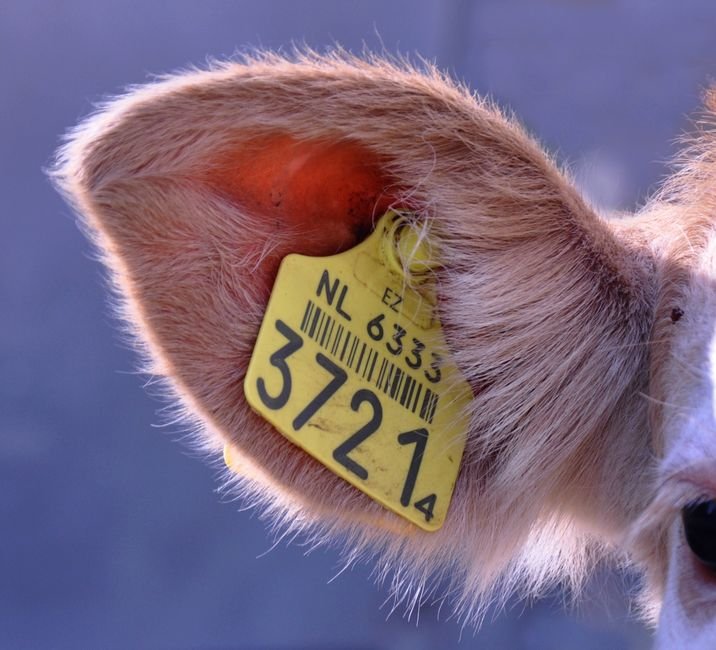
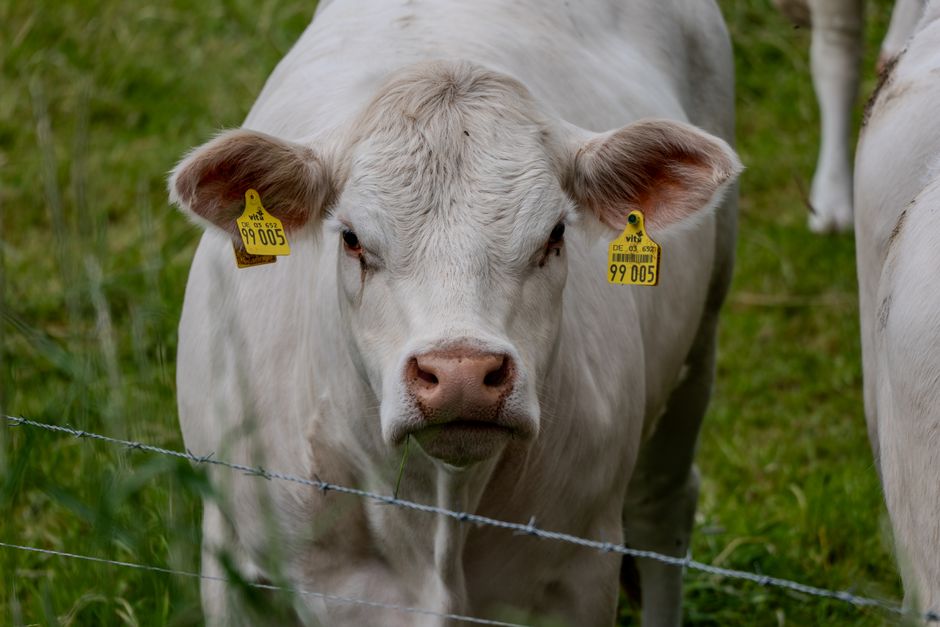
- Ear Tags: Plastic or metal tags attached to the ear, often stamped or printed with unique numbers. They can include visual codes such as colors or patterns to facilitate sorting.
- RFID (Radio Frequency Identification): Electronic tags embedded with microchips that can be scanned for instant data retrieval. RFID can be passive (no battery) or active (battery-powered), with passive being more common in livestock.
- Branding: Permanent markings on the hide, either hot-iron brands or freeze brands, that serve as a visual proof of ownership and deterrent against theft.
- Tattoos: Ink markings applied inside the ear for permanent identification, typically done with a tattooing instrument and special ink resistant to fading.
- Boluses: Electronic devices placed in the animal’s rumen that can be scanned. These are less common but provide long-term, tamper-proof identification from within the animal.
Additional methods such as nose printing and DNA identification exist but are less practical for routine farm use. Each method has unique characteristics that influence its suitability to different cattle operations.
Comparing Ear Tags, RFID, and Branding: Which Is Most Effective?
Among these, ear tags, RFID, and branding remain the most popular and practical. Below is a detailed comparison based on key criteria relevant to cattle identification.
| Criteria | Ear Tags | RFID | Branding |
|---|---|---|---|
| Durability | Moderate. Tags can be lost or damaged over 1-3 years. Environmental factors such as humidity, UV exposure, and physical impacts contribute to degradation. | High. RFID tags last many years if properly attached and protected, often exceeding 10 years of useful life. Encasing materials protect from moisture and physical damage. | Very high. Brands are permanent unless hide is severely damaged or scars heal over time. Freeze brands tend to be more visible over the long term. |
| Ease of Application | Easy. Requires tagging pliers and minimal training, usually completed within seconds per animal. Can be applied at branding or vaccination schedules. | Moderate. Requires specialized tags, sometimes RFID-enabled ear tags, and reading equipment. Training required for scanner use and tag application. | Difficult. Requires skilled personnel and can cause animal stress due to handling and procedures involving heat or extreme cold. |
| Cost per Animal | Low to moderate ($0.20 to $2 per tag), depending on tag quality and customization. Replacement tags add to ongoing costs. | Higher ($2 to $10 per RFID tag plus reader cost). Initial setup for readers can be a few hundred to over a thousand dollars. | Low upfront, but labor-intensive cost. Branding iron maintenance and skilled labor add indirect expenses. |
| Data Management | Manual or computerized if entered later. Visual counting or manual recording tends to be time-consuming and error-prone. | Automated, fast data collection via scanners. Integrates well with herd management software for real-time monitoring and reporting. | Manual, visual identification only. No direct connection to electronic data systems, reliant on record books or memory. |
| Animal Welfare Impact | Minimal discomfort, quick procedure. Occasionally can cause minor ear infections or irritation if tags are torn or dirty. | Minimal discomfort, similar to ear tags. Non-invasive scanning reduces handling time and animal stress. | Painful and stressful, involves heat or cold application. Potential for infections or skin damage if not performed correctly. |
| Visibility & Readability | Visible at a distance; numbers can fade, scratch, or get dirty, requiring routine inspection and occasional tag replacement. | Requires a scanner; invisible to the naked eye. However, scanning speeds up sorting and reduces misidentification. | Visible at a distance, but can be hard to read in poor lighting, on dark coats, or if the brand has healed over. |
1. Ear Tags: The Tried-and-True Method
Ear tags are the most commonly used identification method worldwide, favored for their simplicity and low cost. They come in various shapes and colors, which enables easy visual sorting. For example, a ranch might assign different color tags to each age group or herd, allowing ranch hands to quickly identify animals by group at a glance. Numbering each tag allows for quick individual identification, which is essential for tracking performance, fertility, and health data.
However, tags are susceptible to loss—studies suggest a 5-10% annual loss rate depending on tag quality and environmental conditions. For instance, in rough terrain where branches or fencing can snag tags, replacements become frequent. In a 2019 study from the University of Nebraska, losses were higher in younger calves due to softer ear tissue and animal activity. To mitigate this, some producers use reinforced tags made of durable materials such as polyurethane or double-tagging strategies.
Ear tags also provide flexibility in design, allowing for barcodes, QR codes, or even RFID chips embedded within plastic tags for hybrid identification approaches. This versatility makes them an excellent choice for operations that want to gradually transition to more automated systems.
2. RFID: Modern, Efficient, and Data-Driven
RFID technology is increasingly preferred in technologically advanced cattle operations and regulatory programs. An RFID tag contains a microchip that emits a unique identification number when scanned with a reader device, enabling instant and error-free data capture. This eliminates the need for manual recording, which reduces human error and significantly speeds up routine tasks such as inventory counts or medication administration.
While the upfront investment in tags and scanners can be significant—RFID tags cost on average $3 to $10 each, and readers $300 to $1,000—the benefits include:
For more on this, see our related guide: Mastering Cattle Behavior and Handling for Safer, More Efficient Farming.
- Elimination of manual data entry errors, enhancing accuracy in herd records.
- Rapid herd scanning, even at a distance of several meters, which saves labor time.
- Improved traceability for disease control and export compliance, facilitating adherence to national and international livestock movement regulations.
- Integration with herd management software, allowing real-time monitoring of individual animal health, weight gain, and reproductive status.
- Potential for sensor integration, such as temperature or activity monitors embedded within RFID tags for health surveillance.
For example, Australian cattle producers have adopted RFID widely due to national traceability requirements, leading to more streamlined livestock management and outbreak response. According to Meat & Livestock Australia, RFID adoption has shortened the time to identify and isolate diseased animals during foot-and-mouth drills by over 50%, demonstrating significant disease management advantages.
Moreover, RFID systems facilitate compliance with global market demands, especially in premium beef markets requiring verified animal traceability throughout the supply chain.
3. Branding: The Oldest but Controversial Method
Branding has been used historically to signify ownership and deter theft. Brands are permanent and highly visible, making them useful in open-range or communal grazing scenarios where animals mingle freely, and visual recognition is critical. In the western United States and parts of Australia, branding remains a legal requirement for ownership proof in some jurisdictions.

Hot-iron branding involves heating a metal iron and applying it to the animal’s skin, causing third-degree burns that scar the hide. Freeze branding uses liquid nitrogen or dry ice to kill pigment-producing cells, resulting in white hair growth over the branded area. Studies have shown freeze branding causes less acute pain and tissue damage than hot branding but still induces stress and behavioral changes lasting days after the procedure.
Additionally, brands can be difficult to read if applied poorly, if the animal’s coat changes color or density, or if the brand scars over. This can complicate identification over time, especially in breeds with thick or curly hair.
Branding also negatively impacts the hide’s market value, particularly for premium leather products. Large branded areas are often considered defects, reducing leather quality and resale price.
Historically, branding has been associated with animal welfare concerns and is subject to increasing scrutiny by animal rights groups. Some regions have introduced legislation to limit or ban hot-iron branding, encouraging alternative methods.
Choosing the Best Identification Method Based on Your Needs
When deciding the best way to identification your cattle, consider your specific priorities:
Scale of Operation
Small farms may prefer ear tags due to their low cost and ease of use, especially when herd size is manageable and intensive data collection is not required. In contrast, larger operations or those needing detailed record-keeping may benefit from RFID systems for efficiency and accuracy. For instance, feedlots with thousands of head find RFID indispensable for rapidly processing animals during feeding and health checks.
Mid-sized operations might adopt a combination, using ear tags for routine identification and RFID for breeding animals or those involved in specialty programs such as organic or grass-fed certification.
If you’re also looking into this, our article on The Essential Guide to Understanding Cattle Registration Certificates covers it in more detail.
Budget Constraints
Ear tags and branding generally require less upfront investment, making them attractive for producers with limited capital. However, ongoing costs for tag replacement and labor should be factored into long-term budgets. RFID demands more capital but can reduce labor costs and improve data quality long-term, leading to potential operational savings through improved decision-making and less animal loss.
Government cost-share programs or industry incentives sometimes assist producers in adopting RFID technology, especially in regions with mandatory traceability programs. Checking for such support can help offset initial expenses.
Animal Welfare Considerations
Ear tags and RFID are minimally invasive, causing only brief discomfort during tagging. Proper hygiene and application technique reduce risks of infection and irritation. Conversely, branding, particularly hot iron branding, has significant welfare implications and may be restricted by local regulations. Increasingly, producers are seeking alternatives that balance identification needs with humane treatment.
Newer technologies such as injectable microchips or rumen boluses are emerging with the goal of reducing animal stress, though their adoption is still limited due to cost and regulatory acceptance.
Regulatory Compliance and Traceability
In regions with strict livestock traceability laws, RFID or approved ear tags are often mandatory. For example, the European Union’s cattle identification system requires electronic identification for bovine animals entering the food chain to ensure food safety. Similarly, the United States’ National Animal Identification System (NAIS) has promoted RFID adoption for rapid traceability.
Branding, while still legal in many areas, rarely fulfills modern traceability requirements alone due to lack of integration with electronic databases and potential for misreading.
It is important to research local and national regulations before selecting identification methods to ensure compliance and avoid penalties.
Environmental Conditions
In harsh environments such as desert regions or wetlands, RFID tags encased in durable covers may last longer than ear tags, which get worn or detached due to mud, water, or vegetation. For example, in Australia’s tropical north, silicone-encased RFID tags have proven resilient under high humidity and insect pressure.
Branding is unaffected by physical loss but can fade over time and may become obscured by healing or hair growth. In cold climates, freeze branding requires accessible liquid nitrogen and skilled operators, which can limit feasibility.
This ties in closely with Essential Cattle Terminology: A Beginner’s Guide to Understanding and Managing Your Herd, worth a look if you want to go deeper.
Consideration of climate and terrain is important in choosing tags that maintain readability and integrity throughout the animal’s productive life.
Integrating Multiple Identification Methods
Many producers combine methods to capitalize on their strengths. For example, a common practice is to apply both ear tags and RFID tags for dual verification—visual plus electronic. This redundancy ensures identification continuity if one method fails.
Branding can be reserved for legal ownership proof, especially in open-range settings where theft risk is higher and electronic tags may be lost or tampered with. In such cases, branding serves as a deterrent and a permanent mark, while ear tags or RFID tags provide detailed recording capabilities.
Some operations add tattoos alongside ear tags for additional security. Tattoos applied inside the ear are tamper-resistant and easily visible when the ear is inspected closely, providing a backup in case of tag loss.
Innovative technologies also allow for integrating sensors with RFID tags to monitor health and environmental data, supporting precision livestock farming approaches. These systems can alert producers to illness or estrus events, improving animal welfare and productivity.
Summary Table: When to Choose Ear Tags, RFID, or Branding
| Scenario | Recommended Method | Reason |
|---|---|---|
| Small herd, limited budget | Ear Tags | Affordable, easy to apply, and sufficient for basic tracking and health management |
| Large herd, seeking efficient data management | RFID | Automates record keeping, speeds up herd management tasks, and improves traceability |
| Open-range with theft risk | Branding + Ear Tags | Permanent visible mark to deter theft plus replaceable tag for detailed records and easier handling |
| Areas with strict traceability laws | RFID or Official Ear Tags | Compliance with national standards and fast, reliable identification for disease control and exports |
Final Thoughts: Matching Identification to Your Cattle Operation
Determining the best way to identification your cattle depends heavily on the unique characteristics of your farm or ranch. Ear tags remain an economical, flexible choice for many, especially in smaller or mid-sized operations seeking simplicity and cost-effectiveness.
RFID pushes the envelope in data-driven management and traceability compliance, offering significant benefits in speed, accuracy, and integration with modern herd management technologies. As the livestock industry increasingly embraces digital solutions, RFID adoption is expected to grow, supported by government programs and technological advances reducing costs.
Branding, though traditional and permanent, is less favored due to welfare concerns and practical limitations, but it still serves a role in specific situations such as open-range management and theft deterrence.
For optimal results, consider a hybrid approach that blends technology with traditional methods. Evaluate your budget, herd size, regulatory environment, and animal welfare goals to select a system that works best for you. Stay informed about emerging identification technologies and evolving industry standards to keep your operation competitive and compliant in an increasingly traceable global marketplace.