
Understanding the Importance of Identification for Cattle
Proper identification is fundamental in cattle management, affecting everything from health monitoring and breeding to theft prevention and legal compliance. “How to identification for cattle” might sound straightforward, but accurate and reliable methods require a combination of tradition and technology, adapted to your specific herd size and management goals.
Without a clear identification system, it becomes difficult to track individual animals for vaccination schedules, breeding records, or sales. This can lead to costly mistakes, such as mismanaged livestock or legal penalties for non-compliance with livestock movement regulations. For example, in the event of a disease outbreak, timely and precise identification is critical for tracing contacts and controlling the spread, reducing economic losses and protecting public health.
Beyond regulatory compliance, identification facilitates better genetic selection, allowing farmers to monitor lineage and performance traits accurately. This optimization can improve productivity, biosecurity, and marketability of cattle. With growing consumer demand for transparency in food production, traceability via proper identification is increasingly a market requirement, influencing export opportunities and farm profitability.
Common Methods Used in How to Identification for Cattle
There are multiple ways to identify cattle, each with advantages and limitations. Understanding these options will help you choose or combine methods that suit your operation.
1. Ear Tagging
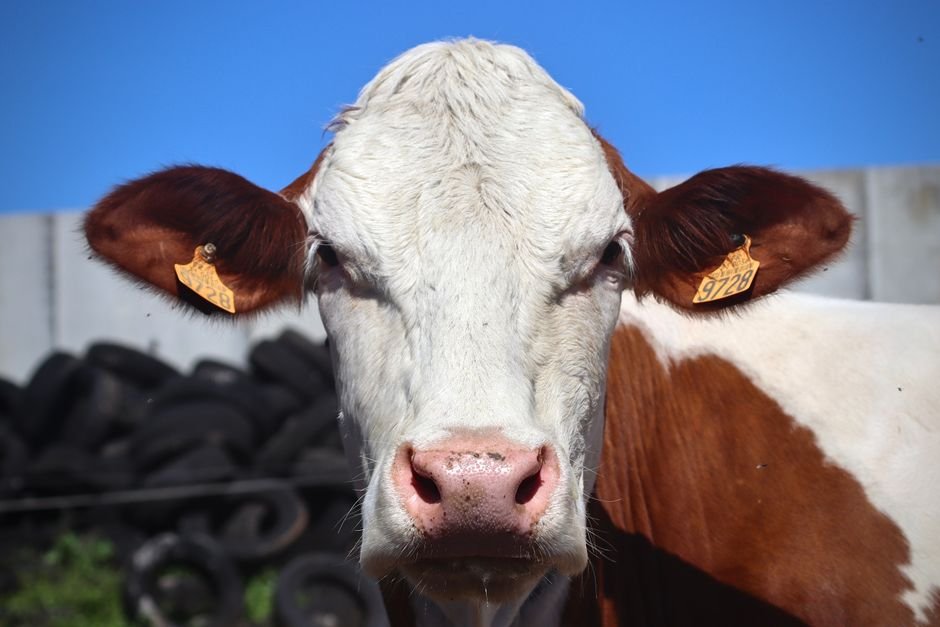
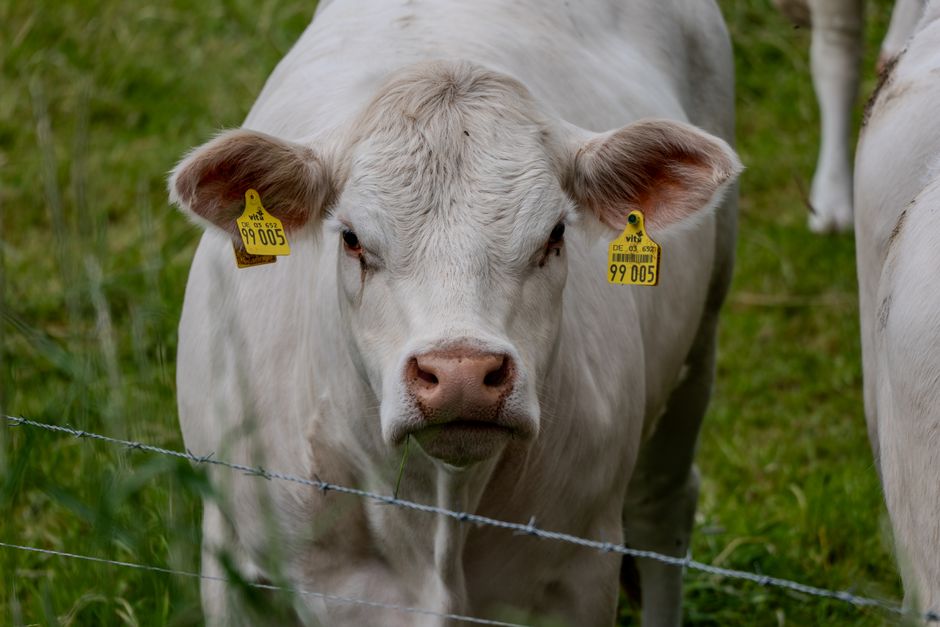
Ear tags are the most widely used identification method worldwide due to their ease of application and relatively low cost. Tags typically come in plastic or metal and can be visual, numeric, or electronic (RFID).
- Visual Tags: These are colored plastic or metal tags punched with an identification number or code. They offer quick visual identification but are prone to damage or loss over time. Some visual tags incorporate barcodes or QR codes that can be scanned with smartphones, enhancing data collection accuracy without expensive equipment.
- RFID Tags: Radio Frequency Identification tags embed a microchip readable by scanners, allowing for rapid and accurate identification without close inspection. They are more expensive but improve data management. High-frequency (HF) and ultra-high-frequency (UHF) RFID tags vary in read range and application suitability; for instance, UHF tags can be read at distances exceeding 10 meters, facilitating hands-off herd scanning.
Example: In the United States, the National Uniform Eartagging System (NUES) uses a standardized numbering system combined with RFID technology for traceability. Similarly, Australia’s National Livestock Identification System (NLIS) mandates RFID tags for cattle, enabling seamless tracking from farm to market.
Additionally, some ear tags now integrate sensors that monitor vital signs or environmental conditions, providing real-time health data alongside identification. These smart tags are gaining traction in precision livestock farming to preemptively detect illness or stress.
2. Branding
Branding is a traditional method involving burning or freezing a unique mark onto the cattle’s hide. While permanent and difficult to tamper with, branding can cause distress to the animal and is increasingly regulated or discouraged in some regions.
For more on this, see our related guide: Why Accurate Record Keeping is Essential for Small Cattle Operations.
- Hot Iron Branding: Applies a heated iron to the animal’s skin, creating a permanent scar. This method has been used for over a century in extensive grazing systems such as in the American West or South America. Although effective for ownership proof, it requires skilled operators to avoid excessive injury, and the pain inflicted has raised animal welfare concerns.
- Freeze Branding: Uses extreme cold to kill pigment-producing cells, resulting in a white hair patch in the branded area, which some consider less painful. Freeze branding tends to have a slower healing process but causes less tissue damage. It is preferred in welfare-conscious operations, often paired with tranquilization to minimize stress.
Branding remains popular in large extensive grazing operations where electronic scanning is impractical due to lack of infrastructure or challenging terrain. It also serves a dual function as a visible deterrent to theft, as branded cattle are less likely to be stolen or resold without detection.
3. Ear Notching and Tattoos
Less common today but still used in some operations, ear notching involves cutting small V-shaped notches in specific locations on the ear, each notch representing a number or code. This method is durable and requires no equipment beyond a sharp tool, but interpreting codes requires training and proximity.
Tattoos are inked markings inside the ear, often used in dairy cattle for permanent identification. Tattoo inks are typically applied with special tattoo pliers and can remain legible for many years if properly applied and maintained. European Union regulations often require tattoos for official identification of dairy cattle, complementing external tags.
Both methods are relatively low-cost and permanent but can be challenging to read from a distance, limiting their usefulness in large herds or open-range systems.
4. Neck Chains and Collars
For short-term or specialized identification, such as sorting cattle during events or experimental management, neck chains or collars with numbered plates can be effective. However, these are not permanent and can be lost or removed easily. Some collars now incorporate electronic devices, including RFID tags or GPS trackers, enabling temporary but precise monitoring during transport or research studies.
Collars can also serve dual purposes, such as providing access control in automated feeding systems or gathering behavioral data through integrated accelerometers. Despite these advantages, their use is generally limited to temporary identification due to risks of injury, loss, or interference with the animal’s normal behavior.
Technological Advances in Cattle Identification
Recent developments have introduced new tools to make identification more precise and data-driven.
If you’re also looking into this, our article on A Year of Raising Your First Cattle: From Arrival to Year-End Planning covers it in more detail.
RFID and Electronic Identification (EID)
RFID systems enable automatic detection and data capture when cattle pass a reader, reducing human error and speeding up record-keeping. Modern EID tags can store detailed information, including vaccination history and weight records. Integration with farm management software allows seamless updating of health, breeding, and production data.
Some operations use mobile RFID readers or automated sorting gates that identify animals as they pass, triggering tailored feeding or processing protocols. This technology supports precision livestock farming practices, increasing efficiency and reducing labor costs. Globally, RFID adoption is increasing; for instance, the European Union mandates electronic identification for cattle to improve disease control and traceability within the Single Market.
GPS Tracking Devices
Some farms use GPS-enabled collars or ear tags that monitor cattle location in real time. This is especially useful for large, remote herds to prevent losses and monitor grazing patterns. GPS tracking can reveal animal movement trends, pasture utilization, and early signs of illness through changes in behavior patterns.
Data collected from GPS devices can optimize rotational grazing strategies, reducing overgrazing and improving pasture health. Additionally, stolen or lost animals can be located quickly, minimizing financial losses. Certain systems also incorporate geo-fencing, alerting managers if cattle breach property boundaries.
Biometric Identification
A less common but emerging method involves identifying cattle based on physical characteristics such as muzzle prints, iris scans, or facial recognition software. These methods are non-invasive and permanent but require specialized equipment and software.

Muzzle print identification uses the unique pattern of ridges and creases on the nose, analogous to human fingerprints. Iris recognition, while more commonly used in wildlife monitoring, offers high accuracy but is more suited to controlled environments due to the need for close-range scanning.
Facial recognition software is advancing rapidly, using AI algorithms to identify individual cattle from images or videos, potentially enabling hands-off monitoring in barns or feedlots. These technologies are promising for large-scale operations aiming for high-tech herd management, although costs and technical expertise currently limit widespread adoption.
This ties in closely with Year-Round Cattle Care: Essential Management Tips for Every Season, worth a look if you want to go deeper.
How to Choose the Right Identification Method for Your Cattle
Choosing the best identification strategy depends on several factors:
- Herd Size: Larger herds benefit from electronic methods like RFID for fast and accurate data management, while smaller herds may use visual tags or branding. For example, a ranch with 1,000 head may find manual ear tagging cumbersome and inefficient compared to automated RFID readers.
- Budget: Consider the costs of tags, readers, and labor. Visual tags are cheapest upfront, but RFID systems may save money over time through efficiency. For instance, while an RFID ear tag may cost $3-$5 per animal, the savings in labor and improved data accuracy often justify the investment, particularly on commercial operations.
- Environment: Harsh climates or terrain may favor durable identification methods such as branding or high-quality RFID tags designed for rugged conditions. In humid, muddy environments, plastic ear tags may degrade faster, making metal tags or freeze branding more practical.
- Regulations: Many countries have mandatory identification systems for disease control and traceability. Ensure your method complies with local laws. Some regions require specific tag formats, or restrict the use of branding, so verify regulations before selecting a method.
- Animal Welfare: Consider pain and stress caused by the identification process. Freeze branding and electronic tags are generally less stressful than hot branding. Additionally, minimizing handling time and ensuring proper restraint during tagging reduces stress and injury risk.
- Longevity and Visibility: Depending on your operation’s needs, you might prioritize methods that remain legible for several years without fading or damage. For example, tattoos inside the ear are permanent but less visible, while ear tags are easily visible but may be lost.
Ultimately, many farmers use a combination of methods to balance these factors—for example, applying RFID ear tags for digital records alongside freeze branding for visible, permanent marks.
Step-by-Step Guide: How to Identification for Cattle Using Ear Tags
Ear tagging remains the most accessible and widely used method. Here is a practical guide to applying ear tags correctly:
- Prepare Equipment: Have your tags, applicator, disinfectant, gloves, and a restraining device ready. Also, ensure that your applicator is clean and functioning properly to avoid tag misfires.
- Choose Tag Type: Select the appropriate tag size and type (visual or RFID) depending on the cattle age and your farm system. Calves may require smaller, lighter tags to avoid discomfort.
- Restrain the Animal: Use a chute or headgate to safely immobilize the animal. Proper restraint reduces movement, preventing injury to both animal and handler.
- Clean the Ear: Disinfect the ear area to prevent infection. Use an alcohol wipe or antiseptic solution to clean the tagging site, reducing post-application complications.
- Placement: Apply the tag to the middle third of the ear between two cartilage ribs, avoiding blood vessels and edges to minimize tearing. The ear’s central area offers thicker tissue and better retention.
- Apply the Tag: Use the applicator to pierce the ear and secure the tag firmly. Ensure the male and female parts of the tag align correctly to prevent premature tag loss.
- Check the Tag: Ensure the tag is secure but not too tight to avoid discomfort or damage. The tag should move slightly but not pinch the ear.
- Record the Number: Immediately log the tag number with corresponding animal details in your records. Digital record-keeping software or mobile apps can streamline this process and reduce errors.
- Monitor Post-Application: Check the tagged animals periodically for signs of infection, irritation, or tag loss, especially within the first week after application.
Comparing Identification Methods: A Quick Reference Table
| Method | Durability | Cost | Animal Welfare Impact | Ease of Use | Best for |
|---|---|---|---|---|---|
| Visual Ear Tags | Medium (subject to loss/damage) | Low | Low | Easy | Small to medium herds |
| RFID Ear Tags | High | Medium to High | Low | Moderate (requires readers) | Large herds, traceability |
| Hot Iron Branding | Very High | Low to Medium | High (painful) | Moderate | Extensive ranching |
| Freeze Branding | High | Medium | Moderate (less painful) | Moderate | Ranches prioritizing welfare |
| Tattoos | High | Low | Low | Requires restraint and skill | Dairy cattle |
| GPS Collars | High | High | Low | Requires technological infrastructure | Large extensive herds |
| Biometric Identification | Very High | High | Very Low (non-invasive) | Complex | High-tech operations |
Common Mistakes When Identifying Cattle and How to Avoid Them
- Poor Tag Placement: Tags placed too close to ear edges or veins can cause tearing. Always apply in the middle third of the ear. Additionally, placing tags on the same ear for all animals in a herd improves consistency and ease of identification.
- Not Recording Information Promptly: Delays in logging tag numbers cause confusion. Record details immediately, preferably using digital tools with backup to reduce data loss.
- Using Incompatible Systems: Mixing different tag types or numbering systems can complicate record-keeping. Standardize numbering formats and tag types across your operation to streamline data management and compliance.
- Ignoring Animal Comfort: Rough handling or painful methods reduce welfare and may cause stress-related health issues. Use low-stress handling techniques and consider less invasive identification methods when possible.
- Failing to Inspect Regularly: Tags can be lost or damaged. Regular inspection avoids missing identification, enabling timely re-tagging or alternative identification if needed.
- Overlooking Environmental Factors: Not accounting for weather or terrain can lead to premature tag loss or damage. For example, tags used in wet, muddy conditions should be of sturdy design and resistant to fading.
- Inadequate Training: Untrained personnel may cause injury or improper tag application. Ensure staff are trained in correct techniques and understand the importance of accurate identification.
Conclusion: Applying Effective Cattle Identification for Your Farm
Knowing how to identification for cattle goes beyond simply tagging or branding. It requires a thoughtful approach that balances ease, cost, durability, and animal welfare. Whether you rely on traditional methods like branding or modern RFID technology, the key is consistency and accurate record-keeping to maintain herd health, comply with regulations, and optimize farm operations.
Start by evaluating the size of your herd, your budget, and legal requirements, then implement a system that meets your needs. Regularly review and update your identification methods as technology evolves and your farm grows. For example, as electronic identification technologies become more affordable and accessible, integrating them with herd management software can yield significant long-term benefits.
Ultimately, effective cattle identification supports not only operational efficiency but also animal welfare, biosecurity, and market competitiveness, forming a cornerstone of successful modern livestock farming.