
Why Accurate Identification for Cattle Matters
Efficient cattle identification is essential for managing a herd, tracking health records, breeding programs, and ensuring legal compliance. Without clear, reliable identification, farmers risk losing track of individual animals, which can lead to mismanagement, health issues, or theft. Identification also plays a key role in disease control programs, helping authorities trace and isolate outbreaks. This is particularly important in times of infectious disease threats such as bovine tuberculosis (TB) or foot-and-mouth disease, where rapid traceability can prevent widespread losses.
In addition to herd management and disease control, accurate identification supports market transparency and consumer confidence. Many countries now require traceability systems to meet food safety standards, allowing end consumers to verify the origin of their beef or dairy products. Governments also use identification data to monitor livestock movement, control exports, and enforce quarantine regulations.
In this article, we’ll explore five common cattle identification methods, outlining their advantages, disadvantages, and practical examples. This targeted approach helps you choose the best option tailored to your farm’s size, resources, and goals, while also considering local regulations and industry standards.
1. Ear Tags: The Most Widely Used Identification Method
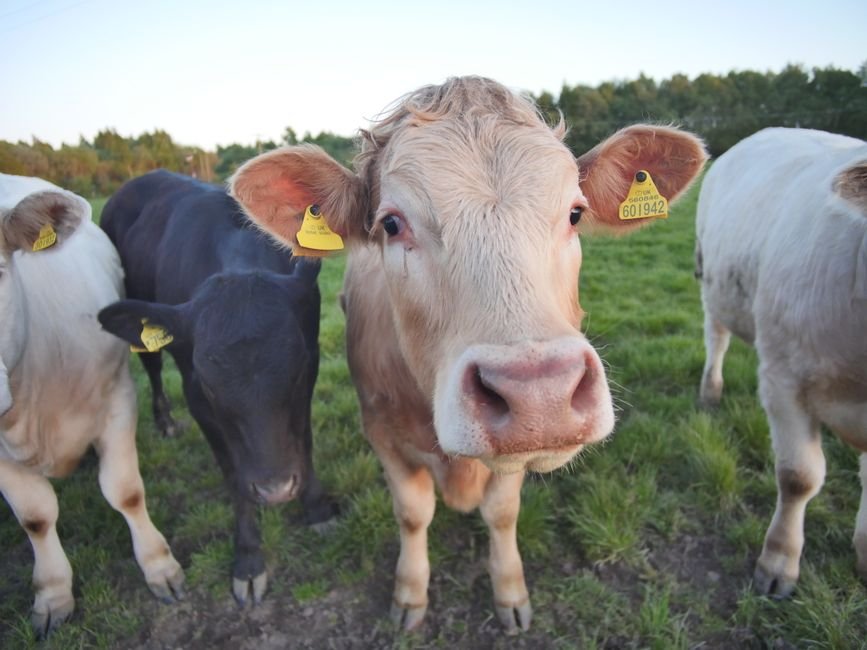
Description: Ear tags are small plastic or metal tags attached to the animal’s ear, often printed with a unique number or code. They can also include barcodes or RFID chips. The tags are typically applied shortly after birth or upon arrival to the farm, making them a first line of identification for many cattle operations worldwide.
Types of Ear Tags
- Visual Tags: Printed with large numbers or colors for easy human reading. These can be single or double tags, with some featuring reflective surfaces to enhance visibility at night or in low-light conditions.
- RFID Tags: Embedded with radio frequency identification chips for electronic scanning and data storage. These tags allow for quick automated reading without the need for physical contact, facilitating faster processing at auctions or veterinary checks.
Advantages
- Cost-effective: Basic visual tags cost as low as $0.20 per tag, making them accessible for small and large-scale operations alike. Bulk purchasing can reduce costs further.
- Easy to apply and replace: Most tags come with applicators designed for quick attachment, minimizing handling time and stress on animals.
- Supports electronic data management with RFID: Enables seamless integration with herd management software, allowing real-time updates on animal health, breeding status, and weight changes.
- Non-invasive and causes minimal discomfort when correctly applied: Proper training on tag placement reduces the risk of ear damage or infection.
Disadvantages
- Tags can be lost or torn off, especially in older, horned cattle or during aggressive behaviors like mounting or fighting. Some studies report tag loss rates of up to 20% per year in certain herds.
- Visual tags can fade or become unreadable over time due to sun exposure, mud, or wear, potentially compromising identification accuracy.
- RFID readers require investment in scanning equipment; costs for handheld readers range from $200 to over $1,000, which might be a barrier for smaller farms.
- Environmental factors such as dirt, moisture, or tag orientation can affect RFID signal reliability, necessitating proper maintenance and periodic testing.
Practical Example
A mid-sized beef farm in Texas uses color-coded RFID ear tags to track calving dates, weight gains, and vaccination history, improving herd health monitoring and record accuracy. The farm integrated RFID readers at feeding stations, allowing automated data capture without the need for labor-intensive manual recording. This system reduced labor costs by 30% and improved early detection of illnesses such as bovine respiratory disease by cross-referencing feed intake data with health records.
For more on this, see our related guide: Mastering Cattle Behavior and Handling for Safer, More Efficient Farming.
2. Branding: Traditional Permanent Identification
Description: Branding marks the animal’s hide with a heated iron (hot branding) or cold freeze brand using liquid nitrogen. Brands are unique symbols registered with local agricultural authorities to establish ownership and aid in theft prevention. Branding has been a cornerstone of cattle identification for centuries, particularly in large open-range ranching systems.

Types of Branding
- Hot Iron Branding: Burns a permanent scar on the hide by applying a heated metal stamp. The scar forms as hair follicles and skin layers are destroyed.
- Freeze Branding: Destroys pigment-producing cells using a super-cooled iron with liquid nitrogen or dry ice, resulting in white hair growth in the branded area. This method is considered less painful and causes less damage to the hide.
Advantages
- Highly visible and permanent, lasting the animal’s lifetime, which is especially valuable for long-lived breeding stock.
- Deters theft due to difficulty of altering or removing brands without causing noticeable damage.
- Freeze branding causes less pain and skin damage than hot branding and provides a clear contrast on darker hides, making identification easier.
- Traditional brands carry cultural significance in many ranching communities, fostering a sense of identity and heritage.
Disadvantages
- Hot branding is painful and can cause stress or infection if not done properly; animal welfare concerns are increasingly leading to scrutiny and regulation of this practice.
- Freeze branding requires specialized equipment and skill, as improper technique can result in poor visibility or incomplete branding.
- Visibility can be limited on dark hides or in certain lighting conditions, making quick identification challenging without close inspection.
- Brands are static and offer no additional data beyond ownership marking, limiting their usefulness in modern herd health or production tracking.
Practical Example
Ranchers in the western U.S. often use registered hot iron brands on the left hip to prove herd ownership, which can be verified during cattle sales or roundups. Some large ranches combine branding with electronic tagging to balance the permanence of brands with the data capabilities of modern technology. For example, the legendary X Lazy Y Ranch in Montana uses hot branding for theft deterrence and RFID ear tags for health and breeding records, exemplifying a hybrid approach.
3. RFID Electronic Identification: Modern High-Tech Tracking
Description: Radio Frequency Identification (RFID) uses passive or active microchips implanted under the skin or embedded in ear tags to electronically store and transmit unique ID numbers. This technology allows for rapid, automated identification of individual animals without the need for manual reading.
Advantages
- Enables automated data capture at feedlots, auctions, and checkpoints, significantly reducing time and labor spent on manual ID recording.
- Reduces human error in record keeping by minimizing reliance on visual confirmation or manual entry.
- Supports integration with farm management software for health, breeding tracking, and performance analytics, enabling data-driven decision making.
- Some systems use active RFID tags with battery power to increase read range up to 100 meters, facilitating remote monitoring capabilities.
- RFID data can be linked with other sensor technologies such as temperature monitors or pedometers to provide comprehensive animal health surveillance.
Disadvantages
- Higher upfront cost: RFID tags range from $5 to $15 each, with readers and software adding additional expenses; initial investment may be significant for smaller operations.
- Requires compatible readers and software systems that may have ongoing licensing fees or require technical support.
- Implantation may require veterinary assistance, especially for injectable RFID devices, increasing labor and veterinary costs.
- Environmental factors such as metal structures or water can interfere with RFID signals, necessitating site-specific equipment calibration.
- Technology adoption requires farmer training to fully utilize data benefits and troubleshoot system issues.
Practical Example
A large dairy operation in Wisconsin uses RFID implants in addition to ear tags to monitor milk production by individual cows, optimizing feeding schedules and detecting early signs of illness such as mastitis. By integrating RFID data with milking parlor software, they identified that cows with reduced milk yields also showed decreased activity levels as recorded by collar sensors, facilitating early intervention that improved herd health and milk quality. This system has contributed to a 12% increase in overall milk production efficiency over five years.
If you’re also looking into this, our article on The Essential Guide to Understanding Cattle Registration Certificates covers it in more detail.
4. Neck Chains and Collars: Visual and Functional Identification
Description: Metal or plastic neck chains and collars often carry numbered or color-coded plates. Some collars incorporate GPS or activity sensors, enabling advanced monitoring of animal location and behavior beyond basic identification.
Advantages
- Highly visible from a distance, allowing for quick visual identification without close animal handling, which can improve safety and efficiency.
- Non-invasive and adjustable as the animal grows, accommodating changes in size without causing discomfort.
- Collars with technology can provide real-time tracking and behavior monitoring, such as grazing patterns, rumination, or heat detection, supporting precision livestock farming.
- GPS-enabled collars help manage large or remote pastures by reducing the need for manual checking and enabling rapid location of lost or injured cattle.
Disadvantages
- Can get caught on fences, trees, or vegetation, causing injury or loss of the collar. This risk increases in rugged or heavily wooded terrain.
- May be removed or lost by the animal, especially during aggressive interactions or if the fit is not properly adjusted.
- Requires regular inspection and maintenance to ensure collars remain functional and safe, increasing labor demands.
- Collar batteries need periodic recharging or replacement, necessitating ongoing management and cost.
- Some animals may exhibit behavioral changes or irritation when first fitted with collars, necessitating acclimatization periods.
Practical Example
In rotational grazing systems, some farmers use GPS collars to monitor grazing patterns and optimize pasture use. For instance, a New Zealand sheep and cattle farm employs GPS collars that record location data every 30 minutes, enabling managers to identify preferred grazing areas and avoid overgrazing. Colored neck tags help workers quickly identify animals during handling, especially in large herds exceeding 500 head, reducing time and labor during routine management tasks such as vaccinations or sorting.
5. Tattooing: Permanent, Low-Visibility Identification
Description: Tattooing involves injecting ink into the inner surface of the ear or lip, producing permanent numbers or letters. While less visible than other methods, tattoos serve as a reliable backup form of identification, particularly useful when external tags are lost or damaged.

Advantages
- Permanent and tamper-proof; once applied, tattoos are difficult to alter without detection.
- Low cost and minimal equipment needed; tattoo kits are affordable and reusable.
- Useful as a backup ID alongside other methods like ear tags, ensuring continuity of identification throughout the animal’s life.
- Compliance with breed association requirements in some dairy and beef sectors, where tattooing is mandatory for pedigree registration.
Disadvantages
- Not easily visible from a distance, requiring close inspection to read; this limits utility for quick field identification.
- Requires close inspection for reading, often needing a good light source and clean ears for effective visibility.
- Can fade over many years, especially in older animals or if tattoo ink quality is poor, necessitating periodic reapplication for lifelong accuracy.
- Some animals experience mild discomfort during tattooing, requiring careful technique to minimize stress.
Practical Example
Dairy farms often tattoo calves on the inside of the ear soon after birth. This provides a permanent record that can be cross-checked during milking or veterinary visits. For example, a family-run dairy in Vermont uses tattooing combined with electronic ear tags to meet state traceability requirements and association standards while retaining a durable physical ID. This dual system reduces errors during calf rearing and helps track lineage for genetic improvement programs.
This ties in closely with Essential Cattle Terminology: A Beginner’s Guide to Understanding and Managing Your Herd, worth a look if you want to go deeper.
Comparing Identification Methods
| Method | Visibility | Durability | Cost per Animal | Ease of Application | Technology Integration |
|---|---|---|---|---|---|
| Ear Tags (Visual) | High | Moderate (2-5 years) | $0.20 – $1.00 | Easy | Low |
| Ear Tags (RFID) | Medium | Moderate (2-5 years) | $5 – $15 | Easy | High |
| Hot Branding | Medium | Permanent | $10 – $20 (equipment amortized) | Requires skill | None |
| Freeze Branding | Medium | Permanent | $15 – $30 (equipment and liquid nitrogen) | Requires skill | None |
| Neck Chains/Collars | High | Variable (can be lost) | $2 – $50+ (depending on tech) | Easy | Optional (GPS) |
| Tattooing | Low | Permanent | Less than $1 | Moderate | None |
Choosing the Right Identification Method for Your Herd
The best identification method depends on your farm size, budget, and management goals. Additionally, local regulations and industry requirements often dictate minimum standards for cattle identification, so it’s important to stay informed about your region’s laws.
- Small farms: Simple visual ear tags combined with tattooing can be effective and affordable. For instance, a small organic dairy in Maine relies on inexpensive color-coded tags for daily management and tattoos for official records, balancing ease of use with compliance.
- Mid-sized operations: RFID ear tags give more precise data and streamline record-keeping. Farms with 100–500 head often benefit from the automated data capabilities, improving breeding decisions and health monitoring without overwhelming labor requirements.
- Large commercial farms: Combining RFID, freeze branding, and GPS tracking collars can optimize management and security. Multi-location feedlot operations may use RFID for rapid identification, freeze branding for theft deterrence, and GPS collars to manage grazing on extensive pastures.
- Ranchers prioritizing theft prevention: Permanent branding remains a preferred choice, especially in open-range environments where electronic devices risk damage or loss. In such cases, combining branding with RFID or ear tags provides both security and data functionality.
Regardless of the method(s) chosen, maintaining accurate records and regularly inspecting identification devices or marks is critical. Tag loss rates should be monitored and replacement protocols established to avoid identification gaps. Always register brands or IDs according to local agricultural regulations to protect your herd legally. Additionally, training farm staff on proper application, maintenance, and reading of identification systems enhances accuracy and animal welfare.
In summary, advances in technology have expanded cattle identification options beyond traditional methods, enabling farmers to tailor solutions to their specific operational needs. Combining multiple identification techniques often delivers the best balance of permanence, visibility, and data capabilities, supporting improved herd management, traceability, and profitability.