
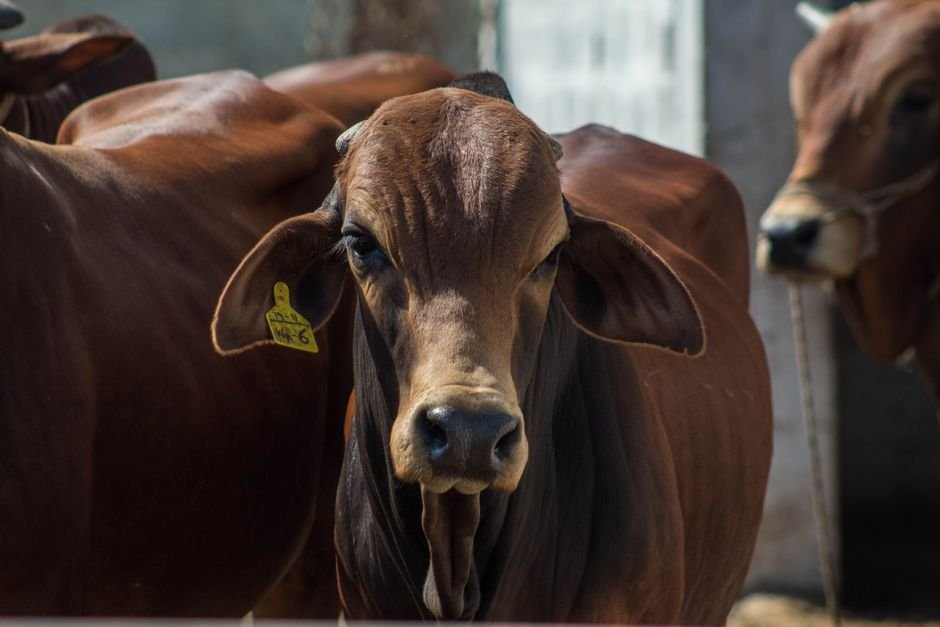
Introduction to Age and Sex Organization on Cattle Farms
Proper organization of cattle based on age and sex is crucial for efficient farm management. Segregating animals by these criteria helps streamline feeding, breeding programs, health monitoring, and housing allocation. Without a clear system, farms risk mismanagement, uneven growth rates, and increased disease transmission. This checklist provides a practical framework to categorize and manage cattle by age and sex, ensuring each group receives tailored care for optimal productivity.
Beyond the basic operational benefits, age and sex organization also plays a vital role in meeting animal welfare standards and complying with regulatory requirements. For example, certain animal health protocols and welfare certifications mandate specific handling and housing conditions depending on age and sex. Furthermore, organized grouping can contribute to accurate performance tracking and benchmarking, enabling farmers to make data-driven decisions that enhance profitability and sustainability.
Why Age and Sex Matter on a Cattle Farm
Knowing the age and sex of your cattle enables targeted decisions in several key areas:
- Nutrition: Calves have different nutritional needs than mature cows or bulls. For instance, young calves need high-quality colostrum within the first 24 hours of life to build immunity, while mature bulls require energy-dense feeds to maintain muscle mass and fertility.
- Health management: Young stock require vaccinations and parasite control distinct from adults. Calves are particularly vulnerable to diseases such as bovine respiratory disease complex (BRDC), necessitating timing vaccinations carefully. Adult cows, especially those lactating, require regular mastitis checks and mineral supplementation.
- Breeding: Separating bulls from cows except during controlled breeding seasons reduces injury and unwanted pregnancies. Age also determines breeding readiness, as heifers typically reach puberty between 12-15 months depending on breed and nutrition, requiring careful timing of first breeding.
- Space allocation: Different age and sex groups require separate housing or pasture areas to reduce stress and competition. For example, mixing aggressive bulls with heifers can cause injuries, and overcrowding young calves can increase disease transmission.
Moreover, organized grouping facilitates easier management during critical periods such as calving season, when separating pregnant cows from the general herd allows for better monitoring and reduces calf mortality rates. In regions prone to extreme weather, housing vulnerable age groups separately ensures appropriate shelter and environmental control.
Step-by-Step Cattle Farm Checklist for Age and Sex Management
1. Identification and Record-Keeping
Start by accurately identifying each animal’s age and sex, then maintain detailed records.
- Age determination: Use birth records or, if unknown, tooth eruption patterns and horn development to estimate age. For example, the eruption of the first pair of permanent incisors occurs around 18 months, offering a reliable age marker. In the absence of records, condition of the dentition combined with body conformation gives a good estimate.
- Sex identification: Observe physical characteristics—males have visible testicles; females have udders and vulva. In some cases, ambiguous genitalia or intersex conditions may require veterinary confirmation.
- Tagging: Use numbered ear tags or RFID tags linked to farm management software to track individual data. RFID tags enable real-time tracking and can integrate with automated feeding or milking systems, improving data accuracy.
- Database management: Maintain updated digital or manual logs detailing each animal’s age, sex, health treatments, and breeding status. Consider using cloud-based herd management platforms with mobile apps that allow real-time data input during field operations.
In addition to basic identification, record-keeping should include traits like breed, genetic lineage, and performance data such as growth rates or milk yields. This holistic data supports selective breeding and culling decisions tailored to farm objectives.
2. Age Group Classification
Divide cattle into practical age groups for targeted care.
For more on this, see our related guide: Mastering Cattle Behavior and Handling for Safer, More Efficient Farming.
| Age Group | Age Range | Typical Characteristics | Management Focus |
|---|---|---|---|
| Calves | 0 to 6 months | High dependency, milk-fed transitioning to solids | Colostrum feeding, vaccinations, weaning |
| Weaned Calves | 6 to 12 months | Growing, developing rumen function | Balanced nutrition, deworming, growth monitoring |
| Yearlings | 12 to 24 months | Near sexual maturity | Health checks, breeding prep, castration if needed |
| Adults | Over 24 months | Fully mature, breeding or production phase | Breeding management, lactation support, general health |
These age groups can be refined further based on breed and production system. For dairy operations, first-lactation heifers may be managed separately from mature cows to optimize feeding and health monitoring. In beef systems, classifications may include specific finishing phases to maximize growth efficiency.
Management focus varies widely: for example, calves under 6 months require careful monitoring for diarrhea and pneumonia, leading causes of mortality in this group. Yearlings, on the other hand, benefit from vaccinations against respiratory and clostridial diseases as well as nutritional adjustments preparing them for breeding or finishing.
3. Sex-Based Segregation
Organize cattle by sex within age groups to improve safety and management efficiency.
- Bulls: Keep mature bulls separately, ideally in secure paddocks, to control breeding and reduce aggression. Bulls can exhibit territorial behavior causing serious injury to other animals and handlers. For instance, daily exercise outside enclosures helps reduce stress and maintain fitness.
- Heifers and Cows: Group females by reproductive status: pregnant, lactating, or dry. Pregnant cows benefit from reduced stress and specialized nutrition to support fetal development, while lactating cows require energy-dense diets to sustain milk production.
- Steers: Castrated males can be housed with females or other steers, depending on temperament and farm layout. Steers typically have more docile behavior, but grouping should still consider size and age to minimize bullying.
Sex segregation also facilitates targeted management interventions such as artificial insemination (AI) programs or synchronized breeding cycles. For example, heifers can be grouped together during estrus synchronization protocols to enhance success rates.
4. Physical Facilities and Pasture Allocation
Match facilities and pasture areas to the needs of each age-sex group.
- Calves and weanlings need sheltered, predator-secure housing with soft bedding and easy access to water. Facilities should be designed to permit adequate ventilation while maintaining warmth, as calves are particularly susceptible to chilling stresses. For example, calf hutches or group pens with windbreaks are commonly used.
- Yearlings and steers require medium-strength fencing to prevent escapes and injuries. Fence height of 1.2-1.4 meters with smooth wire or electric fencing is generally effective. Pasture quality should support rapid growth, with rotational grazing to optimize forage availability.
- Mature bulls require strong, reinforced enclosures due to their size and strength. Concrete or heavy-duty steel fencing is advisable, with secure gates and lock systems to prevent escapes and ensure handler safety.
- Separate grazing areas for bulls, cows, and young stock help reduce stress and competition. For instance, rotational grazing management can allocate high-quality pastures to lactating cows while assigning lower-quality forage paddocks to dry cows or bulls, optimizing nutritional efficiency.
Additional considerations include access to shade and clean water sources in all paddocks, as heat stress can significantly reduce feed intake and reproductive performance. In cold climates, windbreaks and insulated shelters are critical for young calves and lactating cows.
If you’re also looking into this, our article on A Year of Raising Your First Cattle: From Arrival to Year-End Planning covers it in more detail.

5. Feeding Regimens Based on Age and Sex
Optimize feed types and quantities to the specific stages and sexes of your cattle.
| Group | Feed Type | Daily Intake (kg dry matter) | Notes |
|---|---|---|---|
| Calves (0-6 months) | Milk replacer, starter grain, hay | 2-4 kg (starter + hay) | Gradually wean off milk by 8 weeks |
| Weaned Calves (6-12 months) | High-protein grain, pasture | 4-6 kg | Support rapid growth, monitor weight |
| Yearlings (12-24 months) | Pasture, balanced concentrate | 7-10 kg | Prepare for breeding; maintain condition score 3.0-3.5 |
| Mature Bulls | High-energy feed, minerals | 10-15 kg | Maintain condition; avoid obesity |
| Cows (Lactating) | High-quality forage, grain supplement | 12-18 kg | Support milk production and calf growth |
Feed formulation should consider not only crude protein and energy levels but also mineral balance and digestibility. For example, calcium and phosphorus ratios are particularly important in lactating cows to prevent metabolic disorders such as milk fever. Trace minerals like selenium and zinc support immune function across all groups.
Feeding frequency and delivery methods also matter: calves benefit from multiple small feedings to mimic natural nursing behavior, while mature animals can be fed once or twice daily. Automated feeders and precision nutrition systems are increasingly popular for delivering individualized rations based on animal weight and physiological status.
6. Health and Breeding Checks by Age and Sex
Implement routine health inspections and breeding controls focused on each group’s vulnerabilities and roles.
- Calves: Ensure vaccinations for respiratory and clostridial diseases at 4-6 weeks. Additionally, monitor for common neonatal issues such as scours (diarrhea) and ensure timely treatment to reduce mortality.
- Heifers: Conduct reproductive tract exams at 12-15 months before first breeding. Evaluate body condition score (BCS) and delay breeding if animals are underweight or immature to optimize pregnancy rates and calving ease.
- Bulls: Annual fertility testing and physical exams. Semen analysis and libido testing ensure only fertile bulls are used, reducing wasted breeding efforts. Monitor for lameness or injury, which can impair breeding performance.
- Cows: Pregnancy diagnosis at 30-60 days post-breeding; monitor for calving complications such as dystocia. Postpartum health checks include uterine involution assessment and mastitis screening to maintain reproductive efficiency.
Implement biosecurity protocols tailored to age and sex groups to minimize disease transmission. For instance, quarantine new arrivals separately and schedule health checks to reduce cross-contamination between younger and older stock.
7. Record Audit and Continuous Improvement
Regularly review your records to identify trends or issues linked to age and sex groups and adjust management accordingly.
This ties in closely with The Essential Guide to Understanding Cattle Registration Certificates, worth a look if you want to go deeper.
- Track growth rates by age and sex to evaluate nutrition adequacy. Benchmark performance against breed standards and historical farm data to identify underperforming groups.
- Monitor reproductive success rates across sexes and age classes. Use pregnancy rates, calving intervals, and calf survival rates to assess breeding program effectiveness.
- Analyze health event patterns, such as parasite outbreaks more common in young stock. Adapt parasite control programs seasonally and adjust anthelmintic protocols to prevent resistance.
- Refine grouping strategies based on observed behavior and productivity outcomes. For example, if aggression is noted in mixed groups, consider further segregation or environmental enrichment.
Data-driven reviews can facilitate investment decisions such as upgrading facilities or adjusting herd composition. Additionally, engaging with extension services or veterinary consultants during audits ensures alignment with best practices and emerging research.
Common Mistakes in Age and Sex Sorting and How to Avoid Them
- Ignoring Mixed-Age Housing: Mixing calves with adult cattle risks injury and stunted growth; always keep young stock separate. For example, adults may unintentionally trample calves, or compete aggressively for feed, leading to insufficient nutrition in young animals.
- Insufficient Bull Management: Allowing bulls to roam freely with cows year-round leads to uncontrolled breeding and aggressive encounters. This not only disrupts herd genetics but also increases risk of injury to other animals and handlers. Implement controlled breeding seasons and maintain detailed breeding records.
- Failure to Update Records: Outdated or missing records create confusion, leading to misfeeding or missed health treatments. Establish routine data entry schedules and backups to prevent loss. Train staff regularly on the importance of accurate record-keeping.
- Overcrowding Groups: Excessive stocking density by age or sex increases stress and disease spread; respect recommended space allowances. For example, calves require a minimum of 2-3 square meters per head in housing, while bulls need even larger paddocks due to their size and behavior.
Other common pitfalls include neglecting to adjust management for seasonal changes, such as increased nutritional needs during winter or heat stress mitigation in summer, and failing to monitor for subtle behavioral indicators of distress or illness that often vary by age and sex.
Summary Table: Key Management Actions by Age and Sex Group
| Group | Housing | Feeding | Health Focus | Breeding |
|---|---|---|---|---|
| Calves (0-6 mo) | Separate pens with warmth | Milk, starter grain | Vaccinations, deworming | Not applicable |
| Weaned Calves (6-12 mo) | Group pens or paddocks | High-protein feed | Parasite control | Not applicable |
| Yearlings (12-24 mo) | Separate groups by sex | Balanced ration | Growth monitoring | Breeding prep (heifers) |
| Bulls (adult) | Secure paddocks | Energy-dense feed | Fertility checks | Controlled breeding |
| Cows (adult females) | Group by reproductive stage | High-quality forage | Pregnancy and calving care | Active breeding |
This concise overview helps farm managers quickly align operational tasks with the specific needs of each group, ensuring that day-to-day activities are efficient and welfare-oriented.
Conclusion
Adopting a structured checklist for organizing cattle by age and sex enables farm managers to optimize nutrition, health, and breeding outcomes. By accurately identifying groups, maintaining clear records, and providing tailored care and facilities, farms enhance productivity and animal welfare. Regular audits ensure that management strategies remain aligned with farm goals and animal needs.
Ultimately, age and sex organization is not just a management convenience but a cornerstone of sustainable cattle farming. It supports genetic improvement programs, minimizes disease risks, and ensures that animals reach their full production potential in a healthy and humane environment. Continuous education, investment in infrastructure, and embracing technology like automated record-keeping and precision feeding systems will further enhance these benefits, positioning cattle operations for long-term success.