
Introduction to Age and Sex Management on Cattle Farms
Effective cattle farming demands precise knowledge of each animal’s age and sex. These two parameters impact breeding schedules, nutrition, herd health, and overall productivity. A comprehensive checklist serves as a foundation for organized record-keeping and targeted farm management strategies. This article provides a detailed cattle farm checklist explicitly designed to streamline age and sex tracking on your farm, ensuring optimal decision-making for herd growth and profitability.
Why Age and Sex Matter in Cattle Management
Understanding the age and sex of cattle influences numerous operational aspects:
- Nutrition: Calves, heifers, steers, and mature bulls have different dietary needs.
- Breeding: Properly timing breeding cycles and managing bull-to-cow ratios depend on accurate age and sex data.
- Health Monitoring: Disease susceptibility varies with age and sex; for example, younger calves are vulnerable to scours, while bulls may have different parasitic risks.
- Market Value: Age and sex affect market readiness and price expectations.
Moreover, sex-based physiological differences affect management decisions. For instance, bulls generally require more space due to aggressive behavior and territorial instincts, which impact housing design. Females, especially lactating cows, have increased water and mineral requirements to support milk production. Age also determines an animal’s immune system maturity, influencing vaccination protocols and biosecurity measures.
Furthermore, regulatory compliance often demands precise records of age and sex, particularly for traceability and disease control programs like bovine tuberculosis or brucellosis monitoring. Governments and industry bodies may require producers to submit these records during inspections or for export certification, emphasizing the practical importance beyond internal herd management.
Core Elements of the Cattle Farm Checklist for Age and Sex
This checklist includes critical data points and practices to track age and sex effectively on your cattle farm:
1. Identification and Tagging
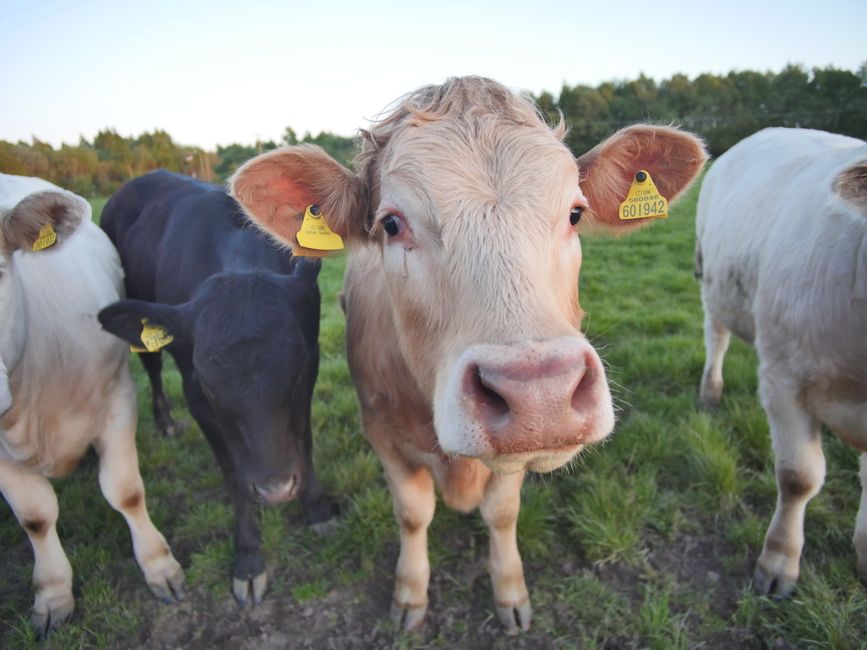
- Ear Tagging: Use numbered or color-coded ear tags indicating sex and birth year. For example, blue tags for bulls, red for cows, and green for steers.
- RFID Tags: For larger operations, RFID tags provide electronic tracking, simplifying data collection related to age and sex.
- Visual Markers: Use paint codes or neck collars in addition to tags for temporary identification during sorting or health treatments.
Beyond basic tagging, consider incorporating dual identification methods such as freeze branding or tattooing as permanent markers, especially for animals that may lose ear tags. Freeze branding, which involves applying extreme cold to create a hairless, white mark, allows for non-invasive yet lasting identification visible from a distance. This method enhances age and sex verification during mustering or sales.
Color-coding can be standardized across the farm to convey additional information—for example, yellow tags could indicate animals born during a specific calving season, or orange tags for animals with special health considerations. Integrating such nuances into the tagging system facilitates rapid decision-making during daily operations.
Incorporating barcodes or QR codes on tags linked to digital records creates a seamless connection between physical identification and electronic databases, enabling quick access to an animal’s age, sex, health history, and breeding status via handheld scanners or smartphone apps.
2. Birth Date Recording
- Record the exact birth date or estimate within a week’s range for calves.
- Keep a central logbook or digital database updated with birth dates; this enables age-specific care and breeding timing.
Accurate birth date recording is critical not only for developmental milestones but also for calculating weaning dates, vaccination schedules, and determining eligibility for government assistance or breed registry programs. For example, in purebred cattle operations, precise birth dates affect eligibility for shows, sales, and genetic evaluations.
To improve accuracy, some farms deploy calving alarms, such as activity monitors or temperature sensors on pregnant cows, which alert staff to imminent births, enhancing the chance to record exact dates. Alternatively, remote cameras or video surveillance in calving paddocks can aid in monitoring and verifying birth times.
For farms unable to observe calving directly, standardized age estimation techniques such as examining tooth eruption patterns and body size measurements provide valuable approximations. Detailed guides that correlate dental stages with age in months can assist farm workers in estimating ages within 1-2 months accuracy.
3. Sex Determination and Classification
- Classify animals as bulls, cows, heifers (females that haven’t calved), steers (castrated males), or calves.
- Note any anomalies or intersex conditions for veterinary monitoring.
Correct sex classification is essential for managing breeding programs and feed allocation. For instance, heifers require careful monitoring to ensure they reach puberty and breeding readiness at optimal weights and ages, typically around 12 to 15 months. Meanwhile, steers generally have different market windows and nutritional plans due to castration effects on growth and temperament.
Intersex or ambiguous sex conditions, although rare, should be documented with veterinary input, as they may require special handling or removal from breeding programs. Such records also contribute to genetic management by avoiding propagation of undesirable traits.
In some breeds, secondary sexual characteristics such as horn development or body conformation provide additional confirmation of sex and maturity stage. For example, mature bulls often develop pronounced muscle mass and crest formation not present in steers or cows.
For more on this, see our related guide: How to Choose the Right Land and Acreage for Cattle Farming.
4. Age Group Segmentation
Divide your herd into manageable age groups for targeted management:
- Calves: From birth to 6 months
- Weaners: 6 to 12 months
- Yearlings: 12 to 24 months
- Adults: Over 24 months
Segmentation allows for tailored nutrition, health protocols, and social groupings. For example, calves require highly digestible feeds and immunization against neonatal diseases, while weaners transition to forage-based diets supplemented with protein and minerals to support rapid growth. Yearlings may be targeted for pre-breeding development, including specific vaccinations and body condition scoring.
Within adult cattle, further subdivision into lactating cows, dry cows, and mature bulls improves the precision of management interventions. Lactating cows, for instance, have higher energy demands and require close monitoring to prevent metabolic disorders such as ketosis or hypocalcemia.
Age group segmentation also facilitates workload planning and resource allocation. For example, labor-intensive calf feeding and health checks focus on younger age groups during calving season, while pasture rotations prioritize mature cows during dry periods.
5. Breeding and Reproductive Status
- Track first calving age (usually 2 years for heifers).
- Record bulls’ breeding capacity and age (typically mature at 1.5 – 2 years).
- Monitor reproductive cycles for cows and heifers, noting any fertility issues.
Maintaining detailed reproductive records ensures efficient herd replacement and genetic progress. For example, tracking the age at first calving helps identify heifers that require additional growth or management changes to meet breeding targets. Delays in first calving can reduce lifetime productivity and profitability.
In bulls, breeding soundness evaluations (BSE) conducted annually or before the breeding season assess semen quality, libido, and physical health. Documenting BSE results alongside age and breeding activity informs decisions on bull retention or replacement, helping maintain high conception rates.
Cows’ reproductive cycles can be monitored through heat detection aids such as activity trackers, tail paint, or manual observation. Recording estrus dates, breeding attempts, and pregnancy status supports timely interventions for non-cycling or repeat-breeding animals.
Additional reproductive data such as calving intervals, dystocia incidents, and calf survival rates provide insight into cow fertility and overall herd reproductive efficiency. This data enables targeted culling or veterinary attention to optimize herd performance.
6. Health and Vaccination Records by Age and Sex
- Maintain vaccination schedules tailored to age groups and sex-specific risks (e.g., brucellosis vaccinations typically for females).
- Record treatments for common diseases by age and sex profile.
Health management protocols vary considerably based on cattle age and sex. Calves require early vaccinations against diseases such as bovine viral diarrhea (BVD), infectious bovine rhinotracheitis (IBR), and clostridial infections, often administered within the first few weeks of life. Females may receive brucellosis vaccinations post-weaning to prevent herd-level reproductive losses, while bulls require regular deworming to maintain fertility and physical condition.
It is critical to track the timing and type of vaccinations, boosters, and treatments to ensure compliance with veterinary recommendations and maximize immunity. For example, boosters for leptospirosis and tick-borne diseases are often scheduled seasonally and may differ in protocol depending on the sex and breeding status of the animal.
Recording adverse reactions to vaccines or treatments by sex and age group helps identify potential sensitivities or health risks within specific cohorts. Additionally, monitoring common ailments such as respiratory disease in calves, lameness in yearlings, or mastitis in lactating cows enables prompt intervention and reduces economic losses.
Integrating health data with age and sex information supports proactive herd health planning, including quarantine procedures for new or returning animals, and informs biosecurity efforts to prevent disease outbreaks.
Sample Cattle Age and Sex Tracking Table
| Animal ID | Sex | Birth Date | Age Group | Reproductive Status | Health Notes |
|---|---|---|---|---|---|
| 001 | Heifer | 2022-03-15 | Weaner (13 months) | Not bred | Vaccinated for BVD |
| 002 | Bull | 2020-11-10 | Adult (3.5 years) | Active breeder | Regular deworming |
| 003 | Cow | 2019-05-22 | Adult (4.8 years) | 2nd calving | Good body condition |
Implementing Your Checklist: Practical Tips
Use Digital Tools
Software like CattleMax or AgriWebb allows you to input sex and age data, schedule breeding, track health records, and generate reports. Digital records enhance accuracy and reduce manual errors.
If you’re also looking into this, our article on Mastering Cattle Behavior and Handling for Safer, More Efficient Farming covers it in more detail.
In addition to commercial software, some farms use customizable spreadsheets or open-source herd management platforms that integrate with mobile apps for field data entry. These systems enable real-time updates during cattle handling, reducing delays and transcription errors. Integration with GPS and weighing scales can enrich data quality by linking location and growth performance to age and sex categories.
Cloud-based solutions facilitate data sharing with veterinarians, nutritionists, and extension agents, enabling collaborative herd management. They also provide backup and security, protecting critical records from loss due to hardware failure or natural disasters.
Regular Audits and Updates
Monthly herd audits help verify age and sex data, correct discrepancies, and update reproductive status. This ensures your checklist remains current and actionable.
Structured audits involve physical head counts, tag inspections, and cross-checking with digital records. Incorporating biometric methods such as facial recognition or pattern matching is an emerging trend to reduce misidentification risks. Some farms also employ third-party auditors or veterinary professionals during audits to provide objective assessments and recommendations.
Periodic audits help identify animals with outdated or missing records, enabling corrective tagging or data entry before critical management decisions. Audits also support compliance with reporting requirements to breed societies, regulatory agencies, or quality assurance programs.
Train Farm Staff Thoroughly
Ensure every team member understands the importance of accurate sex and age identification. Provide training on ear tagging, record-keeping, and recognizing sex and age markers.
Training programs can include hands-on workshops, illustrated manuals, and video tutorials covering topics such as:
- Proper techniques for safely applying and reading ear tags
- Visual and physical methods for sex determination, including genital examination and secondary sexual characteristics
- Age estimation through dentition and body condition scoring
- Using digital tools and data entry protocols
- Recognizing signs of reproductive status such as estrus behavior or pregnancy palpation
Regular refresher courses and competency assessments ensure that knowledge remains current and consistent across all staff members, reducing errors and improving overall herd management.
Integrate Age and Sex Data into Feeding Programs
For example, calves require higher protein milk replacers, while mature bulls consume higher energy rations to maintain breeding performance. Adjust feed according to the sex and age groups tracked in your checklist.
Nutrition plans should consider physiological differences; heifers need balanced rations to support growth and timely puberty without excessive fat deposition, while steers require diets that optimize feed conversion efficiency for weight gain. Mature bulls benefit from diets enriched with energy-dense grains and supplements like zinc or selenium to enhance reproductive health.
Additionally, mineral supplementation should be tailored by age and sex. For instance, lactating cows often require higher levels of calcium and phosphorus, while growing calves need adequate copper and cobalt to support immune function. Using forage analysis combined with age-sex data allows precise ration formulation, reducing feed waste and improving production metrics.
Monitoring feed intake by group also aids in detecting health issues early—sudden drops in consumption may signal illness or stress, prompting veterinary intervention. Grouping cattle by age and sex ensures equitable feed access and minimizes competition, contributing to uniform growth rates and reproductive success.
This ties in closely with A Year of Raising Your First Cattle: From Arrival to Year-End Planning, worth a look if you want to go deeper.
Challenges and Solutions in Age and Sex Management
Challenge: Inaccurate Birth Dates
On extensive farms, exact birth dates can be difficult to pinpoint, especially for naturally calving herds without close monitoring.
- Solution: Use approximate birth ranges and confirm age through dentition (tooth eruption and wear) where necessary.
In addition to dentition, other methods such as body weight charts and growth curves provide supplementary tools for age estimation. Combining multiple indicators improves accuracy. Seasonal calving programs can also help narrow down birth windows.
Challenge: Misidentification of Sex in Young Calves
Calves occasionally get misclassified, especially early female calves mistaken for males or vice versa.
- Solution: Train staff to examine genitalia carefully and retag animals after confirmed identification during early health checks.
Using a double-verification system where two staff members confirm sex independently reduces errors. Early handling of calves during vaccinations or processing is an ideal time to validate sex, minimizing the chance of misclassification affecting breeding or sale decisions.
Challenge: Maintaining Data Consistency
Multiple handlers and shifting record systems may cause inconsistent or lost information.
- Solution: Centralize data entry, implement standardized forms, and utilize cloud-based farm management software.
Establishing clear protocols for data recording, including who is responsible, when records must be updated, and how discrepancies are resolved, fosters accountability. Regular staff meetings to review data quality and share feedback improve adherence. Backup procedures, including printed copies or offline storage, protect against digital failures.
Example of Age and Sex-Based Herd Management Practices
Consider a mixed operation managing 150 head:
- Calves (0-6 months): Grouped separately with access to milk replacer and high-nutrition starter feeds.
- Heifers (6-24 months): Raised in a dedicated paddock, monitored for growth rates to target breeding readiness at 18-24 months.
- Bulls (over 2 years): Rotated among cow herds with a bull-to-cow ratio of 1:25 to prevent overbreeding and stress.
- Cows (over 2 years): Managed on pasture with tailored mineral supplements to support lactation and fertility.
In this example, the farm employs rotational grazing strategies tailored to each age and sex group’s nutritional needs. Calves have access to sheltered areas and protected water sources to reduce disease risk. Heifers undergo monthly weighing and body condition scoring to adjust feed rations and identify growth delays early.
Bulls are exposed to small groups of cows for limited periods to maximize fertility while minimizing injury risks. The farm schedules breeding seasons to concentrate calving, easing labor demands and improving calf survival rates.
Cows receive mineral licks fortified with selenium and vitamin E during lactation, critical for immune function and calf health. Veterinary visits are coordinated based on age and reproductive status, optimizing resource use while maintaining herd welfare.
Conclusion: Elevate Your Cattle Farm with a Detailed Age and Sex Checklist
Implementing a detailed checklist focused on cattle age and sex equips you with the insights needed to optimize herd health, breeding efficiency, and financial returns. By standardizing identification methods, maintaining accurate records, and integrating data into daily farm operations, you create a foundation for sustainable and productive cattle farming.
Accurate age and sex management enables targeted interventions that reduce mortality, improve reproductive outcomes, and enhance market readiness. Leveraging technology, staff training, and systematic auditing amplifies the benefits, positioning your operation for long-term success in an increasingly competitive industry. Embrace these best practices to elevate the precision and profitability of your cattle enterprise.