
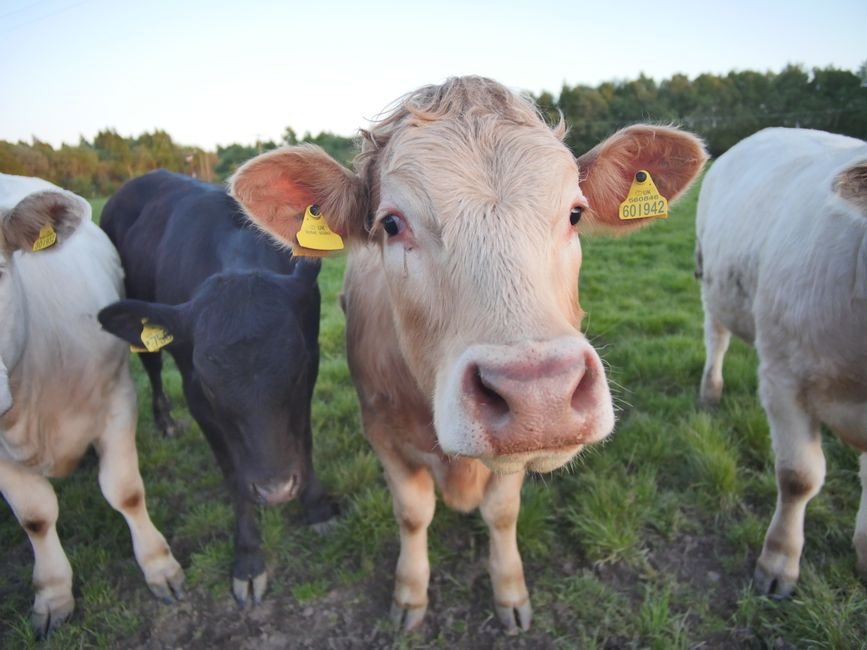
Introduction to Identification in Cattle Farming
Identification methods for cattle—such as ear tags, RFID chips, and branding—are more than just regulatory requirements. They are essential tools enabling farmers to manage herds efficiently, track individual animals, and maintain health standards. This article explores the specific benefits of identification in cattle farming, highlighting how it enhances farm productivity, animal welfare, and compliance with industry regulations.
With global cattle populations exceeding 1.4 billion animals, the ability to accurately identify and manage each individual is crucial not only for farm profitability but also for maintaining global food safety standards. Identification technologies have evolved significantly, integrating with digital platforms to deliver data-driven insights that were unimaginable just a decade ago. This integration is transforming cattle farming into a precise, science-based operation that can meet consumer demands for traceability and sustainability.
1. Improved Individual Animal Tracking
Identification allows farmers to track each animal’s history, health records, and productivity. Unlike managing a herd as a single unit, individual identification makes it possible to accurately monitor:
- Vaccination and medication schedules
- Growth rates and weight gains
- Reproductive status and breeding history
- Behavioral traits or anomalies
For example, RFID ear tags can be scanned daily to update data automatically, enabling real-time monitoring of herd performance. This granular tracking helps identify animals that need special care or selective breeding.
Beyond just health monitoring, detailed tracking can also reveal subtle behavioral changes that may indicate stress or illness before symptoms become severe. Precision livestock farming tools that incorporate identification with sensors can detect deviations in movement patterns, feeding habits, or social interactions, providing early warning signs. For instance, an animal showing reduced rumination time may be flagged for veterinary attention before it impacts overall productivity, reducing treatment costs and mortality rates.
Furthermore, digital identification facilitates data integration with mobile apps and farm management software, enabling remote monitoring and decision-making. This is particularly valuable for large-scale operations where physical inspection of each animal daily is impractical. Studies have shown that farms utilizing automated identification and tracking systems can reduce labor hours by up to 25%, allowing farmers to focus efforts on strategic management rather than manual record-keeping.
2. Enhanced Disease Control and Biosecurity
Disease outbreaks can devastate livestock operations. Identification systems enable quick isolation of infected animals and tracing of potential contacts. This capability is critical for:
- Controlling contagious diseases like bovine tuberculosis and brucellosis
- Meeting government-mandated livestock health programs
- Facilitating rapid response in case of disease detection
For instance, during the 2014 bovine tuberculosis outbreak in the UK, farms with detailed identification records were able to trace and cull infected cattle more efficiently, preventing wider spread.
In addition to historical outbreak responses, identification plays a pivotal role in preventive health measures. For example, during the 2020 foot-and-mouth disease outbreak in East Asia, traceability systems allowed authorities to map animal movements within hours, disrupting transmission chains. This capability is vital as global trade increases the risk of cross-border disease spread.
Biosecurity protocols are also enhanced by identification, allowing farms to implement quarantine procedures based on precise animal movement and contact histories. This level of control is essential when introducing new animals to a herd or managing wildlife interfaces where pathogens can transfer. According to data from the World Organisation for Animal Health (OIE), farms that adopt comprehensive identification and traceability systems experience 40% fewer disease outbreaks compared to those relying on traditional methods.
3. Better Breeding Decisions and Genetic Improvement
Identification facilitates record-keeping of parentage, birth dates, and lineage, which is vital for selective breeding programs. Farmers can:
For more on this, see our related guide: A Year of Raising Your First Cattle: From Arrival to Year-End Planning.
- Choose animals with desirable traits for reproduction
- Avoid inbreeding by tracking genealogy accurately
- Increase herd productivity and disease resistance over generations
Studies show that herds using detailed identification and performance records can improve milk yield by 10-15% over five years due to smarter breeding choices.
Beyond milk yield, identification supports genetic improvement programs targeting traits such as feed efficiency, fertility, and disease tolerance. For example, genomic selection programs incorporate DNA testing linked to individual ID tags, allowing breeders to predict an animal’s genetic potential early in life. This accelerates genetic gain and reduces the generation interval, which is crucial for competitive dairy and beef operations.
In the United States, the Dairy Herd Improvement Association (DHIA) uses individual identification combined with milk recording to provide farmers with comprehensive genetic evaluations of their cows. These evaluations guide selection decisions that have helped increase national average milk production by over 1% annually for the past decade.
Furthermore, avoiding inbreeding through accurate pedigree tracking reduces the risk of genetic disorders and improves overall herd robustness. This is particularly important in closed herds or small operations where genetic diversity may be limited. Identification data allows producers to utilize artificial insemination or embryo transfer strategically, introducing desirable genetics while managing relatedness.
4. Precise Feeding and Nutrition Management
Individual identification helps farmers tailor feeding regimes to the needs of specific animals. For example, calves, lactating cows, and older cattle have different nutritional requirements. Identification allows:
- Assigning feed rations based on weight, age, and production stage
- Reducing feed waste by avoiding overfeeding
- Improving growth rates and milk production with optimized nutrition
On farms using automated feed systems combined with electronic ID tags, feed efficiency can improve by up to 20%, reducing costs and environmental impact.
Recent advancements include integration of identification with automated feeding stations that monitor individual feed intake in real time. These systems adjust portions dynamically based on animal weight, milk output, or growth targets. For example, dairy farms using such technology report a 15% reduction in feed costs while maintaining or increasing milk yield.
Precise nutrition also contributes to environmental sustainability by minimizing nutrient excretion that can lead to soil and water contamination. A study published in the Journal of Animal Science showed that optimized feeding programs enabled by individual identification reduced nitrogen waste by 18%, contributing to better farm environmental stewardship.
Moreover, individual feeding data linked to health records helps detect nutritional deficiencies or metabolic disorders early. For instance, low feed intake coupled with weight loss may indicate subclinical ketosis or other conditions requiring intervention before production losses occur.
5. Streamlined Record-Keeping and Compliance
Governments and industry bodies require detailed livestock records for traceability and food safety. Identification enables farmers to maintain accurate, up-to-date records including:
If you’re also looking into this, our article on Mastering Cattle Behavior: A Guide to Health, Welfare, and Management covers it in more detail.

- Animal origin and movement logs
- Vaccination and health treatments
- Slaughter and sale documentation
Compliance with programs like the USDA’s National Animal Identification System (NAIS) or the EU’s cattle identification rules helps avoid fines and facilitates easier market access.
In regions with strict import/export controls, such as the European Union or Japan, failure to meet traceability requirements can result in shipment rejection or costly delays. Individual identification provides the verifiable audit trail demanded by these markets, protecting farmers’ access to lucrative international buyers.
Digital record-keeping platforms that utilize identification data improve accuracy and reduce human error. For example, barcode or RFID scanning automates data entry for movements and treatments, minimizing transcription mistakes that can compromise traceability. These systems also generate reports needed for compliance audits, simplifying record maintenance.
Additionally, identification data supports food safety initiatives such as Hazard Analysis and Critical Control Points (HACCP) by linking specific animals to feed sources, veterinary interventions, and processing plants. In the event of a foodborne illness outbreak, this traceability facilitates targeted recalls, protecting consumer health and minimizing economic impact.
6. Enhanced Theft Prevention and Recovery
Cattle theft is a serious issue in many regions. Marked and identifiable animals are less attractive targets for thieves because:
- They can be easily traced via official databases
- Unique identification reduces resale opportunities in black markets
- Farmers can quickly report stolen animals with specific details (tag numbers, descriptions)
In Australia, for example, cattle theft decreased by 30% in areas where mandatory RFID tagging was implemented.
Beyond deterrence, identification aids law enforcement in recovering stolen livestock. Many countries have established national cattle identification registries accessible by police and customs officials to verify ownership in markets and transport hubs. This interoperability is critical for preventing illegal sales and trafficking.
Technological innovations such as GPS-enabled ear tags are emerging, allowing real-time location tracking of high-value animals. While still costly, these devices provide an additional layer of security and have been piloted with success in regions prone to theft.
Community-based programs also leverage identification records to strengthen livestock guardianship. For example, cooperative reporting networks allow farmers to share alerts about suspicious activities linked to specific tag numbers, fostering collective vigilance and rapid response.
7. Facilitating Market Transactions and Value Optimization
Buyers and sellers benefit from knowing the exact characteristics of cattle through identification records. Benefits include:
This ties in closely with Everything Ranchers Need to Know About Cattle Insurance, worth a look if you want to go deeper.
- Verifiable cattle age, weight, and health history
- Ability to certify breeding or dairy lineage
- Faster sales due to trusted records
This transparency often results in higher sale prices and better buyer confidence, particularly in premium markets such as organic beef or pedigree dairy stock.
In auction settings, electronic identification systems enable rapid access to detailed animal profiles, reducing the reliance on physical inspection alone. Buyers can assess genetic merit, health status, and production data instantly, which streamlines decision-making and reduces transaction time.
Traceability also supports certification schemes—for example, grass-fed, organic, or hormone-free programs—that enhance product value. Farmers can document compliance via individual animal records, allowing end consumers to trust product claims and pay premium prices. Market reports indicate that certified beef can command a price premium of 15-25% compared to conventional products, underscoring the financial benefits of robust identification.
Additionally, identification facilitates value-added services such as carcass grading and yield prediction. By linking live animal data with processing outcomes, producers gain insights that inform marketing strategies and management improvements, closing the feedback loop from farm to fork.
Comparing Common Identification Methods
| Method | Durability | Cost per Animal | Ease of Use | Data Capacity | Common Uses |
|---|---|---|---|---|---|
| Visual Ear Tags | Moderate (can be lost or damaged) | $1 – $3 | Easy to apply and read | Limited (ID number only) | Basic identification, herd management |
| RFID Ear Tags | High (long-lasting, tamper-resistant) | $3 – $10 | Requires scanner | High (can store detailed info) | Precision tracking, automated data collection |
| Hot/Freeze Branding | Very High (permanent mark) | $5 – $15 | Requires skill, stressful to animals | Limited (symbol or number) | Theft prevention, permanent ID |
| Tattoos | High | $1 – $5 | Requires close inspection | Limited | Permanent ID, often in ears |
Each method has trade-offs. Visual ear tags are inexpensive and straightforward but prone to loss, especially in dense pastures or rugged environments. RFID tags, while more costly upfront, justify their price by reducing labor and enhancing data accuracy. Branding remains popular in extensive grazing systems due to its permanence but raises animal welfare concerns and legal restrictions in some countries.
Emerging techniques such as biometric identification—using nose prints or retinal scans—offer promising alternatives that avoid tags or marks. While still in developmental stages, these technologies could revolutionize livestock identification by providing tamper-proof individual recognition without animal discomfort.
Conclusion: Identification as a Cornerstone of Modern Cattle Farming
Identification systems provide tangible benefits that go well beyond regulatory compliance. From disease management and breeding optimization to theft prevention and market transparency, identifying cattle individually supports smarter decisions and better outcomes on the farm. Integrating identification with digital record-keeping and automated systems can amplify these benefits, positioning farmers for greater efficiency and profitability.
Looking forward, the convergence of identification technologies with big data analytics, artificial intelligence, and Internet of Things devices will further empower cattle farmers to optimize herd health, productivity, and sustainability. Governments and industry stakeholders continue to invest in improving traceability infrastructure, recognizing that robust identification is foundational to resilient livestock sectors.
Ultimately, cattle identification is not merely a logistical necessity but a strategic asset that underpins modern, competitive, and responsible animal agriculture worldwide.