
Understanding Cattle Identification and Its Importance
Cattle identification is a critical aspect of livestock management, involving the process of marking or tagging animals to maintain records, ensure traceability, and comply with health regulations. Proper identification allows farmers to track individual animals for breeding, health treatments, ownership, and regulatory compliance. But a common question arises: how often should you identification your cattle? This article delves into the timing, methods, and best practices for cattle identification, backed by examples and legal guidelines.
What Does “Identification” Mean in Cattle Management?
Identification refers to any method that assigns a unique mark or code to each animal. Common approaches include:
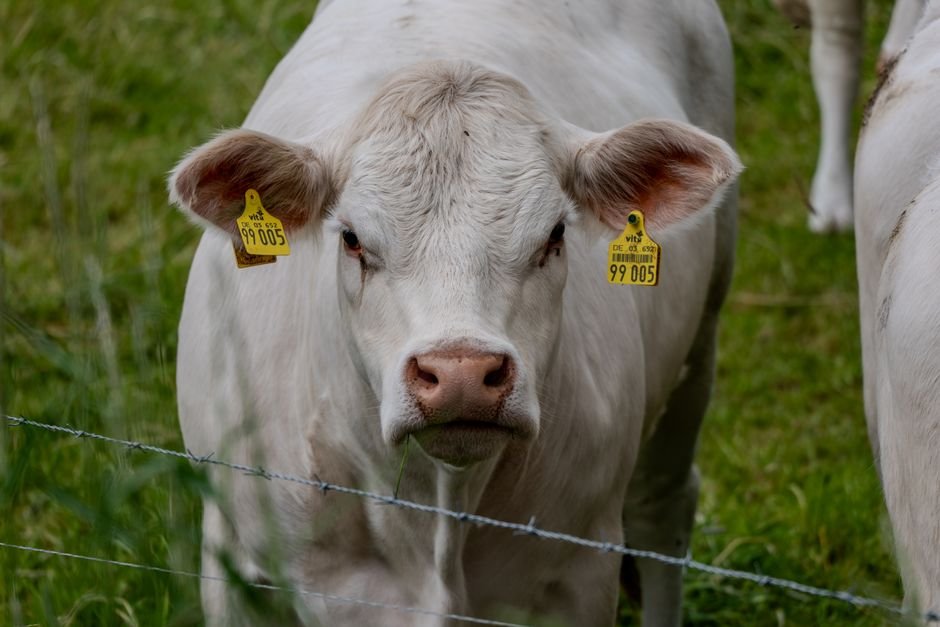
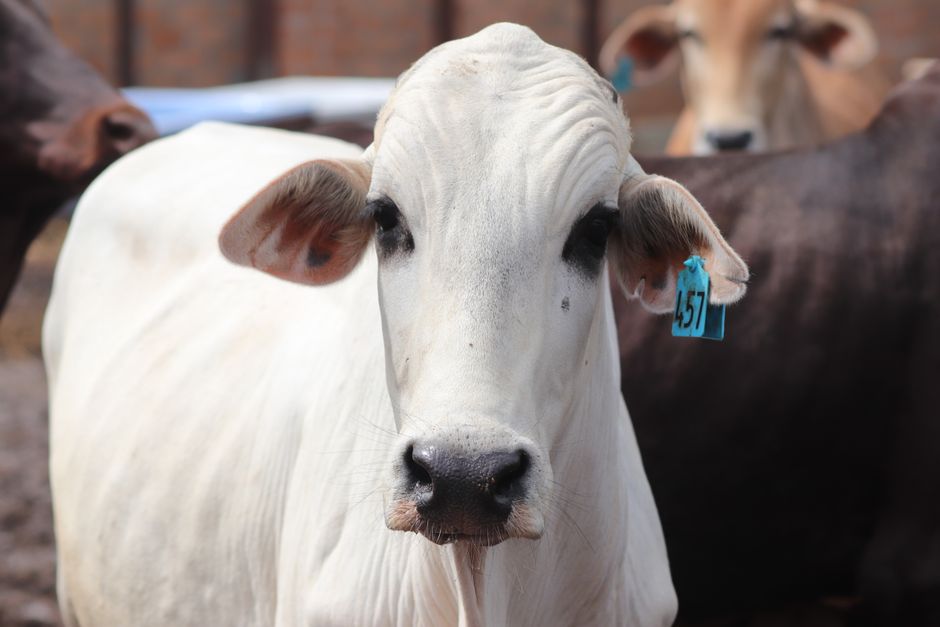
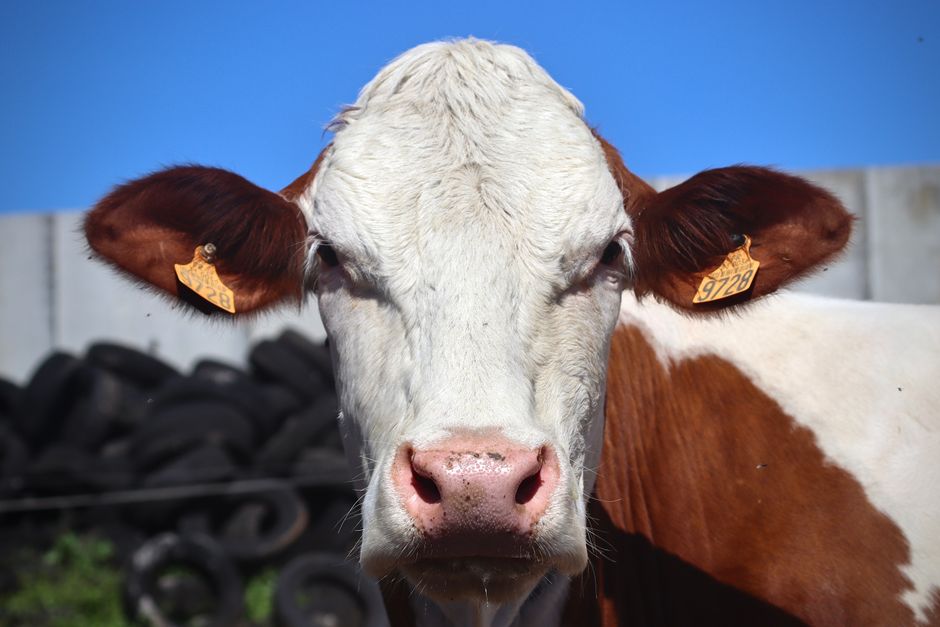
- Ear Tags: Plastic or metal tags inserted in the animal’s ear, displaying unique numbers or barcodes.
- Branding: Hot or freeze branding for permanent identification.
- Tattoos: Ink markings inside the ear.
- Electronic Identification (EID): RFID chips implanted or attached for digital tracking.
Each method has advantages and limitations, but ear tagging remains the most widely used due to ease and cost-effectiveness.
For example, hot branding, while permanent, can cause animal stress and welfare concerns and is less favored in regions with stricter animal welfare standards. Freeze branding, which uses extreme cold to alter the hair follicle pigmentation, is less painful and produces a clear, permanent mark but requires specialized equipment and skills.
Electronic Identification (EID) is gaining popularity worldwide due to its ability to integrate with farm management software and enable rapid scanning during cattle movements. Countries like Australia and New Zealand have adopted EID as a standard, improving traceability and biosecurity on a national level.
How Often Should You Identification Your Cattle?
The frequency of identification depends on several factors such as legal requirements, herd management objectives, and the life stage of the animal. Here’s a detailed breakdown:
1. Initial Identification: Within the First Few Months
Most livestock regulations and best practices recommend that calves be identified within the first 60 days after birth. For example:
- In the United States, the USDA’s Animal Disease Traceability program encourages identification of all cattle moving interstate, generally within 30 days of birth.
- In the European Union, calves must be tagged before they are six months old or before they leave the holding of birth, whichever comes first.
Early identification helps establish health records and traceability from birth and facilitates management decisions like vaccination and breeding.
In addition to regulatory compliance, early tagging can improve management efficiency. For instance, tagging calves within the first few weeks allows producers to monitor growth rates individually, identify underperformers early, and make culling decisions accordingly. This can significantly enhance herd productivity and profitability.
Moreover, early identification supports disease outbreak control by enabling rapid tracing of potentially exposed animals. During outbreaks of diseases such as bovine tuberculosis or foot-and-mouth disease, authorities rely heavily on accurate and timely identification data to contain spread and implement quarantines.
2. Re-Identification: When and Why?
Re-identification may be necessary if the original identification is lost, damaged, or becomes illegible. In such cases, farmers should:
– Re-tag the animal promptly to maintain accurate records.
– Use more durable tags or electronic identifiers to reduce future losses.
While there is no set timeframe for re-identification, it should be done immediately upon detecting loss to avoid discrepancies in health and ownership records.
For more on this, see our related guide: Mastering Cattle Behavior: A Guide to Health, Welfare, and Management.
Studies show that ear tag loss rates can vary between 5% and 15% annually, depending on the tag type, environmental conditions, and handling practices. Environmental factors such as dense brush, barbed wire fences, and social behavior of cattle (rubbing or fighting) contribute significantly to tag loss. Therefore, choosing tags made from tough materials like polyurethane or incorporating locking mechanisms can improve retention.
In some regions, legislation requires immediate notification and re-identification in case of lost tags. For example, Australia’s National Livestock Identification System mandates reporting lost or damaged tags within seven days and replacing them promptly to ensure ongoing traceability.
3. Routine Checks: Frequency of Identification Inspection
Although physical tagging may be done once, regular inspection of identification tags is crucial. Farmers should check tag integrity during routine cattle handling events such as:
- Health treatments (vaccinations, deworming)
- Weaning
- Sales or transport
- Breeding selections
Tag inspections are recommended at least twice a year to ensure all animals remain identifiable and traceable.
Beyond visual inspection, some producers employ digital readers to verify electronic tags during handling, improving accuracy and reducing human error. Integrating tag readings with herd management software enables real-time updates to animal records, facilitating prompt decision-making.
Routine tag inspections also present an opportunity to assess animal welfare and detect early signs of health issues. For instance, damaged or missing tags may indicate aggressive interactions or environmental hazards that warrant investigation and mitigation.
4. Identification for Specific Events
Certain events may require additional identification or documentation, such as:
- Sale or Auction: Many livestock markets require official identification before animals are sold or moved.
- Movement Between Farms: Identification is essential to comply with regulations controlling disease spread.
- Exporting Livestock: Identification must often meet international standards, including EID or passports.
For sales and auctions, many countries demand that animals be identified with government-approved tags or markings to validate ownership and health status. In the United States, official identification is required for cattle moving across state lines, with specific regulations enforced by the USDA.
When moving cattle between farms, especially in regions with active disease control programs, proper identification ensures that traceability measures are upheld, minimizing the risk of disease transmission. For example, in Canada, provincial animal health regulations require detailed records of cattle movements, including identification numbers and movement dates.
Exporting livestock is the most stringent identification scenario. International buyers and regulatory authorities often require EID tags combined with official passports or certification documents that record the animal’s origin, vaccination history, and disease testing results. Compliance with international standards such as those set by the World Organisation for Animal Health (OIE) is critical to access global markets.
If you’re also looking into this, our article on Mastering Cattle Behavior and Handling for Safer, More Efficient Farming covers it in more detail.
How Identification Frequency Aligns With Cattle Lifespan and Farm Practices
Cattle typically have an active productive lifespan of 5–12 years, depending on breed and purpose (dairy, beef, breeding). Identification usually occurs only once per animal, but proper upkeep and documentation span the animal’s entire life:
| Life Stage | Identification Timing | Reason | Frequency |
|---|---|---|---|
| Calf (Birth to 2 months) | Within 60 days of birth | Initial traceability and health tracking | Once |
| Growing Animal (2 months to 1 year) | Check tags when handled or vaccinated | Ensure tags remain intact | 2 times per year (minimum) |
| Adult Cattle | Before sales, movements, or breeding | Legal compliance and traceability | As needed / event-driven |
| Lost/Damaged ID | Immediately upon discovery | Maintain record integrity | As needed |
Beyond these typical timelines, some producers adopt multi-stage identification strategies tailored to their operational goals. For instance, dairy farms may tag calves early for genetic tracking and milk production monitoring, while beef operations might focus on identification at marketing stages to optimize sale prices and verify provenance.
In extensive grazing systems where cattle have minimal contact with handlers, identification maintenance can be more challenging, necessitating durable tags and perhaps combining physical and electronic methods to ensure reliability over the animal’s lifespan.
Best Practices to Ensure Effective Identification
To maximize the benefits of cattle identification, follow these strategies:
Use Durable Tags and Backup Methods
Choose high-quality ear tags resistant to weather and wear. Consider pairing with tattooing or electronic chips for redundancy.
Durability is critical because lost or damaged tags compromise traceability and can lead to costly regulatory fines or market access restrictions. Tags designed with UV-resistant inks, strong locking mechanisms, and flexible materials help withstand harsh environmental conditions and animal behavior impacts.
Backup methods such as tattoos provide a permanent, albeit less visible, form of identification. Combining tattoos with ear tags allows verification even if one system fails. Similarly, integrating electronic RFID chips with visible tags facilitates quick scanning while maintaining a visual check for handlers.
Maintain Accurate Records
Record identification numbers along with animal details (birth date, breed, health records) in a farm management system or ledger.
Accurate record-keeping is the backbone of effective identification systems. Modern farm management software solutions enable producers to link identification data with health treatments, breeding histories, production performance, and financial metrics. This holistic view supports informed decision-making and traceability compliance.
Moreover, digital record systems allow easier reporting to regulatory bodies and facilitate data sharing with supply chain partners, enhancing transparency and consumer confidence in livestock products.
Train Staff in Handling and Tagging
Proper technique reduces tag loss and animal stress. Train handlers to inspect tags regularly.
This ties in closely with A Year of Raising Your First Cattle: From Arrival to Year-End Planning, worth a look if you want to go deeper.
Training should cover correct tag placement to minimize injury and loss, safe animal handling to reduce stress and risk of injury, and recognizing signs of tag damage or infection around tag sites. Well-trained staff contribute to animal welfare and system reliability.
Regular refresher courses and updates on new technologies or regulations are important to keep all team members aligned with best practices.
Comply With Local Laws and Regulations
Keep updated on regional rules regarding identification timing and methods to avoid penalties and ensure market access.
Compliance is not only a legal obligation but also a market access requirement. Regulations vary widely by country and state, encompassing aspects such as approved identification types, reporting requirements, and traceability frameworks. Staying informed through industry associations, government agencies, and veterinary services ensures producers meet evolving standards.
Common Mistakes That Affect Identification Frequency
- Delaying Initial Tagging: Waiting too long after birth can complicate record-keeping and traceability.
- Ignoring Tag Loss: Neglecting to replace lost tags leads to data gaps and regulatory violations.
- Overlooking Inspections: Skipping routine checks can result in untraceable cattle.
- Using Low-Quality Tags: Inexpensive tags that fail quickly increase the need for frequent re-identification.
- Poor Record-Keeping: Inconsistent or incomplete records undermine the benefits of physical identification.
- Inadequate Staff Training: Improper tagging technique or failure to monitor tags can elevate tag loss and animal welfare issues.
Case Study: Identification Frequency on a Mid-Sized Beef Farm
On a 150-head beef operation in Kansas, calves are tagged at 2 weeks old using RFID ear tags. Tags are inspected during routine vaccinations at 6 and 12 months. Any lost tags are immediately replaced during handling events. This farm reports a tag loss rate of under 3% annually due to proactive checks and use of durable tags.
Additionally, this farm integrates its identification data into a digital herd management platform, linking each animal’s tag number to health records, breeding data, and weight gain information. This digital approach allows the farm manager to make data-driven decisions about culling, feed allocation, and marketing timing.
The farm also conducts quarterly training sessions for staff on safe handling and tag application techniques, which has contributed to low stress levels in cattle during tagging and reduced tag loss rates. Their commitment to regular inspections and prompt re-identification has ensured compliance with USDA traceability requirements and facilitated smooth cattle sales at regional auctions.
Summary: How Often Should You Identification Your Cattle?
In practice, identification is mostly a one-time process per animal, ideally completed within two months of birth. However, ongoing maintenance through regular inspections at least twice a year, timely re-identification of lost tags, and event-driven compliance checks (sales, movements) are essential. Following these guidelines preserves animal traceability, ensures legal compliance, and supports herd health management.
Ultimately, the frequency of identification activities should be tailored to the specific operational context, regulatory environment, and risk factors faced by each farm. Emphasizing durable identification methods, rigorous record-keeping, staff training, and compliance awareness will maximize the effectiveness of cattle identification systems and contribute to sustainable, profitable livestock production.