
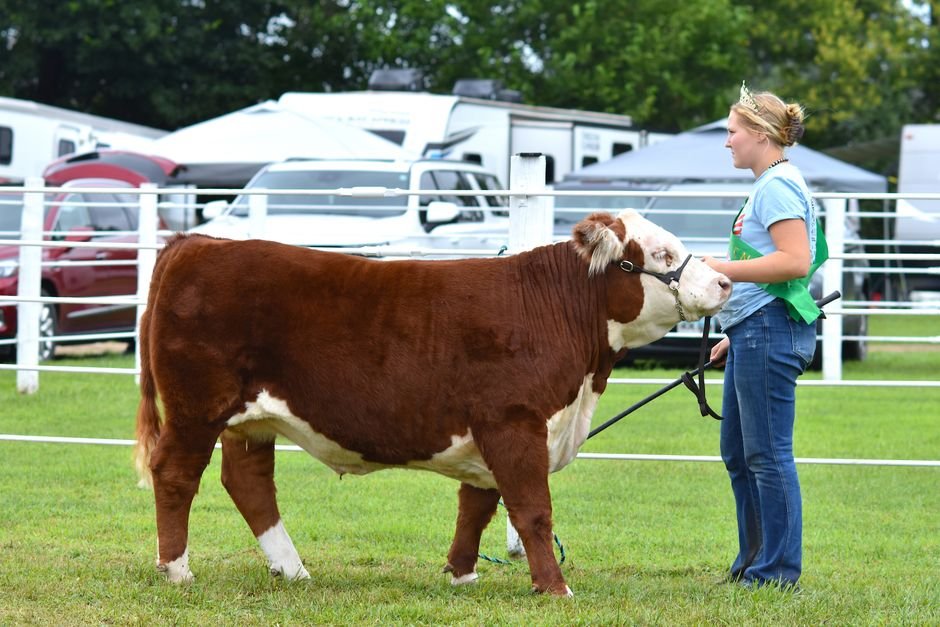
If you want to start a 4H beef project, begin with a project animal that fits your fair rules, a realistic daily care routine, and a budget for feed, bedding, vet care, and show supplies. Then work with your 4-H leader, county extension office, and breeder to choose a healthy calf or steer, set up housing, and build a feeding and handling plan before the animal arrives.
Start with your county 4-H rules, not the sale barn
The fastest way to make a beef project harder than it needs to be is to buy an animal before reading the rules. Every county or state 4-H program sets its own deadlines for enrollment, weigh-in, ownership dates, tagging, and show eligibility. Some fairs require market steers to be in place by a specific date in the winter or spring, while others use nomination or validation systems through the county extension office. Ask your 4-H leader for the current livestock rules packet and read it line by line.
You should also confirm whether your project is a market steer, breeding heifer, or bottle calf project. A market steer is raised for sale and beef production; a breeding heifer stays in the herd and may be shown as a prospect. That choice affects breed type, feed plan, time commitment, and what “success” looks like at the end of the project.
Choose the right kind of calf for a first project
For a beginner, the best animal is usually one that is healthy, calm, and already accustomed to people. Many first-year families buy a weaned steer or heifer that is halter-broke or at least easy to handle. If you are brand new to livestock, ask a reputable breeder for a calf with a quiet disposition rather than chasing the biggest or flashiest one in the pen.
Common beef breeds and crossbreds used in 4-H include Angus, Hereford, Simmental, Charolais, Limousin, Shorthorn, and their crosses. Breed matters, but temperament, structure, and health matter more for a first project. A good calf should stand square, move freely, have a straight top line, clear eyes, a clean nose, and no sign of scours, coughing, or swollen joints. If possible, buy from a breeder who can explain the calf’s age, vaccination history, and previous feed program.
Know the basic timeline before you bring one home
A 4-H beef project usually follows a simple progression: select the calf, quarantine and settle it in, establish feeding, halter break and handle daily, weigh and track gain, fit and groom before fair, then show and evaluate. For market steers, many families start with a calf in the spring or early summer and aim for a fair-ready finish later that same year, but the exact timeline depends on your fair date and target weight.
| Project step | What to do | Why it matters |
|---|---|---|
| Before purchase | Read county rules, set a budget, line up housing and supplies | Avoids rule problems and rushed decisions |
| First 2 weeks | Quarantine, observe appetite and manure, begin gentle handling | Helps catch illness early and reduces stress |
| Growing phase | Feed consistently, halter break, weigh monthly, keep records | Builds frame, muscle, and good habits |
| Final 30 to 60 days | Refine feeding, practice showmanship, groom and fit | Prepares the animal and the exhibitor for fair |
Set up housing and equipment before the calf arrives
A beef project needs a dry, secure place to live. A small pen, sheltered lot, or barn stall with good drainage is far better than mud. The goal is clean bedding, fresh water, and enough space for the animal to lie down and move comfortably. A simple setup often includes sturdy fencing, a feed bunk or tub, a halter, lead rope, bucket, broom, manure fork, and a way to measure feed.
For more on this, see our related guide: 24 Best Cattle Breeds for Beginners: Calm, Hardy, and Easy to Manage.
Plan for bedding with straw, shavings, or another dry material approved by your facility. Keep water available at all times, and position feed so the calf eats calmly without crowding. If your area gets hot, shade and airflow matter. If it gets cold, wind protection and dry bedding become more important. Before the calf arrives, walk the pen with a safety mindset: remove loose wire, broken boards, sharp edges, and anything a young animal could snag on.
Feed for steady growth, not just for a big appetite
Feeding a beef project is not about dumping grain in a bucket and hoping for the best. Calves need a balanced ration with forage, grain or a complete feed, clean water, and minerals. Many 4-H families use a starter feed at first, then move to a grower ration as the calf adapts. Your local feed store, extension agent, or breeder can help you choose a ration based on calf size and age.
Change feed gradually over several days to avoid digestive upset. Keep the feeding schedule consistent, because cattle do best with routine. Watch manure, appetite, and belly fill every day. Loose manure, refusal to eat, or a dull coat can signal trouble. Fresh water is non-negotiable; a calf that does not drink well will not perform well. If you are unsure about ration amounts, ask for a feed plan in pounds per day and recheck it as the animal grows rather than guessing.
Handle your calf every day so show day feels normal
Halter breaking is one of the most important early jobs in a 4-H beef project. Start in a small, quiet area and keep sessions short. The calf should learn to lead, stop, turn, and stand without fighting the rope. Daily handling also teaches the animal to accept brushing, touching, and pressure around the head, shoulders, and legs.
Just as important, the exhibitor must practice. Good showmanship is not luck; it is repetition. Learn how to set up the feet, keep the animal’s head in a natural position, and move with the judge’s line of sight. The National 4-H Livestock Judging and Showmanship culture values calm, controlled presentation, not loud correction. If the calf pulls, plants its feet, or gets pushy, solve the problem with consistency rather than force. The goal is a calm partnership, not a battle in the ring.
Keep records from day one
Recordkeeping helps you make better decisions and gives you proof of what happened during the project. A simple notebook or spreadsheet can track purchase date, starting weight, feed changes, health treatments, deworming, vaccinations, daily observations, and fair deadlines. Many 4-H programs expect members to complete a project book or record sheet, and even when they do not require it, the habit is worth keeping.
If you’re also looking into this, our article on 26. Best Cattle Breed for Small Acreage: 10 Top Picks for Efficient Farming covers it in more detail.
Weighing the calf regularly is especially useful. If you do not have access to a scale every week, even monthly weights are better than none. Weight records help you estimate average daily gain and compare how the animal responds to feed changes. They also make it easier to tell your leader or veterinarian what has changed if the calf stops eating or looks off. Good records turn guesswork into a plan.
Work with the right adults, not just the right animal
A successful first beef project usually depends on a small team. Your 4-H leader helps with project rules, skill building, and fair preparation. An experienced breeder can help you choose a calf and explain what to expect from that animal’s breed or cross. A veterinarian should be your contact for illness, vaccination questions, lameness, or injury. Your county extension office can point you to local clinics, weigh-ins, and youth livestock resources.
It also helps to be honest about your family’s schedule. A beef project needs daily attention. Someone must feed, water, clean, check the animal’s health, and spend time handling it. If no one can do that consistently, start smaller or choose a different timing for your first year. The best project is one you can actually manage well, not one that sounds exciting for the first week.
Common first-year mistakes to avoid
New families often make the same few errors. They buy the first calf they see instead of the right calf. They underestimate feed costs and bedding. They wait too long to start halter breaking. They ignore county deadlines. They also sometimes confuse “bigger” with “better,” when a calm, healthy calf with good structure is usually the smarter choice.
Another common mistake is making too many changes at once. New feed, new housing, new handling, and new people all in the same week can stress a calf. Give the animal time to settle in before you push hard on training or ration changes. If you are unsure, ask questions early. Experienced 4-H families and extension educators usually prefer a beginner who asks too much rather than one who waits until a problem becomes an emergency.
Frequently Asked Questions
How much does a 4-H beef project cost?
Costs vary widely by region, animal type, and market conditions. The biggest expenses are usually the calf, feed, bedding, veterinary care, and show supplies. A family should ask local breeders and feed stores for current prices before committing, because there is no single national budget that fits every county.
This ties in closely with How Much Water Does a Cow Drink Per Day? A Detailed Guide, worth a look if you want to go deeper.
What age should a calf be for a first 4-H beef project?
That depends on your fair rules and whether you are raising a market steer or breeding heifer. Many first projects start with a young calf that still has plenty of time to grow before fair. Your county 4-H or extension office can tell you the acceptable age, weight, and ownership dates for your area.
Do I need a steer or a heifer for 4-H beef?
Either can be used, but the project type matters. Market steers are common for fair beef projects because they are raised for sale and finishing. Breeding heifers are used if you want to develop a future cow. Choose the one that matches your county rules, your goals, and your family’s long-term plans.
How often should I work with my calf?
Every day is best, even if the session is short. Daily feeding, leading, brushing, and standing practice help the calf learn faster and stay calmer. Consistency matters more than long training sessions, especially early in the project.
What should I do if my calf stops eating or looks sick?
Check water, appetite, manure, temperature if you know how to take it, and whether anything changed in feed or environment. Then contact your veterinarian or a knowledgeable livestock professional promptly. Cattle can go downhill quickly, so do not wait several days hoping the problem resolves on its own.
This article is for general information and isn’t a substitute for advice from a qualified veterinarian, extension educator, or your local 4-H program.