
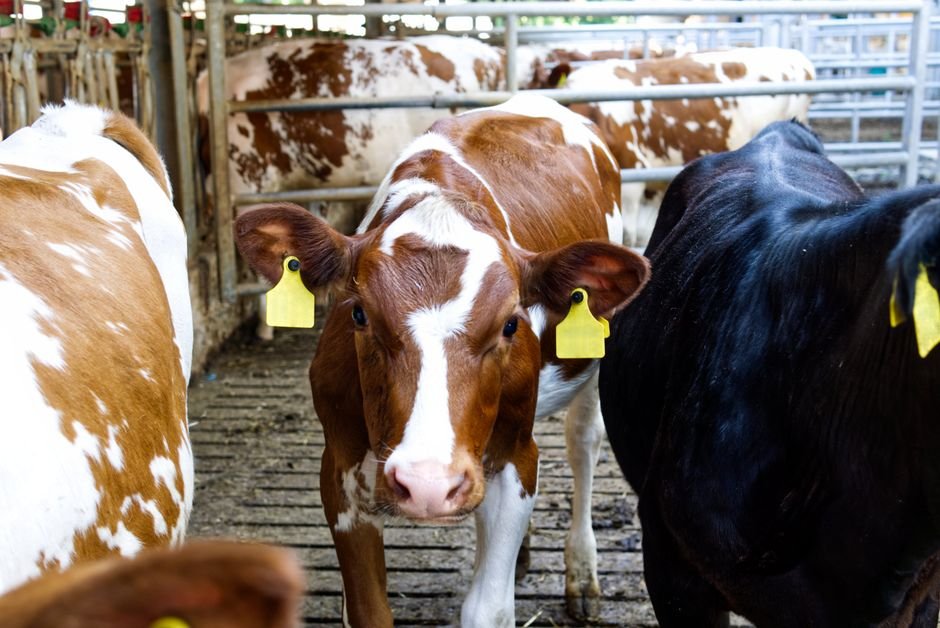
Silent heat in cows is a normal estrus cycle without the obvious outward signs people expect, such as standing to be mounted, mucus discharge, or restlessness. The cow is still cycling and may even ovulate, but the heat is “silent” because the usual behavior is weak, brief, or easy to miss. This is one of the most common reasons cows are bred too late or not at all.
What silent heat means in cattle
In practical terms, silent heat means a cow is in heat physiologically, but the signs of estrus are subtle enough that a producer may not notice them. The ovaries are active, hormone levels are changing, and the cow may be ready to breed, but she does not clearly show standing heat. This is different from an anestrus cow, which is not cycling at all.
Silent heat is especially important in dairy herds because high-producing cows often show weaker estrus behavior than beef cows. Research and extension guidance from universities such as Penn State, Cornell, and the University of Wisconsin consistently note that heat detection has become harder in modern dairy systems, partly because cows spend less time standing and more time on concrete or in confined housing. In many herds, activity changes are present, but they are easy to overlook without close observation or technology.
How silent heat differs from a normal heat cycle
A cow in normal heat usually shows several clear signs at once: she stands to be mounted, mounts other cows, becomes more active, may bellow, and often has a swollen vulva with clear mucus. Silent heat lacks that obvious package. The cow may still have a follicle developing and later ovulate, but the behavioral signs are muted, short-lived, or absent.
| Feature | Normal heat | Silent heat |
|---|---|---|
| Standing to be mounted | Common and usually the clearest sign | Often absent or very brief |
| Mounting activity | Frequent | May happen, but is easy to miss |
| Vocalizing and restlessness | Often noticeable | May be minimal |
| Mucus discharge | Often visible | May be absent or overlooked |
| Breeding decision | Usually straightforward | Requires more observation or tools |
The key point is that silent heat is not a separate reproductive disease. It is a detection problem and a behavioral problem, often linked to management, environment, or the cow’s stage of lactation. That is why many herds that “miss heats” are actually dealing with silent heats rather than cows that are not cycling.
Why silent heat happens
Several factors can reduce the obvious behavior of estrus. High milk production is a major one in dairy cows, because energy balance after calving can suppress the intensity of heat behavior. Lameness, heat stress, overcrowding, slippery flooring, poor footing, and limited opportunity to interact with herd mates can also reduce mounting and standing behavior.
Postpartum cows are especially vulnerable. Right after calving, the reproductive system is restarting, and the cow may not show strong heat even when she is close to breeding readiness. Body condition score, nutrition, disease after calving, retained placenta, metritis, and ketosis can all delay or weaken normal cycles. In beef herds, silent heat can also happen, but it is often less obvious because cows spend more time outdoors and observation may be less frequent.
For more on this, see our related guide: Proven Tips to Reduce Weaning Stress in Calves During Hot Weather.
Another practical reason is simple timing. Estrus can last only a short time, and standing heat may occur mainly at night or during early morning hours. If nobody is watching then, the cow may appear to have “no heat” when she actually cycled normally.
Common signs that a cow may be in silent heat
Because the signs are subtle, it helps to look for a cluster of small changes rather than one dramatic clue. A cow in silent heat may be more active, sniff other cows, allow brief mounting without standing long, or show a slight mucus string on the tail or vulva. Some cows become less willing to eat, linger near herd mates, or seem unusually alert. In dairy barns, activity monitors often pick up increased steps or rumination changes before a person notices anything obvious.

Watch for these practical clues:
- Repeated mounting attempts without clear standing heat
- Restlessness or more walking than usual
- Clear mucus on the tail head, vulva, or pen surface
- Swollen, moist vulva
- Tail chalk rubbed off, if using a marking system
- Small drops in milk yield or feed intake in some dairy cows
No single sign proves heat by itself. The best approach is to combine observation with other tools and to compare the cow’s behavior with her usual pattern.
How to detect silent heat more reliably
Good heat detection usually takes a combination of observation, recordkeeping, and technology. The traditional method is still one of the best: watch cows several times a day, especially early morning and late evening when temperatures are cooler and cows are more active. Many extension recommendations suggest at least 20 minutes of focused observation per session, with attention to mounting activity rather than just looking at the group from a distance.
On farms that struggle with missed heats, aids such as tail paint, chalk, Kamar heat mount detectors, pressure-sensitive patches, pedometers, and accelerometer-based activity monitors can help. Activity systems from companies like Allflex, SCR, and Afimilk are widely used in dairy herds to identify cows with rising activity. These tools do not replace judgment, but they can narrow the list of cows that need closer checking.
| Detection method | Best use | Main limitation |
|---|---|---|
| Visual observation | Confirming standing heat and mounting behavior | Easy to miss short or nighttime heats |
| Tail paint or chalk | Showing whether a cow has been mounted | Needs regular reapplication and inspection |
| Heat mount detectors | Flagging repeated mounting | Can be knocked off or missed in dirty conditions |
| Activity monitors | Finding cows with subtle estrus changes | Requires software, setup, and follow-up checks |
Why silent heat matters for breeding results
Missing silent heat can push breeding back by weeks, which matters because every missed cycle adds time between calving and conception. In dairy herds, longer days open can reduce lifetime milk output and increase replacement costs. In beef herds, late breeding can shorten the next calving window and affect weaning weights the following season. Silent heat also creates confusion: a cow may be cycling, but because no one sees clear signs, she is treated as if she is not ready.
If you’re also looking into this, our article on Can Cows Eat Watermelon? How to Safely Feed Cull Fruit to Your Herd covers it in more detail.
That confusion often leads to poor timing for artificial insemination. If breeding is done too early or too late, conception rates can drop. The issue is not just missing one heat event; it is missing the chance to align insemination with ovulation. For that reason, many herds use timed AI protocols, such as Ovsynch or Presynch-Ovsynch in dairy cattle, to reduce dependence on visual heat detection. These systems are not a cure-all, but they can help when silent heats are common.
Management changes that can reduce missed heats
Improving heat detection starts with better cow comfort. Good footing, non-slip surfaces, adequate space, and clean resting areas encourage normal mounting behavior. Reducing overcrowding and improving transition cow nutrition can also help cows return to cycling more strongly after calving. Treat lameness quickly, because lame cows often show far weaker estrus behavior and are less likely to stand.
Routine records matter too. Track calving dates, previous heats, breeding dates, pregnancy checks, and any health events such as metritis, milk fever, or ketosis. This helps you know which cows should be cycling and which ones may need a closer look. For many farms, the most effective system is a layered one: regular observation, one heat detection aid, and a breeding protocol that does not rely on guesswork alone.
When to call a veterinarian or reproductive specialist
If a cow has repeated missed heats, a long gap after calving without clear cycling, or poor conception despite being bred at the right time, it is worth involving a veterinarian or reproductive consultant. Silent heat can be part of a broader problem such as ovarian inactivity, cystic ovaries, uterine infection, or poor body condition. A veterinarian can use rectal palpation, ultrasound, and herd records to sort out whether the issue is true silent heat or a deeper reproductive disorder.

It is also smart to get help if several cows in the herd are showing the same pattern. A cluster of silent heats can point to nutrition, heat stress, flooring, or housing problems rather than a problem with individual animals. Fixing the herd environment often improves reproduction faster than trying to treat each cow separately.
Frequently Asked Questions
Is silent heat the same as a cow not being in heat?
No. A cow in silent heat is still cycling and may be close to ovulation, but the usual outward signs are weak or absent. A cow that is truly not in heat is not cycling at all, often because of postpartum inactivity, illness, or a reproductive problem.
This ties in closely with 26. Best Cattle Breed for Small Acreage: 10 Top Picks for Efficient Farming, worth a look if you want to go deeper.
Can you breed a cow during silent heat?
Yes, but only if you have enough evidence that she is in estrus or you are using a timed AI program. Because the signs are subtle, breeding by guesswork can miss the optimal window. Many farms use activity monitors, tail paint, or synchronization protocols to improve timing.
What is the most reliable sign of heat in cows?
Standing to be mounted is still the clearest single sign of estrus. If a cow stands while another cow mounts her, she is usually in standing heat. In silent heat, this sign may be very brief or absent, which is why additional tools are often needed.
Do dairy cows have more silent heats than beef cows?
In general, yes. Dairy cows, especially high-producing ones, often show weaker estrus behavior than beef cows. Housing, flooring, milk production, and less opportunity for natural social behavior can all make heat signs harder to see in dairy systems.
Can silent heat be caused by disease?
Yes. Postpartum uterine infections, ketosis, lameness, and poor body condition can all weaken or delay estrus behavior. If a cow keeps missing heats or never shows clear cycling after calving, a veterinary exam is the safest next step.
This article is for general information and isn’t a substitute for advice from a qualified veterinarian or reproductive specialist.