
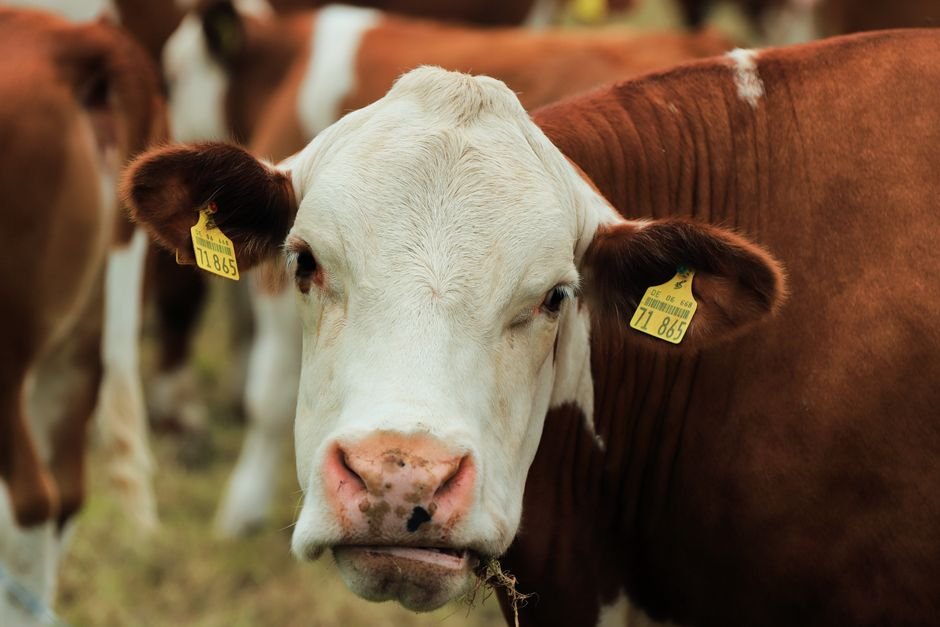
Introduction to Cow Behavior and Its Significance
Cow behavior is more than just a curiosity; it plays a pivotal role in livestock management, animal welfare, and sustainable farming practices. Recognizing and understanding the natural behaviors of cows can lead to improved productivity, healthier herds, and better farmer-animal relationships. This article explores the tangible benefits derived from studying and respecting cow behavior, supported by research findings and real-world examples.
Beyond their economic importance, cows are sentient animals with complex behavioral repertoires that reflect their needs, preferences, and social structures. Their behavior is influenced by a variety of internal and external factors, including genetics, environment, social context, and management practices. By studying these behaviors, farmers and researchers not only enhance animal welfare but also develop innovative strategies that contribute to sustainable agriculture and climate resilience.
How Cow Behavior Influences Herd Health and Welfare
Cows exhibit a range of social and individual behaviors that directly impact their physical and mental well-being. These behaviors include grooming, vocal communication, resting patterns, and social hierarchy establishment—each serving essential biological functions.
Improved Animal Welfare Through Behavioral Understanding
Farmers who monitor and interpret cow behavior can detect early signs of illness or stress. For example, a drop in feeding behavior or altered lying times often indicates health issues such as mastitis or lameness. According to a 2018 study published in the Journal of Dairy Science, cows with lameness spent 40% less time lying down compared to healthy individuals, providing a measurable behavioral indicator for timely intervention.
Moreover, changes in social behaviors, such as withdrawal from the herd or increased vocalization, can signal discomfort or pain. One study from Wageningen University found that cows experiencing heat stress vocalized 30% more frequently, which could be used as a non-invasive monitoring tool to improve animal comfort during extreme weather conditions.
By recognizing these behavioral cues, farmers can intervene promptly, reducing the severity of disease and improving recovery rates. Additionally, providing environments that cater to natural behaviors enhances welfare. For instance, allowing cows to engage in social grooming reduces stress hormones like cortisol, which lowers the risk of immune suppression. Research demonstrates that cows allowed to participate in allogrooming (mutual grooming) showed improved wound healing rates and reduced cortisol levels by up to 20%, illustrating the physiological benefits of social bonding.
Implementing environmental enrichments such as brushes or grooming devices also encourages self-grooming behavior, which can alleviate skin irritations and parasites. Farms that incorporated mechanical grooming brushes observed a 15% reduction in skin lesions and increased lying times, pointing to greater comfort and welfare.
Social Behavior and Its Role in Stress Reduction
Cows form complex social structures with clear dominance hierarchies. Understanding these social dynamics helps reduce conflicts and stress within the herd. Farms that separate incompatible individuals or manage group sizes according to behavioral compatibility experience fewer injuries and improved milk yields.
The establishment of social hierarchies reduces overt aggression and competition for resources. For example, a study conducted at the University of Edinburgh demonstrated that cows kept in stable groups for over six months exhibited 60% fewer displacements at feeding stations and showed more synchronized feeding behavior, indicating reduced social stress.
Research from the University of British Columbia showed that cows housed in stable groups with established social bonds had a 5-10% increase in milk production compared to those in frequently rearranged groups. This suggests that respecting social behaviors benefits both animal welfare and farm productivity. Furthermore, stable social bonds enhance calf development; calves raised in socially stable herds exhibit better weight gain and lower cortisol responses to new environments, highlighting the intergenerational benefits of understanding cow social behavior.
Besides group stability, knowledge of social networks within herds can be used to optimize grouping strategies. Studies using GPS tracking and proximity sensors have revealed that cows tend to form preferential associations, spending up to 75% of their time near specific herd mates. Leveraging these associations for grouping can minimize social stress and improve overall herd harmony.
For more on this, see our related guide: Mastering Cattle Behavior: A Guide to Health, Welfare, and Management.
Benefits of Cow Behavior for Sustainable Farming Practices
Beyond animal welfare, cow behavior informs sustainable agricultural methods. By aligning farming techniques with natural behaviors, farmers can reduce environmental impact and improve resource efficiency.
Grazing Patterns and Pasture Management
Cows naturally graze in a pattern that favors patchy feeding, promoting biodiversity in pastures. This selective grazing encourages varied plant growth, which can lead to healthier soil and reduced erosion.
For example, rotational grazing systems leverage this behavior by moving cows between pastures to allow vegetation recovery. Studies from the Rodale Institute indicate that rotational grazing increases soil organic matter by up to 30% over 10 years compared to continuous grazing, leading to better carbon sequestration and water retention.
In addition, cows tend to avoid newly grazed or heavily defoliated areas, allowing those patches time to regenerate. This natural grazing rest period supports the maintenance of diverse plant species, including deep-rooted perennial grasses that contribute to soil structure and nutrient cycling.
Incorporating behavior-informed grazing management has also shown to reduce the need for chemical fertilizers. Research conducted in New Zealand demonstrated that rotational grazing reduced nitrogen runoff by 25% and maintained pasture productivity without supplemental fertilization, benefiting both farm economics and downstream water quality.
Furthermore, understanding the timing of grazing behavior helps optimize pasture utilization. Cows typically graze during early morning and late afternoon, with resting periods during midday heat. Aligning grazing schedules with these patterns can improve feed efficiency and reduce heat stress, especially in warmer climates.
Cow Movement and Energy Efficiency
Cows typically balance their feeding, resting, and social activities within energy-efficient routines. Understanding these patterns helps optimize barn design and feeding schedules to minimize energy expenditure and stress.
One Dutch dairy farm reported that adjusting feed delivery times to align with natural feeding peaks increased feed intake by 8%, improving milk yield without additional feed costs. These small behavior-informed adjustments contribute to overall farm sustainability.
In addition, barn layouts that minimize unnecessary walking distances between resting, feeding, and milking areas help conserve cow energy. Studies have shown that reducing walking distances by 15% can lower energy expenditure by nearly 10%, translating into improved weight maintenance and reproductive performance.
Moreover, behavior-driven design includes providing adequate space to avoid overcrowding, which reduces competition and stress. In extensive studies, overcrowded barns were associated with elevated cortisol levels and reduced feed intake, negatively impacting productivity. Conversely, well-designed facilities that accommodate natural movement and resting behaviors support overall metabolic health.
Behavioral Insights That Enhance Milk Production
Milk production is closely linked to cow comfort and behavioral satisfaction. Stress, overcrowding, or disruption of natural rhythms can decrease output significantly.
If you’re also looking into this, our article on Mastering Cattle Behavior and Handling for Safer, More Efficient Farming covers it in more detail.
The Role of Lying Time and Rest
Cows require 12 to 14 hours of lying time daily for optimal health and milk production. This behavior supports rumination and blood flow to the udder. A study published in the Journal of Dairy Science found that each hour of additional lying time increased milk yield by 1.5 to 2 liters per day.
Providing comfortable resting areas with appropriate bedding materials encourages longer lying times. Farms using sand bedding reported a 10% increase in average milk yields, attributed to improved cow comfort and longer rest periods.
In addition to bedding choice, factors such as stall dimensions, cleanliness, and stocking density significantly influence lying behavior. Research suggests that stalls narrower than 1.2 meters decrease lying times by up to 30%, highlighting the importance of appropriate stall design to promote rest and productivity.
Moreover, environmental factors like noise, lighting, and temperature affect lying behavior. Studies show that excessive noise or bright lighting during resting times can reduce lying periods and increase stress, negatively impacting milk output. Implementing quiet, dimly lit resting areas during night hours has been shown to enhance rest quality and overall production.
Positive Human-Animal Interactions
Cows are sensitive to the demeanor of their handlers. Calm, gentle interactions reduce fear and agitation, which can otherwise suppress milk let-down through stress hormone release.
In one controlled experiment, cows exposed to positive handling showed a 15% increase in milk yield compared to those experiencing rough or unpredictable handling. This underscores the economic and welfare benefits of behaviorally informed management.
Further studies reveal that positive handling practices, such as slow movements, low voice tones, and consistent routines, reduce heart rate and cortisol levels during milking sessions. Farms that trained workers in low-stress handling reported fewer milk let-down delays and a 20% reduction in somatic cell counts, indicating better udder health.
Beyond milk yield, positive human-animal relationships also lower injury risk for both animals and staff, contributing to safer and more efficient farm operations. Encouraging regular, gentle contact with cows from a young age fosters trust and eases future handling, particularly during stressful procedures like veterinary care or transportation.
Behavioral Indicators for Breeding and Genetic Selection
Behavioral traits are increasingly recognized as important factors in breeding programs. Selecting for temperament and social compatibility improves herd dynamics and productivity.
Temperament and Handling Ease
Cows with calm temperaments are easier to manage, reducing injury risk to both animals and workers. A survey by the National Cattlemen’s Beef Association found that calm cows had 20% fewer handling-related injuries and required less labor time.
This ties in closely with The Essential Guide to Understanding Cattle Registration Certificates, worth a look if you want to go deeper.
Temperament traits have moderate heritability, making them viable targets in selective breeding. Genomic studies have identified markers associated with docility and stress resilience, enabling breeders to incorporate behavioral traits into genetic evaluations alongside production traits.
Moreover, calmer cows tend to have improved reproductive performance, including higher conception rates and shorter calving intervals, likely due to reduced stress and better energy balance. Selecting for favorable temperament can therefore yield multifaceted benefits for herd productivity and welfare.
Social Compatibility and Group Performance
Breeding for social tolerance reduces aggressive behaviors, minimizing stress and energy wasted on conflict. This can lead to improved weight gain and reproductive success, as peaceful herds allocate more energy to growth and breeding.
Recent research from Agroscope in Switzerland demonstrated that herds selected for low-aggression traits showed a 12% improvement in average daily gain and a 7% increase in conception rates. Additionally, these herds exhibited more stable social networks, which correlated with reduced injury rates and better overall herd health.
Understanding the genetic basis of social behavior also allows for the development of breeding indices that balance production with behavioral traits. For instance, the inclusion of social compatibility scores in selection criteria helps maintain group cohesion, reducing management challenges associated with aggressive individuals.
Besides genetic selection, management practices such as early socialization of calves, group housing, and minimizing regrouping can reinforce positive social behaviors and further improve herd outcomes.
Summary Table: Key Benefits of Cow Behavior Understanding
| Aspect | Behavioral Insight | Benefit to Farming | Example/Statistic |
|---|---|---|---|
| Health Monitoring | Changes in feeding and lying behavior | Early disease detection and intervention | 40% less lying time in lame cows (Journal of Dairy Science, 2018) |
| Social Structure | Stable group hierarchies and bonds | Reduced stress and conflicts, higher milk yield | 5-10% increased milk production in stable groups (UBC study) |
| Grazing Behavior | Selective patchy grazing | Enhanced pasture biodiversity and soil health | 30% soil organic matter increase with rotational grazing (Rodale Institute) |
| Resting Patterns | 12-14 hours of lying time daily | Improved rumination and milk yield | 1.5-2 liters milk increase per extra hour lying (JDS) |
| Human Interaction | Calm and gentle handling | Increased milk let-down and reduced stress | 15% milk yield increase with positive handling |
| Behavioral Genetics | Temperament and social compatibility | Easier handling, improved reproduction, reduced aggression | 20% fewer injuries and 12% better weight gain in calm herds |
Conclusion: Harnessing Cow Behavior for Enhanced Farming Outcomes
Understanding cow behavior is a powerful tool for farmers aiming to improve both animal welfare and farm efficiency. From early health detection and optimal social groupings to sustainable grazing and breeding strategies, behavioral insights translate into concrete benefits. By tailoring management practices to align with natural cow behaviors, farmers can promote healthier herds, better productivity, and more sustainable farming systems.
As technology advances, integrating behavioral monitoring tools such as activity trackers, automated vocalization analysis, and precision livestock farming systems will further refine our understanding and management of cow behavior. These innovations, combined with traditional knowledge and empathetic stewardship, promise to elevate dairy and beef production to new standards of sustainability and animal care.
Ultimately, respecting cow behavior is not only a matter of ethical responsibility but also a strategic investment in the resilience and profitability of modern agriculture.