
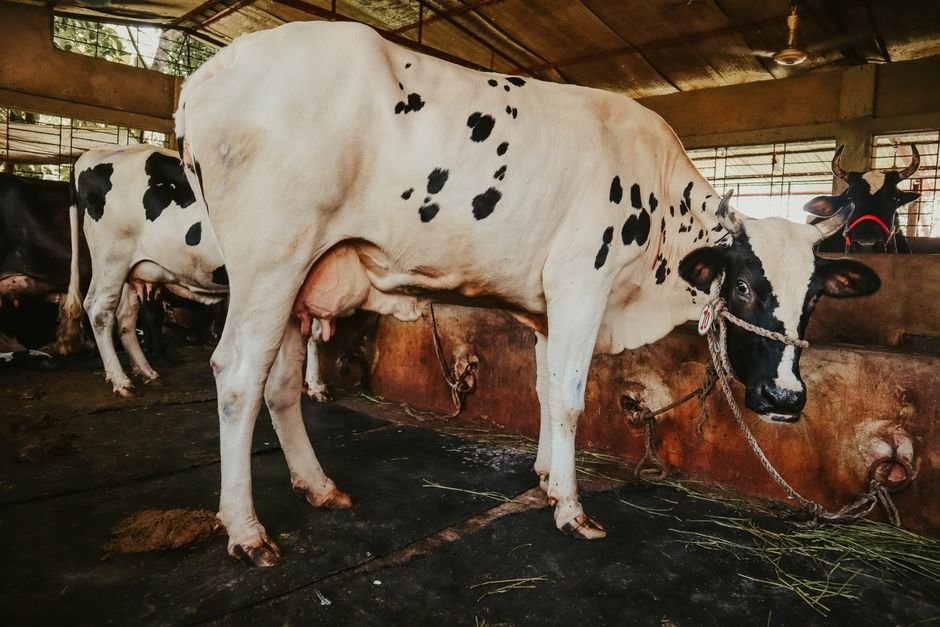
Gir cattle breed guide for beginners
Gir cattle are a hardy Indian dairy breed best known for their distinctive domed forehead, long pendulous ears, and high heat tolerance. They originated in the Gir forest region of Gujarat and are valued for milk, longevity, and adaptability in hot climates. For beginners, the main thing to know is that Gir cattle are not high-output temperate dairy cows like Holsteins; they are a tropical breed that can do well with simpler housing, good forage, and careful breeding.
What makes Gir cattle different?
Gir cattle belong to the Bos indicus group, often called zebu cattle. That matters because their biology is built for heat, humidity, and tougher grazing conditions. Compared with many European dairy breeds, Gir cattle usually have a loose skin, hump, and strong resistance to sun and insects. They are commonly red, white, or mottled, and their ears are long and leaf-shaped. The breed is especially prized in India because it combines milk production with resilience, which is useful where feed quality and cooling systems are limited.
One reason Gir cattle attract beginners is that they can be easier to manage in warm regions than imported dairy breeds. They are not “low maintenance,” but they are often more forgiving of heat stress. If you are choosing a breed for a small dairy herd in a tropical or subtropical area, Gir cattle are worth serious consideration because they fit local conditions better than many specialized milk breeds.
Quick facts about the Gir breed
| Trait | Gir cattle |
|---|---|
| Origin | Gir forest region, Gujarat, India |
| Breed type | Zebu dairy breed (Bos indicus) |
| Common colors | Red, white, red-and-white speckled, mottled |
| Distinctive features | Domed forehead, long ears, hump, loose skin |
| Best suited for | Hot climates, pasture-based systems, smallholder dairying |
| Known for | Heat tolerance, longevity, and milk with higher fat content than many common dairy breeds |
Milk production and what beginners should expect
Gir cattle are dairy animals, but they are not bred to match the sheer volume of high-input commercial Holsteins. In well-managed systems, a Gir cow can produce a useful amount of milk while staying more comfortable in heat. Milk yield varies widely by genetics, feeding, health, and whether the animal is purebred or crossbred. Beginners should focus less on chasing extreme yield and more on consistency, fertility, and total lifetime performance.
Gir milk is often valued for its richness. In Indian dairy discussions, zebu breeds such as Gir are commonly associated with higher butterfat than many high-yield exotic breeds, which can make the milk attractive for ghee, curd, and traditional dairy products. If your business model depends on fluid milk volume alone, you should compare Gir against local market demand and feed costs. If you want a breed that can hold condition and keep producing under heat stress, Gir can be a smart fit.
Temperament, handling, and herd behavior
Gir cattle are generally alert and can be gentle once accustomed to routine handling, but they are not usually as placid as some long-domesticated temperate dairy lines. Early training matters. Calves that are handled calmly, fed on schedule, and moved quietly through the same pens and lanes usually become easier adults. Sudden shouting, rough restraint, or irregular milking routines can make them harder to manage.
For beginners, the practical takeaway is simple: build a predictable system. Use the same milking order, keep handling tools consistent, and avoid overcrowding. A good Gir cow should learn to stand in a stanchion or tie area without panic. If you are buying animals, ask how they were raised and milked. A well-socialized heifer from a disciplined herd is usually a much better beginner choice than an unhandled adult, even if the adult looks impressive.
For more on this, see our related guide: 24 Best Cattle Breeds for Beginners: Calm, Hardy, and Easy to Manage.
How to identify a true Gir cow
True Gir cattle have a very recognizable profile, but lookalikes and crossbreds are common in many markets. The head is one of the easiest clues: Gir cattle usually have a prominent convex forehead, sometimes described as a “dome” or “roman” shape. Their ears are long and pendulous, often twisting outward. The horns typically curve outward and upward before sweeping inward. The body is deep and compact, with a noticeable hump over the shoulders.
If you are buying for breeding, don’t rely on appearance alone. Ask for pedigree records, breed registration if available, and the parentage of the animal. In India, breed improvement and registration work is associated with recognized livestock institutions and state breeding programs; documentation is your best defense against paying purebred prices for a crossbred animal. A genuine Gir should look like a Gir, but paper trail matters just as much as phenotype.
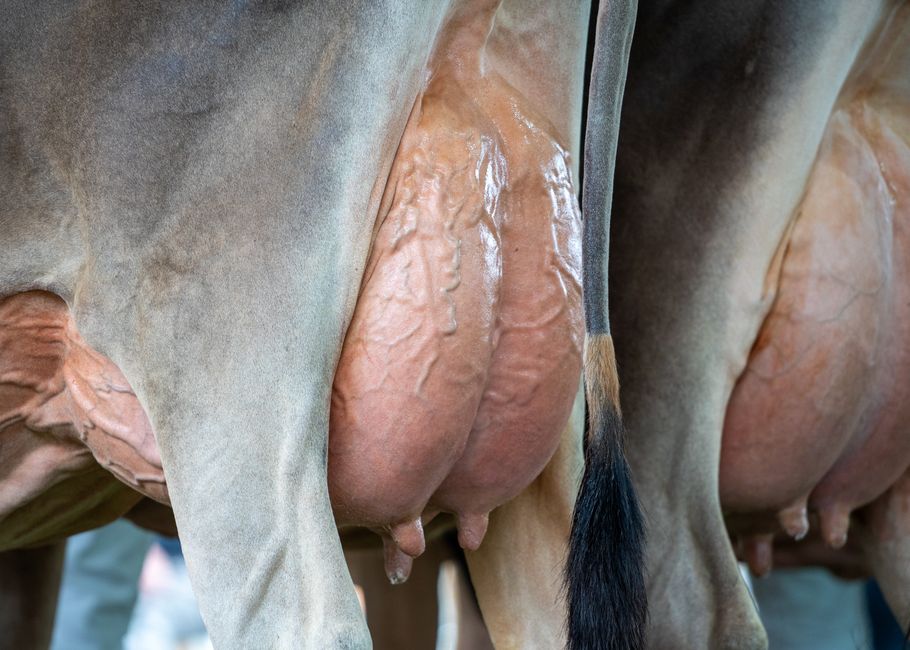
Gir cattle care basics for beginners
Gir cattle do best when they have shade, clean water, balanced fodder, and parasite control. Hot-climate breeds still need protection from direct sun, especially at midday. A simple shed with good airflow is usually enough if it stays dry and is large enough for the animals to lie down comfortably. Clean bedding reduces mastitis risk, and good drainage keeps feet healthier in wet seasons.
Feeding should be based on forage first: green fodder, dry roughage, and a concentrate ration matched to milk yield and body condition. Minerals matter, especially salt and a balanced cattle mineral mix. Beginners often underfeed minerals and overfeed grain, which creates problems faster than it increases milk. Regular deworming, vaccination, and hoof checks are part of the routine. Work with a local veterinarian on a schedule suited to your region, because disease pressure varies a lot by climate and management style.
Breeding and calf management
Gir cattle are valued not only for milk but also for reproduction in hotter regions. Good fertility is one of the reasons the breed remains popular with smallholders. When selecting breeding animals, prioritize sound legs, healthy udders, a calm temperament, and a strong maternal line. Avoid breeding from cows with repeated calving problems or chronic udder issues, even if they have attractive conformation.
Calf care sets the tone for the whole herd. Newborn calves should receive colostrum quickly after birth, be kept dry, and be observed for navel infection and scours. Early handling makes later milking and veterinary work easier. If you are using artificial insemination, keep accurate records of service dates, expected calving windows, and sire details. That recordkeeping helps you track performance and avoid guessing when a cow is due.
If you’re also looking into this, our article on 26. Best Cattle Breed for Small Acreage: 10 Top Picks for Efficient Farming covers it in more detail.
Gir cattle versus other dairy breeds
Beginners often compare Gir cattle with Holstein Friesians, Jersey cattle, and local indigenous breeds. Each has a different purpose. Holsteins are famous for high milk volume but usually need better cooling and feeding. Jerseys are smaller and often have rich milk, but they are still temperate-breed animals. Local indigenous cows may be more adapted to low-input systems, but their milk and growth traits can vary widely by region.
| Breed | Main strength | Climate fit | Beginner note |
|---|---|---|---|
| Gir | Heat tolerance, durability, useful milk | Hot and humid regions | Strong choice for tropical dairying |
| Holstein Friesian | Very high milk yield | Cooler or well-cooled systems | Needs stronger feed and housing management |
| Jersey | Rich milk, smaller frame | Moderate climates | Often easier than Holstein, but less heat-hardy than Gir |
| Local indigenous breeds | Adaptation to local conditions | Varies by region | Good option if you want lower-input cattle |
If your farm faces long hot seasons, inconsistent feed supply, or limited cooling infrastructure, Gir cattle often make more practical sense than a high-output exotic breed. If you have abundant feed, excellent housing, and a market that pays for volume, another breed may fit better.
Common mistakes beginners make with Gir cattle
The first mistake is assuming “heat tolerant” means “care free.” Gir cattle still need proper nutrition, clean water, vaccination, and parasite control. The second mistake is buying on looks alone without checking pedigree or the animal’s health history. The third is pushing milk yield too hard with poor-quality concentrate feeds and weak roughage. That usually hurts fertility and body condition.

Another common error is poor housing design. Even a tough breed struggles in muddy, poorly ventilated pens. Beginners also sometimes mix breeding goals: they want purebred Gir calves, high milk yield, and minimal management all at once. In reality, you need a clear goal. Decide whether you are building a breeding herd, a family milk herd, or a crossbreeding program, then manage toward that goal instead of chasing every advantage at once.
Buying checklist for your first Gir cattle
- Check identity: Look for the typical Gir head shape, ears, hump, and coat pattern, but also request records.
- Inspect health: Watch for clear eyes, smooth breathing, clean skin, sound feet, and a healthy udder.
- Ask about milk history: Confirm lactation stage, calving dates, and average daily yield from the seller.
- Review breeding records: Pedigree, sire details, and any AI or natural service information should be documented.
- Assess temperament: Choose animals that are manageable in a stall, milking area, or small paddock.
- Match the animal to your system: Buy for your feed, climate, and housing, not just for appearance.
If possible, visit the herd before you buy. Seeing how the animals are fed and handled tells you a lot about what to expect after purchase. A good seller should be able to explain the cow’s age, calving record, health care, and feeding program without hesitation.
This ties in closely with How to Start Raising Cattle on a Small Farm: A Practical Guide, worth a look if you want to go deeper.
Frequently Asked Questions
Are Gir cattle good for small farms?
Yes, especially in hot regions where high-maintenance exotic dairy breeds can struggle. Gir cattle suit small farms that can provide decent forage, shade, and basic herd health care. They are a practical choice when you want a resilient dairy animal rather than the absolute highest milk volume.
How much milk does a Gir cow give?
Milk yield varies a lot by genetics, feed quality, stage of lactation, and management. Instead of expecting a fixed number, think in terms of a useful but variable production level. Well-managed Gir cows can be productive, but they are not typically chosen for extreme commercial volume like top Holsteins.
What is the main difference between Gir and Jersey cattle?
Gir cattle are zebu cattle from a hot-climate background, while Jerseys are temperate dairy cattle known for rich milk and smaller size. Gir generally handles heat and tougher conditions better. Jersey often fits moderate climates and managed dairy systems well, but it is usually less heat-adapted than Gir.
How do I know if a Gir cow is purebred?
Look for the breed’s distinctive body shape, but do not rely on appearance alone. Ask for pedigree records, registration papers if available, and parentage details. In many markets, crossbred animals can resemble Gir cattle, so documentation is the safest way to confirm purity.
What should I feed Gir cattle every day?
A Gir cow should get good-quality forage first, such as green fodder and dry roughage, plus concentrate only as needed for milk production and body condition. Clean water and a balanced mineral mix are essential. The exact ration should be adjusted to age, weight, lactation stage, and local feed availability.