
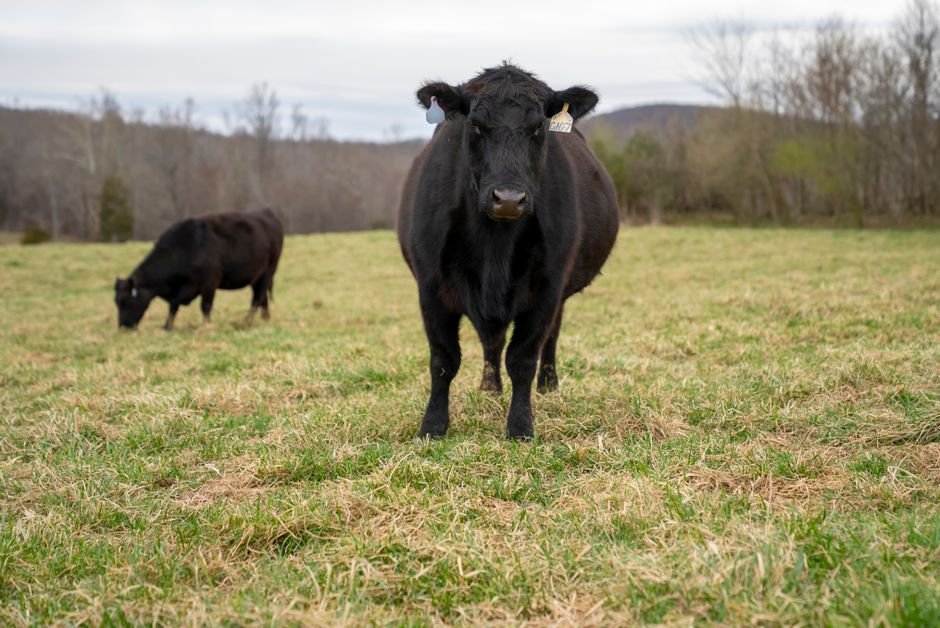
How cow senses change the way you should handle cattle
Cows should be handled with their senses in mind: they see wide but have blind spots, hear sharply, smell intensely, and react strongly to pressure, noise, and sudden movement. That means you should approach calmly from the side, keep your voice low, avoid quick gestures, and use their flight zone and point of balance to guide movement instead of pushing or chasing. Good handling is less about force and more about controlling what the cow perceives.
Those sensory traits explain why a cow that looks “stubborn” is often simply confused, startled, or trying to escape pressure it can sense before you realize you’ve applied it. If you work with cattle in a chute, pasture, or trailer, the smartest handling starts with understanding what the animal notices first.
Why a cow’s senses matter more than your strength
A cow does not experience handling the way a person does. It relies heavily on vision, hearing, smell, and touch to judge threat and safety. That is why a handler can make the same animal move either smoothly or explosively depending on how they enter its field of view, how much noise they make, and how much physical pressure they apply. The University of California Division of Agriculture and Natural Resources and other livestock extension programs consistently teach that cattle respond best to calm, predictable movement.
In practical terms, this means handling is a communication problem before it is a strength problem. If you understand what a cow detects, you can move it with less stress, fewer bruises, and a lower risk of kicking, balking, or crowding. The goal is not to dominate the animal. The goal is to make your actions easy for the cow to interpret.
How cow vision affects approach and movement
Cattle have a broad field of vision, estimated at about 300 degrees, which helps them spot predators but also makes them sensitive to movement around them. They see well to the sides, but depth perception is weaker directly in front of the nose and behind the tail because of blind spots. Sudden motion at the edge of their vision can trigger flight far faster than a person expects.
That is why you should approach at an angle rather than straight-on, move steadily rather than darting in and out, and avoid standing in a cow’s blind spot where it may whip around to check what it cannot see. When moving cattle through alleys or pens, keep the path visually simple. Hanging jackets, flapping tarps, reflective puddles, shadows, and sharp contrasts can all make a cow hesitate or refuse to enter an area.
| Visual feature | What the cow perceives | Handling response |
|---|---|---|
| Wide side vision | Sees handlers and movement from far off to the side | Approach slowly at an angle; avoid sudden side movements |
| Blind spots | Cannot clearly see directly behind or close under the nose | Do not crowd from behind; avoid sudden contact in front of the face |
| Depth perception limits | May hesitate at shadows, puddles, narrow gates, or changes in footing | Keep alleys well lit and footing uniform |
| Motion sensitivity | Notices quick or erratic movement immediately | Use slow, deliberate steps and quiet body language |
Hearing: quiet handling works better than loud correction
Cattle have sensitive hearing and can react to sudden metallic bangs, shouting, whistles, barking dogs, or the clatter of chains. A cow may not understand a loud command as “go forward”; it may simply hear a threat. This is one reason many low-stress stockmanship programs emphasize soft voice cues and reduced noise in pens, alleys, and loading areas.
For more on this, see our related guide: Proven Tips to Reduce Weaning Stress in Calves During Hot Weather.
For handling, that means closing gates gently, turning off unnecessary machinery, and speaking in a steady tone. If you must use a vehicle or motorized equipment, keep it idling only when needed and avoid revving near the herd. One loud event can undo several minutes of calm movement. If cattle already seem tense, stop adding sound before you try to move them again.
Smell: cows notice people, animals, and changes in the environment
Smell is one of the most important senses in cattle behavior. Cows use odor to recognize herd mates, detect unfamiliar animals, and assess whether something feels safe. A new dog, strong fuel odor, disinfectant smell, or human scent from an unfamiliar person can change how a cow behaves. This is especially noticeable around calves, new groups, or freshly moved animals.
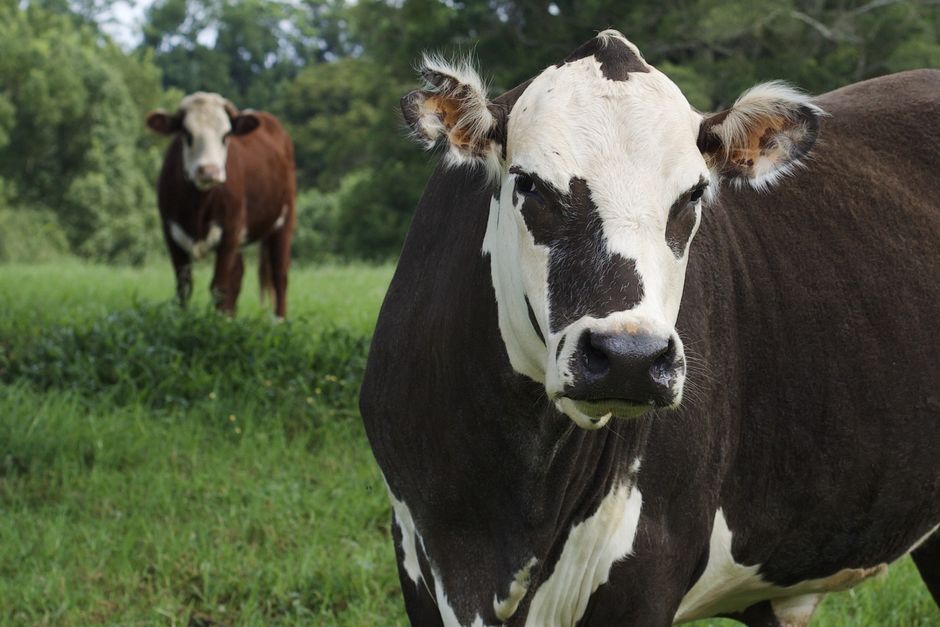
Handling should account for this by keeping the environment consistent whenever possible. Avoid walking cattle through areas with strong chemical odors or near equipment that leaks fuel or exhaust. When introducing new animals, expect more hesitation because the group is sorting out social and scent cues. In dairy settings, cows also notice routine changes quickly, so a handler who smells and moves differently may cause more alarm than expected.
Touch and pressure: the cow’s body is highly responsive
Cattle respond strongly to touch, pressure, and release. A hand on the neck, a board at the shoulder, a gate closing behind the flank, or a crowding fence line all create physical cues the cow interprets instantly. The best handlers use pressure with purpose and release it as soon as the animal moves correctly. Holding pressure too long often creates resistance; releasing at the right moment teaches the cow where to go.
This principle is central to low-stress livestock handling. Rather than driving from behind in a continuous push, skilled handlers work with the cow’s natural tendency to move away from pressure. If a cow stops, it may be because the pressure is poorly timed, too intense, or coming from the wrong place. Soft touch, clear spacing, and timely release are more effective than force.
Flight zone and point of balance: the two handling tools you use most
The flight zone is the animal’s personal space. When you step into it, the cow usually moves away. The point of balance is commonly near the shoulder; when you move behind that point, the cow tends to move forward, and when you move ahead of it, the cow may slow or turn. These are not tricks; they are responses to how cattle perceive threat and direction.
Using these tools correctly makes handling safer and faster. To move cattle forward, step into the edge of the flight zone behind the shoulder, then back off as the animal moves. To stop or turn a cow, reduce pressure or shift position ahead of the point of balance. The exact response varies by breed, temperament, and how much the animal has been handled, so watch the individual cow rather than relying on a rigid formula.
If you’re also looking into this, our article on Can Cows Eat Watermelon? How to Safely Feed Cull Fruit to Your Herd covers it in more detail.
Handling changes by situation: pasture, chute, trailer, and dairy barn
Different environments change what the cow senses first. In pasture, cattle rely heavily on vision and smell, so your approach angle and body language matter most. In a chute or alley, sound, pressure, and footing become more important because the animal has less room to avoid what it perceives. In a trailer, light changes, shadows, and traction are common problems. In a dairy barn, routine and familiarity often determine whether cows move willingly.
| Setting | Main sensory trigger | Handling priority |
|---|---|---|
| Pasture | Movement and smell | Approach from the side and avoid crowding the herd |
| Chute or alley | Noise, pressure, footing | Keep it quiet, dry, and free of sharp contrasts |
| Trailer | Light, shadows, confinement | Use even lighting and steady forward flow |
| Dairy barn | Routine and human familiarity | Keep schedules and handler behavior consistent |
What low-stress handling looks like in practice
Low-stress handling is not a slogan; it is a set of habits that match cattle senses. Walk instead of run. Face the animal without looming over it. Give it time to process changes in direction. Use the herd’s natural tendency to follow other cattle when possible. Keep gates, chutes, and loading ramps free of distractions that break the cow’s focus.
Handlers often make the mistake of repeating a cue louder or harder when the cow does not move. Usually the fix is not more force but better timing. Step away from the pressure point, let the animal regain balance, then re-apply a smaller cue. Cattle move best when they can predict what happens next. Predictability lowers panic.
Common mistakes that make cows harder to handle
Several mistakes create problems because they overload the cow’s senses. These include yelling, hitting panels, standing directly in a blind spot, driving cattle too fast, and forcing animals into dark or slippery spaces. Another common error is assuming one cow’s response applies to every cow. A nervous heifer, a calm mature cow, and a freshly weaned calf may all react differently to the same handler.

If cattle are balking, check the environment before blaming the animals. Look for shadows, puddles, sharp noise, dogs, strange odors, loose objects, or poor footing. Often the “problem cow” is reacting normally to a handler mistake. Fix the sensory trigger and the behavior usually improves quickly.
Frequently Asked Questions
What sense do cows rely on most when being handled?
Cows rely on several senses at once, but vision and hearing often shape handling the fastest. They notice movement quickly, react to loud noise, and use smell to decide whether a situation feels familiar or threatening. Good handling accounts for all three.
This ties in closely with What Are the Most Common Mistakes with Cow Behavior?, worth a look if you want to go deeper.
Why do cows sometimes stop at shadows or puddles?
Cattle can be cautious around changes in light, contrast, and footing because their depth perception is limited and unfamiliar surfaces feel risky. A shadow or puddle may look like a hole, obstacle, or unstable surface, so the cow hesitates until it can assess the area.
Is it better to move cows quietly or with a lot of energy?
Quiet, steady handling is usually better. Loud voices, banging gates, and fast movement can trigger flight behavior. A calm handler who uses position, spacing, and timing usually moves cattle more safely than someone who tries to force speed.
How close can you get before a cow moves away?
That depends on the cow’s temperament, prior handling, and setting. The useful concept is the flight zone: when you enter that personal space, the animal usually moves. Some cattle have a very small flight zone from frequent handling, while others need much more room.
Do all breeds respond the same way to handling?
No. Breed, age, previous experience, and temperament all affect response. A well-handled dairy cow often tolerates closer human contact than a beef animal that has had less exposure. Even within the same herd, individuals can react very differently.
This article is for general information and isn’t a substitute for advice from a qualified veterinarian or livestock handling professional.