
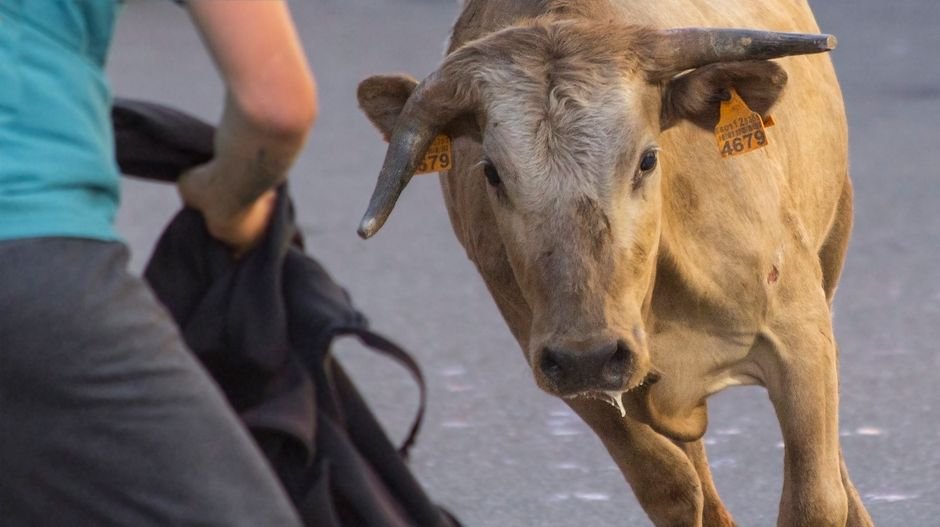
Bulls are dangerous enough to cause serious injury or death, even when they appear calm. Their risk comes from size, speed, strength, and unpredictable behavior, especially during breeding season or when they feel crowded, challenged, or startled. A mature bull can weigh well over 1,500 pounds, and a single charge, head butt, or kick can be catastrophic for anyone nearby.
Why bulls can be so dangerous
The danger is not just that bulls are larger than cows. Bulls are intact males with strong territorial and sexual instincts, and those instincts can make them far less tolerant of pressure, noise, or unfamiliar people. They also have a low center of gravity, powerful neck and shoulder muscles, and a habit of using their heads to test boundaries. Unlike cows, which are often easier to read in a handling system, bulls may switch from neutral to aggressive very quickly.
Most serious bull injuries happen during routine work: moving animals, checking fences, feeding, breeding, or simply entering a pen. The risk rises when a person underestimates the animal, turns their back too soon, or works alone. Bulls may also become more reactive if they have learned that people retreat when they push forward, which is why consistency and respect matter so much in bull handling.
What makes a bull more likely to attack?
Not every bull is equally dangerous. Behavior depends on genetics, age, past handling, pain, and the situation at the moment. A young bull that has been handled regularly may be easier to manage than an older bull that has had little human contact, but either one can be hazardous. Aggression often increases during the breeding season, when a bull is protecting cows or reacting to competition from other males.
Several common triggers can set off a bull:
- Sudden movement or loud noise
- Direct eye contact or a perceived challenge
- Feeling trapped in a narrow alley or corner
- Pain from lameness, injury, or illness
- Presence of other bulls or unfamiliar animals
- People entering the pen without an escape route
Familiarity does not equal safety. Bulls that have been bottle-raised or hand-fed can be especially dangerous because they may lose fear of humans while still retaining full adult strength.
How dangerous are bulls compared with cows?
Cows can be dangerous too, especially fresh cows protecting a calf, but bulls are usually considered the higher-risk animal because they combine bulk, aggression, and breeding behavior. A cow may defend a calf for a short period, while a mature bull can remain a risk every day of the year. Bulls are also more likely to challenge human movement, test fences, and react to other males.
For more on this, see our related guide: Proven Tips to Reduce Weaning Stress in Calves During Hot Weather.
| Trait | Bulls | Cows |
|---|---|---|
| Typical adult size | Often 1,500+ pounds, depending on breed | Often 1,000–1,400 pounds, depending on breed |
| Behavioral risk | High, especially during breeding and handling | Moderate to high around calves or during illness |
| Predictability | Can be less predictable and more territorial | Often more manageable, but still situationally defensive |
| Human interaction | Should be handled with strict caution | Usually safer, but still requires respect and awareness |
Breed matters too. For example, beef bulls such as Angus, Hereford, Charolais, and Simmental can all be dangerous if mishandled, but temperament varies widely within every breed. A calm bull is still not a pet.
When bull attacks happen most often
Many injuries happen in the moments people feel least worried: feeding time, checking water, sorting animals, or moving a bull from one pasture to another. Working alone increases the danger because there is no backup if an animal blocks the gate or knocks someone down. Injuries also spike when bulls are moved through unfamiliar facilities, such as sale barns, loading chutes, or temporary pens, where escape routes are limited.
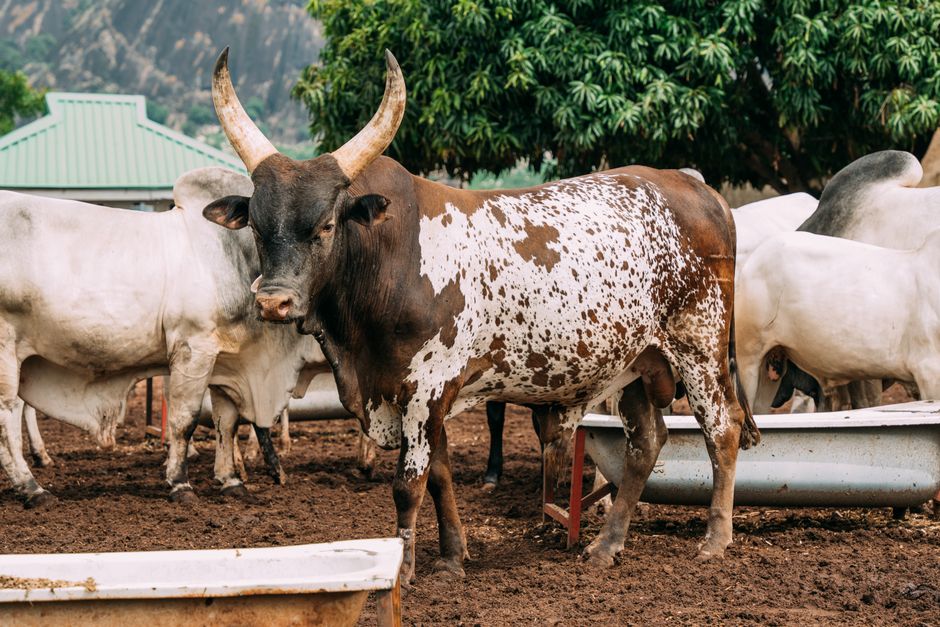
Another common risk is distraction. A person focused on a bucket, a gate latch, or another animal may not notice a bull watching them from the side. Bulls often charge from short distances, and because they are fast for their size, there may be little warning. That is why experienced handlers keep their attention on the animal’s posture, not just its location.
Signs a bull may be getting ready to charge
Warning signs are not guaranteed, but they can buy a few seconds of safety. A bull that lowers its head, paws the ground, snorts, stiffens its body, or fixes its gaze on a person is signaling concern or challenge. Tail switching, sideways movement, and repeated short advances can also mean the animal is escalating. If the bull stops feeding and starts tracking your movement, take that seriously.
It helps to remember that some bulls do not give dramatic warnings. A quiet, still bull can be just as dangerous as a noisy one. The safest response is to assume that any bull may react if you enter its space too quickly or too confidently. Never turn your back on a bull in close quarters, and never count on a fence that is weak, low, or poorly maintained.
How to stay safe around bulls
The safest approach is simple: reduce contact, stay predictable, and never give a bull an easy chance to corner you. Bulls should be housed in secure fencing designed for livestock, not lightweight panels or temporary barriers meant for smaller animals. Strong perimeter fencing, solid gates, and separate handling areas all reduce risk. Many farms also use a clear “bull pen” layout so workers can move without getting trapped.
If you’re also looking into this, our article on Can Cows Eat Watermelon? How to Safely Feed Cull Fruit to Your Herd covers it in more detail.
Good handling habits matter just as much as infrastructure. Avoid working bulls alone whenever possible. Move calmly, use a route with an exit, and keep gates between you and the bull whenever you can. Tools like sorting sticks, panels, and alleyways are useful because they create distance. Never rely on yelling or physical force to control a bull, since that usually increases agitation instead of reducing it.
Practical safety rules that matter most
- Keep bulls in well-maintained fencing, not makeshift barriers
- Never enter a pen without planning an escape route
- Avoid working alone with a mature bull
- Stay out of blind spots and avoid sudden movements
- Separate aggressive bulls from cows and other bulls when possible
- Use handling facilities designed for cattle, such as chutes and alleys
Handling and breeding management that lowers risk
Risk starts long before a bull is turned out with cows. Selection matters: bulls with consistently aggressive temperaments should not be kept for breeding if safer options are available. Many producers work with veterinarians and herd managers to evaluate soundness, fertility, and temperament before breeding season. A bull that is lame, injured, or in pain is more likely to lash out, so regular health checks are important.
Breeding management can also reduce danger. Rotational use, proper bull-to-cow ratios, and separate holding areas make handling more orderly. Some operations use breeding soundness exams before turnout, a standard practice in many beef herds to assess semen quality, physical condition, and reproductive capability. While the exam is about fertility, it also gives handlers a chance to identify bulls that are physically compromised and potentially harder to manage safely.
What to do if a bull charges
If a bull charges, your goal is to create distance and get behind a solid barrier as quickly as possible. Do not freeze in place, and do not try to outrun the animal in a straight line if a fence, gate, vehicle, or building is closer. Move deliberately toward the nearest safe structure while keeping obstacles between you and the bull. If you are knocked down, protect your head and neck and try to get to cover as soon as the animal moves away.

If a bull is behaving aggressively in a pen or pasture, do not try to “teach it a lesson.” Leave, secure the area, and get help from someone experienced with cattle handling. A bull that has already charged once should be treated as a serious hazard, not as a one-time mistake. Repeated aggression often means the animal needs different management or removal from the herd.
Frequently Asked Questions
Are bulls always aggressive?
No. Some bulls are relatively calm, especially if they have been selected and handled carefully. But calm behavior does not make a bull safe. Even a docile bull can react suddenly if startled, crowded, or challenged, and one bad moment is enough to cause a severe injury.
This ties in closely with Essential Cattle Farm Checklist for Handling Basics: A Practical Guide, worth a look if you want to go deeper.
Can a bull be kept as a pet?
A bull should not be treated like a pet. Bottle-raised or hand-fed bulls can become more dangerous because they lose fear of people while keeping their adult strength and territorial instincts. Many livestock safety experts strongly discourage close pet-style handling of mature bulls.
What is the safest way to move a bull?
Use proper cattle handling facilities: sturdy fencing, alleys, and gates that guide the bull without trapping the handler. Move slowly, stay calm, and work with at least one other person when possible. Never place yourself in a dead-end space where the bull can turn and block you.
Are horned bulls more dangerous than polled bulls?
Horned bulls can be more hazardous because horns add another way to injure a person, but horn status is only one part of the risk. A polled bull can still be extremely dangerous due to weight, speed, and aggression. Good handling is more important than horn status alone.
When should a dangerous bull be removed from the herd?
If a bull repeatedly charges, ignores handling boundaries, or becomes aggressive without clear cause, removal is usually the safest option. A bull that has already injured a person should be treated as a major liability. In many herds, culling is the responsible choice when temperament poses an ongoing risk.
This article is for general information only and isn’t a substitute for advice from a qualified veterinarian or livestock safety professional.