
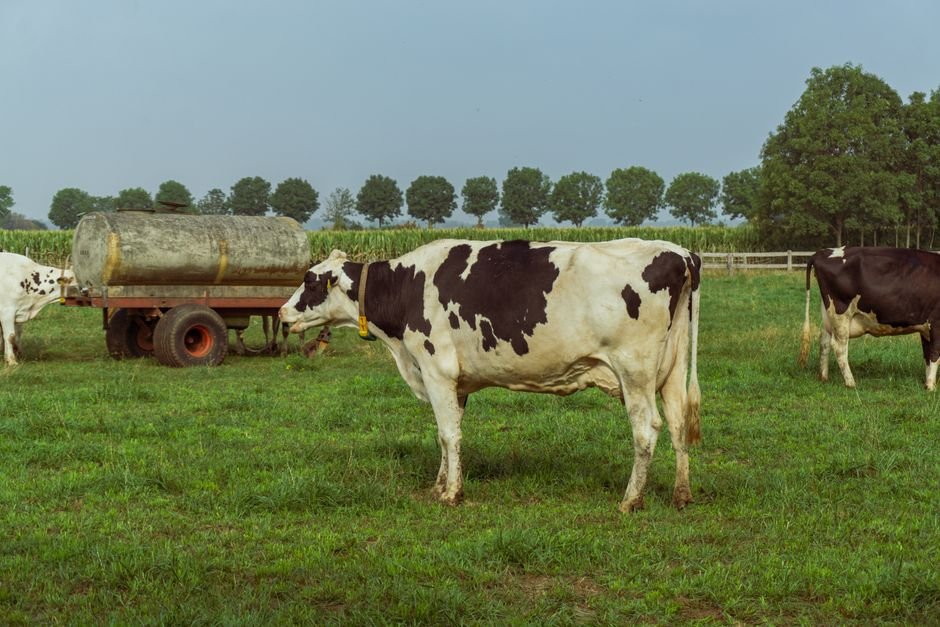
How taurine and indicine cattle differ in origin
Taurine cattle and indicine cattle come from two separate domestication events. Taurine cattle, Bos taurus, were domesticated from the wild aurochs in the Fertile Crescent and nearby regions of the Near East about 10,000 years ago. Indicine cattle, Bos indicus, also called zebu, were domesticated later from South Asian aurochs in the Indus Valley and surrounding areas. Their different origins explain many of the visible and genetic differences people still see today.
Two domestication centers, not one
The simplest way to understand the split is geography. Taurine cattle trace back to the Middle East, especially the arc of land often called the Fertile Crescent, where early farming communities began managing cattle after the end of the last Ice Age. Indicine cattle trace back to the Indian subcontinent, where a separate population of wild aurochs was domesticated independently. Genetic studies published over the last two decades have consistently supported this two-origin model rather than a single domestication followed by later spread.
That matters because the two lineages were shaped by different environments from the start. Near Eastern taurine cattle developed in a temperate to Mediterranean setting, while indicine cattle evolved under hotter, more seasonal, and often more parasite-heavy conditions in South Asia. Those early pressures helped set the stage for heat tolerance, body shape, and even ear and hump traits that are still associated with indicine cattle today.
A quick comparison of their origins
| Feature | Taurine cattle | Indicine cattle |
|---|---|---|
| Scientific name | Bos taurus | Bos indicus |
| Domestication center | Fertile Crescent / Near East | Indus Valley / South Asia |
| Wild ancestor | Near Eastern aurochs | South Asian aurochs |
| Approximate domestication date | About 10,000 years ago | About 8,000–9,000 years ago, depending on the study |
| Typical early environment | Temperate, Mediterranean, agricultural river valleys | Hotter, more humid or monsoonal South Asian climates |
| Common later spread | Europe, the Americas, temperate regions worldwide | South Asia, tropical regions, Africa, and the tropics through crossbreeding |
Taurine cattle: the Near Eastern domestication line
Taurine cattle are the lineage most people picture when they think of European dairy and beef breeds. Their domestication began from wild aurochs in the Near East, and archaeological evidence places early managed cattle among the first livestock kept by settled farming communities. From there, taurine cattle spread into Europe with Neolithic farmers, then much later across the Americas and other regions through colonial expansion and modern breeding programs.
Because they were developed in relatively cooler regions, taurine cattle tend to be less heat-tolerant than indicine cattle. That does not mean they cannot thrive in warm climates, but they generally need more management when exposed to heat, humidity, and heavy parasite pressure. Famous taurine breeds include Holstein Friesian, Jersey, Angus, Hereford, and Simmental. These breeds were shaped much later than domestication itself, but they all sit on the taurine branch.
Indicine cattle: the South Asian zebu line
Indicine cattle were domesticated separately in South Asia and are commonly called zebu. The hump over the shoulders is the most obvious visual clue, but the origin story is more important than the look. Zebu cattle were selected in environments where heat, drought, and disease pressure were major survival factors. Over time, that helped favor traits such as loose skin, larger sweat glands, and better tolerance of tropical climates.
For more on this, see our related guide: Proven Tips to Reduce Weaning Stress in Calves During Hot Weather.
Indicine cattle later spread beyond South Asia into Africa and other warm regions, where their climate hardiness made them valuable. Breeds such as Brahman, Gir, Nelore, Sahiwal, and Ongole all reflect indicine ancestry. In many countries, indicine genetics are also used in crossbreeding programs to improve heat tolerance in taurine-based herds. The result is that indicine cattle are not just “different-looking cows”; they represent a distinct domestication history with practical consequences for modern livestock production.
Why origin matters today
The origin split between taurine and indicine cattle still affects how farmers and breeders use them. In temperate dairy systems, taurine cattle often dominate because they fit cooler climates and high-input production models well. In tropical beef systems, indicine cattle or taurine-indicine crosses often perform better because they handle heat and parasites more effectively. This is one reason breeds like Brahman are so influential in the southern United States, Brazil, Australia, and other warm regions.
Origin also matters in genetics and breed classification. Many modern cattle populations are composites rather than “pure” taurine or indicine. For example, Brangus combines Angus and Brahman ancestry, while Santa Gertrudis includes Shorthorn and Brahman influence. These crossbreds were created specifically to combine taurine carcass or milk traits with indicine heat tolerance. So when people ask how taurine and indicine cattle differ in origin, they are also asking why some cattle are better suited to certain climates and production goals than others.
How scientists tell the two apart
Scientists do not rely only on visible traits like humps or horn shape. They use mitochondrial DNA, Y-chromosome markers, autosomal DNA, and whole-genome studies to reconstruct cattle ancestry. Those tools show a deep split between the two lineages, with taurine and indicine cattle sharing a common wild ancestor far back in time but being domesticated separately in different regions. Ancient DNA from archaeological remains has strengthened this picture by linking early cattle from the Near East to taurine ancestry and early South Asian remains to indicine ancestry.
If you’re also looking into this, our article on Can Cows Eat Watermelon? How to Safely Feed Cull Fruit to Your Herd covers it in more detail.

This genetic work has also shown that many modern breeds carry mixed ancestry because cattle have been traded and crossbred for centuries. That is why a modern herd can include animals with both taurine and indicine contributions, even if they are described by one label in everyday use. In practical terms, “origin” in cattle often means both the original domestication center and the genetic legacy that followed.
Common misconceptions about taurine and indicine cattle
One common mistake is assuming indicine cattle are simply “tropical taurine cattle.” They are not. Their domestication history is separate, and that difference shows up in genetics as well as appearance. Another misconception is that taurine cattle are always European and indicine cattle are always Indian in a modern national sense. The real story is older and broader: both lineages were domesticated from regional aurochs populations long before modern national borders existed.
It is also easy to overstate the visual differences. Humps, drooping ears, and loose skin are common in indicine breeds, but not every animal fits the textbook image perfectly. Crossbreeding can blur the line, and some taurine breeds can look surprisingly adapted to heat after generations of selection. Still, the origin difference remains the key distinction: taurine cattle arose in the Near East, and indicine cattle arose in South Asia.
Frequently Asked Questions
Are taurine and indicine cattle the same species?
They are usually treated as two domesticated lineages within domestic cattle, often written as Bos taurus and Bos indicus. In everyday livestock use, they are distinct types of cattle with different origins, traits, and breeding histories, even though they can interbreed freely.
Which came first, taurine or indicine cattle?
Taurine cattle were domesticated first, roughly around 10,000 years ago in the Near East. Indicine cattle were domesticated later in South Asia, with estimates often placed several thousand years after the taurine event. Exact dates vary by study, but the two-origin sequence is well supported.
This ties in closely with The Ultimate Cattle Farm Checklist for Starting a Small Herd, worth a look if you want to go deeper.
Why do indicine cattle have a hump?
The hump is a hallmark of zebu cattle, but it is only one visible sign of indicine ancestry. It is associated with the lineage’s long adaptation to hot climates and is often mentioned alongside loose skin and heat tolerance. The hump itself is not the reason for their success; it is part of a broader set of inherited traits.
Can taurine and indicine cattle be crossed?
Yes. They cross very successfully, which is why many commercial breeds and composites exist. Farmers often use crossbreeding to combine taurine production traits with indicine heat and parasite tolerance. Examples include Brangus and Santa Gertrudis, both of which were developed for practical performance in challenging climates.
Which cattle type is better for hot climates?
Indicine cattle are generally better suited to hot, humid, and parasite-rich environments because that is where they evolved. Taurine cattle can still be raised in warm regions, but they often need more management, shade, and careful breed selection. Crossbreeding is a common solution when producers want both heat tolerance and high production.