

Introduction to Starting a Small Cattle Herd
Starting a small cattle herd can be a rewarding agricultural venture, whether you’re aiming to produce beef, dairy, or even breeding stock. However, success hinges on careful planning and preparation. This checklist guides you through the essential steps, from selecting land to choosing cattle breeds, setting up infrastructure, and managing ongoing herd care. Each section provides concrete examples and numbers, helping you organize your resources and expectations effectively.
Expanding your knowledge base and aligning your goals with practical strategies is critical. For instance, understanding local market demands can inform whether you focus on niche beef breeds or high-yield dairy cattle. Additionally, gaining familiarity with regional climate patterns and forage cycles will help optimize grazing schedules and reduce feed costs. By integrating traditional husbandry techniques with modern technology, even small-scale producers can achieve profitability and sustainability.
1. Assessing and Preparing Your Land
Before purchasing cattle, ensure your land is suitable for grazing, shelter, and future infrastructure development.
Size and Grazing Capacity
- Recommended acreage: For a small herd of 5-10 head, 10-20 acres is typically necessary, depending on forage quality and regional climate. For example, in the Midwest US, one cow-calf pair requires approximately 2 acres of good pasture per year.
- Land quality: Soil fertility, drainage, and forage types like Bermuda grass, fescue, or clover impact the productivity of your pasture.
To put this into perspective, a well-managed pasture in Missouri may yield 3 to 5 tons of dry matter per acre annually, supporting approximately 1.5 animal units per acre. In contrast, arid regions like parts of Texas might only support 0.3 to 0.6 animal units per acre, requiring larger acreage or supplemental feeding. Incorporating legumes such as red clover or alfalfa into your pasture mix can enhance nitrogen fixation, improving soil fertility and forage quality.
Beyond acreage, the shape and terrain of your land affect stocking density and management ease. Steep slopes may reduce usable grazing area and increase erosion risks, while flat, well-drained fields facilitate rotational grazing and equipment access. Soil testing is essential: pH levels between 6.0 and 7.0 are ideal for most forage species. Adjusting pH with lime applications, based on test results, can dramatically improve pasture productivity.
Water Supply
Reliable water access is critical. Each cow drinks between 10-20 gallons daily, so multiple water points or a large pond with a trough system are recommended. A solar-powered automatic waterer can save labor and ensure consistent hydration.
For example, a 10-head herd might require a water source capable of delivering up to 200 gallons daily. Consider installing frost-free hydrants or heated waterers in colder climates to prevent freezing. Additionally, natural water sources such as streams or ponds require fencing off to prevent contamination and erosion. Installing gravity-fed watering systems or solar-powered pumps can minimize operational costs and reduce reliance on electricity in remote locations.
Water quality testing is also important to detect contaminants such as nitrates, bacteria, or heavy metals that can adversely affect cattle health and productivity. Regular maintenance of troughs to prevent algae buildup and debris accumulation will ensure water availability remains consistent throughout the year.
Fencing and Containment
Durable fencing protects cattle and neighbors. Options include:
- Barbed wire fences: Cost-effective and common for beef cattle, but less suitable for dairy cattle or calves due to injury risk.
- High-tensile electric fences: Flexible and secure; a 5-wire electric fence costs about $1,000-$1,500 per mile in materials.
- Wood or pipe fencing: Expensive but durable, ideal for handling areas or show cattle.
When deciding on fencing, consider the long-term maintenance costs and the behavior of your herd. For instance, high-tensile electric fencing requires periodic energizer checks and vegetation control to prevent shorts, but it greatly reduces the risk of escapes compared to traditional fencing. Temporary electric fencing can also be employed for rotational grazing paddocks, enabling flexible pasture management.
Additionally, incorporating a multi-gate system in handling areas facilitates movement and sorting, reducing stress on animals. Corner posts and brace assemblies must be engineered to withstand the tension of high-tensile wires, especially in windy areas. For smaller farms, visual barriers such as vinyl rail fences enhance aesthetics and provide safety, especially around calves and crossbred cattle more prone to injury.
2. Selecting the Right Cattle Breed
Breed choice depends on your farm’s purpose, climate, and market. Here are some common options for small herds:
| Breed | Purpose | Adaptability | Typical Weight (Adult) | Milk Production (if dairy) |
|---|---|---|---|---|
| Angus | Beef | Temperate climates | 1,000-1,300 lbs | N/A |
| Hereford | Beef | Cold and temperate zones | 1,200-1,400 lbs | N/A |
| Jersey | Dairy | Hot and humid climates | 900-1,100 lbs | 4,500-6,000 lbs/year |
| Holstein | Dairy | Temperate zones | 1,200-1,500 lbs | 20,000-26,000 lbs/year |
| Dexter | Dual purpose | Small farms, variable climates | 600-1,000 lbs | 3,000-5,000 lbs/year |
In addition to these common breeds, consider heritage or less common breeds that might offer unique advantages. For example, the Red Poll breed is noted for its docile temperament and dual-purpose capabilities, especially suited to smaller farms focusing on sustainability. The Murray Grey, known for excellent meat quality and heat tolerance, fits well in warmer regions.
Genetic traits such as calving ease, disease resistance, and feed efficiency should also guide your selection. For instance, breeds like the Angus have a reputation for good maternal instincts and moderate frame size, reducing birthing complications and feed costs. Crossbreeding strategies, such as combining Hereford with Angus (Black Baldies), often capitalize on hybrid vigor, improving growth rates and fertility.
Market demands should inform breed choice as well. Specialty markets for grass-finished beef or raw milk require breeds that perform well under specific management systems. For example, Jerseys are often preferred for raw milk due to higher butterfat content, appealing to artisan cheese producers.
3. Infrastructure Essentials
Shelter and Handling Facilities
Cattle need protection from extreme weather, especially calves. Consider:
- Basic shelter: A three-sided shed or barn with 100-150 sq ft per animal.
- Handling equipment: Chutes, headgates, and pens facilitate safe vaccination, weighing, and sorting.
- Feed storage: A secure area for hay and grain protects feed from moisture and rodents.
When designing shelter, consider ventilation to prevent respiratory illness. A well-ventilated barn reduces humidity and ammonia buildup. Thermal insulation or windbreaks help in colder climates, reducing feed consumption by up to 20% during winter. Calves are particularly vulnerable; dedicated calf hutches or pens with straw bedding and supplemental heat lamps can improve survivability rates.
Handling facilities should be designed with animal flow in mind to minimize stress and injury. For example, curved chute designs exploit cattle’s natural tendency to move in circles, improving movement efficiency. The expected throughput should match your herd size: a handling system for 10 cows will not require the same scale or investment as a larger operation, but quality components like adjustable headgates and anti-slip flooring are still important for safety.
Feed storage areas should be elevated or built with concrete floors to prevent moisture infiltration and rodent infestation. For hay, proper stacking methods with adequate airflow can prevent mold, which causes respiratory issues in cattle. Grain storage should include secure bins or silos, and consider integrating pest control strategies such as traps or sealed containers.
Equipment and Tools
Key equipment for a small herd includes:
- ATV or utility vehicle for pasture checks and feed delivery.
- Portable water tanks for rotational grazing.
- Hay feeders to reduce waste (round bale feeders cost $200-$400 each).
- Basic veterinary supplies: syringes, dewormers, fly control products, and first aid kits.
Additional useful tools include a livestock scale to monitor weight gains accurately and a portable squeeze chute if your budget allows. Early identification of weight trends helps in adjusting nutrition or health protocols promptly.
Fly control is critical during warmer months; traps, sprays, dust bags, or ear tags containing insecticides reduce stress and transmission of diseases such as pink eye. Investing in a durable storage shed for equipment protects your assets from weather and theft.
Maintenance tools such as fencing pliers, wire stretchers, and post drivers are essential for ongoing fence repairs. Also consider investing in a generator or solar panels to power remote waterers or electric fences, ensuring year-round operation even during outages.
4. Feeding and Nutrition Management
Pasture Management
Maintaining healthy pastures is economical and sustainable:
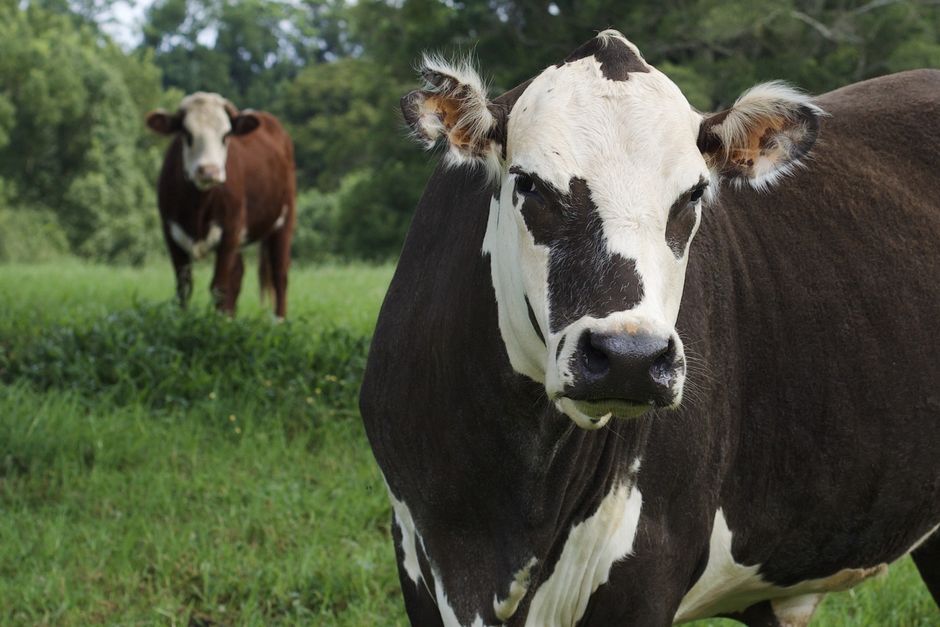
- Implement rotational grazing with at least 3-4 paddocks to prevent overgrazing.
- Regular soil testing every 2-3 years; apply lime and fertilizer based on results.
- Maintain pasture species diversity to provide balanced nutrition.
Rotational grazing improves forage regrowth and soil health by allowing plants recovery time. For example, grazing a paddock for 3-5 days followed by a rest period of 20-30 days can optimize production. Incorporating warm-season grasses like switchgrass alongside cool-season species increases forage availability year-round.
Monitoring pasture condition with tools such as clip samples or visual assessments aids in planning supplemental feeding. For instance, when pasture dry matter drops below 1,200 lbs per acre, additional feed is required to meet cattle nutritional needs.
Using cover crops during off-seasons, such as annual ryegrass or oats, can reduce soil erosion and provide emergency forage. Multi-species pastures, including legumes, grasses, and forbs, improve diet quality and animal performance by offering varied nutrient profiles.
Supplemental Feeding
Even with good pasture, supplemental feed is often needed:
- Hay is essential during winter or drought. One mature cow may consume 25-30 lbs of dry hay daily.
- Grain supplements such as corn or commercial cattle pellets support growth and production. Expect to feed 2-4 lbs per head daily depending on needs.
- Mineral supplements prevent deficiencies; use free-choice salt-mineral blocks.
High-quality hay with crude protein levels above 8-10% ensures maintenance and production needs are met. Testing hay for nutrient content allows for precise ration formulation, avoiding underfeeding or waste. For example, poor-quality hay with protein under 6% requires increased supplementation or alternative feeds.
Grain supplements should be introduced gradually to avoid digestive upset. For finishing beef cattle, energy-dense grains increase weight gain, but feeding too much in forage-based systems can lead to acidosis. Dairy cows, especially high producers like Holsteins, require balanced rations with adequate energy, protein, fiber, and minerals to sustain lactation.
Trace minerals such as selenium, copper, and zinc are critical for immune function and reproduction. Deficiencies can lead to poor conception rates or increased susceptibility to disease. Using region-specific mineral mixes tailored to local soil deficiencies improves herd health and productivity.
5. Health and Veterinary Care
Vaccination and Parasite Control
Establish a health protocol with your local vet. Common vaccinations include:
- Bovine respiratory disease complex (BRD) vaccines
- Clostridial vaccines (e.g., Blackleg)
- Leptospirosis and Bovine Viral Diarrhea (BVD)
In addition to routine vaccinations, consider region-specific diseases such as Johne’s disease or anaplasmosis. Testing new animals before introduction reduces the risk of spreading infections. Calf vaccination schedules typically start at 4-6 weeks of age, with boosters as recommended by your vet.
Parasite control involves scheduled deworming every 3-6 months and external parasite management with sprays or pour-ons.
To combat internal parasites effectively, fecal egg counts can guide treatment timing and choice of anthelmintics, minimizing resistance development. Rotating dewormers and incorporating pasture rest periods can disrupt parasite life cycles.
External parasites such as lice, ticks, and flies not only cause discomfort but can transmit diseases. Integrated pest management combines chemical treatments with environmental controls such as manure removal and fly traps for best results.
Record Keeping
Track individual animal data—birth dates, vaccinations, breeding, weight gains—to improve management. Use smartphone apps or simple spreadsheet logs.
Examples of popular record-keeping tools include Ranch Manager, CattleMax, and AgriWebb. Keeping accurate breeding records helps optimize reproductive efficiency by tracking heat cycles, artificial insemination dates, and calving intervals. Weight tracking informs feeding adjustments and market readiness.
Additionally, financial records related to feed costs, veterinary expenses, and sales support profitability analysis. Records also facilitate traceability for food safety certifications and marketing programs such as organic or grass-fed labels.
6. Legal and Environmental Considerations
Permits and Zoning
Check local zoning ordinances that regulate livestock farming. Some residential areas limit the number or size of livestock you can keep.
For example, in suburban counties, setbacks may restrict barn or shelter placement, and noise ordinances can impact milking operations. Acquiring the proper permits before purchasing animals avoids fines and potential herd dispersal. Additionally, state and federal programs may offer incentives for conservation practices or infrastructure improvements.
Biosecurity protocols are increasingly important, especially for operations near concentrated animal feeding operations (CAFOs). Understanding your responsibilities regarding disease reporting and animal transport is critical to compliance and herd health.
Environmental Impact
Implement manure management plans to prevent runoff and protect water quality. Composting manure or using it as fertilizer reduces environmental risks.
For a small herd producing approximately 50-100 pounds of manure per animal per day, proper storage and application timing are essential to prevent nutrient leaching into waterways. Manure can be composted in windrows or static piles, taking 3-6 months to stabilize, and then applied as an organic amendment to pastures or crops.
Buffer strips of vegetation near streams reduce sediment and nutrient runoff. Managing stocking rates to maintain adequate ground cover limits erosion. Consider integrating agroforestry practices or riparian buffers to enhance biodiversity and carbon sequestration.
Energy-saving practices such as solar-powered electric fencing and waterers reduce your carbon footprint. Some producers also explore methane capture or biogas production from manure, though such systems are more common in larger operations.
Summary Checklist for Starting a Small Cattle Herd
| Category | Task | Example/Details |
|---|---|---|
| Land | Assess acreage and forage quality | 10-20 acres for 5-10 cows; soil test every 2-3 years |
| Infrastructure | Install fencing and build shelter | 5-wire electric fence; 100-150 sq ft shelter per cow |
| Breed Selection | Choose based on purpose and climate | Angus for beef, Jersey for dairy, Dexter for dual-purpose |
| Nutrition | Plan grazing and supplemental feeding | Rotational grazing; hay 25-30 lbs/day; mineral blocks |
| Health | Vaccinate and control parasites | BRD, clostridial vaccines; deworm every 3-6 months |
| Legal | Confirm zoning and permits | Check local county regulations before purchase |
Additional Tips for New Cattle Farmers
- Start with a manageable number of cattle to learn stockmanship skills.
- Network with local farmers and extension services for advice and support.
- Invest in quality breeding stock to improve herd genetics over time.
- Regularly inspect fences and water systems to prevent escapes and dehydration.
- Maintain a safe handling routine to reduce stress on animals and handlers.
- Attend workshops or field days offered by agricultural universities or extension offices to stay updated on best practices.
- Consider joining breed associations or cooperative marketing groups to access resources and improve market access.
- Use technology such as GPS pasture mapping or herd management software to optimize operations.
- Plan for seasonal labor needs, especially during calving or feed harvest periods.
- Establish a contingency plan for emergencies such as drought, disease outbreaks, or extreme weather.