
Introduction to Highland Cattle
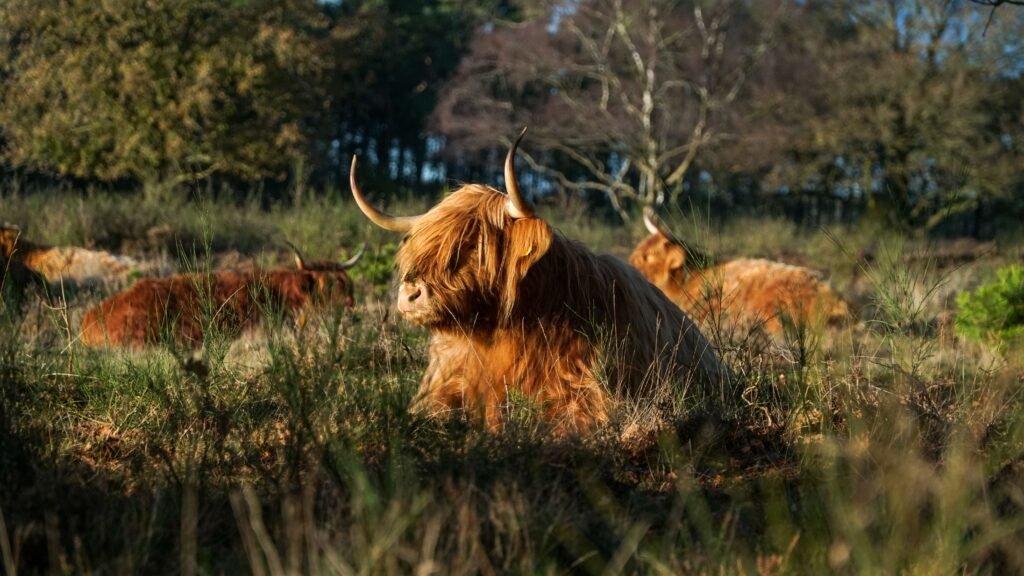
Highland cattle, known for their distinctive long horns and shaggy coats, originated in the rugged Scottish Highlands. This ancient breed has adapted over centuries to the harsh, often unpredictable weather of Northern Scotland, making them one of the hardiest cattle breeds worldwide. Their thick double-layered coat, robust constitution, and efficient metabolism enable them to thrive where other breeds might struggle. Highland cattle are prized not only for their resilience but also for their high-quality beef, which is lean, tender, and richly flavored with lower cholesterol levels than many conventional beef breeds. Beyond their agricultural value, Highland cattle have become iconic symbols of Scottish heritage and are increasingly popular in sustainable farming due to their ability to manage poor-quality pasture and marginal land. Proper care ensures they maintain their health, productivity, and characteristic appearance, enabling farmers to maximize both economic and ecological benefits.
Understanding Highland Cattle Characteristics
Before diving into care specifics, it’s essential to understand what makes Highland cattle unique:
- Coat and Climate: Their double-layered coat consists of a long outer coat made of oily, water-resistant guard hairs up to 10 inches long, which sheds rain and snow efficiently. Underneath is a soft, dense undercoat that provides excellent insulation, allowing Highland cattle to maintain body heat even in subzero temperatures. This adaptation reduces their energy needs during winter, making them more economical to feed in cold climates compared to short-haired breeds.
- Size and Growth: Mature bulls weigh between 1,500 to 1,800 pounds, while cows average 1,100 to 1,300 pounds. Although they grow slower than many conventional beef breeds—reaching full maturity around 3-4 years—they tend to have excellent feed conversion efficiency. Their slower maturation means Highland cattle often produce beef with better marbling, resulting in a distinctive rich flavor prized by gourmet markets. Additionally, they have a longer lifespan, with productive breeding life often exceeding 10 years.
- Temperament: Generally docile, Highland cattle have a calm disposition but can be protective, especially cows with calves. They are intelligent and form strong bonds within the herd. Early and consistent handling is important to maintain their docility and safety during routine management tasks. Bulls can become aggressive during the breeding season; therefore, understanding their behavior and exercising caution is vital. Their relatively small size compared to other beef breeds often makes them easier to handle.
1. Housing and Shelter
While Highland cattle are robust and can withstand cold weather better than many other breeds, proper shelter is still vital, especially in extreme conditions or intensive farming systems.
- Shelter Requirements: Although Highland cattle are well adapted to outdoor living, providing shelters or windbreaks is essential during harsh winters, particularly when temperatures drop below -10°F (-23°C) combined with strong winds. Natural windbreaks such as tree lines or man-made options like three-sided sheds help reduce energy expenditure by blocking wind chill. Shelter also protects against extreme rain and snow, preventing prolonged coat saturation which can lead to hypothermia or illness.
- Space: Each animal requires roughly 250 to 300 square feet indoors to move comfortably, lie down, and avoid stress. For outdoor grazing, providing at least 2 acres per animal is recommended to ensure sufficient forage availability and prevent overgrazing, which can lead to soil erosion and poor pasture regrowth. For herds kept on rotational grazing systems, additional acreage may be necessary to allow adequate rest periods for each pasture.
- Bedding: Bedding is crucial for comfort and health during colder months. Straw is often preferred because it provides good insulation and remains relatively dry. Wood shavings are a good alternative but should be dust-free to avoid respiratory issues. Regular bedding changes prevent moisture buildup and reduce the risk of bacterial growth that can cause hoof problems or infections.
- Additional Considerations: Highland cattle are susceptible to heat stress despite their cold-weather adaptations. In warmer climates or summer months, providing shaded areas with adequate ventilation is important to prevent heat exhaustion. Access to mud wallows or dust baths can help them regulate body temperature and manage parasites naturally.
2. Feeding and Nutrition
Highland cattle have relatively low maintenance nutritional requirements compared to many beef breeds, but they still need a balanced diet to maintain health and production. Their ability to thrive on coarse vegetation and limited forage makes them ideal for low-input farming systems, but careful management ensures optimal growth and reproductive performance.
Pasture and Grazing
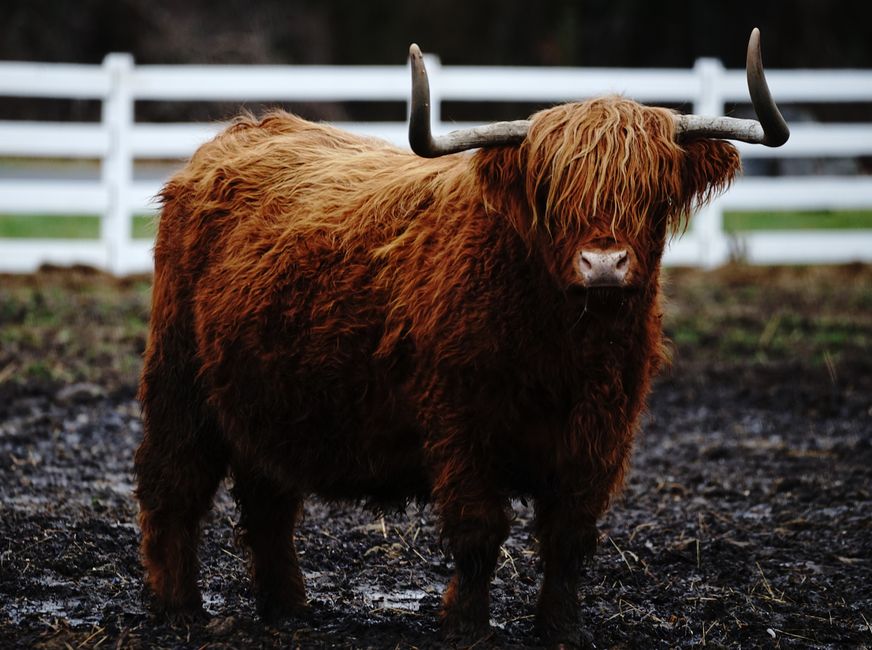
They thrive on natural forage and are excellent foragers, consuming a variety of grasses, shrubs, and coarse vegetation.
- Ensure high-quality pasture with a mixture of grasses: ryegrass, fescue, and clover are optimal for providing a balanced mix of fiber, protein, and energy. Including legumes like clover also helps fix nitrogen in the soil, reducing fertilizer needs and improving pasture health.
- Rotate pastures to prevent soil degradation and parasite buildup. A well-planned rotational grazing system allows pasture recovery, increases forage diversity, and interrupts parasite life cycles, reducing the need for chemical dewormers.
- During winter or drought, supplement with hay; Highland cattle can consume up to 2.5% of their body weight in dry matter daily. High-quality grass or legume hay with a crude protein content of 8-12% supports maintenance, while lactating cows and growing calves may require forage with higher protein levels (12-16%).
- In regions where pasture quality declines in colder months, introducing silage or baleage can offer a higher moisture, more palatable feed option to maintain body condition.
Supplemental Feeding
- Minerals: Provide a mineral block or loose minerals formulated for beef cattle to prevent deficiencies, especially phosphorus, calcium, and salt. Highland cattle, grazing on certain native pastures, may be prone to selenium or copper deficiencies, depending on local soil mineral content. Regular blood testing or consultation with a veterinarian can tailor supplementation programs effectively.
- Grain: Typically unnecessary for most of the year due to the breed’s efficient forage utilization. However, grain supplementation during late pregnancy or lactation supports higher energy needs and promotes calf growth. When used, limit grain to less than 1% of body weight to avoid digestive upset such as acidosis. Common grains include rolled corn, barley, or oats, often mixed with a protein source like soybean meal.
- Water: Clean, fresh water should be available at all times. Highland cattle can drink 10-15 gallons per day, increasing during hot weather or lactation periods. Freezing water sources in winter can be a challenge; using heated water troughs or regularly breaking ice ensures consistent access.
3. Health and Disease Management
Regular health monitoring and preventative care are fundamental for Highland cattle, especially in mixed breed herds or intensive farming operations where disease transmission risk is higher.
Vaccination and Parasite Control
- Follow a vaccination schedule recommended by your local veterinarian, typically including vaccines for clostridial diseases (e.g., blackleg, tetanus) and respiratory illnesses such as infectious bovine rhinotracheitis (IBR) and bovine respiratory syncytial virus (BRSV). Booster shots annually or as advised maintain immunity.
- Implement a parasite control program with seasonal deworming; fecal egg counts help determine parasite loads and deworming necessity. Resistance to common anthelmintics is a growing concern, so integrated parasite management including pasture rotation, biological control agents, and selective treatment can be beneficial.
- Inspect for external parasites such as lice and ticks, particularly in winter when their thick coat can harbor infestations. Treatment options include insecticidal sprays, dusts, or pour-on formulations. Regular grooming aids in early detection.
- Biosecurity protocols such as quarantining new additions to the herd for at least 30 days and maintaining clean equipment reduce disease introduction.
Common Health Issues
- Pink Eye: Can occur in summer months, especially in dusty or fly-infested environments. This contagious bacterial infection causes ocular irritation, excessive tearing, and can lead to blindness if untreated. Early detection and treatment with topical or systemic antibiotics are crucial.
- Hoof Problems: Highland cattle’s hooves are hardy but require regular trimming every 6-12 months to prevent lameness caused by overgrowth or infections like foot rot. A well-drained environment and avoiding prolonged wet conditions reduce hoof disease incidence.
- Respiratory Diseases: Watch for coughing, nasal discharge, or labored breathing, especially in confined spaces or during weather transitions. Stress, poor ventilation, and exposure to infected animals increase risk. Prompt veterinary intervention can prevent outbreaks.
- Other Concerns: Like other cattle, Highland cattle can be affected by Johne’s disease, Bovine Viral Diarrhea (BVD), and parasites such as liver flukes in certain regions. Maintaining herd health records supports early detection and management.
4. Breeding and Calving
Highland cattle have a longer gestation period than many breeds—typically about 278 days (around 9 months and 2 weeks). Their calving is usually uncomplicated, thanks to their moderate frame and pelvic conformation, which results in low rates of dystocia.
Breeding Management
- Bulls reach sexual maturity around 15 months, but it’s common to wait until 18-24 months for breeding to ensure full growth and optimal fertility. Young bulls should be evaluated for libido and physical soundness before use.
- Cows are usually bred after 18 months for their first calf, with a calving interval averaging 12-14 months. Maintaining good body condition pre-breeding improves fertility rates. Heat detection can be achieved through observation of bull behavior, use of marker harnesses, or electronic monitoring systems.
- Use performance records to select breeding stock emphasizing health, temperament, conformation, and traits such as feed efficiency and maternal ability. Many breeders utilize ultrasound or genetic testing to improve herd quality.
- Artificial insemination (AI) is an option for introducing desirable genetics but requires skilled handling and heat detection. Natural service remains the most common breeding method.
Calving Care
- Provide a clean, dry, secluded area for calving, ideally with good drainage and shelter from wind. Minimizing disturbance reduces stress on the cow.
- Observe closely during the final weeks of pregnancy for signs of labor, such as swelling of the vulva, relaxation of pelvic ligaments, and restlessness. Early recognition allows timely assistance if needed.
- Assist only if necessary—Highland cattle are known for calving ease, but intervention may be required for dystocia, especially in heifers or first-time calvers. Having calving equipment and veterinary contacts readily available is important.
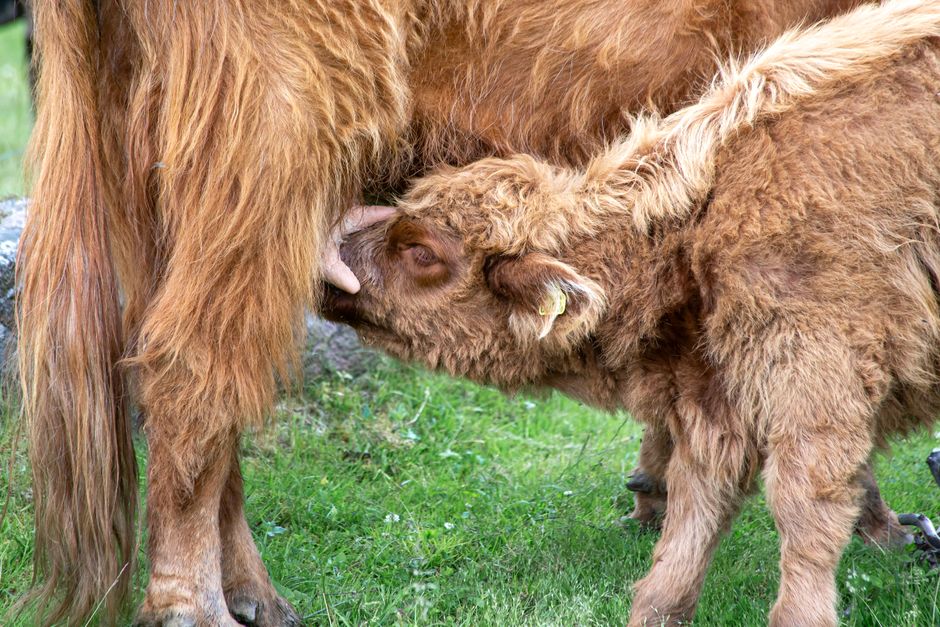
- Ensure calves receive colostrum within the first 6 hours for passive immunity transfer. Monitoring calf vigor and suckling behavior helps identify any need for supplemental feeding or care.
- Tagging, dehorning (if desired), and vaccinations can be performed within the first few weeks to standardize herd management.
5. Grooming and Handling
Regular handling helps Highland cattle remain docile and manageable. Grooming is not typically necessary for health but benefits coat condition and allows for close inspection of skin, horns, and overall condition.
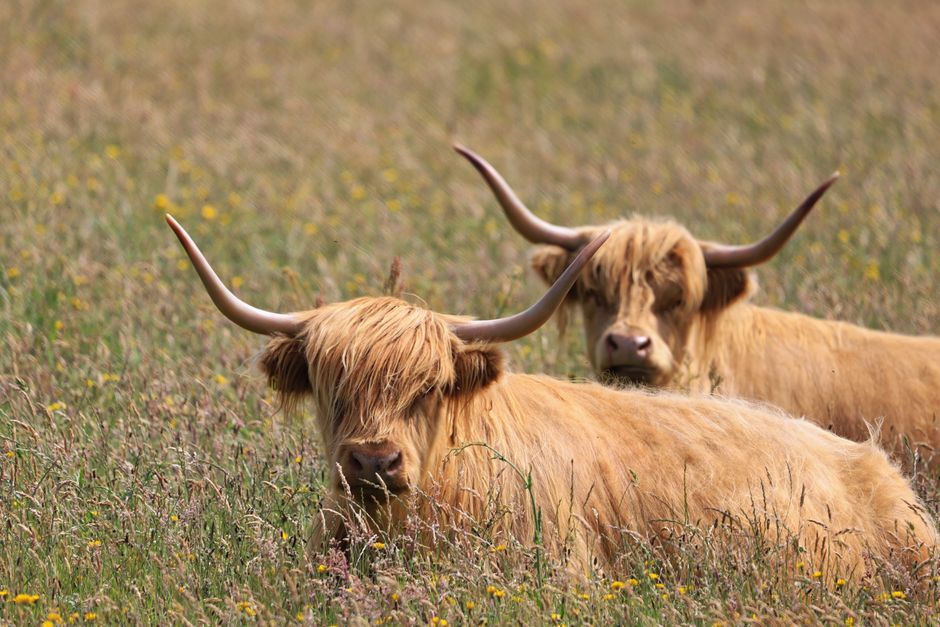
- Brush their long hair periodically, especially before shows or sales, to remove dirt and tangles and enhance their appearance. Special attention is needed to avoid matting around the face and neck.
- Inspect horns regularly for damage or abnormalities such as cracks or unusual growth patterns, which could cause injury to the animal or handlers. Horn trimming or shaping is rarely required but may be considered in certain management systems.
- Use low-stress stock handling techniques such as quiet voice commands, slow movements, and minimizing sudden noises; Highland cattle respond well to calm, consistent interaction. Facilities designed to reduce stress, such as curved chutes and solid-sided handling pens, improve safety and efficiency.
- Training young cattle to lead and stand for inspection facilitates easier management throughout their lives.
6. Environmental Considerations
Highland cattle are environmentally friendly grazers, capable of managing rough terrain and brush, making them valuable for land management and conservation grazing projects. Their grazing behavior encourages biodiversity by controlling invasive species and promoting native plant growth.
- Ensure fencing is robust enough to contain bulls and prevent escapes; woven wire or high-tensile electric fencing is common. Given their intelligence and curiosity, fences should be checked regularly for damage and repaired promptly.
- Protect water sources from contamination by providing access points with hardened footing or designated watering troughs to prevent soil erosion and water pollution. Riparian buffers can safeguard streams and ponds.
- Manage manure and pastures to prevent buildup of parasites and maintain soil health. Spreading or composting manure can improve nutrient cycling and pasture fertility. Maintaining appropriate stocking densities avoids overgrazing and soil compaction.
- Highland cattle’s ability to graze on poor-quality vegetation makes them useful for controlling brush and maintaining open habitats, which benefits wildlife such as ground-nesting birds and pollinators.
Comparing Highland Cows to Other Breeds
| Attribute | Highland Cow | Angus Cow | Hereford Cow |
|---|---|---|---|
| Average Weight (Cow) | 1,000–1,200 lbs (450–540 kg) | 1,200–1,600 lbs (540–730 kg) | 1,200–1,500 lbs (540–680 kg) |
| Coat Type | Thick double coat with long outer hair for cold | Short, smooth | Short, dense |
| Climate Adaptability | Excellent in cold, wet, and rugged | Moderate, prefers temperate | Good temperate, less in cold extremes |
| Temperament | Docile and calm | Generally docile | Docile |
Compared to Angus and Hereford breeds, Highland cattle exhibit superior hardiness in extreme weather, especially in cold, wet, or mountainous regions where forage quality may be poor. Their ability to maintain body condition on lower quality forage reduces feed costs in marginal environments. While Angus are prized for marbling and meat quality, and Herefords for rapid growth, Highland beef is renowned for its lean, flavorful profile with lower fat content.
In terms of management, Highland cattle generally require less intensive feeding regimes and perform well in extensive grazing systems. However, their slower growth rates and smaller mature size may not align with commercial operations focused on rapid turnover. Their temperament and visual appeal also make them popular among smallholders and conservation grazing projects.
Summary Table: Highland Cattle Care Essentials
| Care Aspect | Requirement | Frequency or Notes |
|---|---|---|
| Shelter | Windbreak or simple shelter with dry bedding | Year-round, especially winter; ensure shade in summer |
| Feeding | Good-quality pasture, hay, mineral supplements | Daily grazing; supplemental feeding in winter or drought |
| Water | Clean, fresh water | Available at all times; 10-15 gallons/day, more in heat or lactation |
| Health Care | Vaccinations, parasite control, hoof trimming | Vaccines annually; deworming based on fecal tests; trim hooves every 6-12 months |
| Breeding | Breed at 18-24 months, monitor calving closely | Calving every 12-14 months; maintain records and select quality stock |
| Grooming | Brushing and horn inspection | As needed; more frequent before shows, sales, or health checks |
| Environmental Management | Robust fencing, water protection, pasture and manure management | Regular maintenance; tailor stocking density to land capacity |
Conclusion
Highland cattle are a resilient and rewarding breed for both beef production and land management. Their unique adaptations—such as their thick double coat and efficient forage use—allow them to thrive in climates and terrains that challenge many other breeds. By providing appropriate shelter, a balanced diet, preventative health care, and attentive breeding management, caretakers can ensure their Highland herd remains healthy, productive, and economically viable. Additionally, their environmental benefits, including brush control and soil health improvement, make them a sustainable choice for modern farming systems focused on ecological stewardship. Although their distinctive characteristics require some specialized care aspects, particularly regarding their coat and grazing preferences, the overall hardiness and gentle nature of Highland cattle make them suitable for a wide range of climates and farming operations globally.